NSL2.0
Has the new era of the Netball
Super League lived up to expectations?
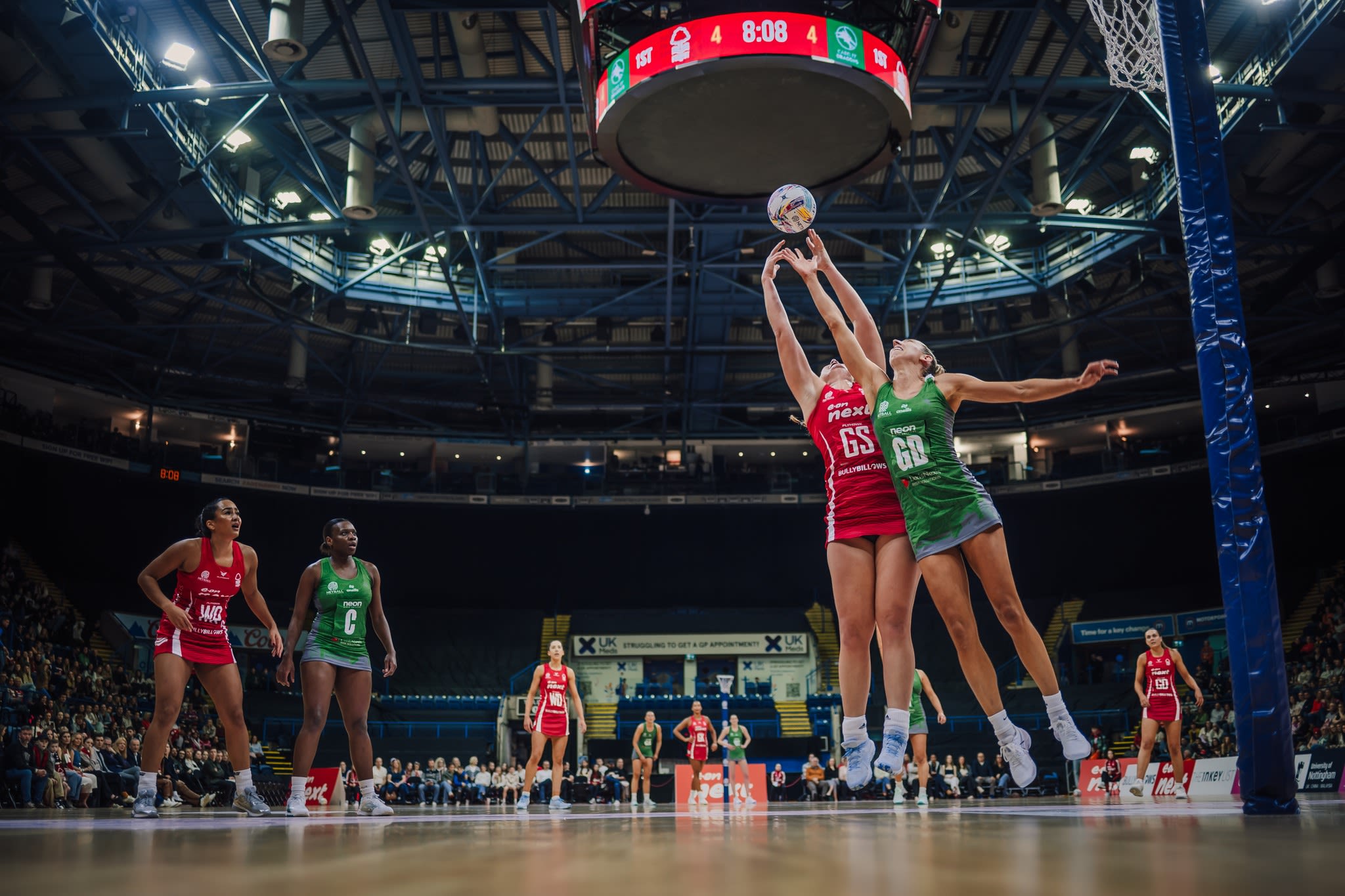

This year has seen the relaunch of the Netball Super League.
Affectionately known by players, teams and fans as NSL2.0.
The elite level of the sport in the UK had become tired and the majority of matches predictable - so England Netball wanted to reignite the sport and attract a whole new generation of fans.
Less teams with fewer players to make the league as competitive as possible and drive the standard higher.
Bigger arenas with bigger audiences.
More exciting fan engagement.
And new rules aimed at making matches as nail-biting and unpredictable as possible.
There’s just over five weeks until we find out who will be crowned this year’s champion, and the first in the new era of the Netball Super League.
So let’s take a look to see if the NSL2.0 really has lived up to expectations.


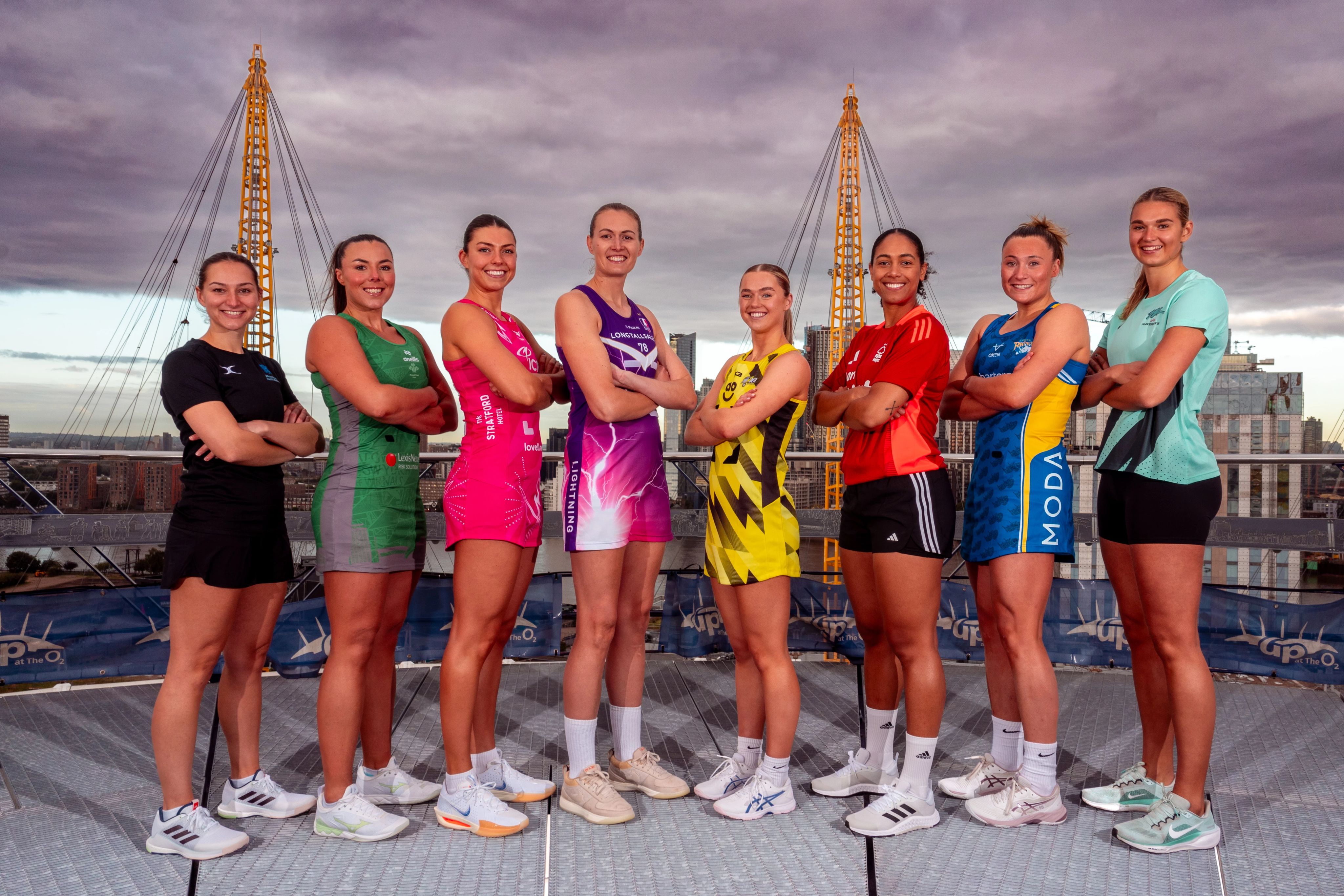
The Netball Super League launched in 2005 with eight teams and the inaugural season was won by Team Bath, with a team that included a host of young talent that would go on to become legends within the sport.
Pamela Cookey: two-time NSL winner with Team Bath and England International with two bronze medals from the 2006 and 2010 Commonwealth Games.
Tamsin Greenway: three-time NSL winner with Team Bath and two-time NSL winner with Surrey Storm, and England International with one Commonwealth and two World Cup bronze medals.
Jessica Thirby: current head coach for the senior England Team (known as the Vitality Roses) and won the first NSL title with Team Bath in 2005.
Geva Mentor: two-time NSL winner with Team Bath and former England International captain playing in six Commonwealth Games including winning Gold in 2018 at Gold Coast.
Team Bath are also the most successful team to date, having won five of the first eight seasons of the NSL.
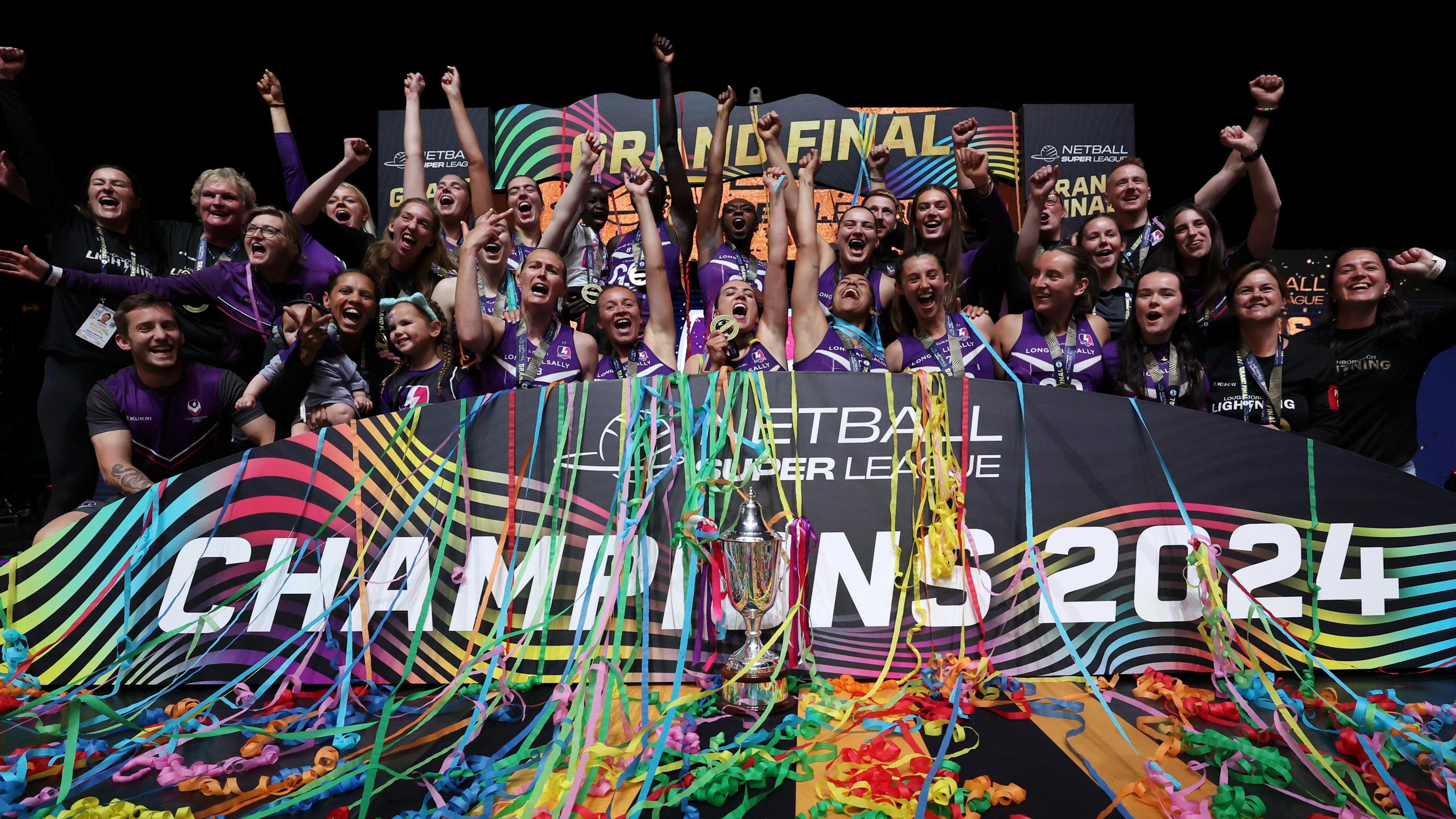
Since then, Manchester Thunder have won four, current reigning champions Loughborough Lightning have won three, and London Mavericks, Surrey Storm and Wasps have each won two titles.
The league has also seen a host of different title sponsors - including The Co-op from 2007 to 2010 and more recently VitalityHealth from 2016 until 2021.
However, in recent years the league had become old and tired. Dwindling audience numbers, predictable matches and the excitement felt like it was all but gone.

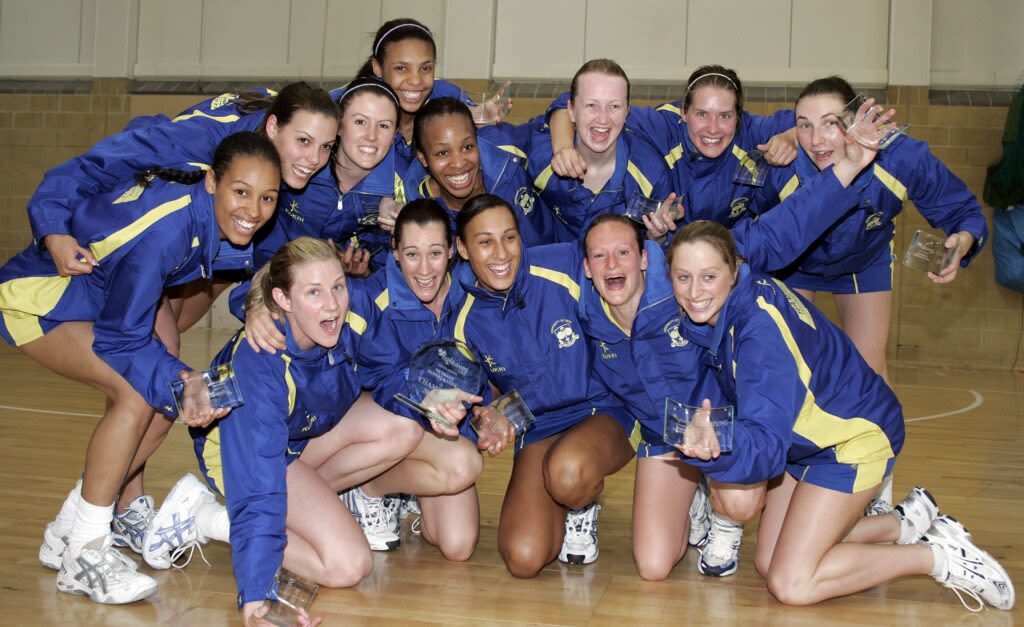
England Netball, the governing body of the sport in England, announced in 2021 that they were creating a new, bold strategic vision for the Netball Super League geared towards taking the domestic game to the next level.
In 2023, England made only their second ever World Cup final - losing to Australia in a match that was watched by a record-breaking 5.6million people in the UK.
Fran Connolly, CEO of England Netball, wanted to use the momentum within the sport to take it to new heights.
Speaking at the time, Connolly said: “We’re at a really exciting time as Netball is now the number one team sport for Women in England, with over three million people playing annually.
“We now have a fantastic opportunity to build on this foundation and take our domestic game to the next level.
“Transformational yet sustainable change will take time, and collectively we can shape an exciting future for the sport both in terms of quality and ambition.”
England Netball opened a tender process for the reimagined league - available to both new and existing teams, designed to assess the teams’ capabilities of embarking on the professionalisation journey within the sport.
In 2024 it was announced that four teams hadn’t been successful in the tender process and therefore would be competing in their final season.
Two of these teams were Surrey Storm and Team Bath, both had competed in the Super League since its inception in 2005. The other two teams were Severn Stars and Strathclyde Sirens, who both joined in 2017.
With the departure of those four teams, two new teams were announced - Birmingham Panthers and Nottingham Forest.
Alongside the new teams, a host of new rules and events were also announced with the hope of drawing in new audiences into the sport.
And thus - NSL2.0 was born.


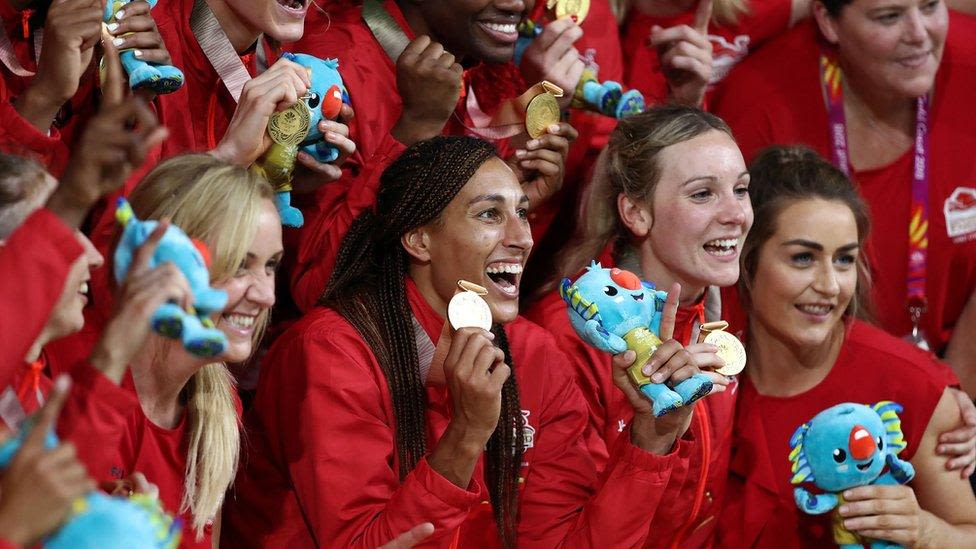
The new-look NSL only features eight teams, which is two less than the ten that competed in 2024. The number of players on each team has also been reduced from 12 down to 10.
The new rules state that only two non-UK players can be signed by each team, and those two players cannot play in the same area of the court.
The league encouraged all teams to increase the salary of all players in the move towards professionalisation - with an average salary increase of at least 60%.
Combine the reduced number of teams and players along with the increase in salary, you have a far more competitive set up than previous years.
Not only will this improve the quality of the league, but it will also improve the quality of home grown players - laying the groundwork for England Netball setting high ambition to achieve their first World Cup gold in 2028.
Claire Nelson, Managing Director of the Netball Super League, believes these changes are the first few steps to the Vitality Roses competing on a global scale.
Nelson said: “The league is bigger and better than it has ever been before, and we’re just getting started.
“In the most recent squad announcement for the Vitality Roses, 14 of the 42 players selected for the Senior and Future squads have won an NSL title, with the majority of other players currently playing in either the NSL or NXT Gen leagues.
“This is huge for our sport - to have the strongest English players competing in our elite and elite pathway leagues can only be a positive thing.”
NXT Gen is exactly what the name suggests, the next generation of netball superstars competing for the pathway team of their NSL counterparts.
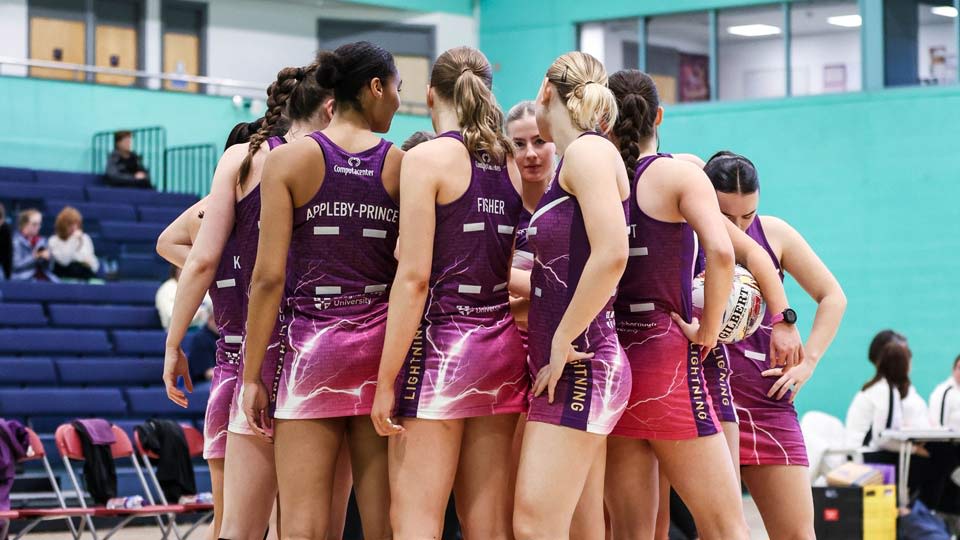
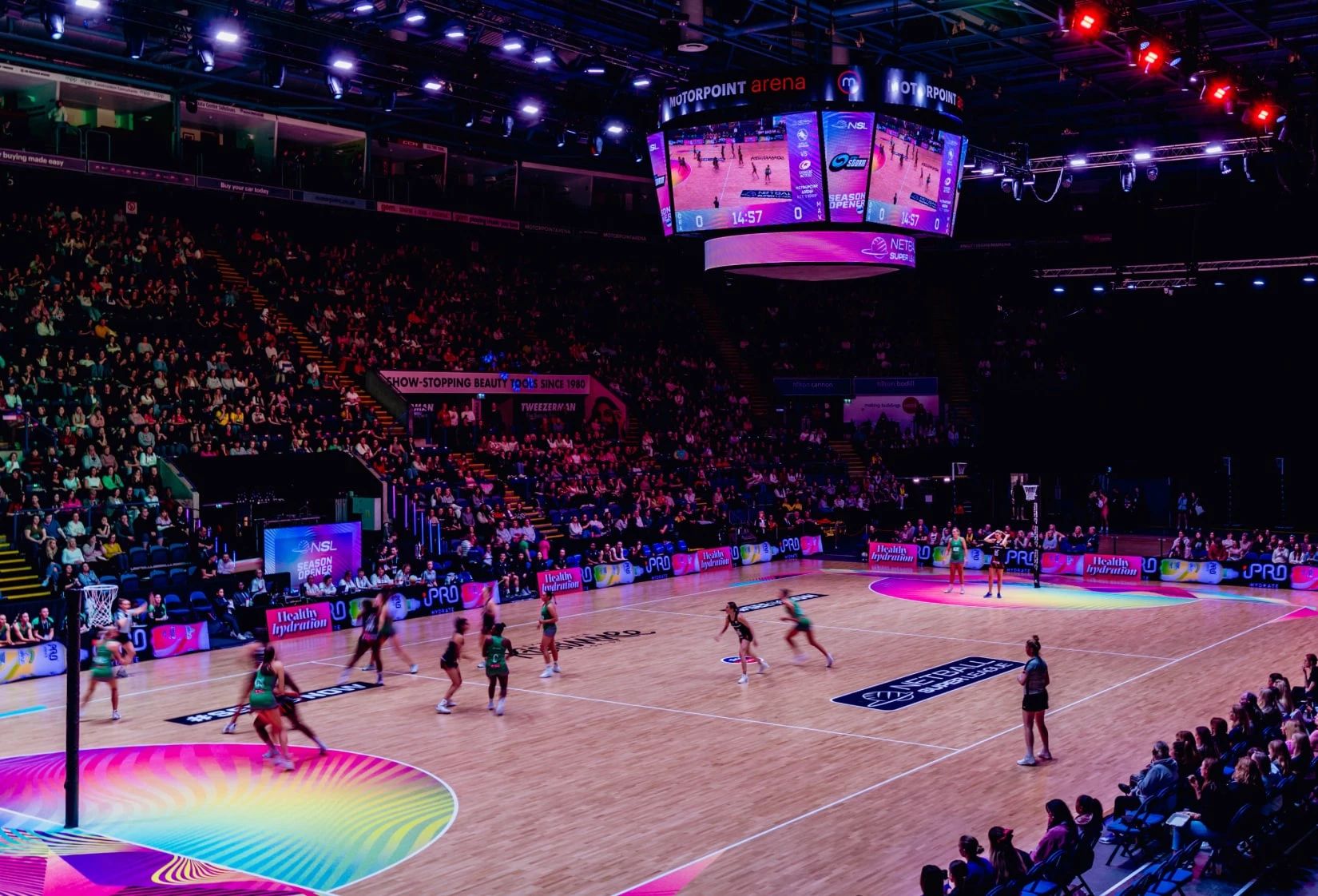
With their desire to grow the audience of the game, the NSL also made the ambitious decision to host 50% of all games in arenas for the first time in the league’s history. The appeal of having games hosted as a big event would in turn bring in larger audiences.
For example, new franchise Birmingham Panthers have four home venues across the Midlands - spreading their net as far and wide as possible to attract new fans in their first season.
Their games have already been played at the BP Pulse Live Arena in Birmingham, Worcester Arena and Coventry Skydome - with a game against Loughborough Lightning scheduled on June 14 at the Utilita Arena in Birmingham.
“We are extremely proud to be bringing the magic of the NSL to arenas around the country,” said Nelson, continuing to explain how the game is now being played in cities that have never experienced the NSL before, including Brighton and Nottingham.
“We’re also thrilled to be hosting the 2025 NSL Grand Final at the O2 Arena in London for the very first time in our history - and we’re delighted to be able to showcase this electrifying event to our growing audience.
“It’s only fitting that our showpiece takes place at one of the most prestigious arenas in the world - in what will be such a significant moment for our sport as we deliver elite netball alongside unforgettable experiences for fans, players and everyone involved.”

There were a host of new rules introduced at the start of the season, designed to impact the game in a positive way.
Tactical Time Out. Each team gets one tactical time out to use during the match at any point they wish. Each time out is 90 seconds long and is usually used by the on the backfoot in the game to regroup and change strategy.
No Draws. Games are no longer allowed to be tied at the end of the game, therefore two five-minute periods of extra time must be played. If the scores are still level, then teams continue to play until one team is leading by two points. This rule removes the ability of teams to play for a tactical draw, as each win can truly impact the standings in the league.
Bonus Point. If teams lose by five points or less, they earn a bonus point. Even if the match appears unwinnable heading into the final few minutes - this new rule encourages teams to compete until the final whistle as they still may be able to earn that bonus point. Not only does this impact on the league, it also makes games far more engaging for fans.
Super Shot. Teams now have the ability to earn two point goals in the final five minutes of each quarter. The shooting area is divided in two - with the closest area to the net being worth one point, and riskier shots from further away being worth two. The introduction of this rule which first launched in Australia in 2020 means that teams trailing by a sizable margin can quickly swing the game back into their favour with a small number of successful Super Shots.
As with all new implementations, there are going to be some teething issues - and earlier this season the Super Shot experienced its first controversy.
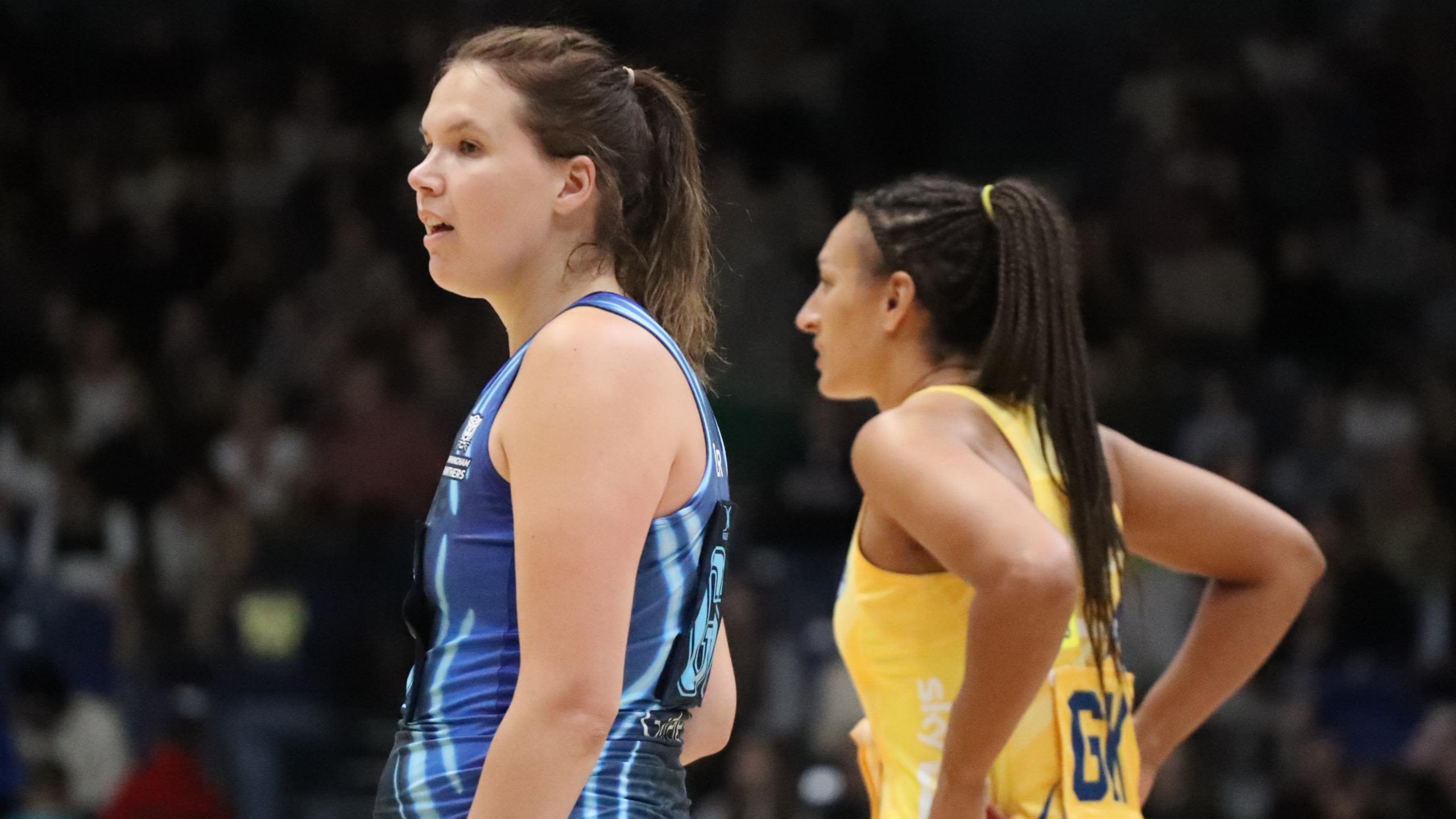
In gameweek eight, Birmingham Panthers played Leeds Rhinos - with Birmingham Panthers leading by two points heading into the final few moments of the game. Leeds Rhinos shooter Joyce Mvula successfully executed what they thought was a Super Shot to bring them level, with the in-venue scoreboard reflecting this score.
However, the on-court umpire only awarded it as a one point goal.
Leeds then broke a second attack in the final seconds of the game, choosing to move the ball into the closer area of the shooting zone to score a less risky one point goal and clinch the match… or so they thought.
The one point goal actually brought them level and the game then went into extra time, and Birmingham Panthers went on to win the game.
A human error that denied Leeds Rhinos the opportunity to sit above their opponents in the league - instead now sitting four points behind.
Unfortunately, upon video review post-match the shooter should have been awarded a two point goal, however the on-court umpire’s decision is final and the scoreboard in-venue should have reflected this.
Leeds Rhinos did appeal this decision, but the outcome of a game cannot be changed retrospectively.
Geva Mentor, who now plays as goalkeeper for Leeds Rhinos, is considered by many as the voice of reason among netball players given her vast experience in the league.
Mentor said: “Mistakes happen, but what needs to change out of all this is the accountability and process to address these mistakes in the moment.
“We all love this game, so it’s important we encourage it to evolve and be better for all involved by learning lessons and updating the regulations.”
With all the new changes to this year’s Netball Super League, the only way to know if growth and progress is being made in the sport is to look at the statistics and data and to hear directly from the fans.
The latest statistics released by the NSL show that in comparison to this point (gameweek eleven) in the league last season, attendance has increased by 40%.
This is impressive given that there are two less teams and sets of fans to contribute to these figures - therefore the new rules introduced and arena games are clearly having a successful appeal.
Television viewing figures have also increased 59% from 654,000 up to 1.04million - so not only has the audience grown at the games themselves, but also people watching at home too.
Nelson reflected: “More eyes on the sport means more people talking about Netball, and more young players being inspired by what they’re watching.
“These figures can only be a positive thing for the league, and this is just the beginning - as we plan to continue scaling the league until we are fully professional and sustainable.

David Wooldridge, England Netball MC & NSL fan, has a wealth of experience across multiple sports and looked objectively at the change.
Wooldridge said: “There was a definite need for change in NSL as other female sports had overtaken the sport massively, which really impacted female viewership and engagement.
“However, I do think the change to NSL 2.0 has been too sudden, not fully thought-out and will ultimately lead the project to become unsuccessful” he said, as he referenced how UK basketball was developed in the 1990’s.
Aside from the players and coaches, most of the teams’ backroom and management staff are volunteers or have multiple jobs within an organisation, which he feels may be impeding the growth of the game.
“Most teams do not have the backroom staff, facilities or management staff to efficiently run a team at an organisational scale similar to that of a Women's Super League football team - and whilst it's great to have aims of playing in arenas and professionalising the league, I believe this has been done too quickly.”
However, outside of how the league and clubs are organised and managed, he expressed how much he was enjoying the season.
“The games have just been brilliant.
“I watch every game and for most of them I’m on the edge of my seat - and I do think the introduction of the Super Shot has helped with that.
“The league is showcasing some of the best talent netball has offered in recent years along with some exciting new stars - I genuinely believe we stand a chance of winning the World Cup if the standard continues to rise like this.”


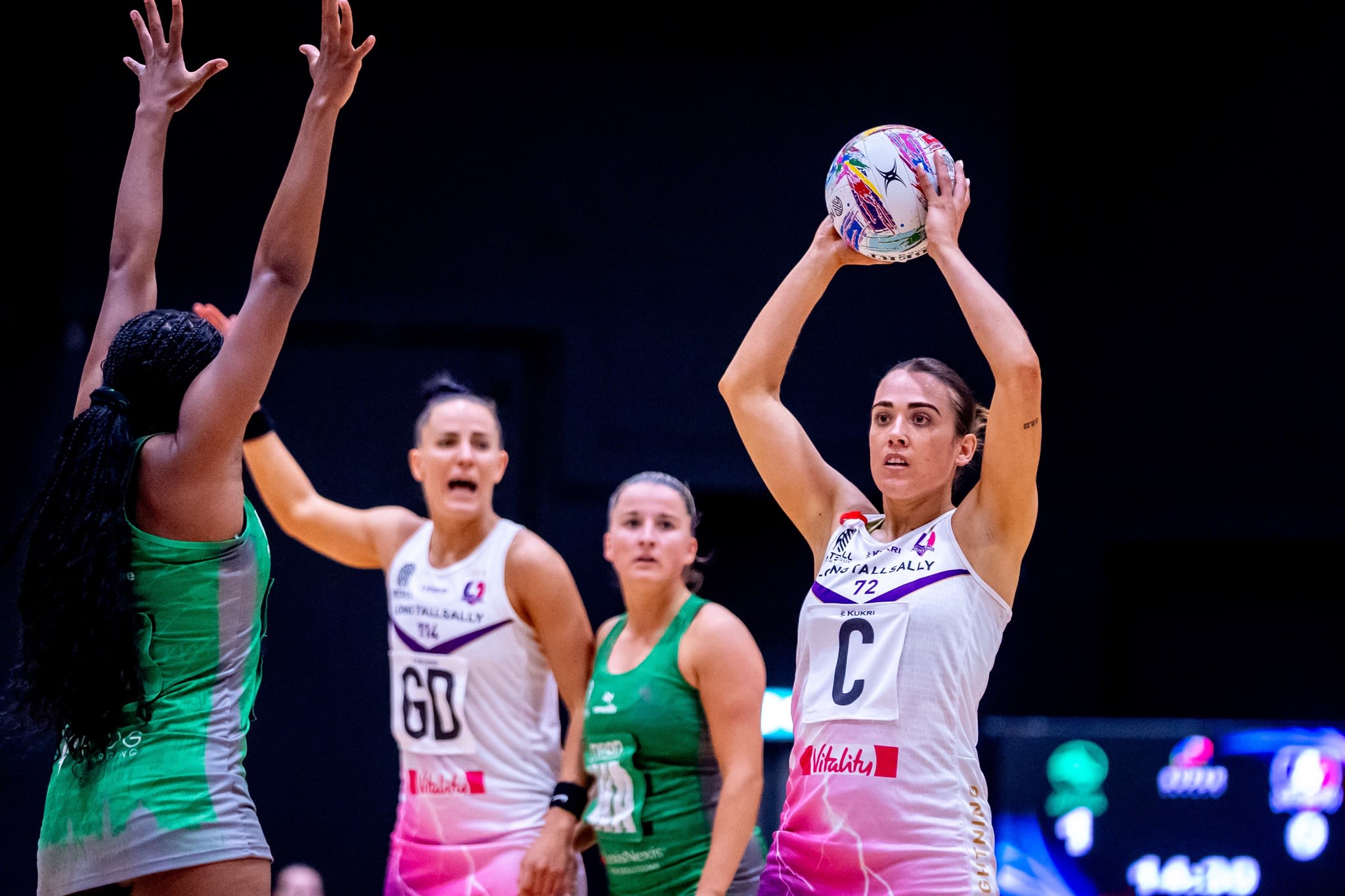
Emma Bolton, lifelong fan of two times reigning champions Loughborough Lightning, is really enjoying the NSL2.0 this year.
Bolton said: “I’m loving the changes, but I do feel they should have been announced earlier so that teams had more time to strategically plan around the rule changes.
“Squads were finalised before the Super Shot was confirmed, and I think this could have changed the decision on who was signed by different teams.”
This season, Nottingham Forest player Rolene Streutker leads the charge with 118 successful Super Shots, which is 43 more than any other player.
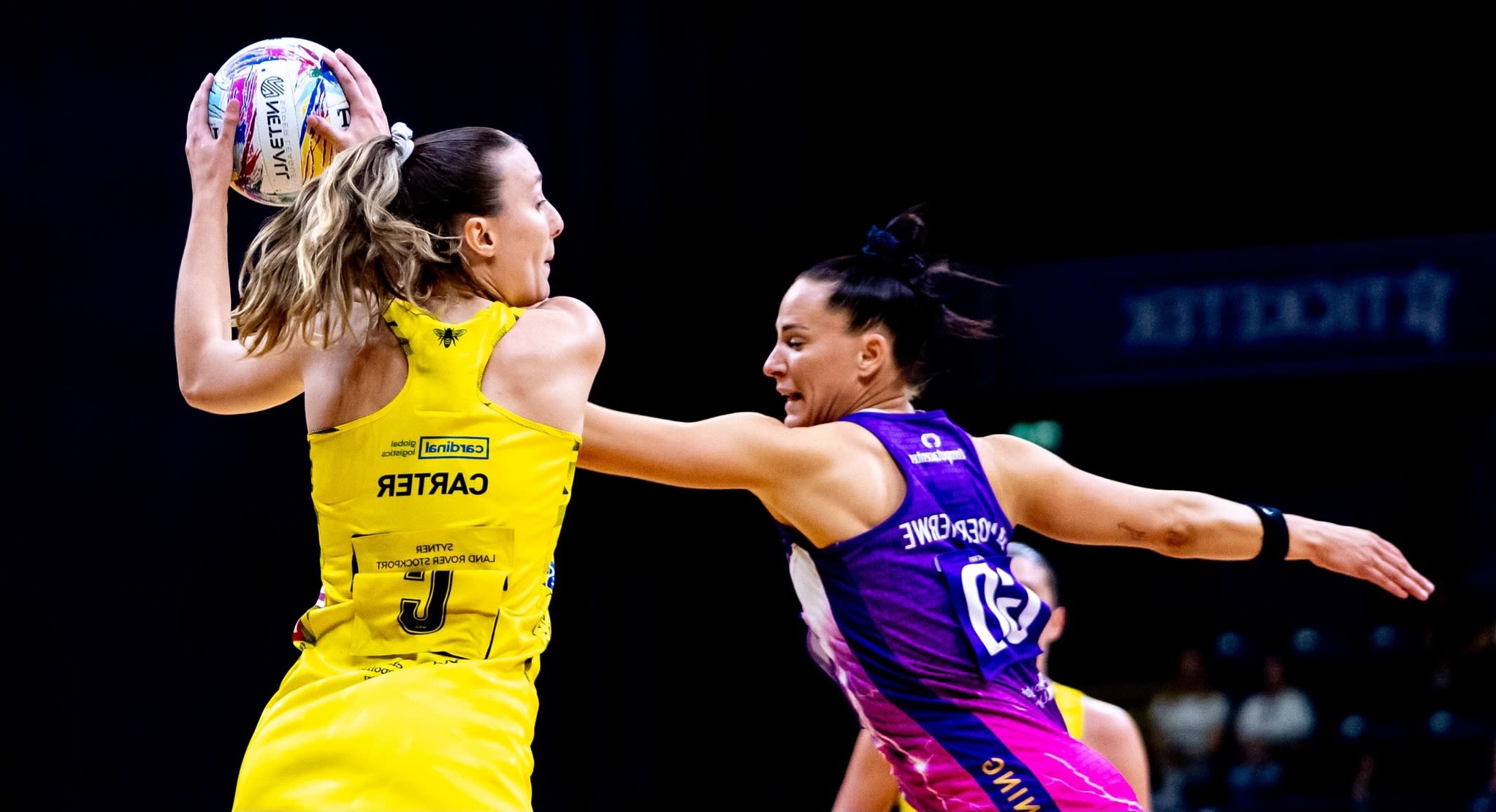
Additionally, most teams have two or three players who are regularly scoring Super Shots, yet Manchester Thunder are relying on Elmeré van der Berg as their only player who can successfully score Super Shots.
For Bolton’s team Loughborough Lightning - they have GB Basketball star Ella Clark, and Sammy Wallace-Joseph who has four years experience with the Super Shot in Australia… so they’re in safe hands!
Emma also likes that new franchises Birmingham Panthers and Nottingham Forest have strong funding to help grow the game.
“It’s certainly needed, however both franchises are based around the Midlands area which I think has alienated fans from the south west.
“By removing Team Bath from the NSL, all those fans have to travel an additional hour at least to watch a game in person - I think I’d be really disappointed if that was me.”
There are just three gameweeks left before the playoffs and grand final - with Loughborough Lightning and London Pulse having already secured their places last weekend.
The numbers don’t lie and the fans appear to be loving this new look league, being able to forgive certain aspects whilst the sport enjoys its period of growth.
The Netball Super League had a ten year plan, and thus far appears to be executing it to near perfection.
There will be inevitable hurdles along the way - but with an elite sport growing at such an exciting pace, there has never been a better time to discover netball and become a fan.


 Built with Shorthand