
Ukraine’s pets in a time of war
Animals are the silent victims of war as their owners fight to be reunited with them and charities race to ensure their survival

Warning
This story contains content that may be distressing for some readers
February 20, 2025 marked three years since the Russo-Ukrainian War began.
The sudden attack from Russia forced around 7 million Ukrainians to flee, with 6.3 million finding sanctuary in Europe, according to figures from the United Nations High Commissioner for Refugees.
Sadly, not everyone was so lucky, as thousands of pets were left behind, killed or waited months to be reunited with their owner.

Diana and George
Diana Kocheva landed in Tenerife with nothing but a small backpack, surfing on her mind, and zero plans—just weeks of sun, waves, and total freedom.
And then?
“The unthinkable happened,” Diana explains.
Russia launched a full-scale invasion of Ukraine. Unable to return home, Diana eventually found refuge with friends in London after organising a UK visa.
But her pet Corgi George was still in Ukraine.
“Ensuring his safe passage to the UK became a priority.”
George was being looked after by Diana's parents in Zaporizhzhia, Ukraine. More than 2,973 km from London, where Diana found refuge.
Diana started what would be a three-month rescue operation to reunite with George.
She said: “Back then if the dog was from Ukraine, they would put them under quarantine for some days in the UK and I was really worried about that.”
There was also a lack of support from charities and organisations.
Diana explains: “When I was reaching out to them everyone was either busy or couldn’t help.”
Relying on the support of others, George’s journey to reunite with Diana involved 32 people. With the beloved pooch being looked after by a group of friends at every stopover, before being taken by taxi to Paris, with Diana delving into her savings to get him there.
“I saw George in Paris, and seeing him was already giving me hope that it might not be that bad. His presence has been a source of immense comfort and normalcy amidst the chaos.”
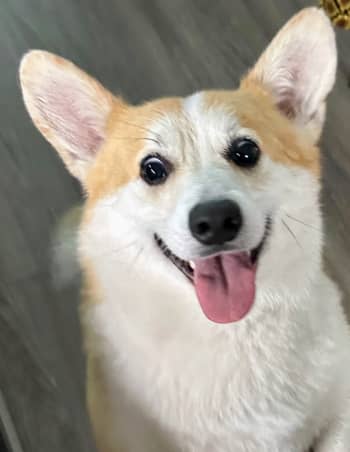

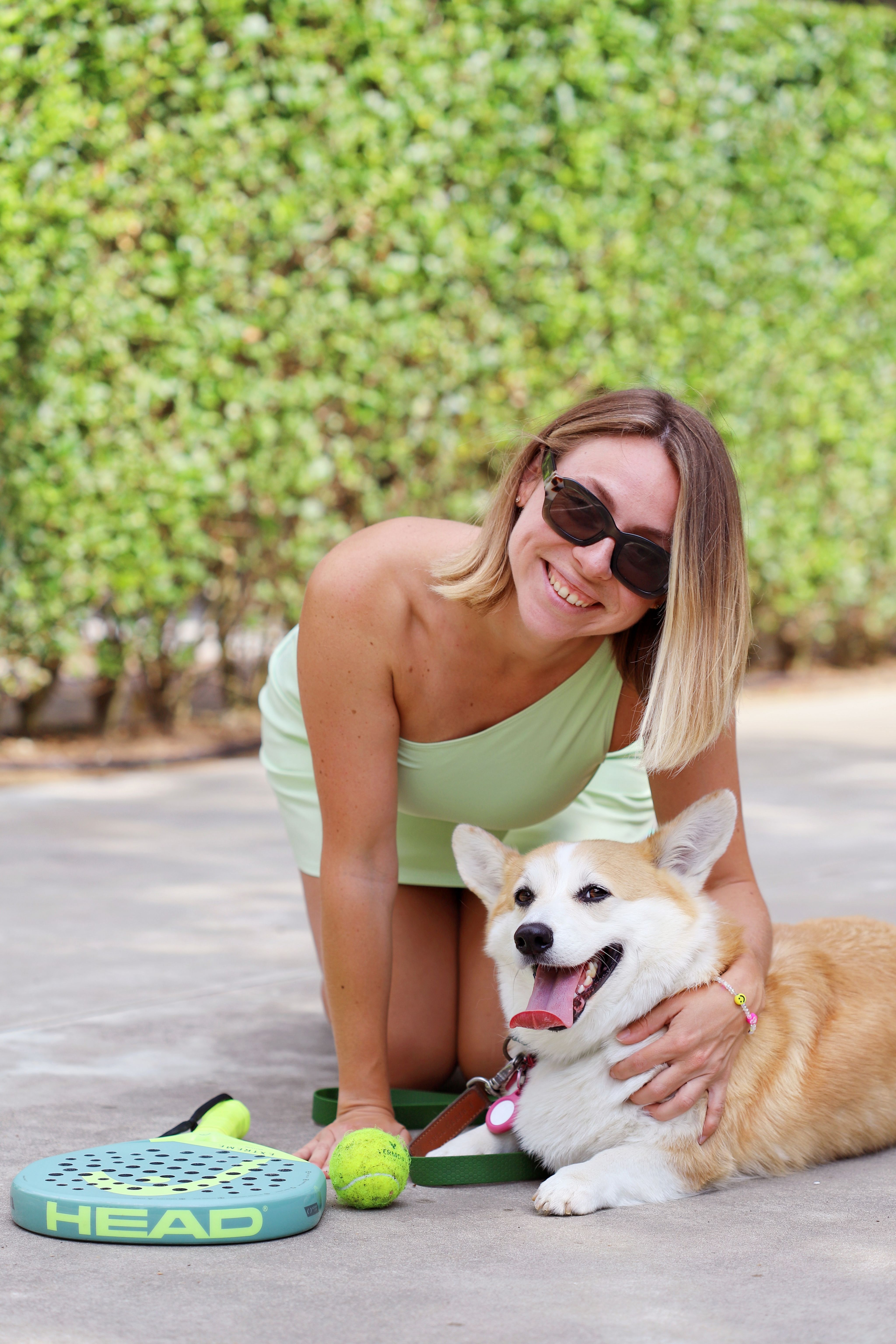

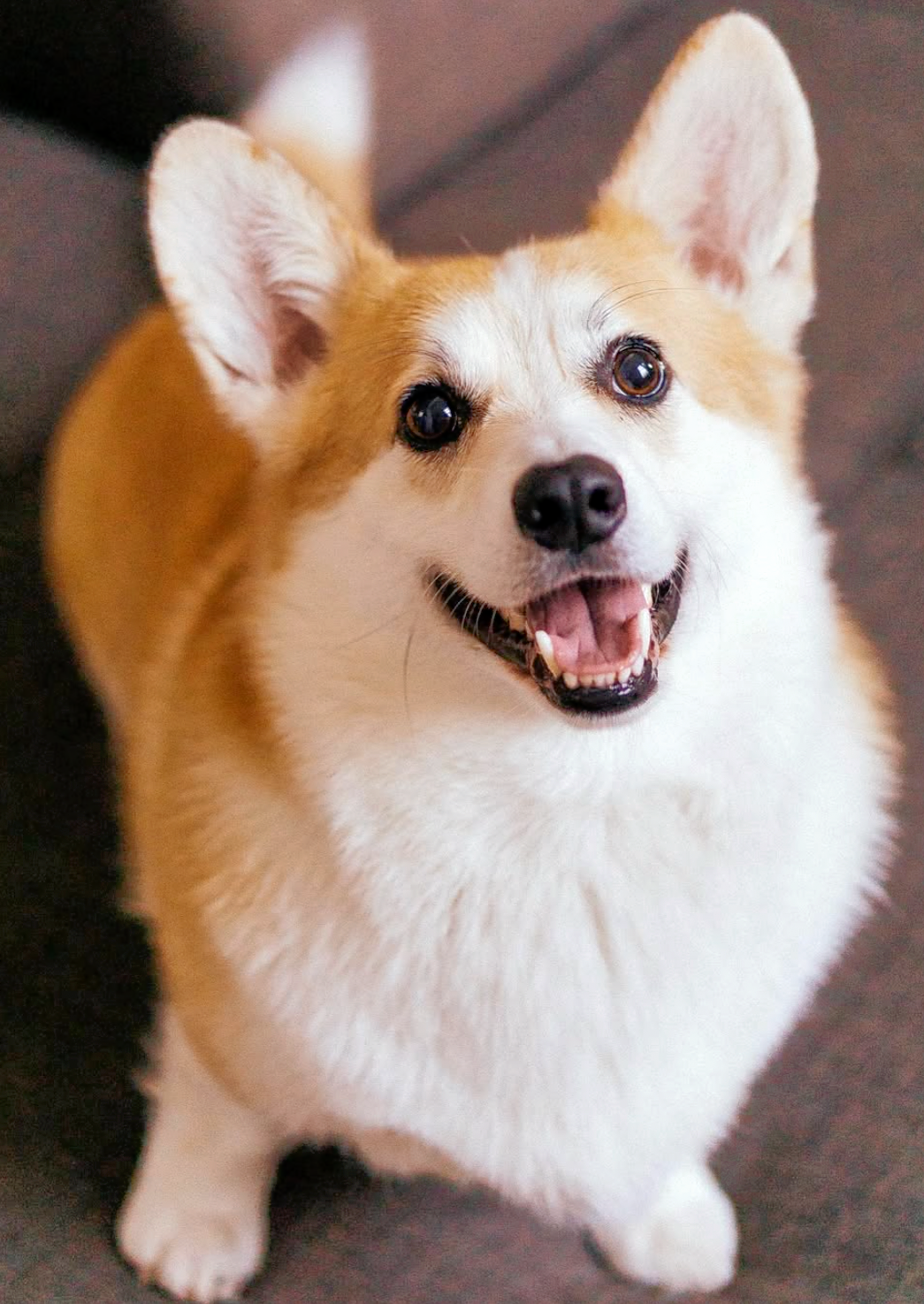


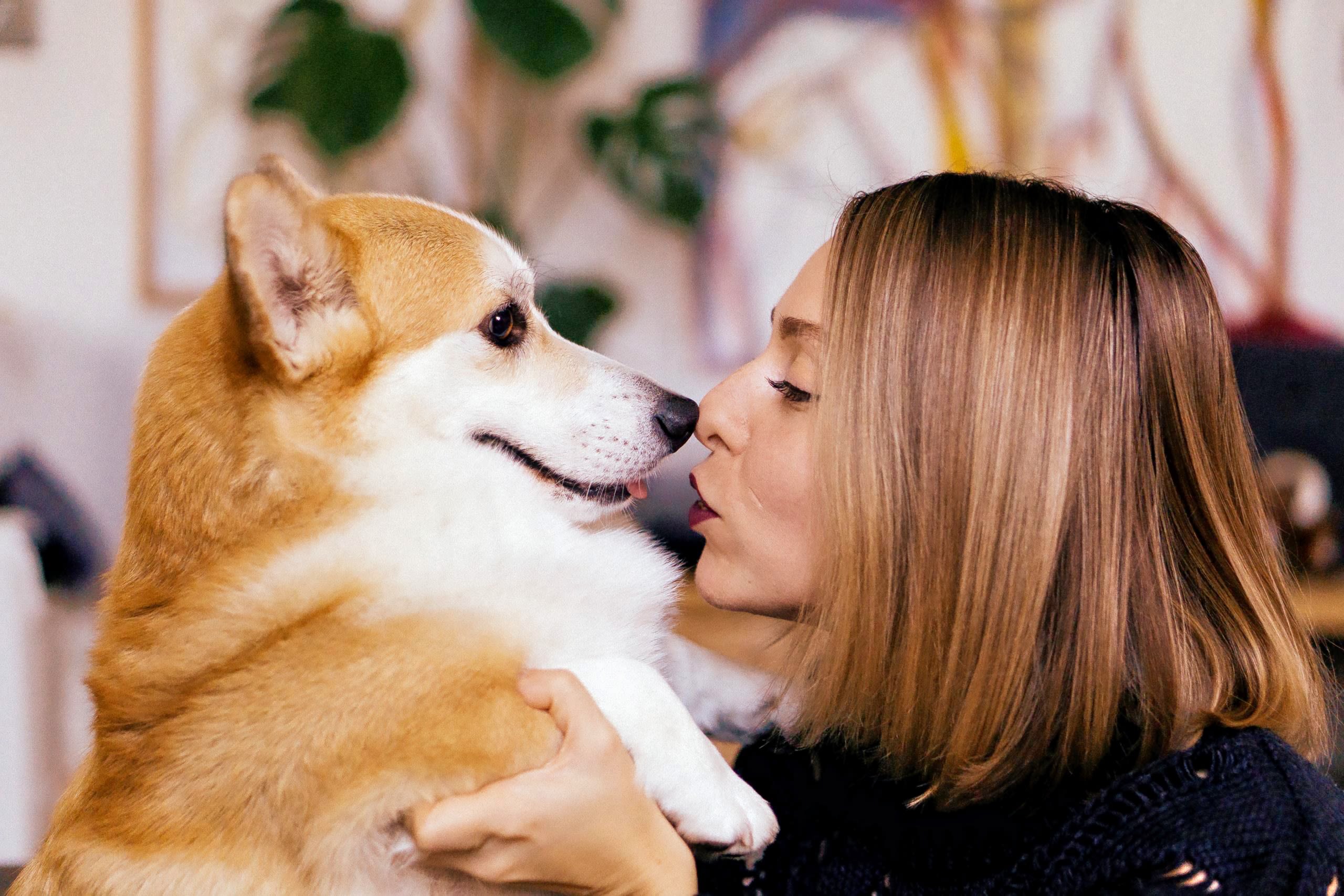
Image Credit: Diana Kocheva
Image Credit: Diana Kocheva
Emma Williams
Emma is the founder of Full Tummies - a Community Interest Company (CIC) that distributes food directly to fill the tummies of dogs and cats in need.
“The war broke out and I'd experienced a real positive response to gathering food for those animals."
Emma goes on: “It was really hard for me to actually go, but I had some contacts and I knew somebody who was going out to Romania.”
Through a contact she made, Emma got in a van with another volunteer and they drove themselves to Romania over three days.
While there, she worked alongside a vet who has a private and public shelter.
Emma explains: “We had families crossing the border and coming to her with their animals needing paperwork to move from Ukraine.
“They would come in and all they were holding was their bag if they had one and their pet.”
Through her CIC, Emma is still sending pet food to Ukraine and knows people who take lorry loads of it over.
Emma said: “There was one chap who said, ‘yeah, come out, but you're going to have to get your own way there and back’.
“Then he said, ‘Emma, it's so dangerous at the moment’ - this is in December.
“He ended up wearing a bodysuit and learning how to do first aid, he was right in amongst it.”
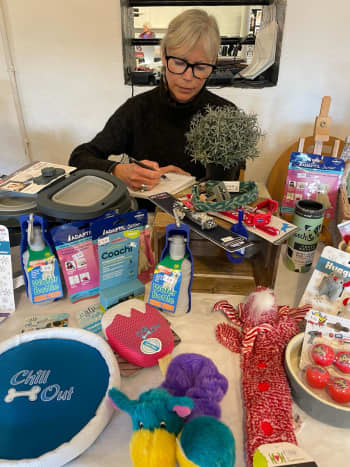

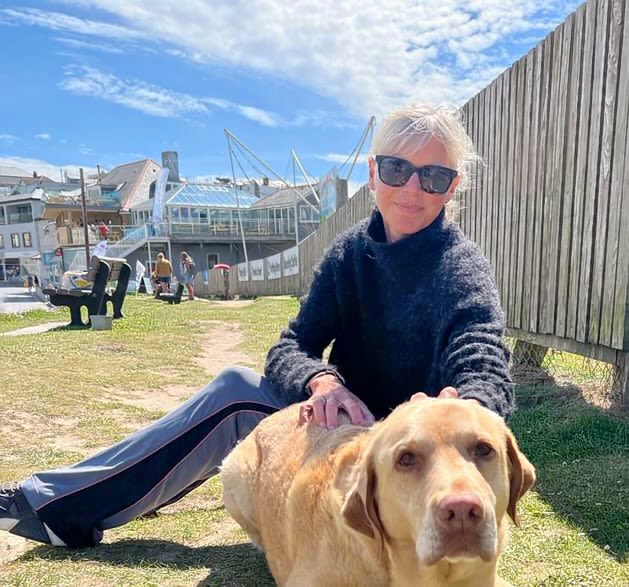

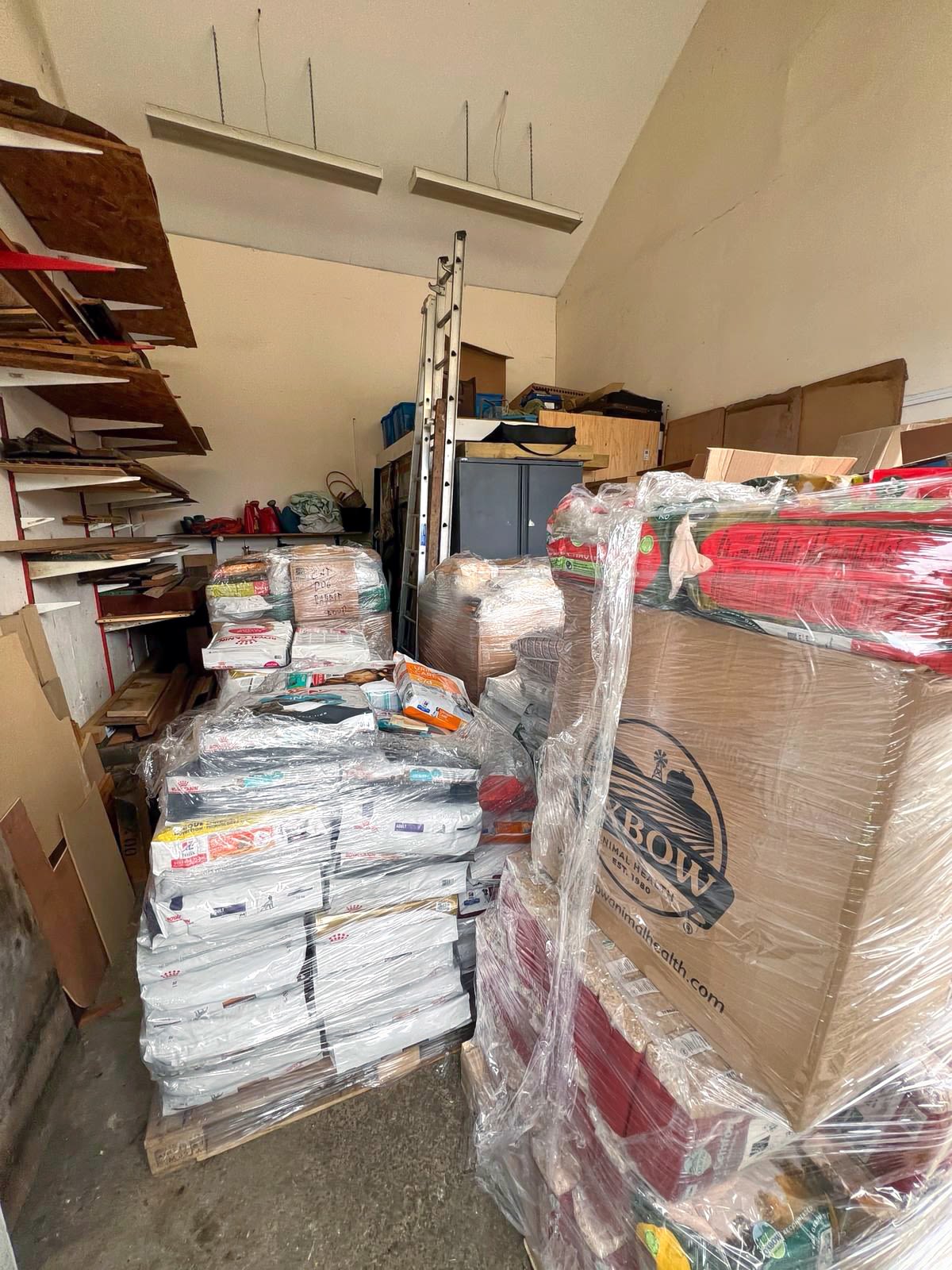
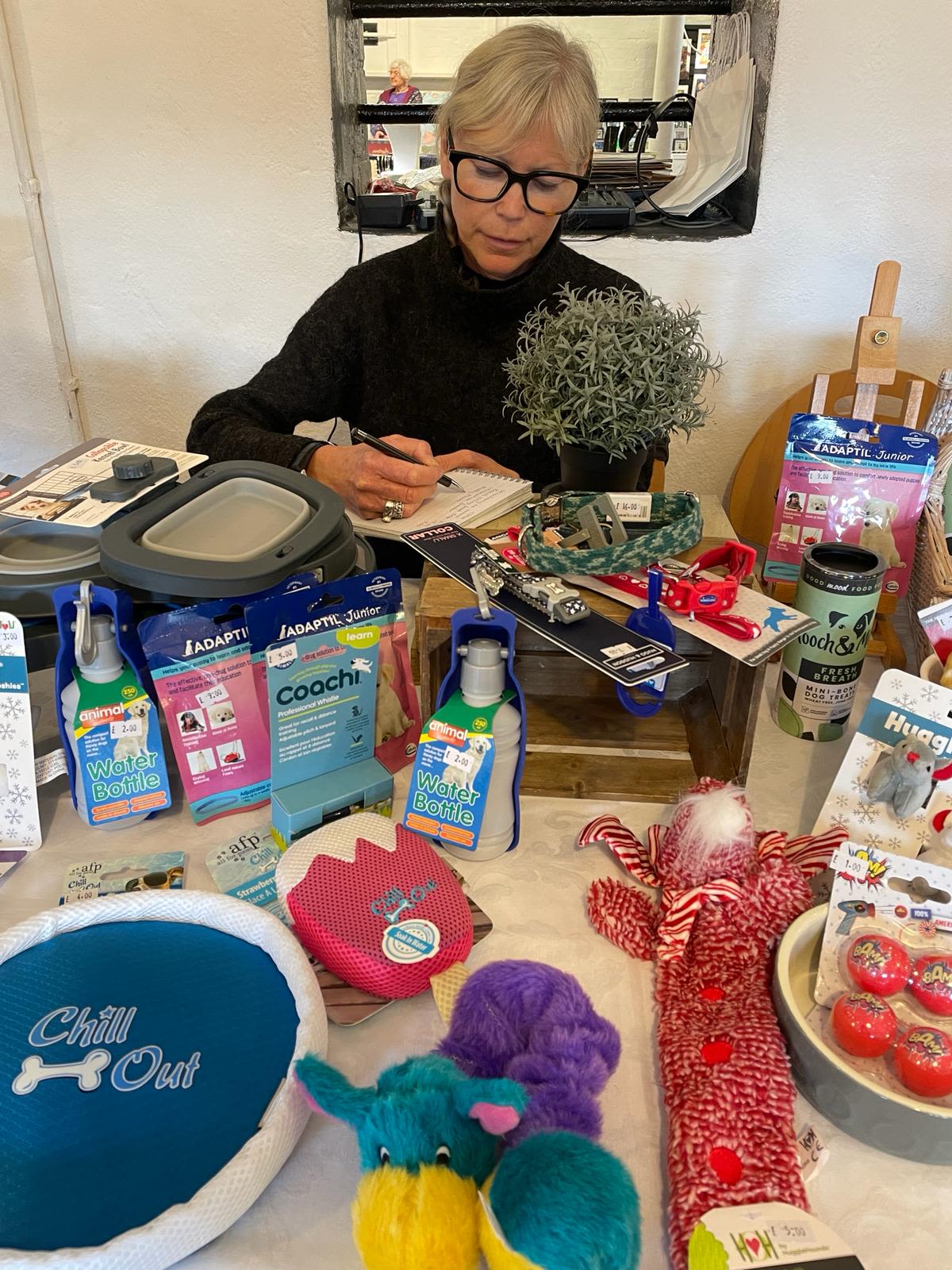

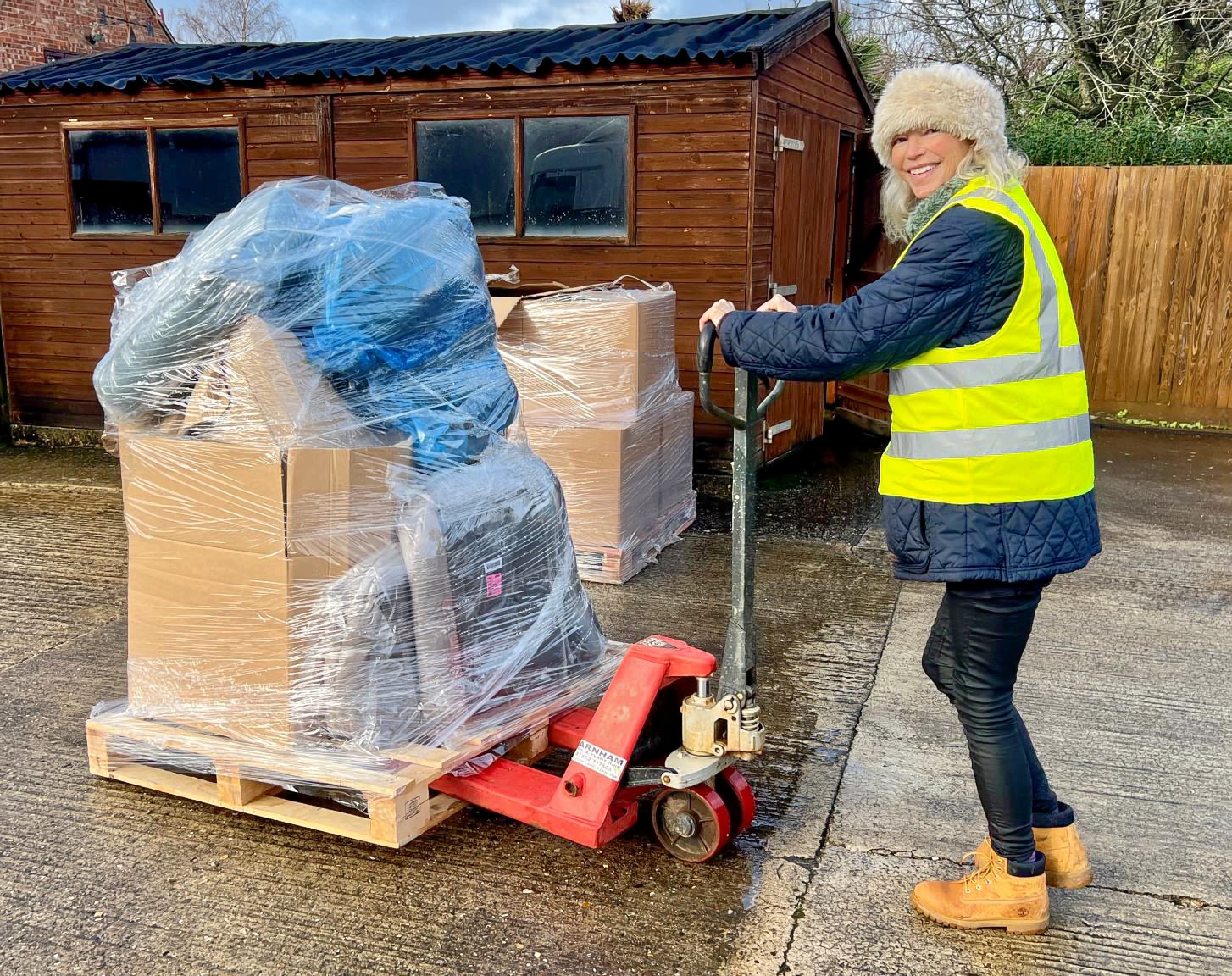
Emma moves donations ready to be shipped off to pets in need. Image Credit: Emma Williams
Emma moves donations ready to be shipped off to pets in need. Image Credit: Emma Williams

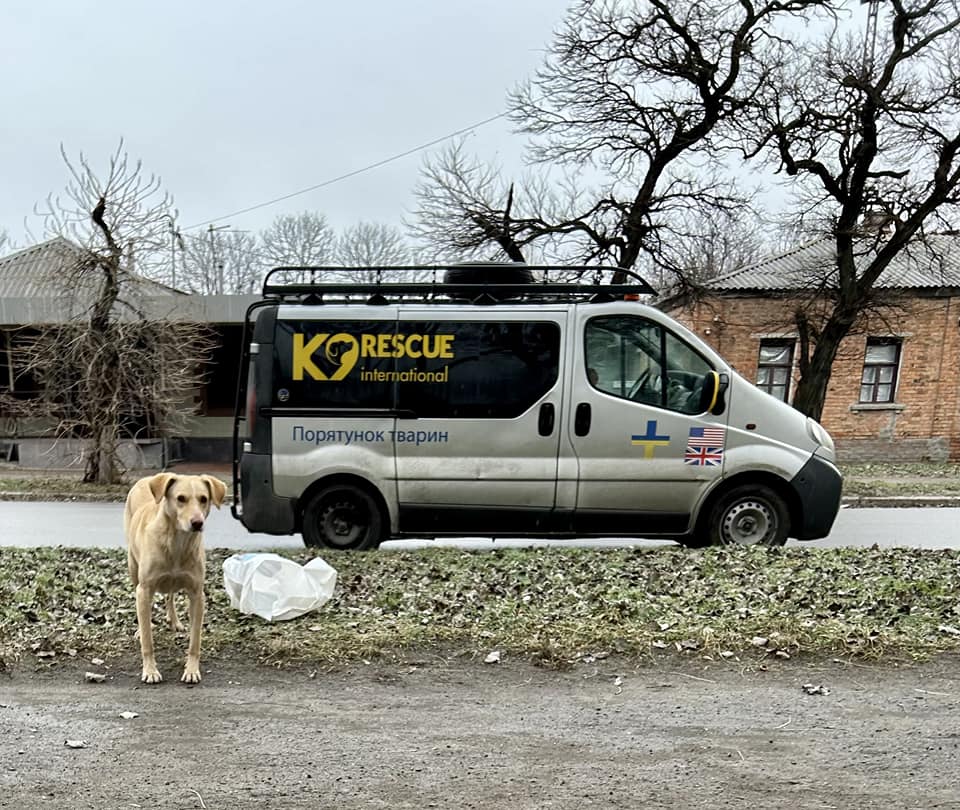
K9 Rescue International
“The meeting point was Przemyśl in Poland,” says Michelle Jones, founder of K9 Rescue International - a charity that works with sanctuaries to rehabilitate traumatised dogs and prepare them for adoption.
She adds: “Warehouses were leased or made available for free, so we sent aid out and hooked up with some individuals who were helping to get the aid into Ukraine.
“That was for the first six months, a real massive collective effort from animal rescue in the UK.”
The Shehyni-Medyka border crossing point is the closest point into Ukraine from Przemyśl, Poland. It takes 21 minutes by car and 31 minutes by public transport.
After moving to Bulgaria in 2005 and seeing the suffering of animals due to cruelty and neglect, Michelle started K9 Rescue International.
When it was clear the war would last longer than expected, the charity set up a war animal aid and rescue evacuation relief project.
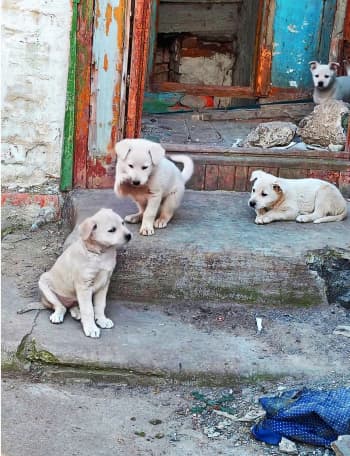
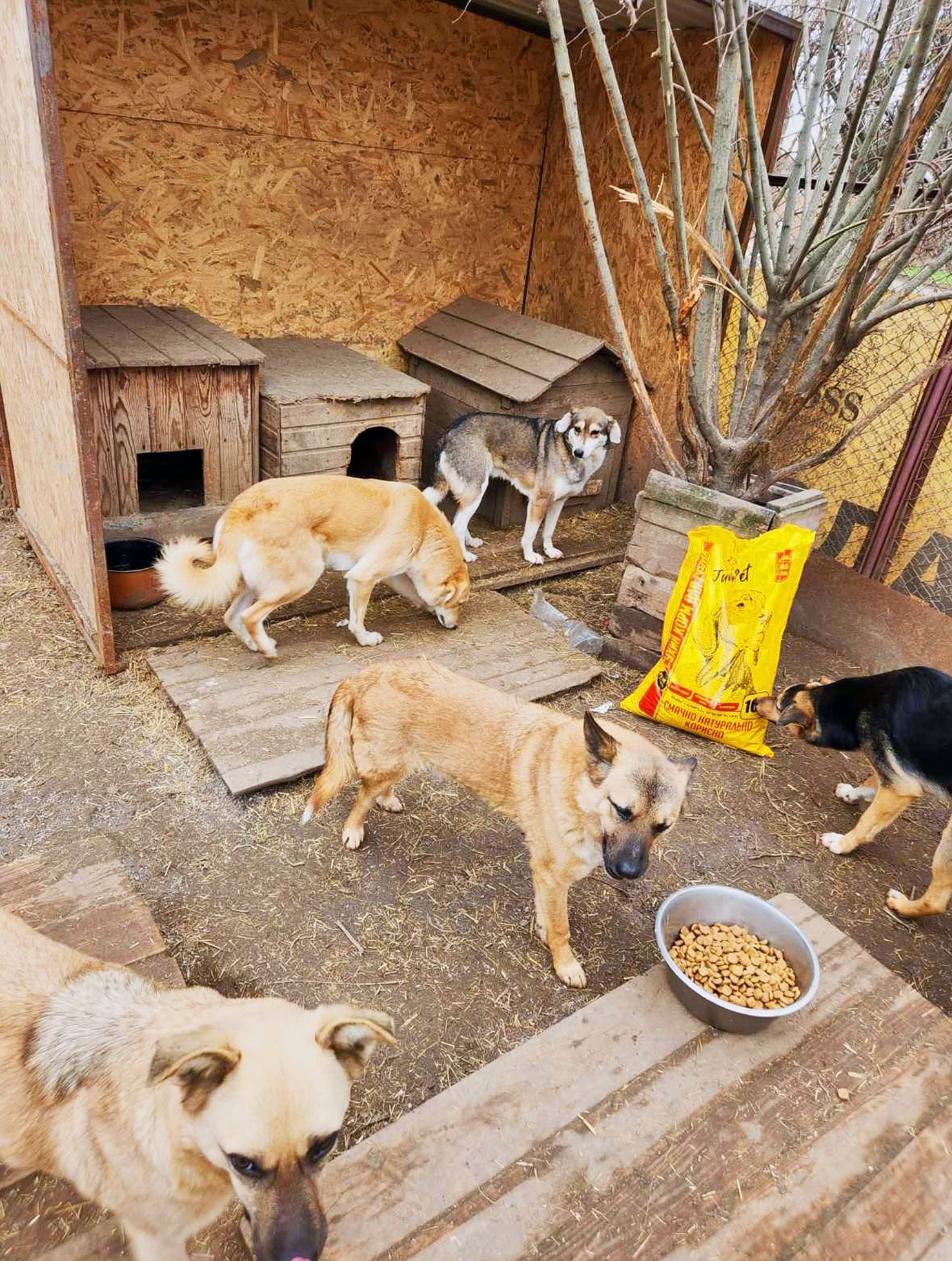
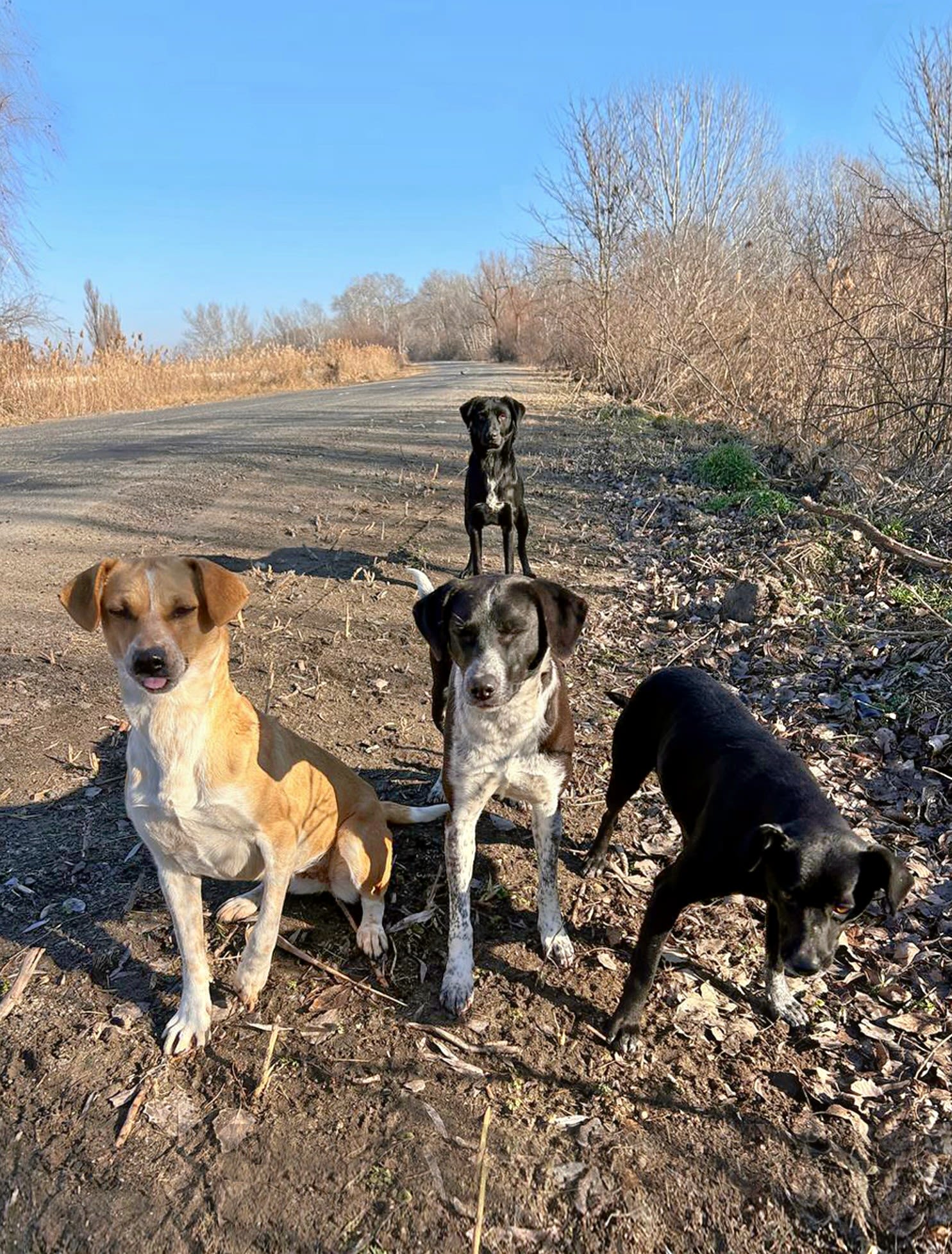
Initially, the project focused on providing vital resources - essential feed through programmes such as the charity’s ‘Frontline Feeding Programme’ where aid is delivered to the ‘hot zones’ of Ukraine, and through ‘Feed a Stray for a Day’ - providing feed to independent rescuers and shelter partners. As well as emergency veterinary care and organising animal evacuation to safer regions and assisting local communities.

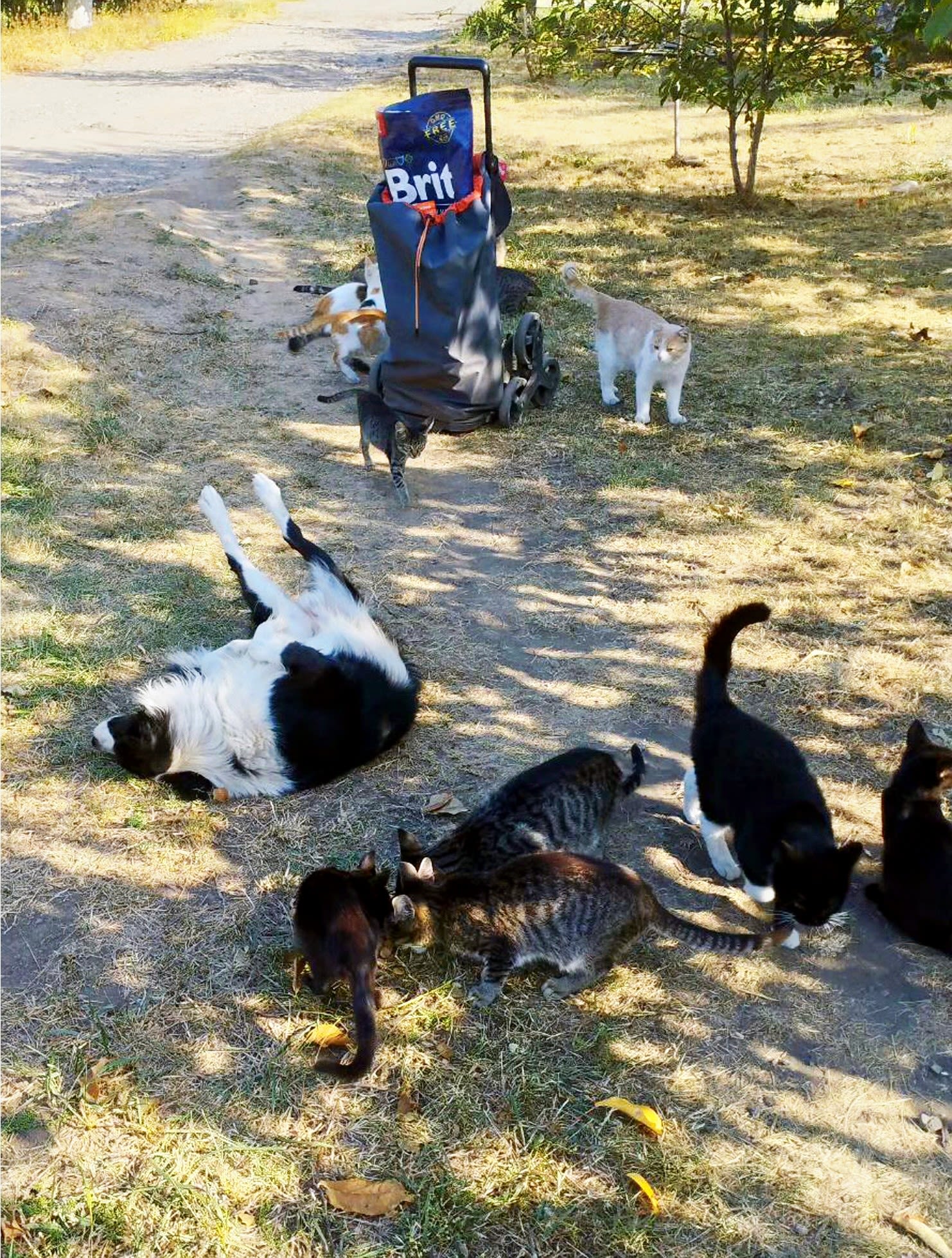
Stray cats and dogs are fed in Kramatorsk, where K9's Frontline Feeding Programme aids in the battle for survival. Image Credit: K9 Rescue International.
Stray cats and dogs are fed in Kramatorsk, where K9's Frontline Feeding Programme aids in the battle for survival. Image Credit: K9 Rescue International.
But a new challenge arose.
Michelle said: “Because of high costs very few people sterilise their animals, so you've got a mass abandonment of pets combined with no sterilisation.”
According to FOUR PAWS International, Ukraine had up to an estimated 200,000 dogs before the war - not including the number of cats.
“To be able to do a sterilisation week - 200 female dogs for example, would cost us $5,000 USD,” Michelle explains.
If the stray population is not brought under control, the authorities will step in and cull the animals.

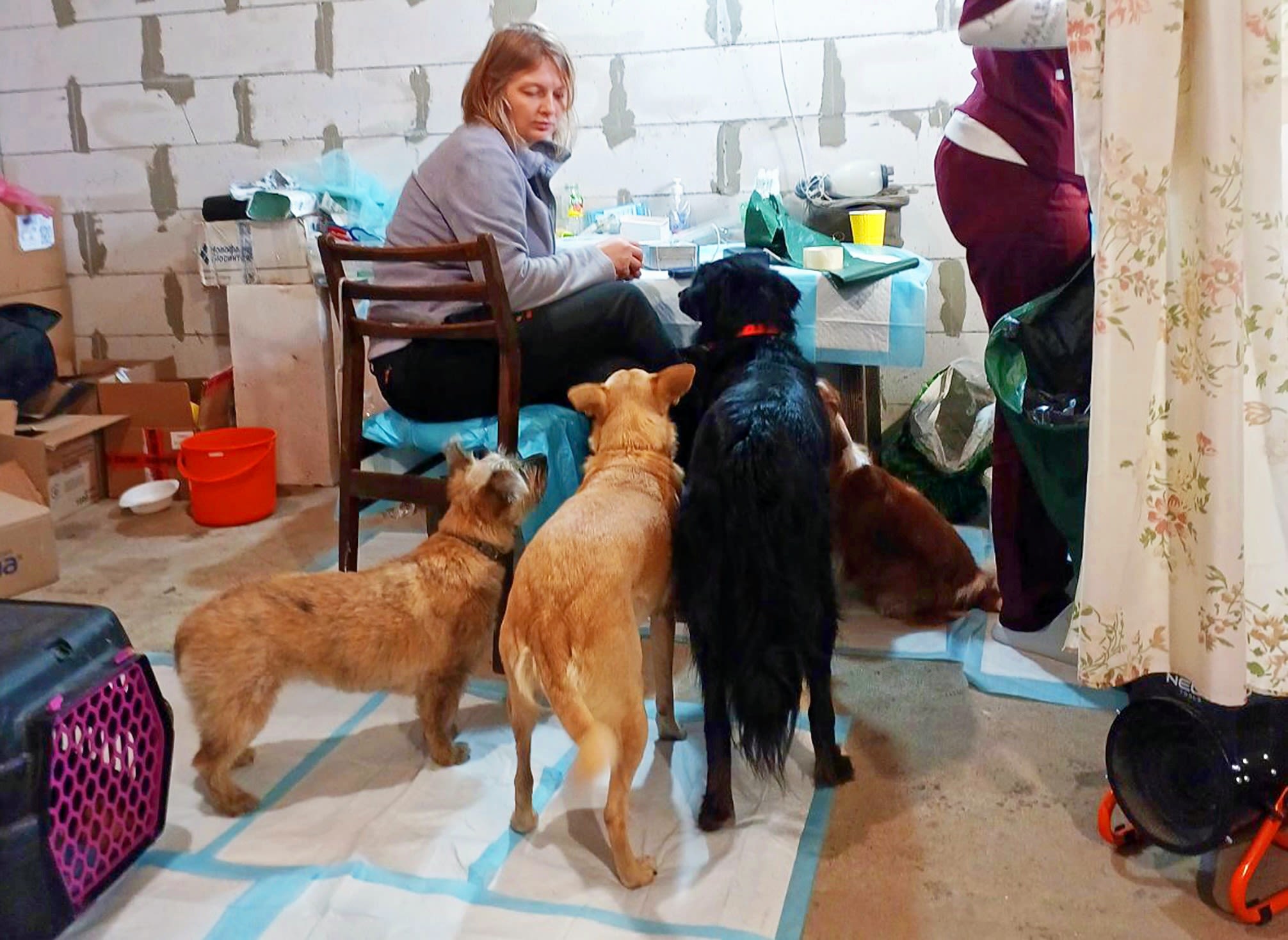
Curious patients line up at a recent K9 Rescue sterilisation event in Ukraine. Each one a step closer to life without having puppies born into hardship. Image Credit: K9 Rescue International
Curious patients line up at a recent K9 Rescue sterilisation event in Ukraine. Each one a step closer to life without having puppies born into hardship. Image Credit: K9 Rescue International
And the threat of having their pet put down saw many stay behind.
“People who haven't evacuated still have their dogs and cats and many of them live in the yard," Michelle says.
“With so many roaming intact animals, they just jump over the fence and mate.
“Unless we get on top of this situation, it's going to get completely out of control.”




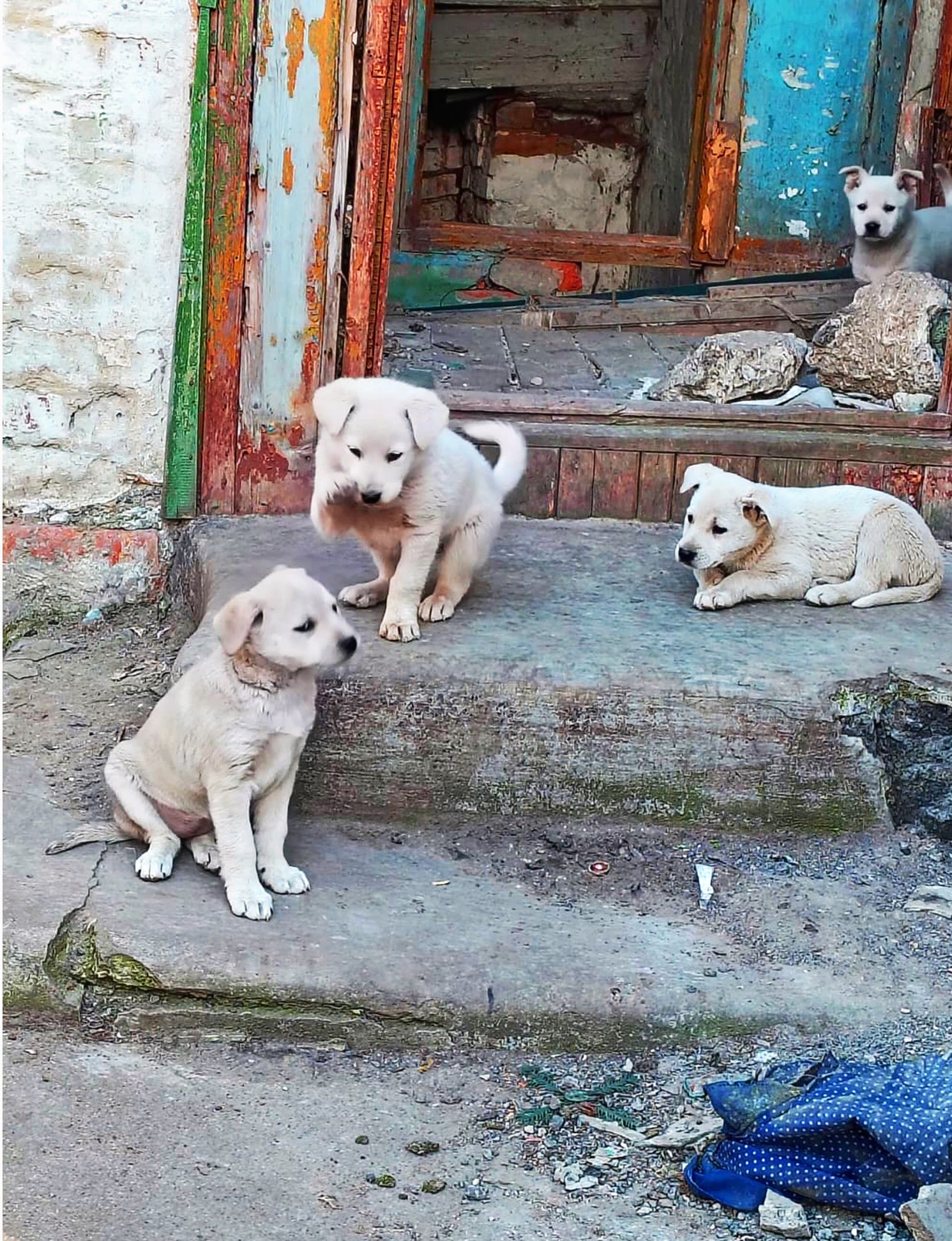
Footage of a six day sterilisation programme in the Odesa region of Ukraine. Around 298 animals were sterilised in an effort to help cut down Ukraine's growing stray population. Filmed by K9 Rescue International volunteers in Ukraine.
Footage of a six day sterilisation programme in the Odesa region of Ukraine. Around 298 animals were sterilised in an effort to help cut down Ukraine's growing stray population. Filmed by K9 Rescue International volunteers in Ukraine.
Success stories from K9's sterilisation programme

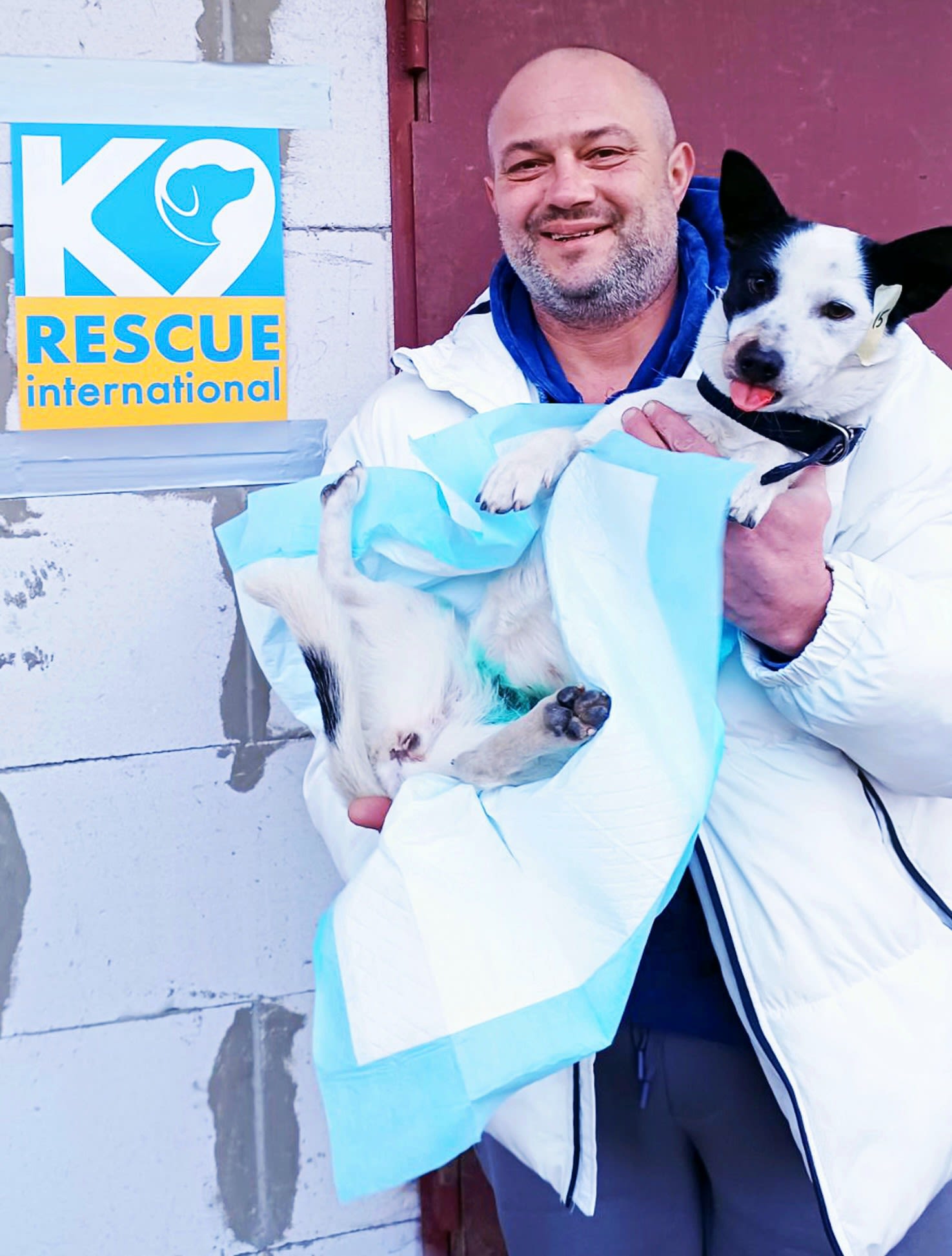
A pet owner holds his beloved pooch following sterilisation during one of K9 Rescue's recent campaigns in Ukraine. Image credit: K9 Rescue International
A pet owner holds his beloved pooch following sterilisation during one of K9 Rescue's recent campaigns in Ukraine. Image credit: K9 Rescue International

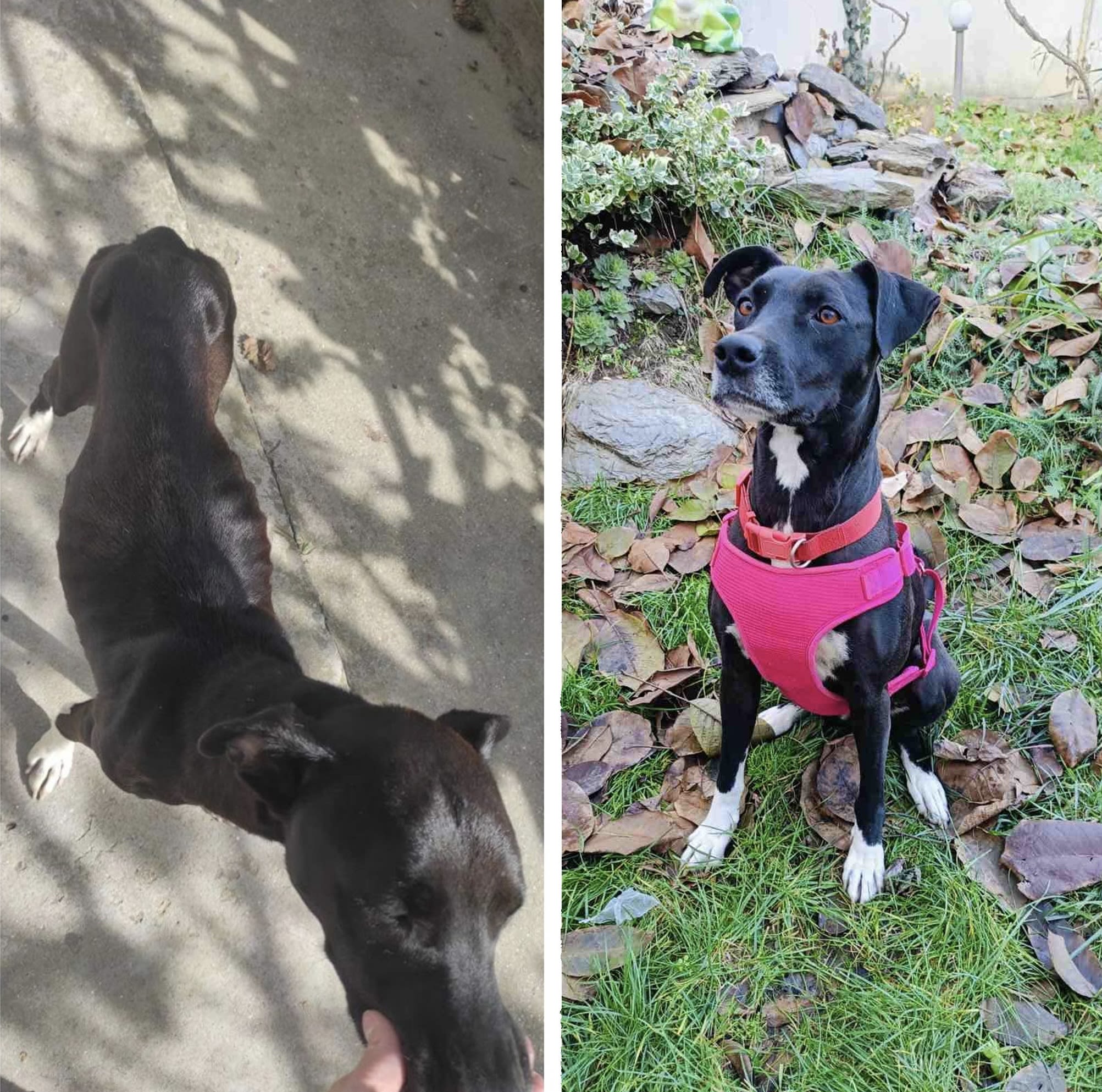
Naida, abandoned and starving on the streets - found love again, sterilisation helped make adoption possible. Image credit: K9 Rescue International
Naida, abandoned and starving on the streets - found love again, sterilisation helped make adoption possible. Image credit: K9 Rescue International

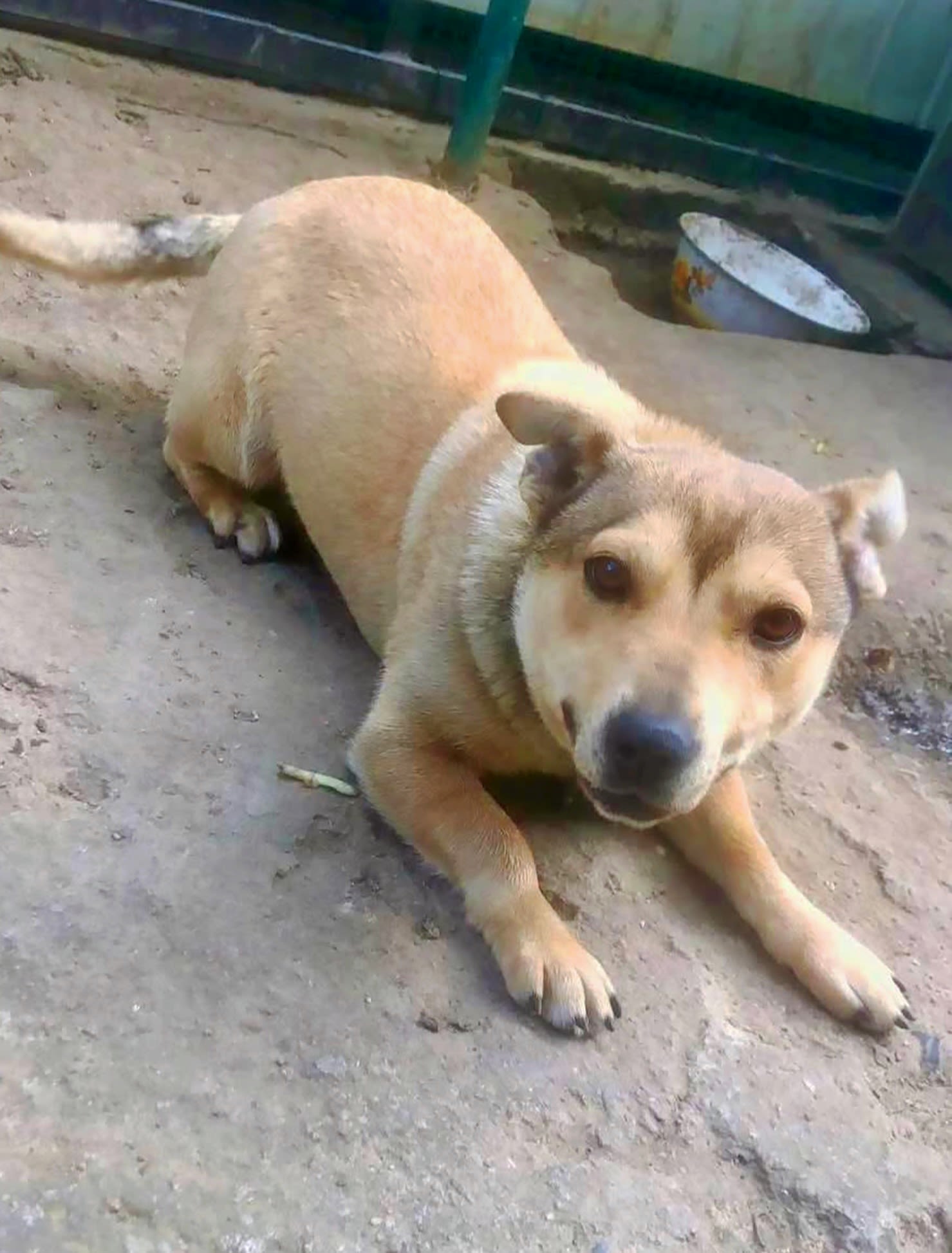
After being rescued by a soldier, Jessy found her forever home after sterilisation made her ready for adoption. Image credit: K9 Rescue International
After being rescued by a soldier, Jessy found her forever home after sterilisation made her ready for adoption. Image credit: K9 Rescue International

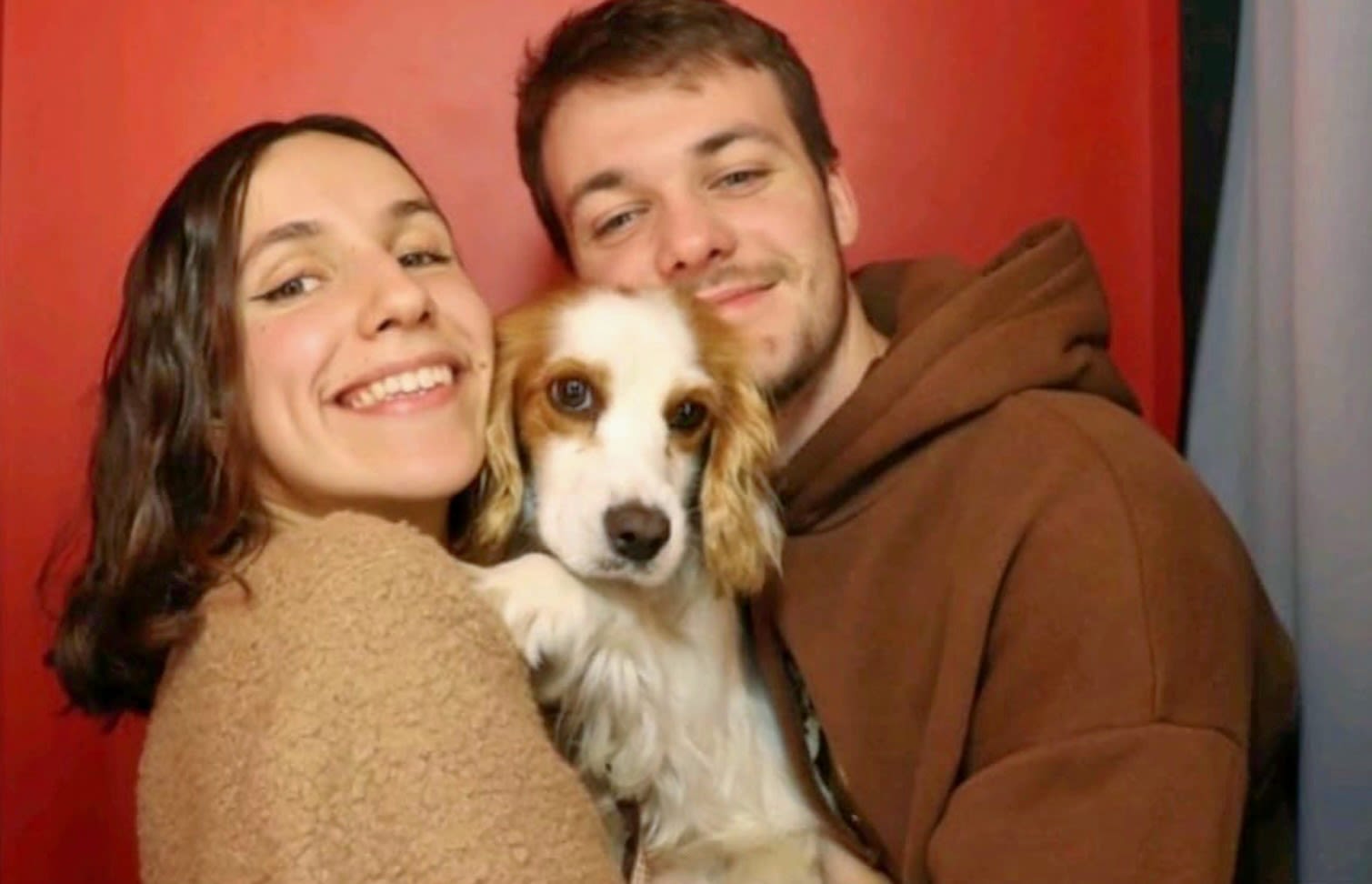
Sobanya was found abandoned - now, after her spay, she's living like a princess with her loving adopters in Kyiv. Image credit: K9 Rescue International
Sobanya was found abandoned - now, after her spay, she's living like a princess with her loving adopters in Kyiv. Image credit: K9 Rescue International

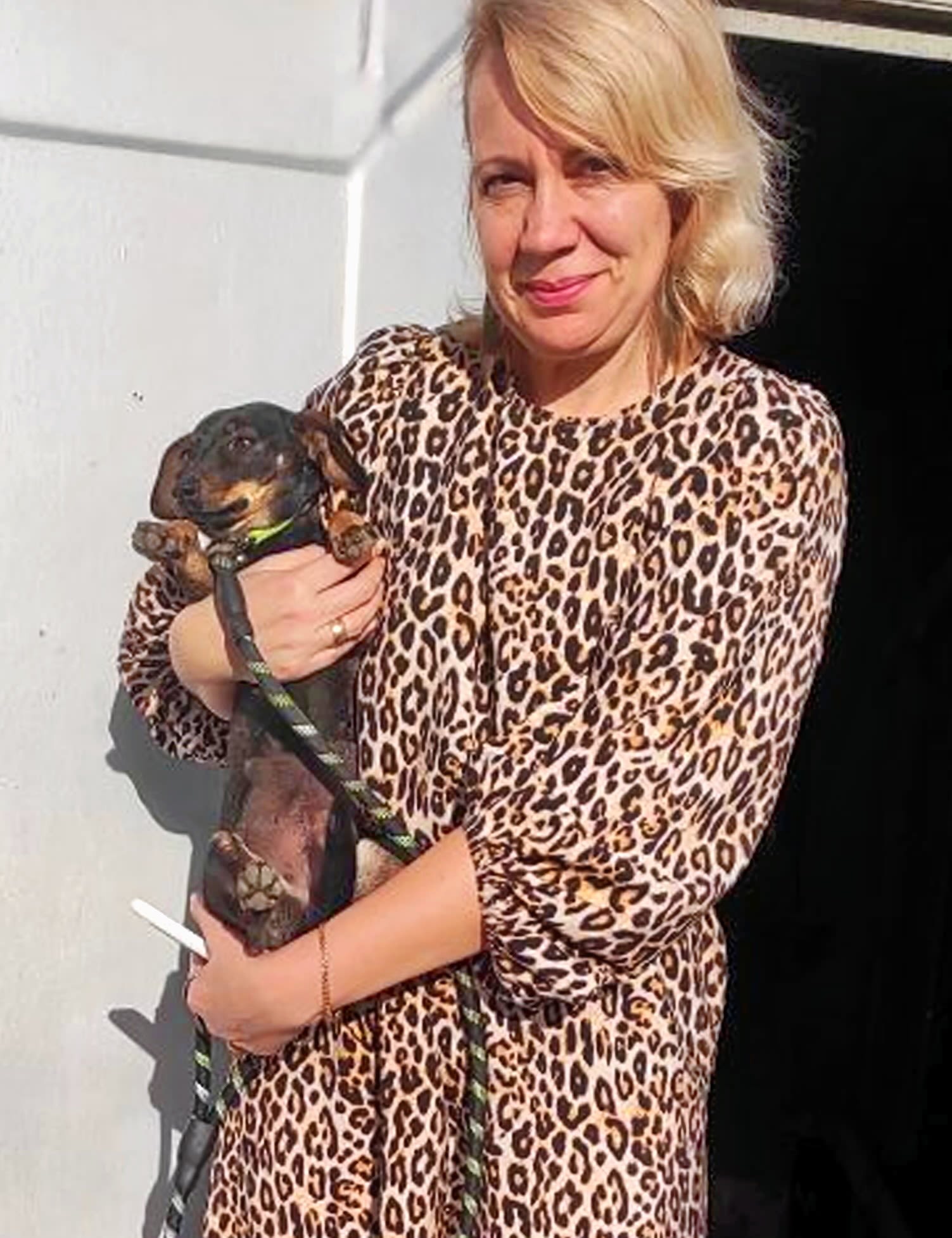
Found in an industrial zone, tiny Tsybul'ka (Little Onion), was clearly no stray and was adopted the moment she was spayed. Image credit: K9 Rescue International
Found in an industrial zone, tiny Tsybul'ka (Little Onion), was clearly no stray and was adopted the moment she was spayed. Image credit: K9 Rescue International

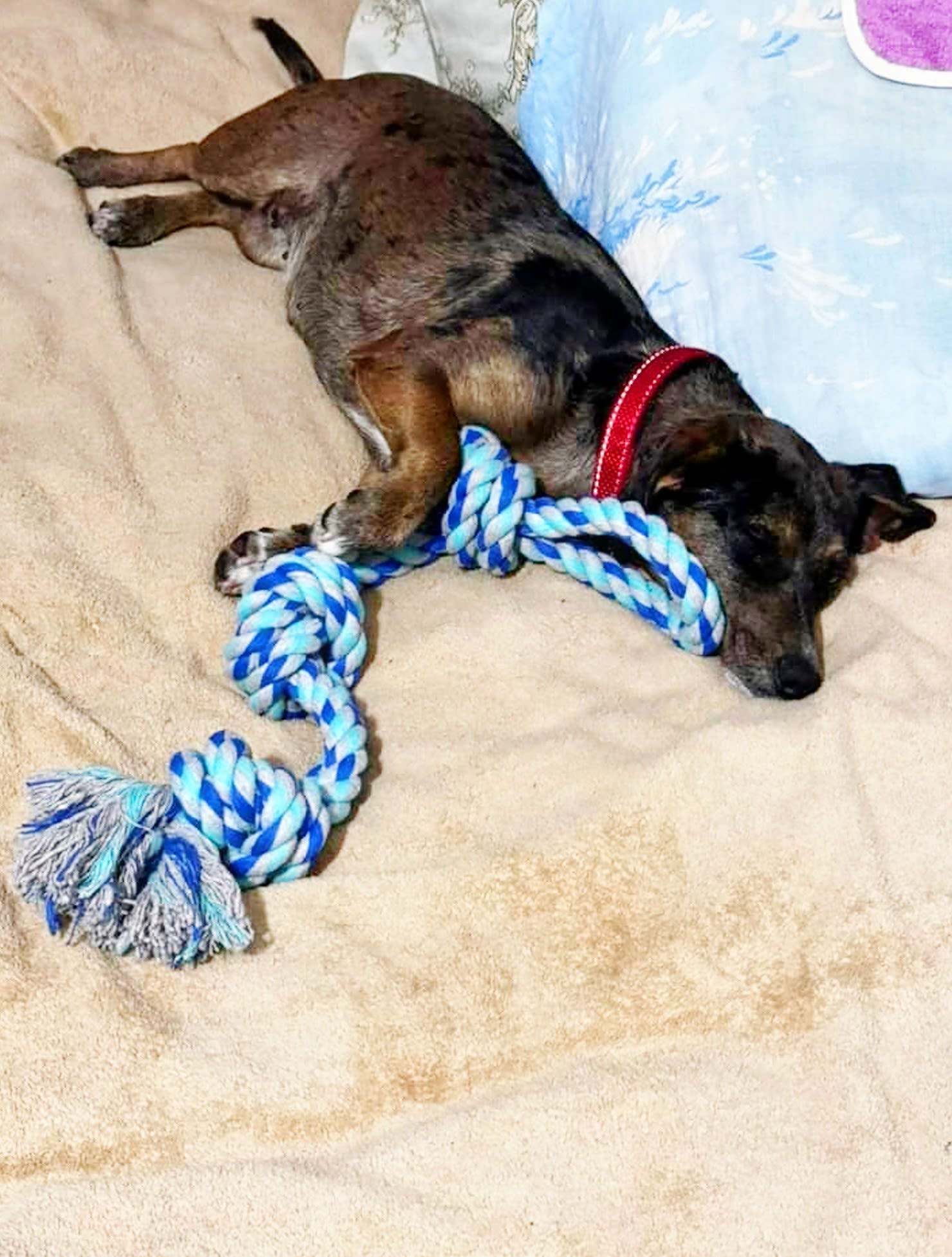
Once a stray and mother, Poppy was caught for sterilisation - her gentle nature won her a home the moment she recovered. Image credit: K9 Rescue International
Once a stray and mother, Poppy was caught for sterilisation - her gentle nature won her a home the moment she recovered. Image credit: K9 Rescue International

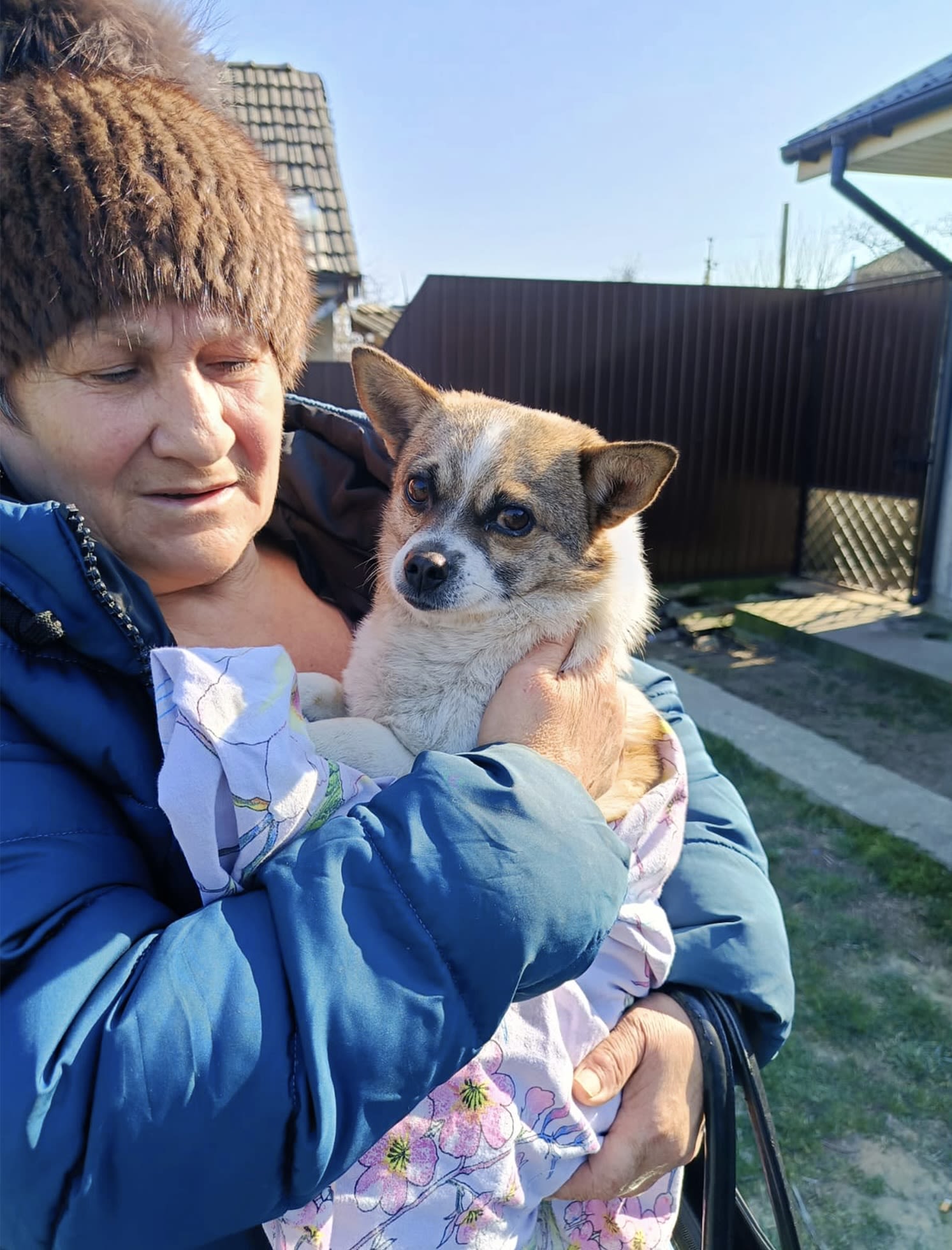
A worried owner holds her beloved canine while waiting to be spayed at one of K9's spay events for low income families. Image credit: K9 Rescue International
A worried owner holds her beloved canine while waiting to be spayed at one of K9's spay events for low income families. Image credit: K9 Rescue International

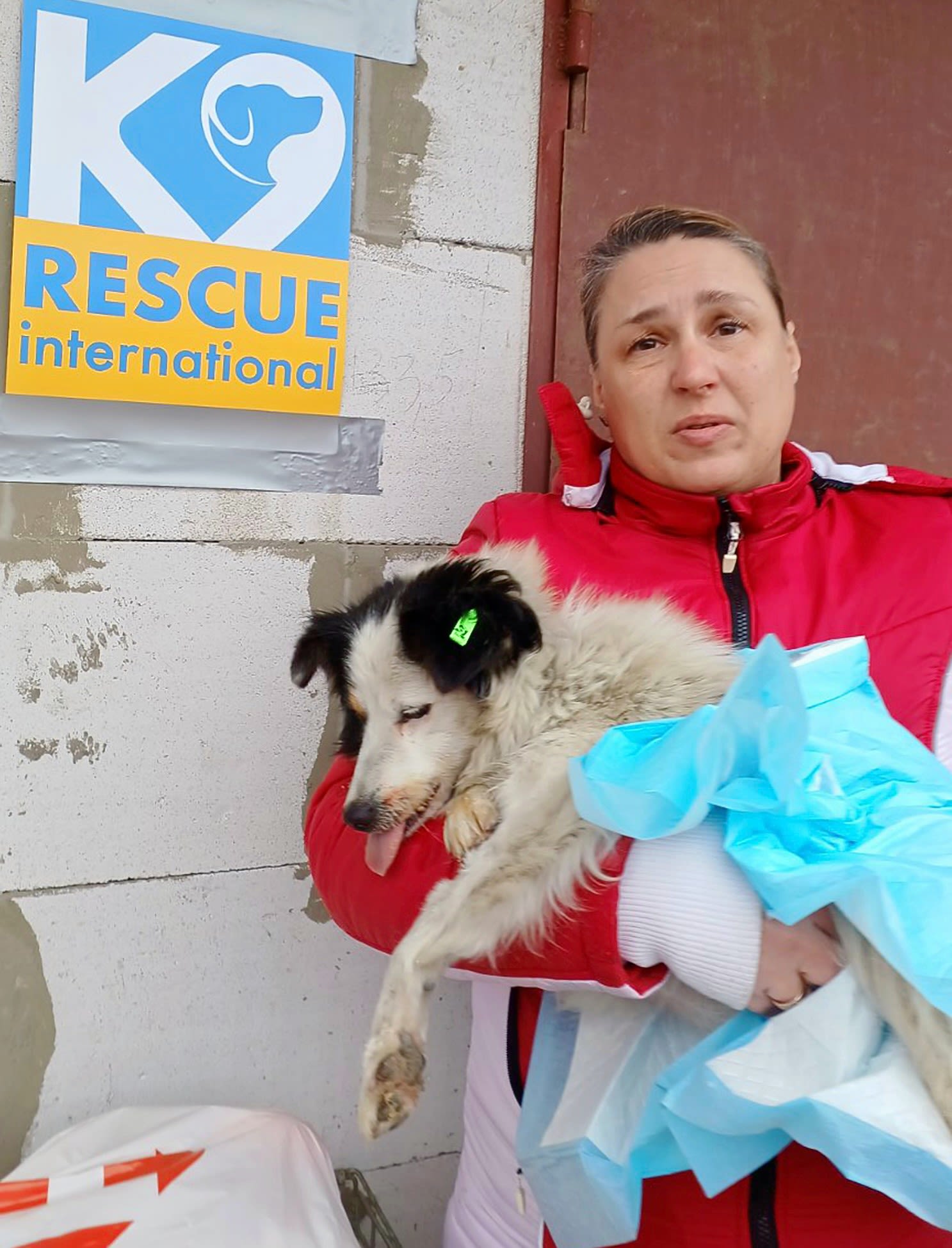
An owner comforts her dog post-spay, sterilised under K9 Rescue's 'spray's for low income families' initiative. Image credit: K9 Rescue International
An owner comforts her dog post-spay, sterilised under K9 Rescue's 'spray's for low income families' initiative. Image credit: K9 Rescue International

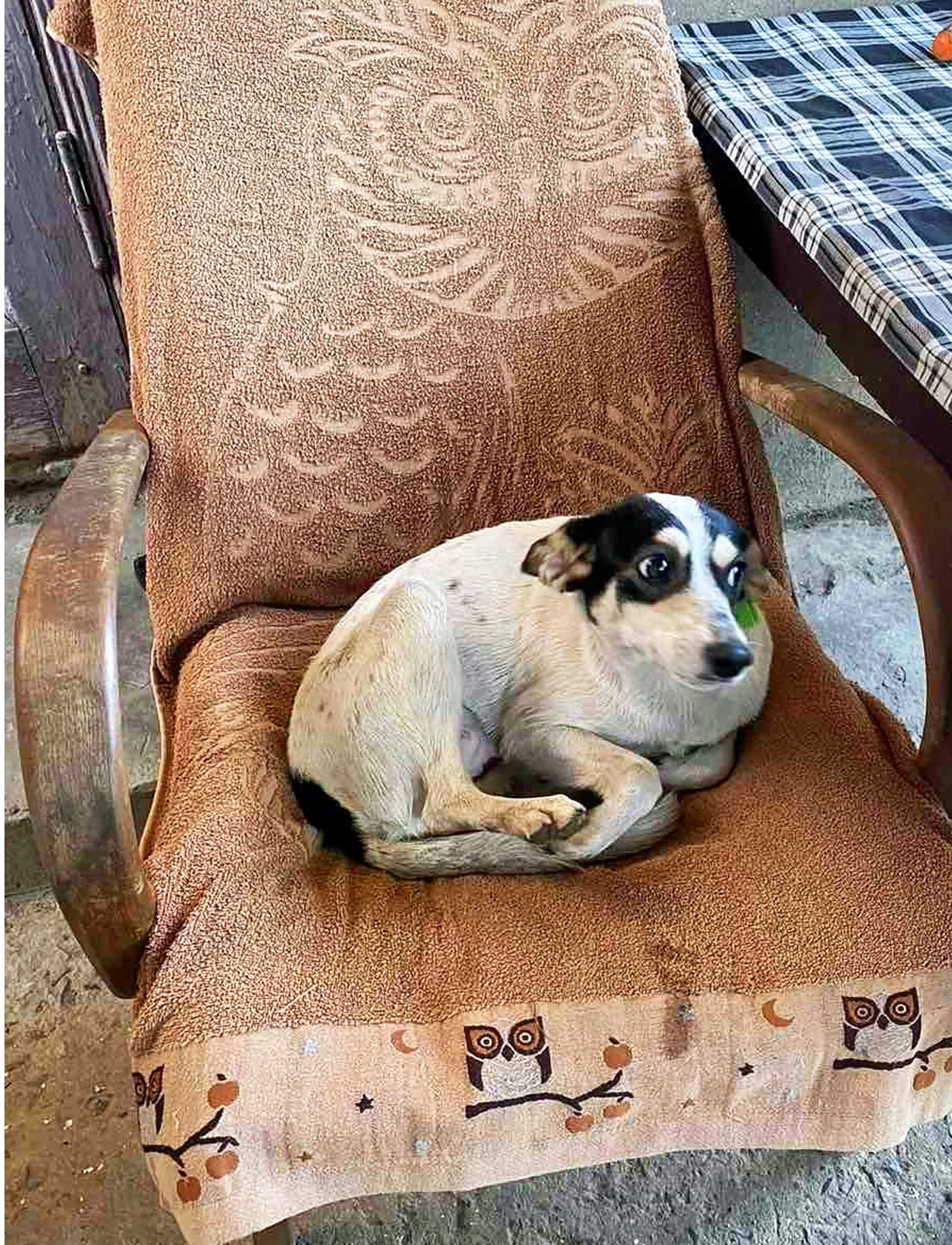
Picked up for sterilisation, Happy was adopted the very next day! She climbed onto a chair like she had always lived there. Image credit: K9 Rescue International
Picked up for sterilisation, Happy was adopted the very next day! She climbed onto a chair like she had always lived there. Image credit: K9 Rescue International

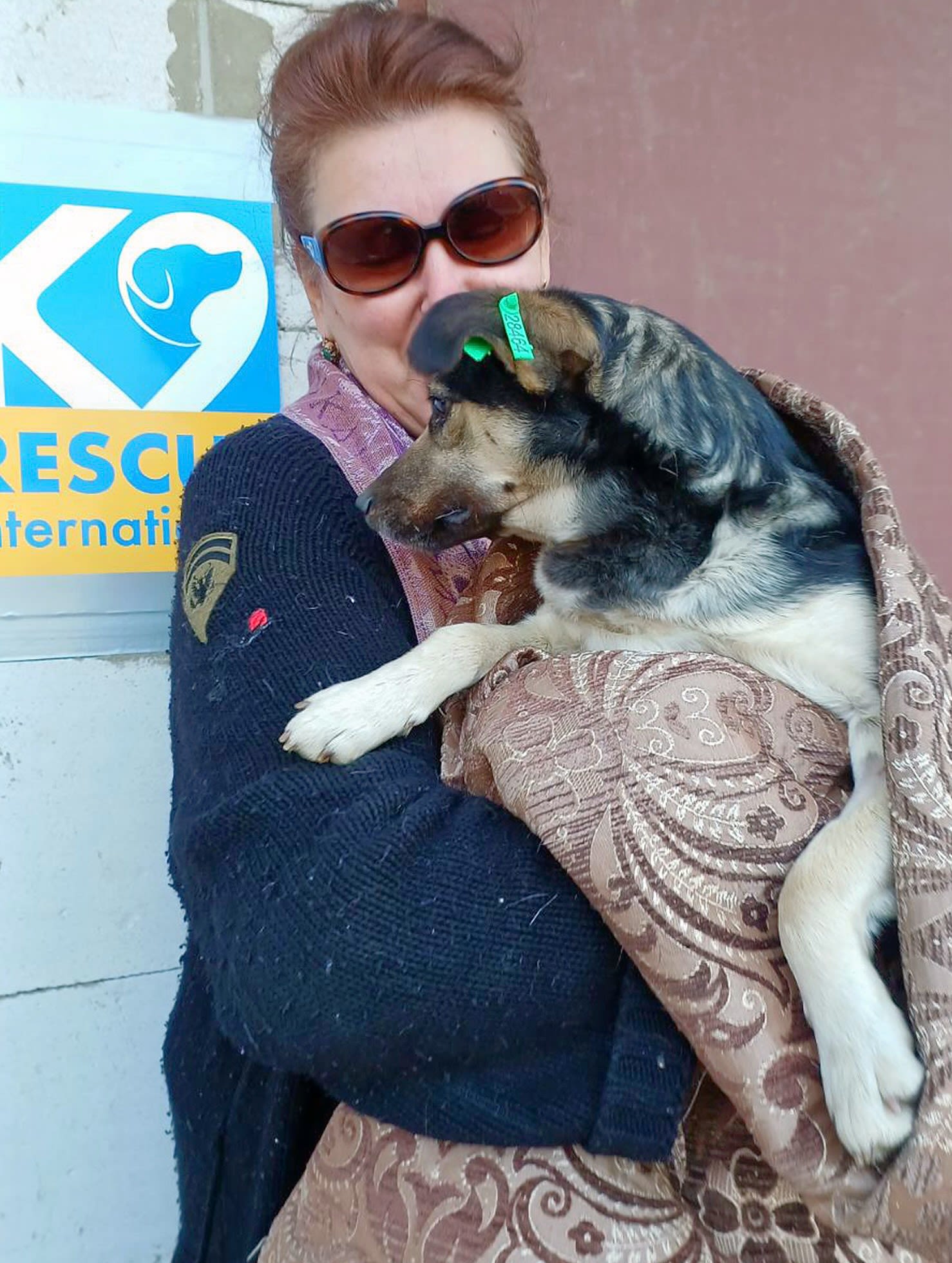
A thrilled owner cuddles her dog after it was spayed at one of K9's spay days for low income families. Image credit: K9 Rescue International
A thrilled owner cuddles her dog after it was spayed at one of K9's spay days for low income families. Image credit: K9 Rescue International
Aid Ukraine UK
“The cats came with notes on the carriers”, describes Katarzyna Bylok, founder and director of Aid Ukraine UK.
“They rang up the number that was attached to the carrier and the owner was absolutely in tears.
“The woman from the shelter said ‘I've got three’.
“Owner says there were ten."

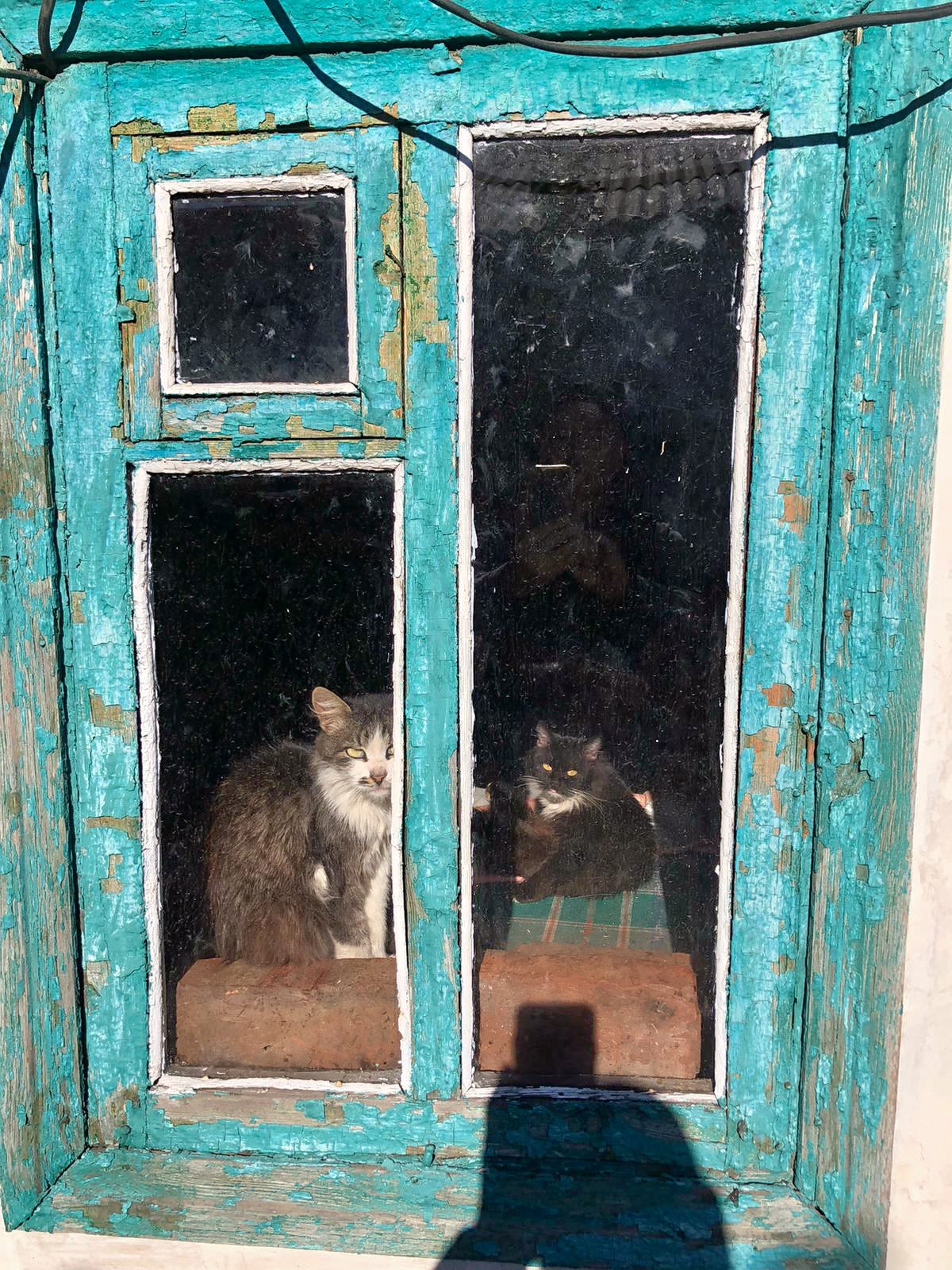
It is one of many stories that Katarzyna has come across in her work at Aid Ukraine Aid, which was created in response to the Russian invasion of Ukraine. As well as animals, the organisation provides humanitarian aid to those affected by the conflict, focusing on both civilian and military support.
Yet, reuniting pets with their owners is not as simple as it seems.
“Volunteers have been killed trying to rescue abandoned pets."

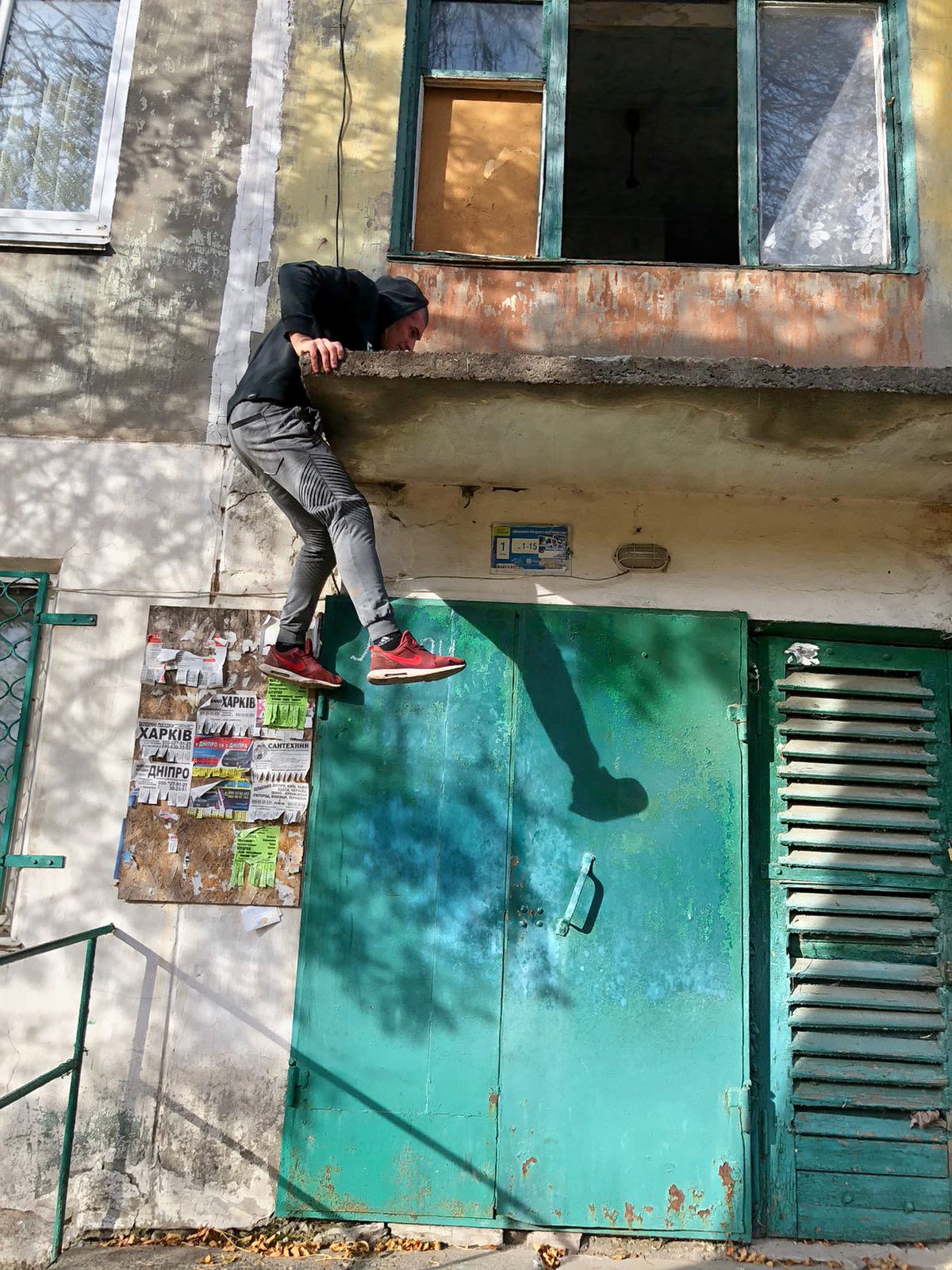
“There was a situation in Makariv in a vet clinic - they were using it as a bomb shelter, but it was still a functional vet clinic.
“The whole clinic blew up this woman’s dog that was on a drip and it was never found.
“About three weeks later, she adopted this other dog because she remembered that one being in the clinic next to hers.”

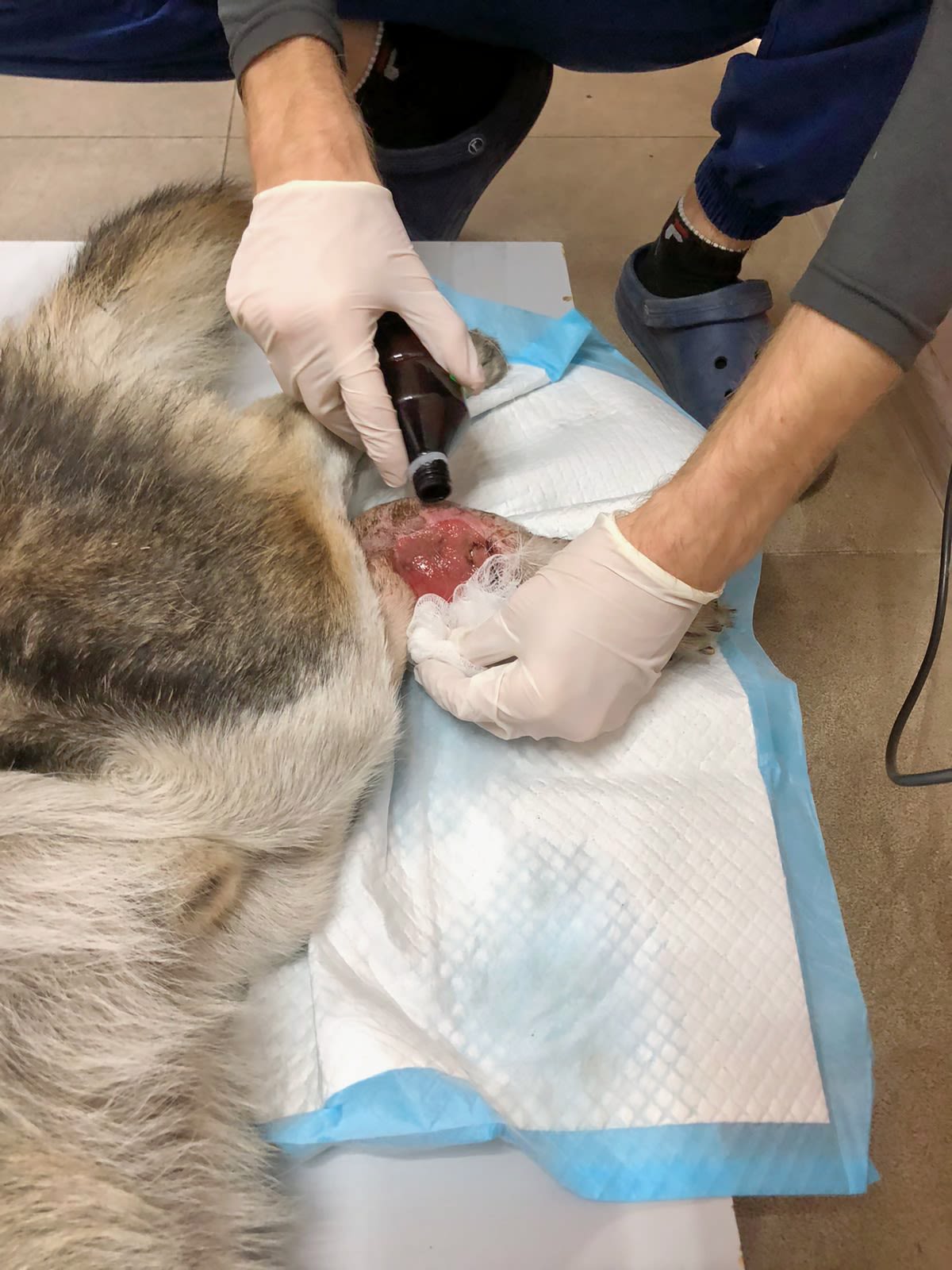
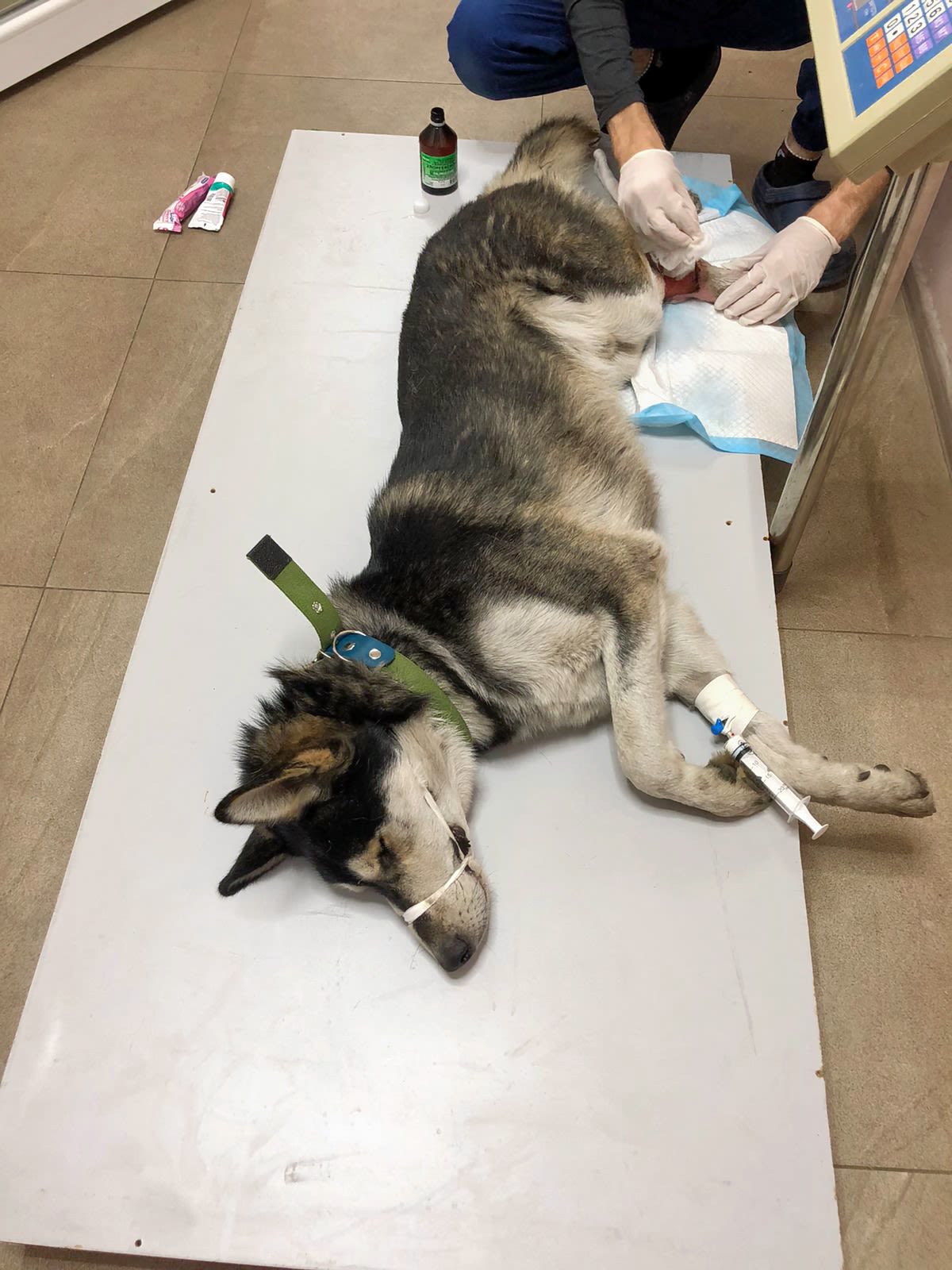
A dog's wound is treated. Image Credit: Aid Ukraine UK
A dog's wound is treated. Image Credit: Aid Ukraine UK
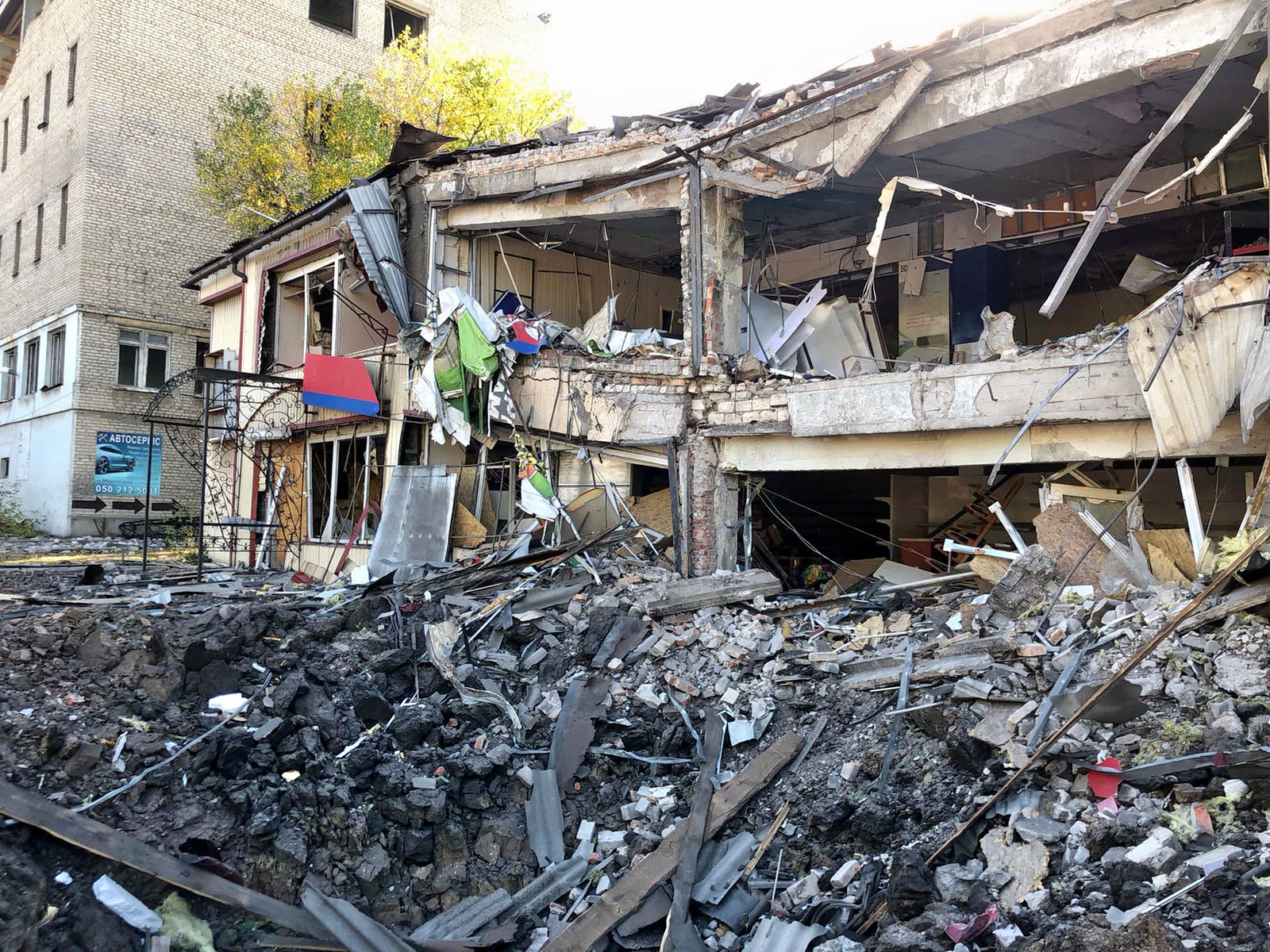
Animal shelters (such as the one pictured in the Kharkiv region) and vet clinics have been caught in the waves of Russian attacks.
Under Ukrainian law, animals should be kept for a minimum of two months to allow the owner to find their pet.
Katarzyna explains: “We had a cat in mid-last year and I thought that cat must definitely have an owner because it's a pedigree cat.
“We found out she was actually forced to abandon her cat, so we reunited her with it.
“Reunification of pets probably constitutes somewhere between 10 to 20 per cent and some happen two years later.”
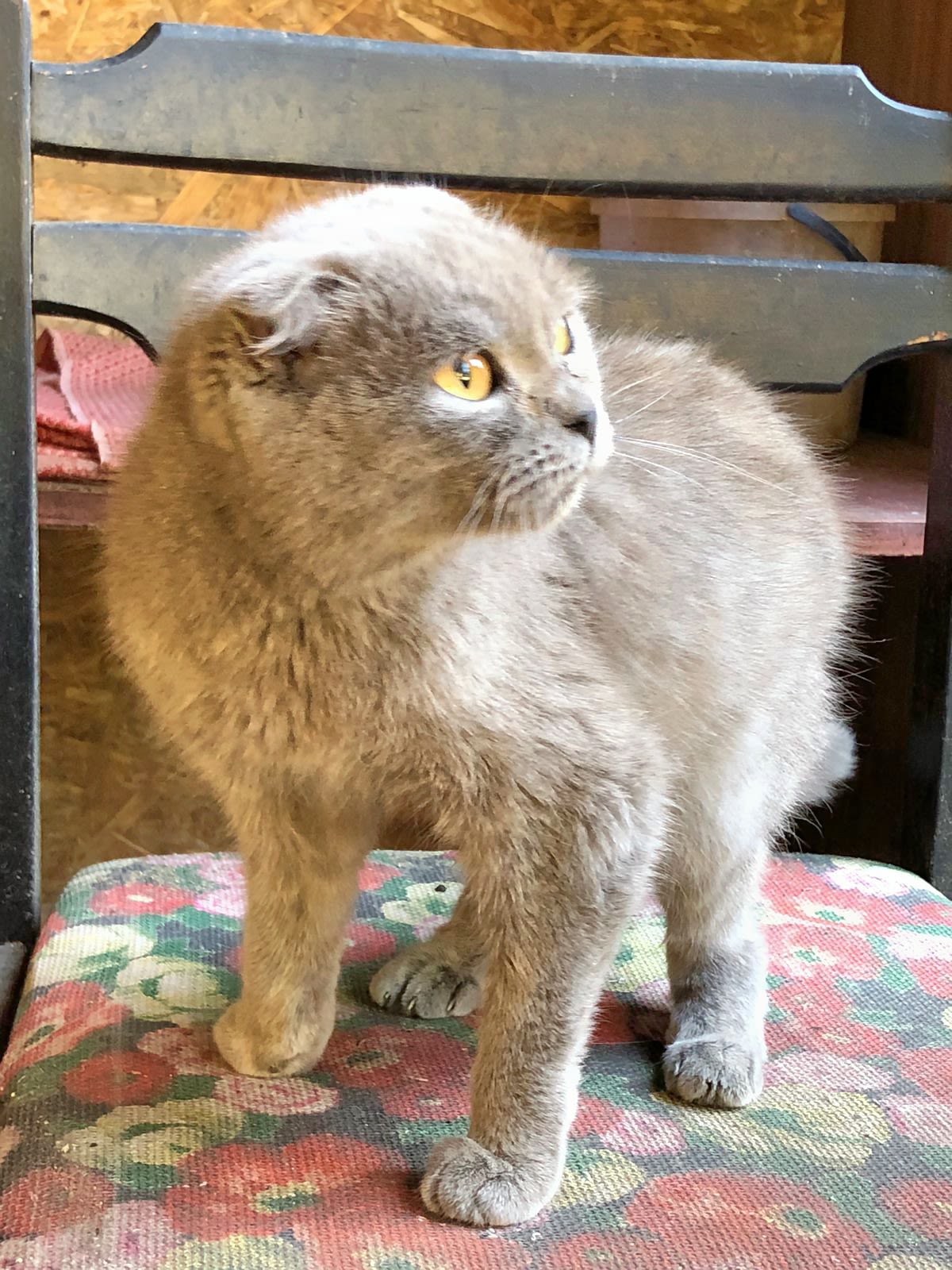
Image Credit: Aid Ukraine UK
Image Credit: Aid Ukraine UK
This owner and her dog were reunited thanks to the efforts of Aid Ukraine UK volunteers, after the owner had left her pet with a neighbour after evacuating Myrnohrad. In autumn 2024, volunteers rescued 350 animals from the city. Footage credit to Aid Ukraine UK
This owner and her dog were reunited thanks to the efforts of Aid Ukraine UK volunteers, after the owner had left her pet with a neighbour after evacuating Myrnohrad. In autumn 2024, volunteers rescued 350 animals from the city. Footage credit to Aid Ukraine UK
Then there is what happened in Borodyanka in April 2022 ...

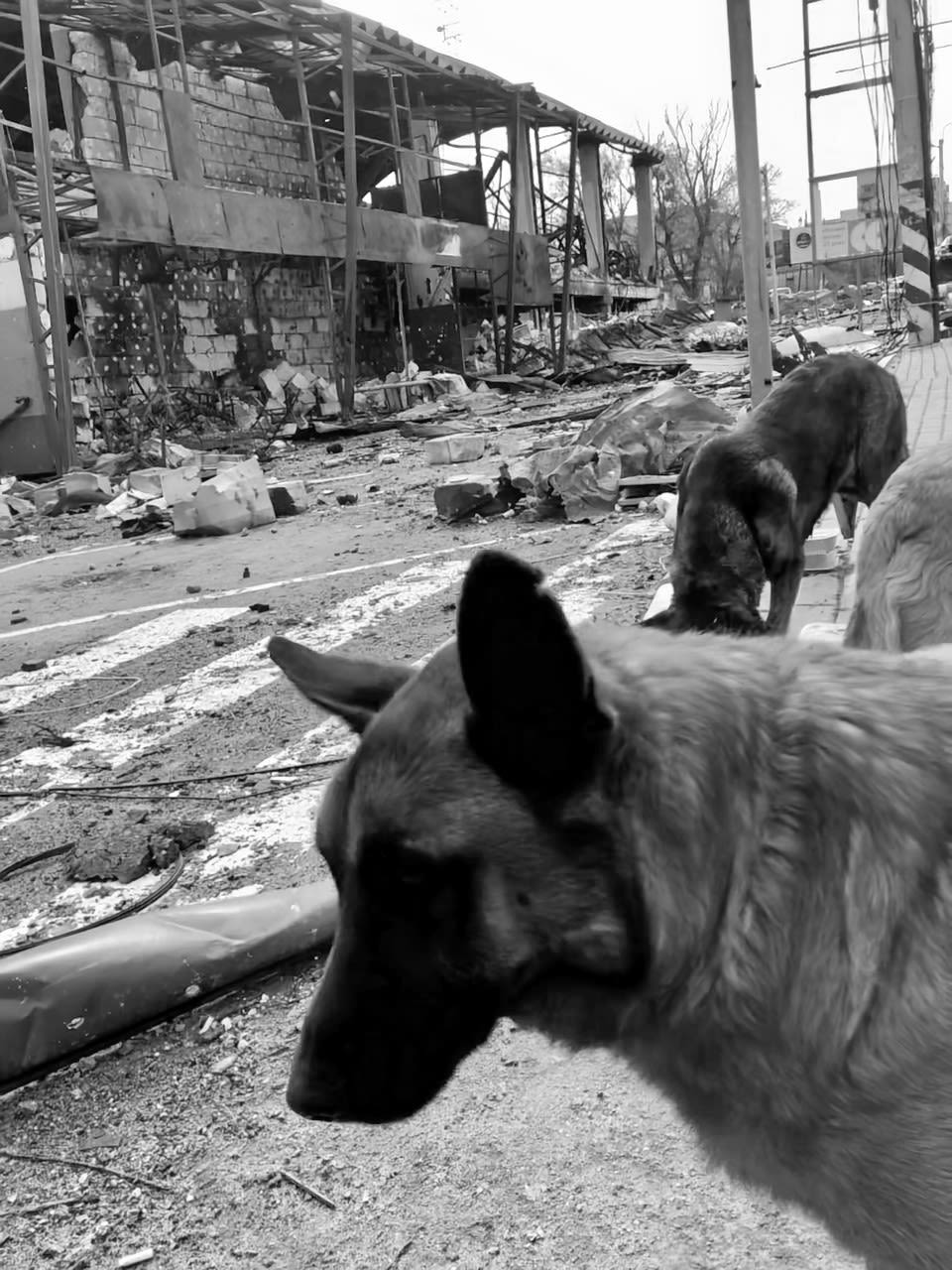
At the beginning of the war, the town was occupied by Russia for more than a month.
At a government run animal shelter, more than 400 dogs were left without food and water due to Natalia Mazur, director of the Kyiv City Veterinary Hospital, which owns the shelter.
Katarzyna explains: “Over 50 per cent of the dogs were dead, yet in the storage area, there was enough food to feed them.
“Natalia Mazur turned up the following day on her social media.
“She said, ‘we've been to the shelter and it's unfortunate some have died etc.
“She turned up the next day with about ten cages and a couple of vets to kill the other animals.
“We instructed the volunteers that under certain articles and laws of Ukraine they can do a citizen intervention.
“Because there was a group of 20 volunteers that were willing to eat her alive, she left."
“It was like an animal Auschwitz, piles and piles of dead bodies.”
Trigger warning
This video contains graphic and distressing footage from the first day when volunteers entered the shelter.
But where there is loss, there is hope
A volunteer managed to wedge the door open and feed a trapped kitten, eventually getting her out and she now has a happy home. Image Credit: Aid Ukraine UK
A volunteer managed to wedge the door open and feed a trapped kitten, eventually getting her out and she now has a happy home. Image Credit: Aid Ukraine UK
Feldman Ecopark in Kharkiv. Aid Ukraine UK persuaded to the relevant authorities to open the re-open the park as the non-profit no longer had anywhere to place animals. Volunteers filled the place with evacuated cats, dogs and goats from Myrnohrad. Image Credit: Aid Ukraine UK
Feldman Ecopark in Kharkiv. Aid Ukraine UK persuaded to the relevant authorities to open the re-open the park as the non-profit no longer had anywhere to place animals. Volunteers filled the place with evacuated cats, dogs and goats from Myrnohrad. Image Credit: Aid Ukraine UK
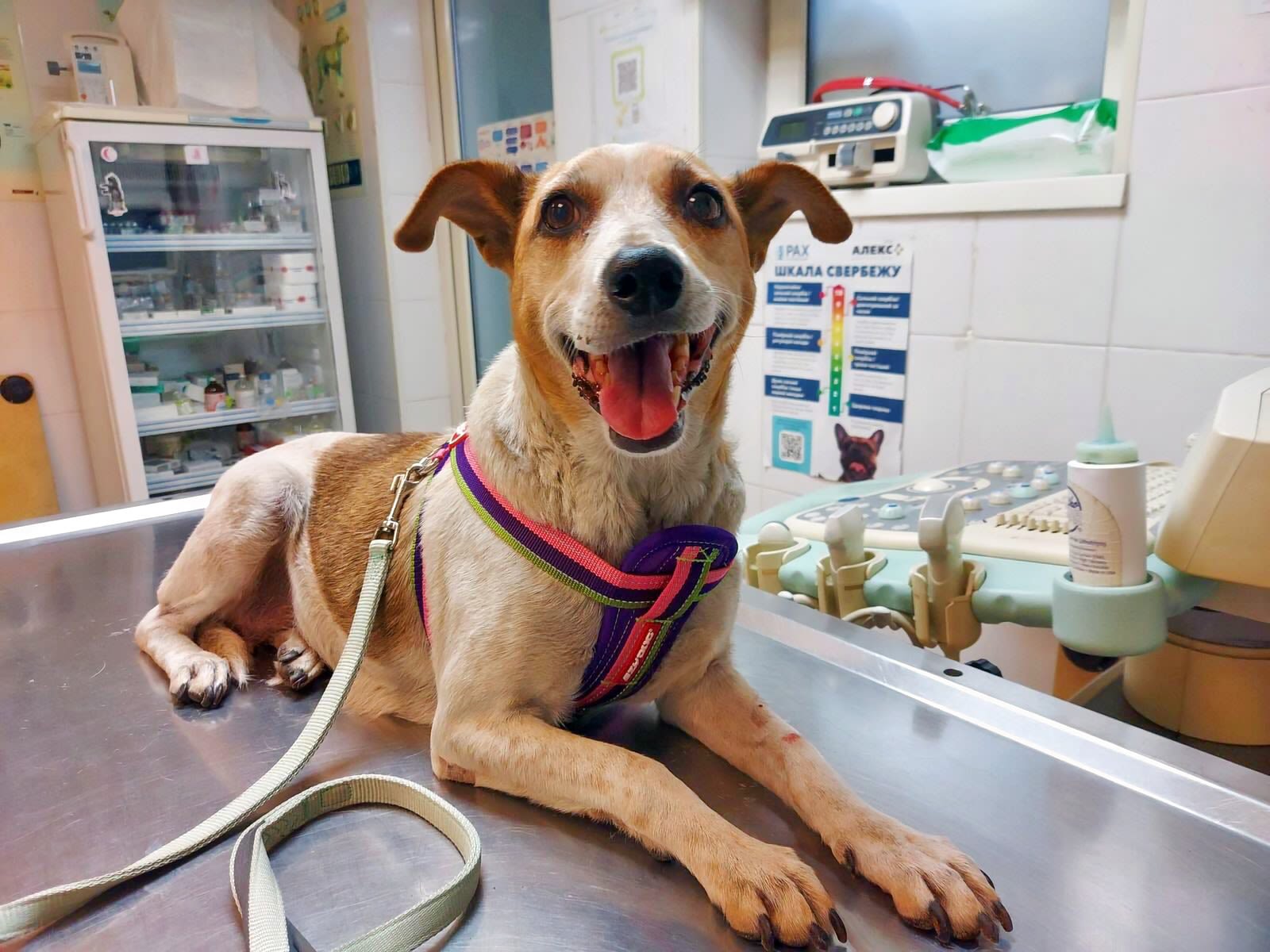
This dog's owner, an elderly grandmother, was killed when her house burned down with her and the other pets perishing in the fire. But the pet pooch was outside so he survived and now has a forever home near Dnipro in Eastern Ukraine. Image Credit: Aid Ukraine UK
This dog's owner, an elderly grandmother, was killed when her house burned down with her and the other pets perishing in the fire. But the pet pooch was outside so he survived and now has a forever home near Dnipro in Eastern Ukraine. Image Credit: Aid Ukraine UK
Footage by Aid Ukraine UK
Footage by Aid Ukraine UK
November, 2024 - A son and his elderly mum and their many cats and dogs and a parrot are evacuated. Footage by Aid Ukraine UK
November, 2024 - A son and his elderly mum and their many cats and dogs and a parrot are evacuated. Footage by Aid Ukraine UK
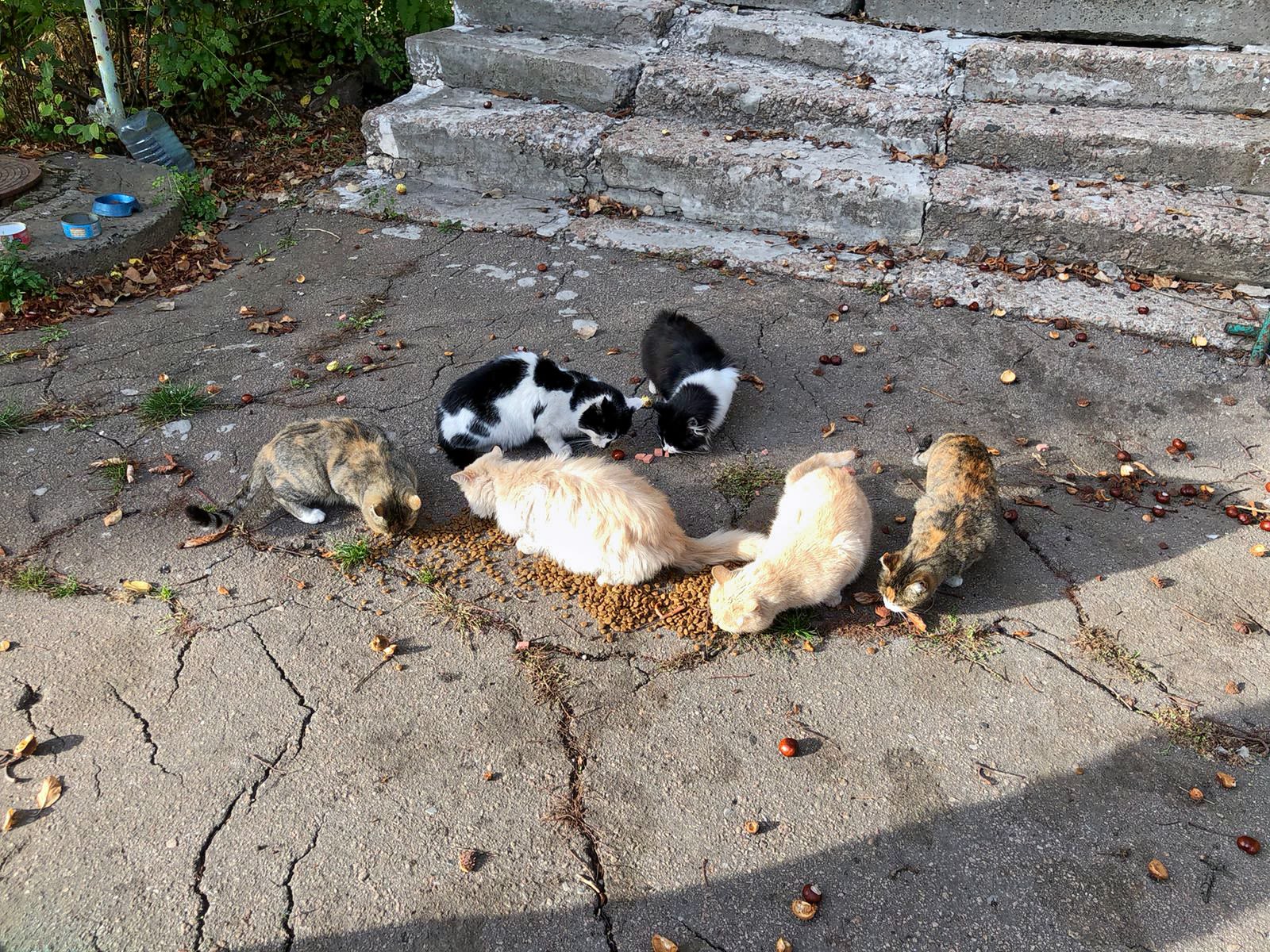
Cats eating after being fed by Aid Ukraine UK volunteers. Image Credit: Aid Ukraine UK
Cats eating after being fed by Aid Ukraine UK volunteers. Image Credit: Aid Ukraine UK
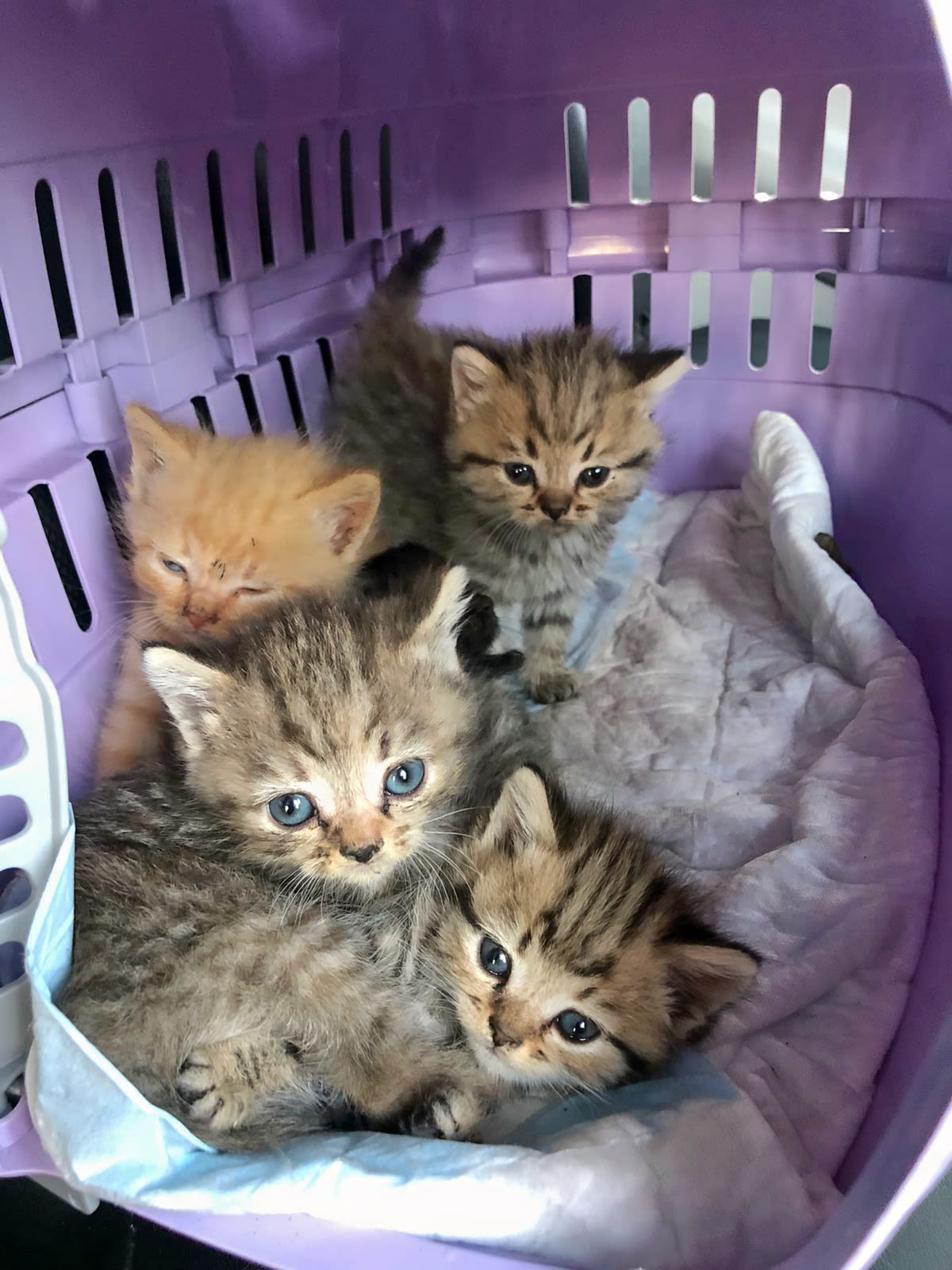
Kittens rescued. Image Credit: Aid Ukraine UK
Kittens rescued. Image Credit: Aid Ukraine UK
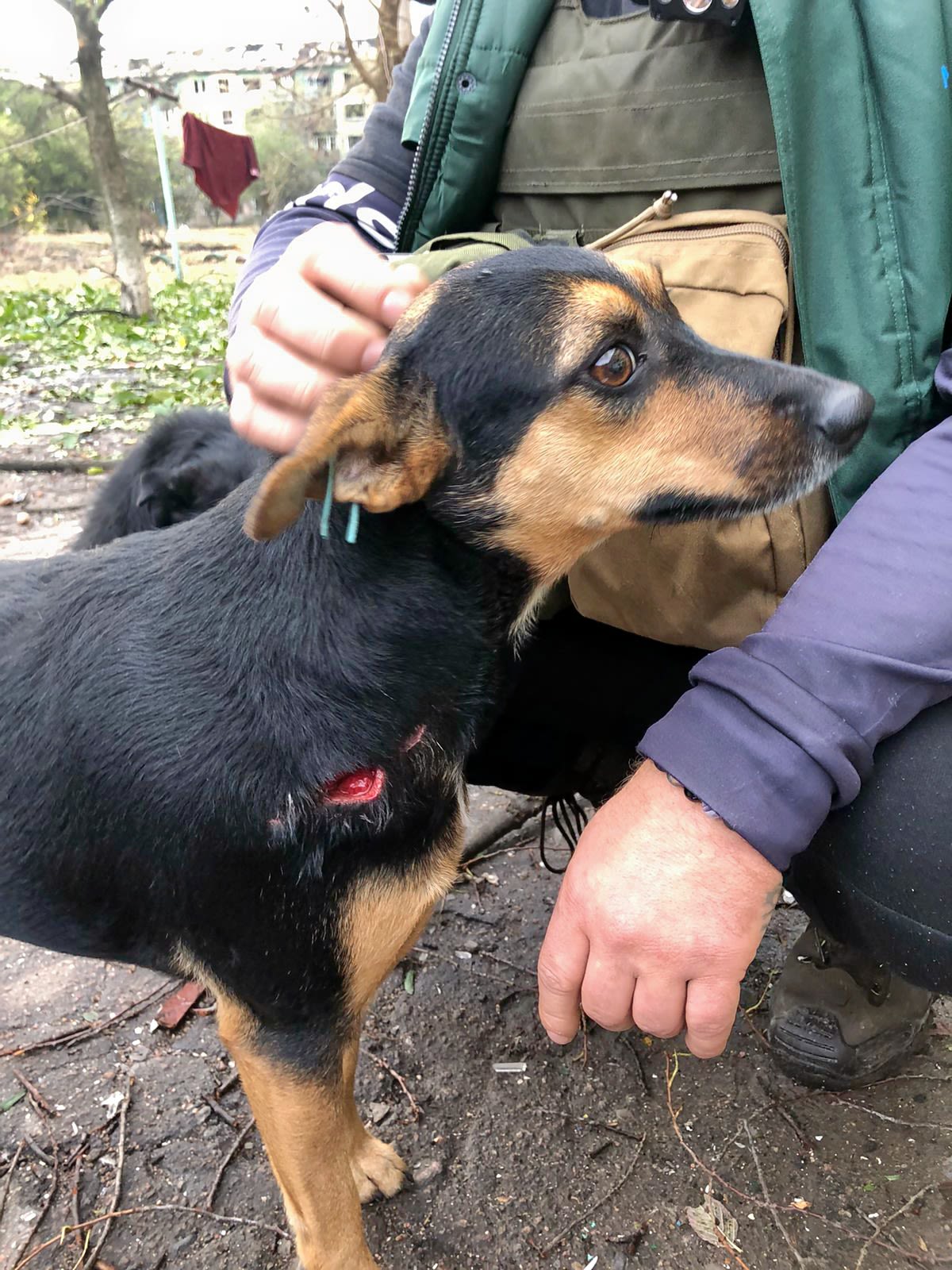
Volunteer reassures a dog. Image Credit: Aid Ukraine UK
Volunteer reassures a dog. Image Credit: Aid Ukraine UK
Olena and Archie
Olena Gushul and her family were living in Kyiv with Archie, a seven-year-old Pomeranian and a cat named Lizik.
“One winter morning we woke up to explosions,” describes Olena.
“The war had begun.”
Knowing they couldn’t stay, the family packed a small bag, grabbed their documents and headed west.
“Roads were jammed with cars, there were air raid sirens and missile strikes, and we had to stop often - hiding in basements of strangers’ homes.
“After days of fear and exhaustion, we arrived at my uncle’s village. It was quiet there — safer.
“The countryside gave us room to breathe again and for the first time in weeks, the boys could sleep without being woken by sirens.”
One month later, Olena and her family left with Archie for Germany but Lizik had to stay behind as they didn’t have the necessary travel documents for him.
Olena explains: “With a heavy heart, I left him in my uncle’s care, promising to come back for him.
“A few weeks after we arrived in Germany, my uncle called. Lizik had gone out for a walk — as he always did — and never returned.
“We searched, we asked around, but he had simply vanished.
“To this day, I don’t know what happened to him.”
In Germany, Olena and the family went through the long process of getting visas to the UK. Upon completion of the paperwork, they made the journey to England via Brussels.
“All I knew was that dogs couldn’t travel by plane with us, so we planned to take the Eurostar train,” Olena says.
“I was told that I couldn’t take Archie on board, my heart sank.
“At the station, overwhelmed and uncertain, I met a woman at the Red Cross.
“She saw me, my children, and Archie — and something touched her heart.
“She offered us a place to stay for the night. I asked if she could take care of Archie temporarily.
“To my relief, she agreed.”
While waiting for her Biometric residence permit, a friend from Germany travelled to Brussels and took Archie back with her until Olena could return for him.
But it was not an easy process.
“The only legal way was by car through the ferry,” Olena explains.
“I didn’t have a vehicle, and every pet transport company I contacted was fully booked for the next three months.
“Then a miracle.”
Someone gave Olena the number of a Ukrainian woman who was driving to the UK.
Olena said: “I called her, explained everything, and she agreed to take us. She was our saving grace.”

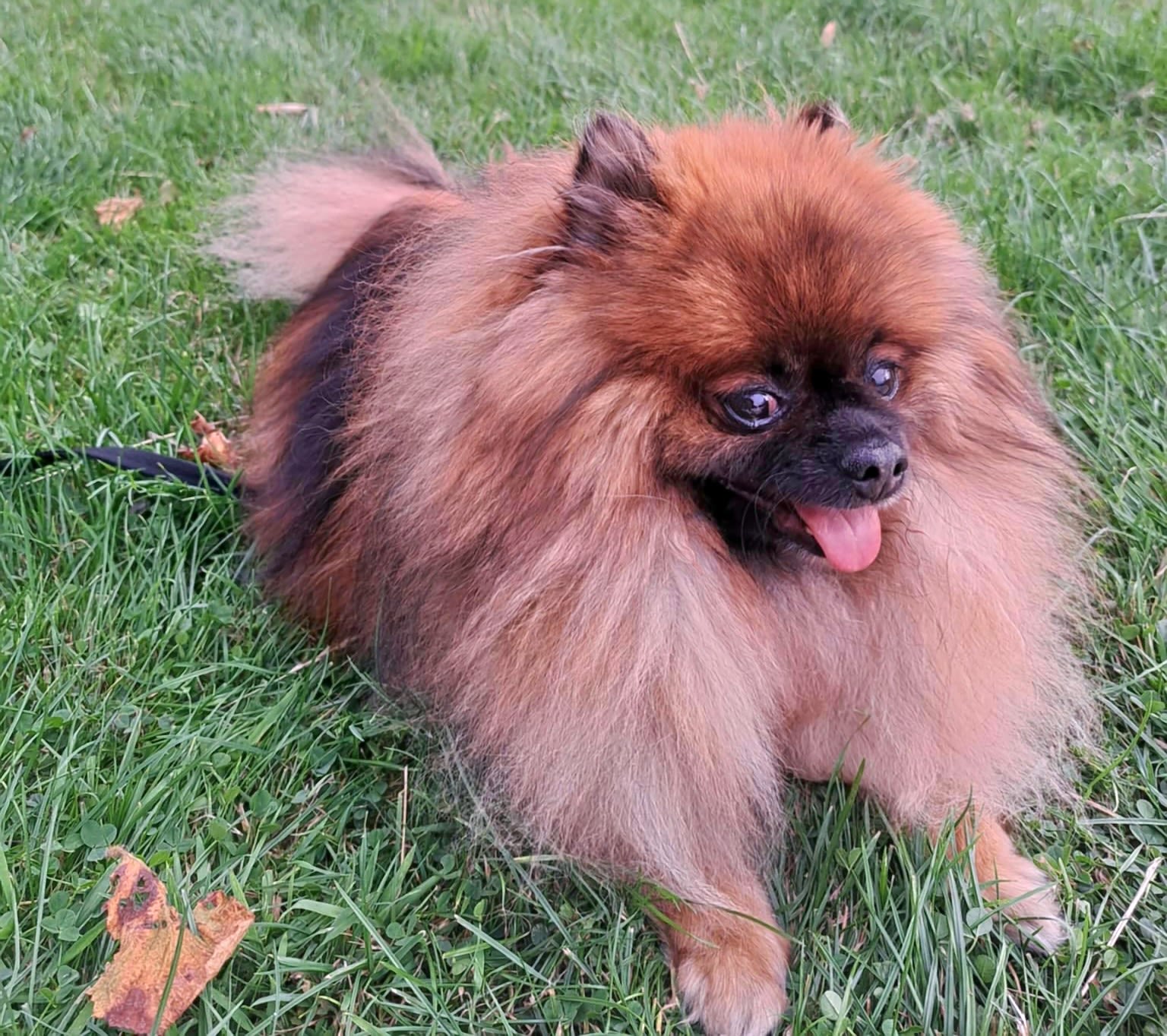
Image Credit: Olena Gushul
Image Credit: Olena Gushul

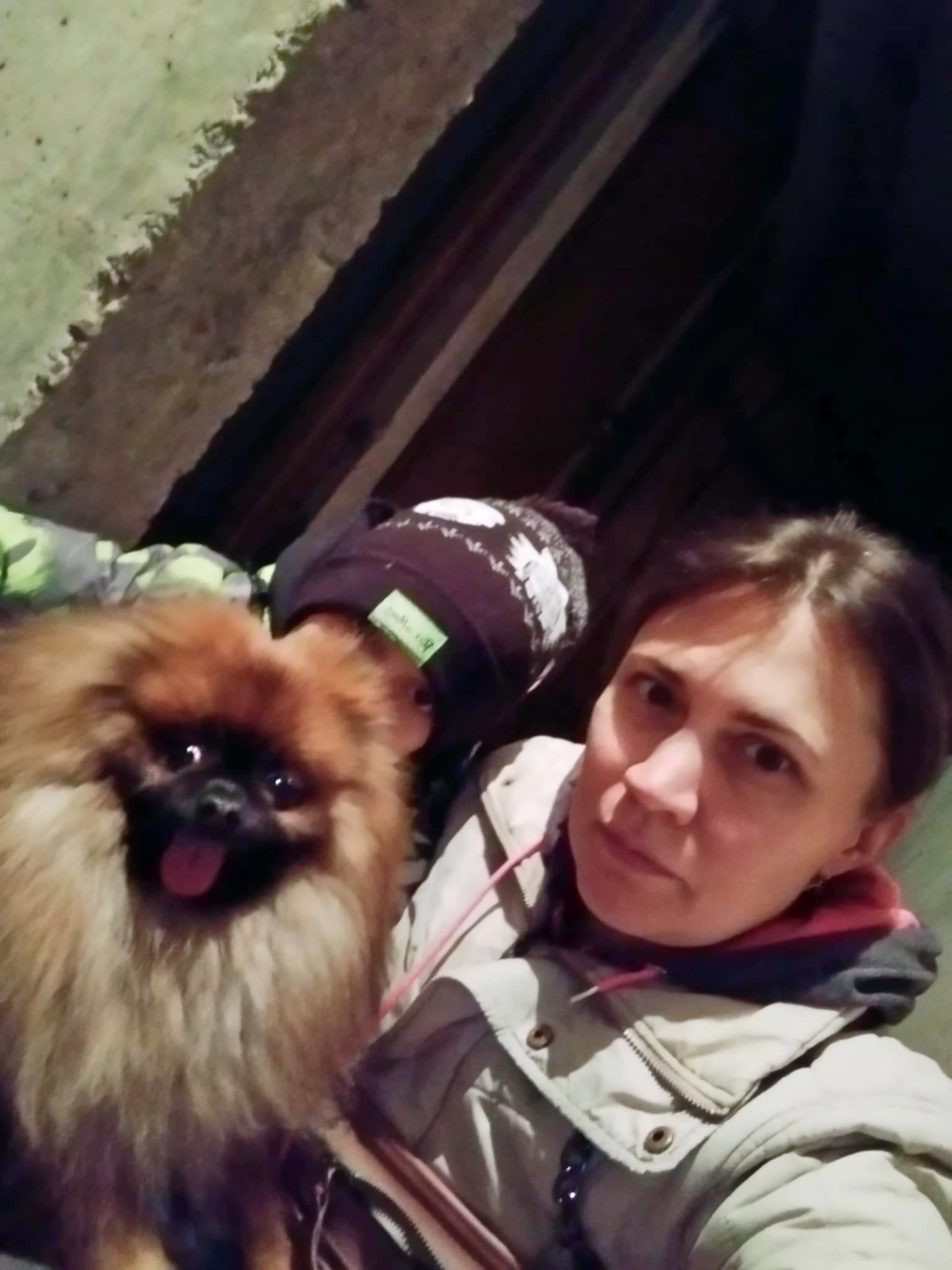
Image Credit: Olena Gushul
Image Credit: Olena Gushul

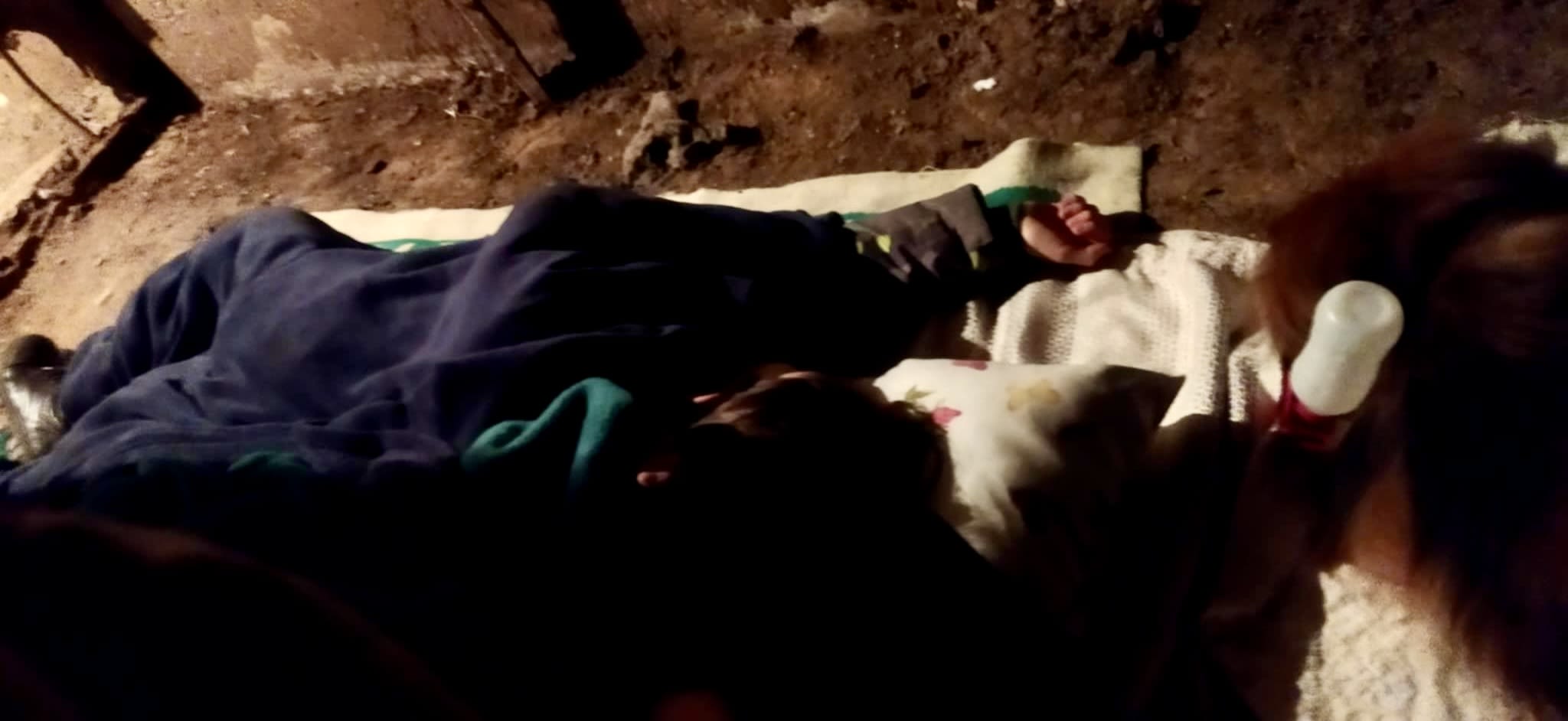
The family spent many nights in people's basements. Image Credit: Olena Gushul
The family spent many nights in people's basements. Image Credit: Olena Gushul
Archie and Lizik meet for the first time. Footage taken by Olena Gushul
Archie and Lizik meet for the first time. Footage taken by Olena Gushul

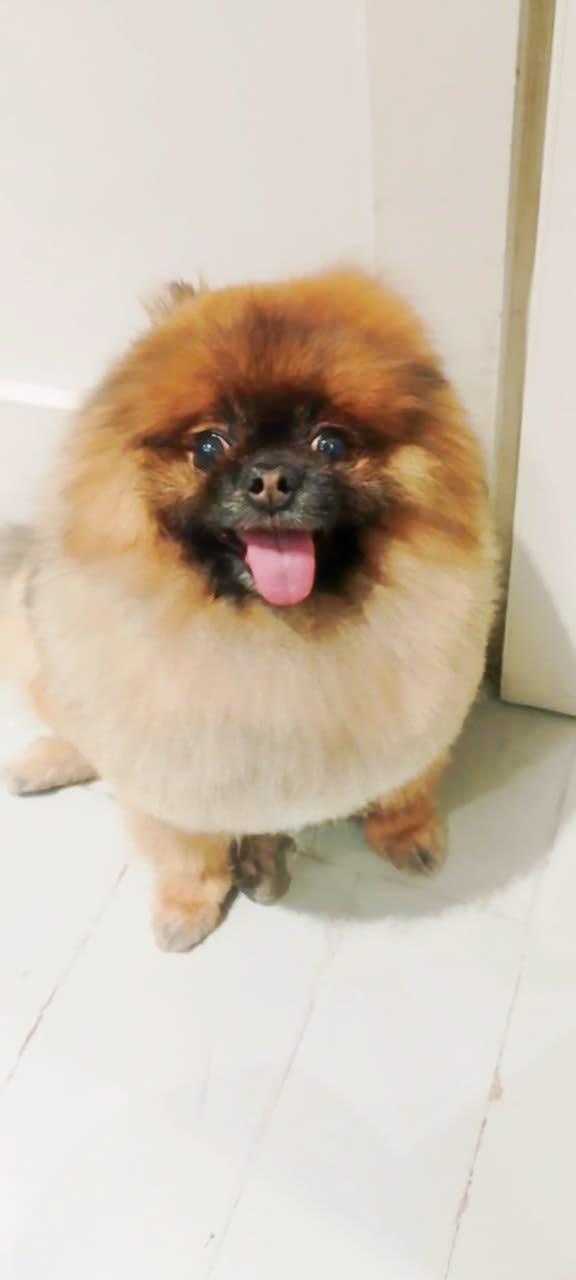
Image Credit: Olena Gushul
Image Credit: Olena Gushul
 Built with Shorthand