
There is a light that keeps going out
Manchester’s legendary music scene produces nationally recognised talent and contributes massively to the cultural economy. Small grassroots venues are the backbone of this national reputation, so why do they keep being displaced by developers?
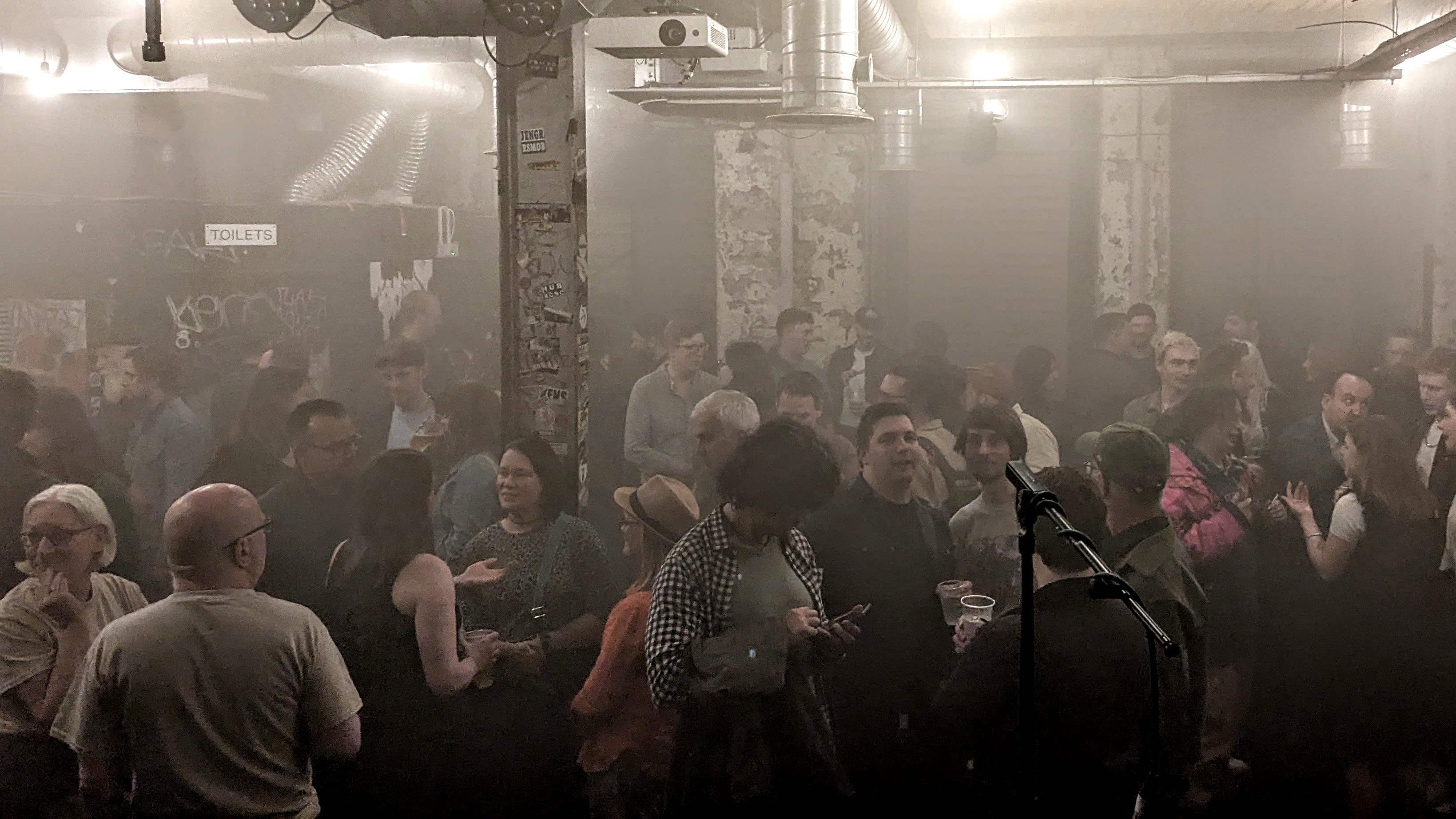

It is 1pm, June 2nd.
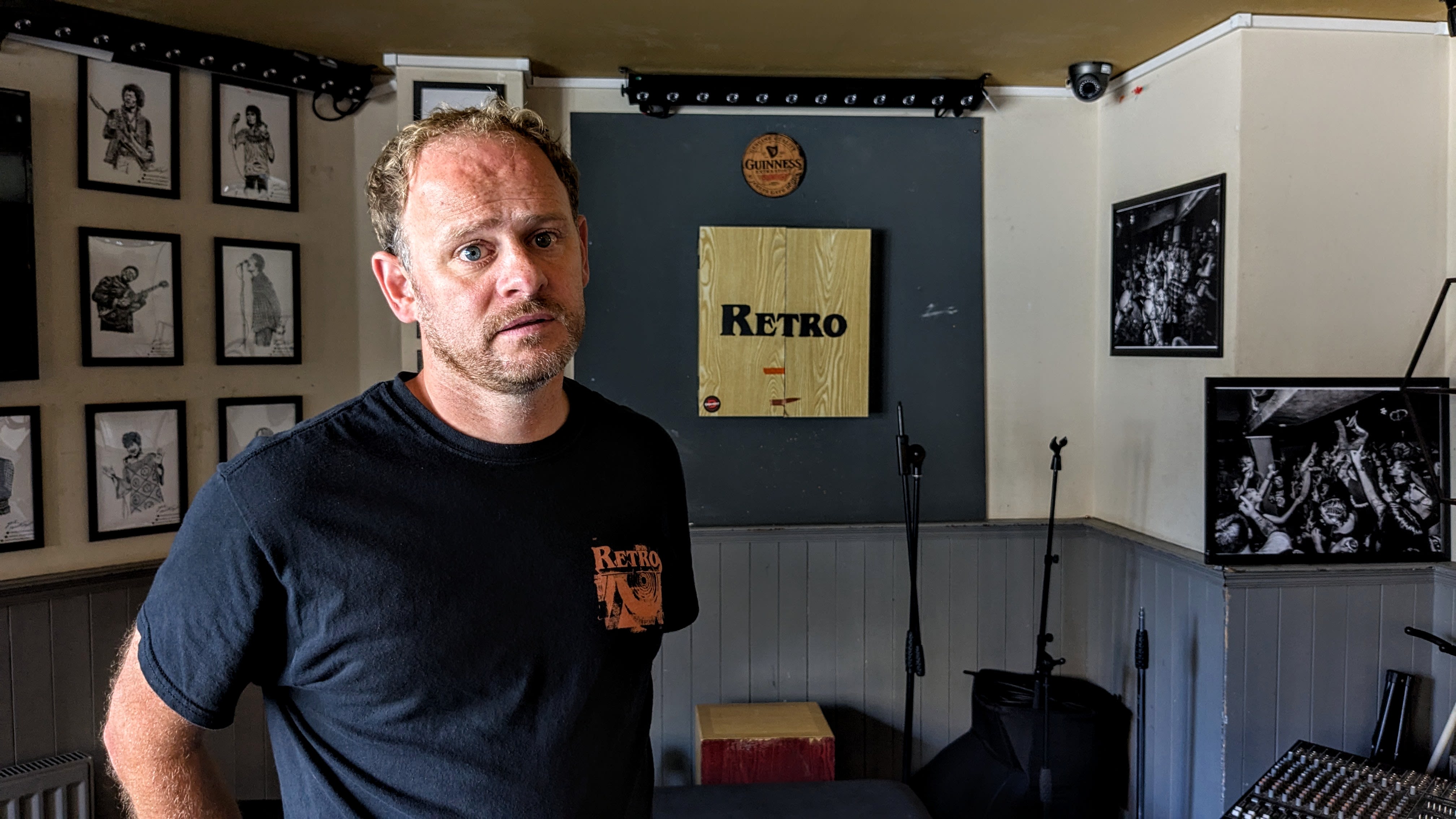
Venue manager Mark Armor’s hands rest on a table in a room that should be bustling with activity and preparation for future gigs.
There's just one problem.
“There is no future, ” he says solemnly.
Though today is not Retro Bar’s last, it soon will be – one of Manchester’s oldest and most beloved venues will soon be wiped off the map.
It will close on June 28th, and shortly after, the building will be demolished.
In its place, a multi-million-pound redevelopment of the surrounding area.
“It’s completely wiping out the building in which we exist,” says Mr Armor.
“What greater impact can you have?”
And Retro Bar is not the only venue facing a bleak future.

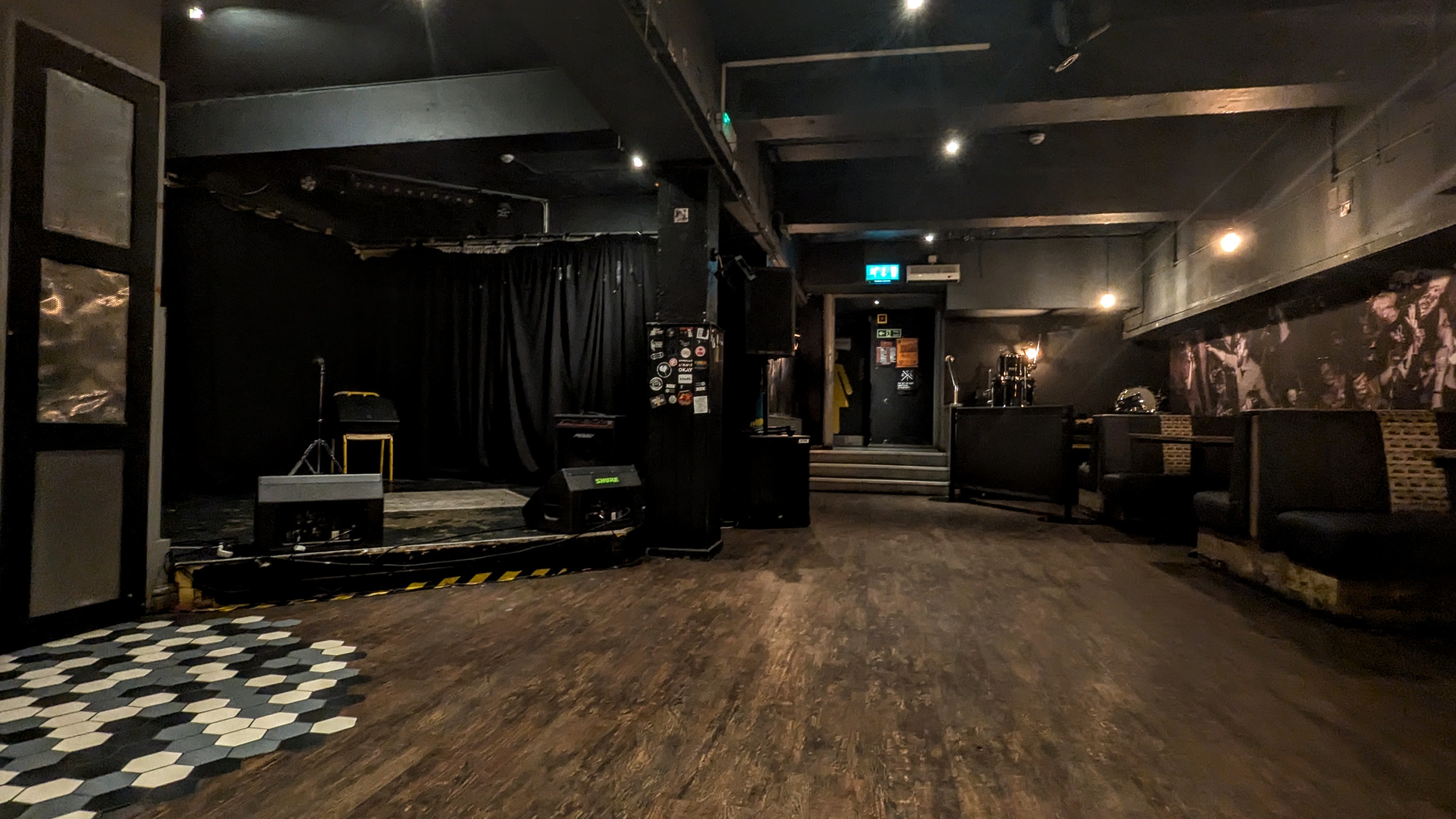
Retro Bar, the venue facing demolition - Photo by Jay Plent
Retro Bar, the venue facing demolition - Photo by Jay Plent
Grassroots gigs, so dearly missed during the pandemic, have birthed countless musical icons over the decades: The Smiths, Joy Division, Oasis, Happy Mondays, New Order, Elbow, Aitch, and Everything Everything to name just a handful.
But as skyscrapers and mass developments bring towering new buildings and money to Manchester, one of its key cultural exports is facing regular threats to its existence.
Many venues are worried that developments built near them could lead to their operations being limited by noise abatement notices or even closure.
As a result, Armor and others feel their venues face a bleak choice: relocate or die.
Soon to be demolished: Retro Bar

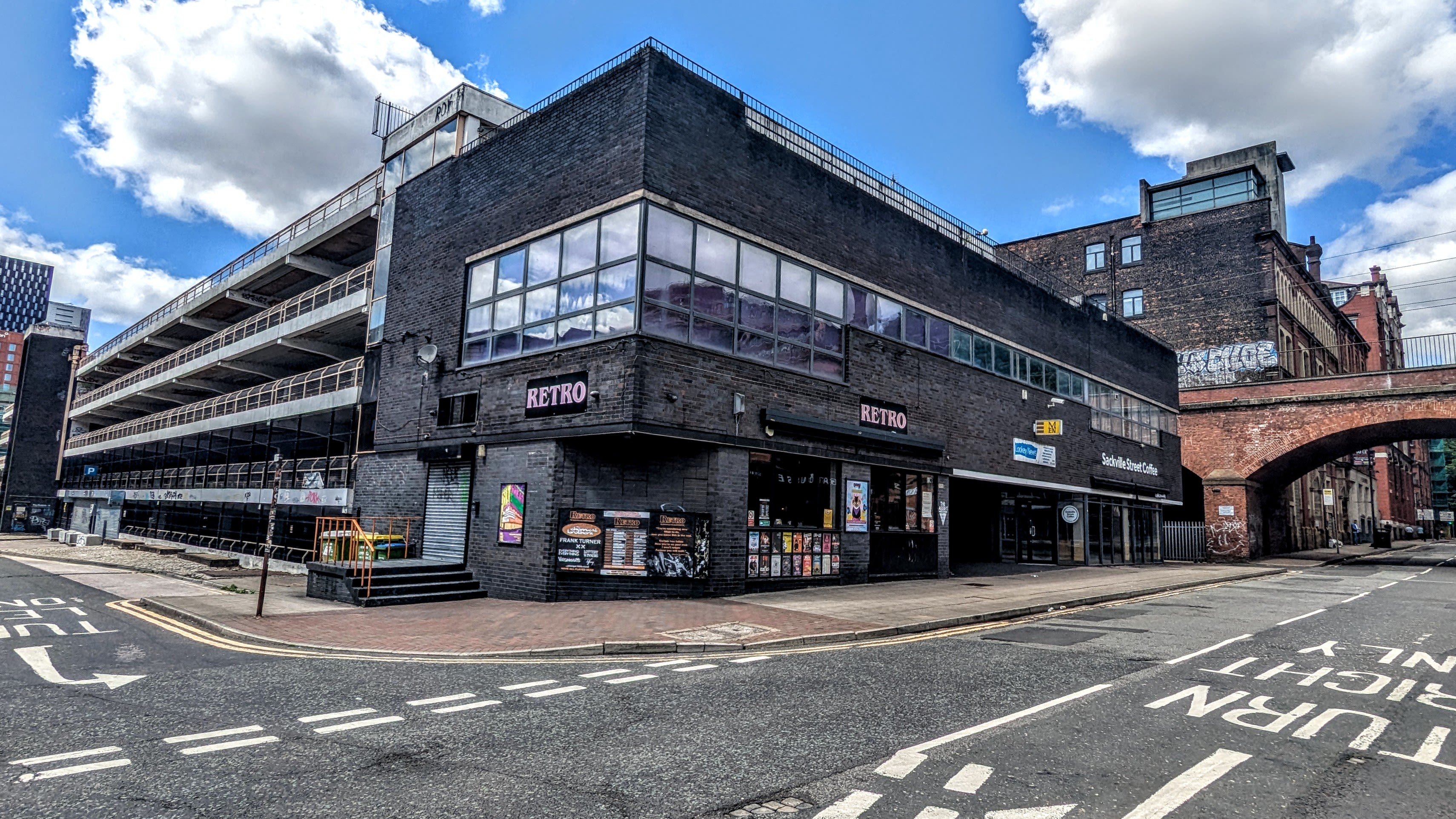
Retro Bar on Sackville Street is facing an unprecedented closure and demolition.
It has over 30 years of history, and it is one of the city’s most accessible venues for new bands nationally; it was an early career stomping ground for singer-songwriter Frank Turner.
But soon that history will be gone, wiped away in favour of a £1.7 billion joint venture by Bruntwood SciTech and The University of Manchester.
The new 'Sister' development will not be incorporating the venue into the project, opting instead to buy the property from the pub organisation that owned it, and from there, its fate was sealed.
“The greatest shame when you lose spaces like this is the history created here has value, it means something to people,” said Armor, who spent seven years investing time, money and resources into Retro Bar.
History, heritage, a community hub, all will be demolished with the venue.
Armor is now searching for a new location – with the help of a fundraiser - in an increasingly expensive property market.
It is challenging, and there’s little to stop another developer rocking up and building something near them, or indeed any relocated venue, again in the future.
Despite support from the Independent Venues Trust and a meeting with Mayor Andy Burnham, Retro Bar could not be saved.
Armor is understandably frustrated, especially because the little financial support they have received is going towards winding down the business, not in helping it to continue, something the venue’s staff and patrons all want.
“There was no need for anyone to be put out by this,” says Armor.
“This scheme will generate millions in profits, so for a tiny portion of that to be used to support a business you’re having an impact on, it baffles me.
“I’m sat here questioning what the last seven years was about.”
A spokesperson for the Sister development said they have strived to work with Retro Bar’s owners throughout the process and agreed to extend their lease to June 2025.
They also offered two alternative venues within their portfolio, which Retro deemed unsuitable.
Their spokesperson said: “We remain open to accommodating them in other premises and will continue to explore options available in our portfolio. We hope to maintain an open dialogue with them on this beyond the end of their tenancy.”

Less than a mile away in Deansgate, another venue is trying to avoid the same fate.
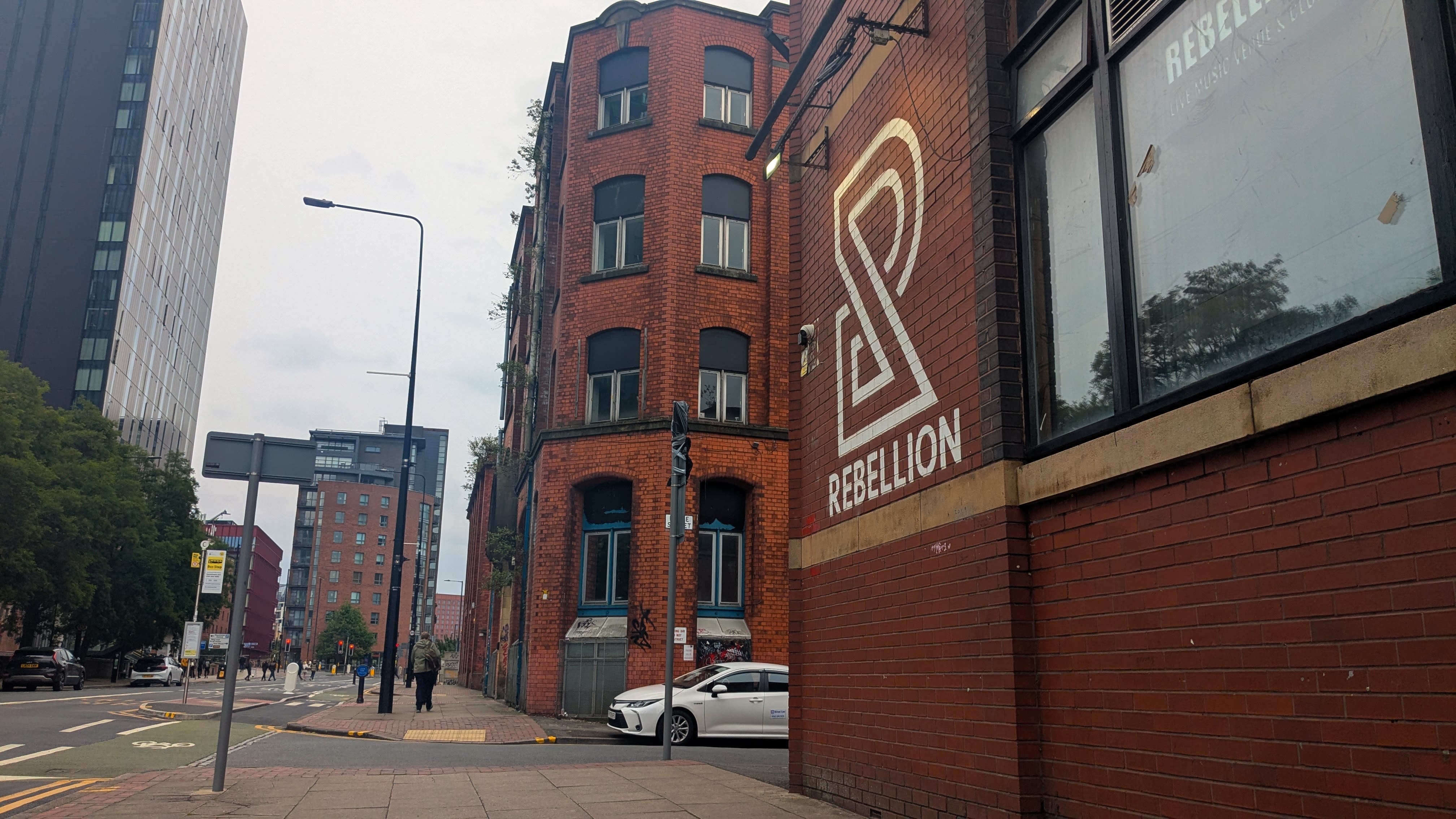
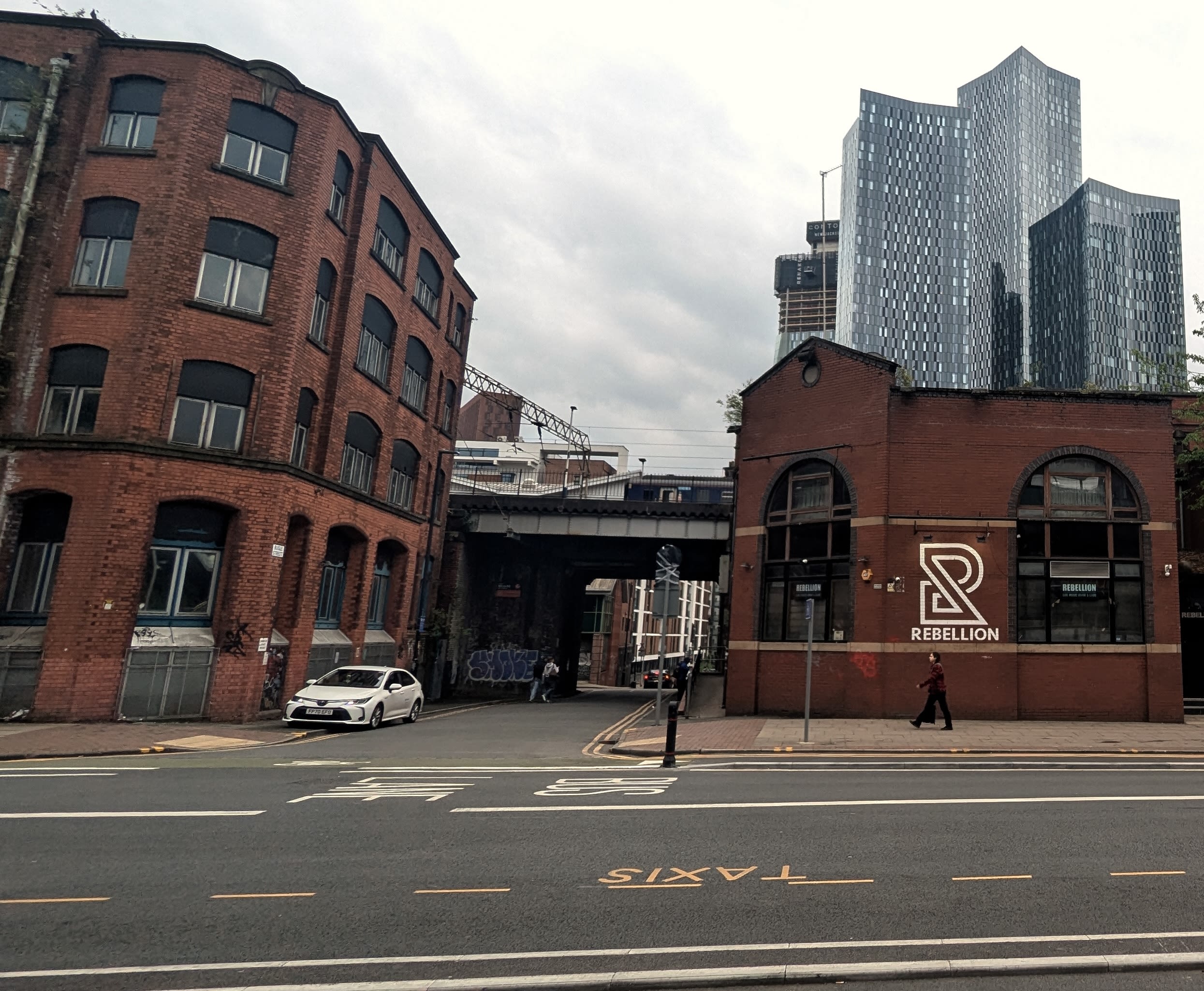
Rebellion occupies a unique space in the music scene as one of the few dedicated heavy metal and rock venues in the city.
They host loud bands with explosive drums, visceral guitar solos, and guttural screams that put hair on the back of your eyeballs.
After the noise abatement debacle with Night & Day Café, that’s not exactly something you’d want to miss as a housing developer building next door.
“It’s not about fighting, we’re not opposed to someone building houses, what we’re opposed to is someone building and then potentially us getting shut down because of noise” said Rebellion co-owner Jason Hartley-Smith.
Speaking about their Whitworth Street West development, Glenbrook said their consultation process had been “extensive”, and that they invited local businesses to a public consultation to discuss the proposals.
They said they had “fully considered the environmental factors associated with existing uses and any impacts have been fully considered in the application submitted and subsequently approved by Manchester City Council”.
But according to venue co-owner Alex Kostyakov, analysis by developer Glenbrook did not mention there was a music venue 10 metres away from the proposed flats.
He added that Rebellion only found out about the development after spotting it in a local newspaper.
They submitted an objection the same day, and Glenbrook had to update their planning permission.
Not informing Rebellion of these plans was called an oversight by the developers.
Kostyakov said: “We want residents to move in with the understanding that we’ve been there over a decade and we’re going to continue to make noise”
The one thing that would solve this animosity between venues and developers, in their view, is a simple change to force developers to fulfil their obligations to both their tenants and the surrounding community.
Section 24 of the Town and Country Planning Act 1971 relates to the planning permission required by developers to build in an area.
As part of this, developers have to do consultations about noise from existing structures and how that will impact potential residents, but at present they are not held responsible for noise issues impacting their development after it has been built.
Rebellion’s owners say a change to this clause, making developers responsible before, during and after construction, would solve the problem and set a precedent of enshrining protection for venues nationally.
Manchester City Council said it is aware of the sensitivities of the venue’s proximity to the development and that a condition was in place to ensure the development can take place without any noise nuisance in future properties.
They added: “Work is ongoing to ensure that any solution is satisfactory for all parties."
But the council’s words have done little to reassure Rebellion’s owners.
At a planning and highways committee meeting in June, the venue’s concerns were noted and development swiftly approved, with a unanimous vote from councillors to carry on the process.


If Rebellion’s story sounds familiar, it’s probably because it is.
A few years ago, one of the city’s most famous venues had a very similar problem caused by developers.
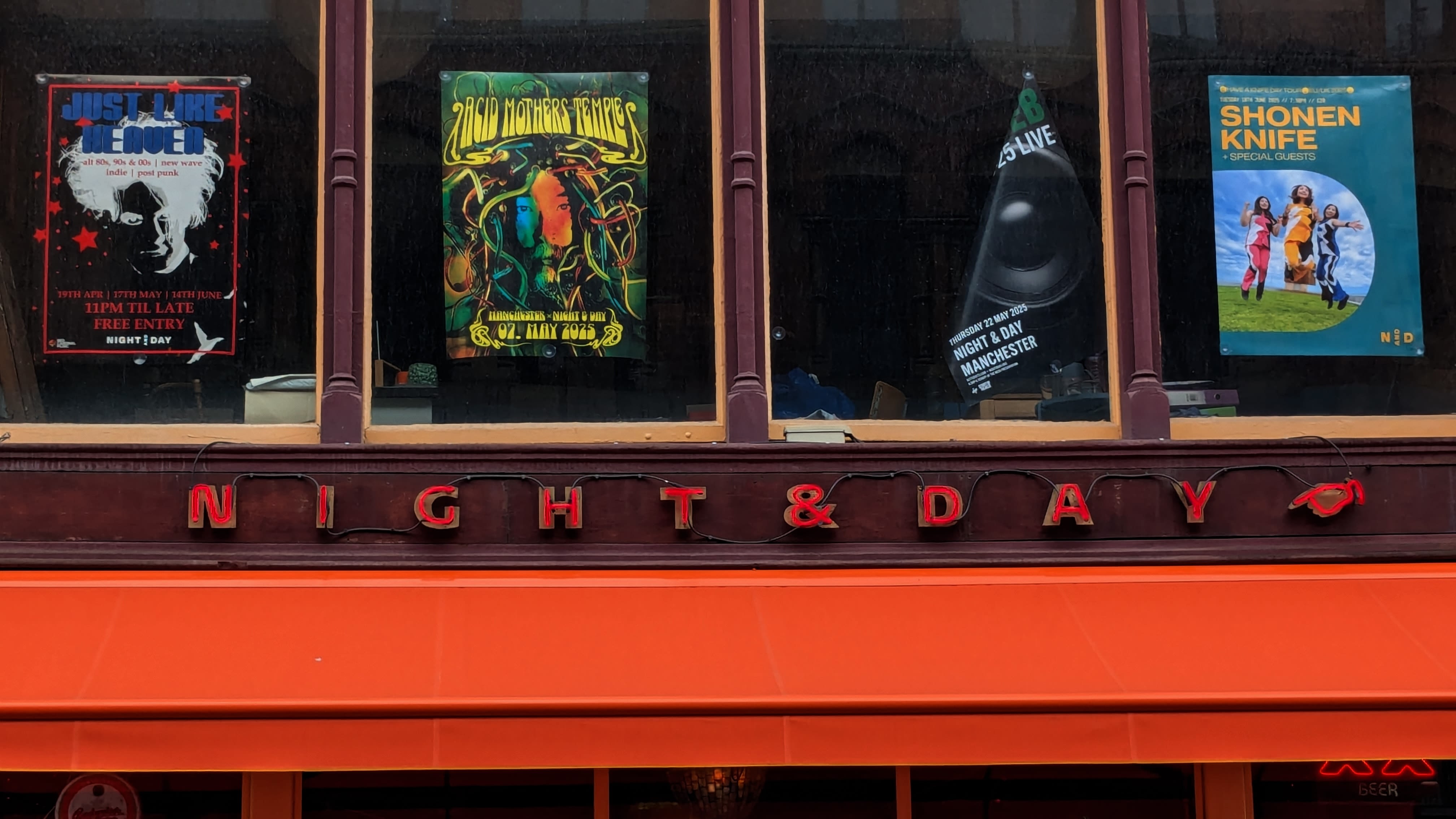
Night & Day faced a potentially business-ending noise abatement notice as a direct result of a new development that didn’t complete proper noise testing during the pandemic.

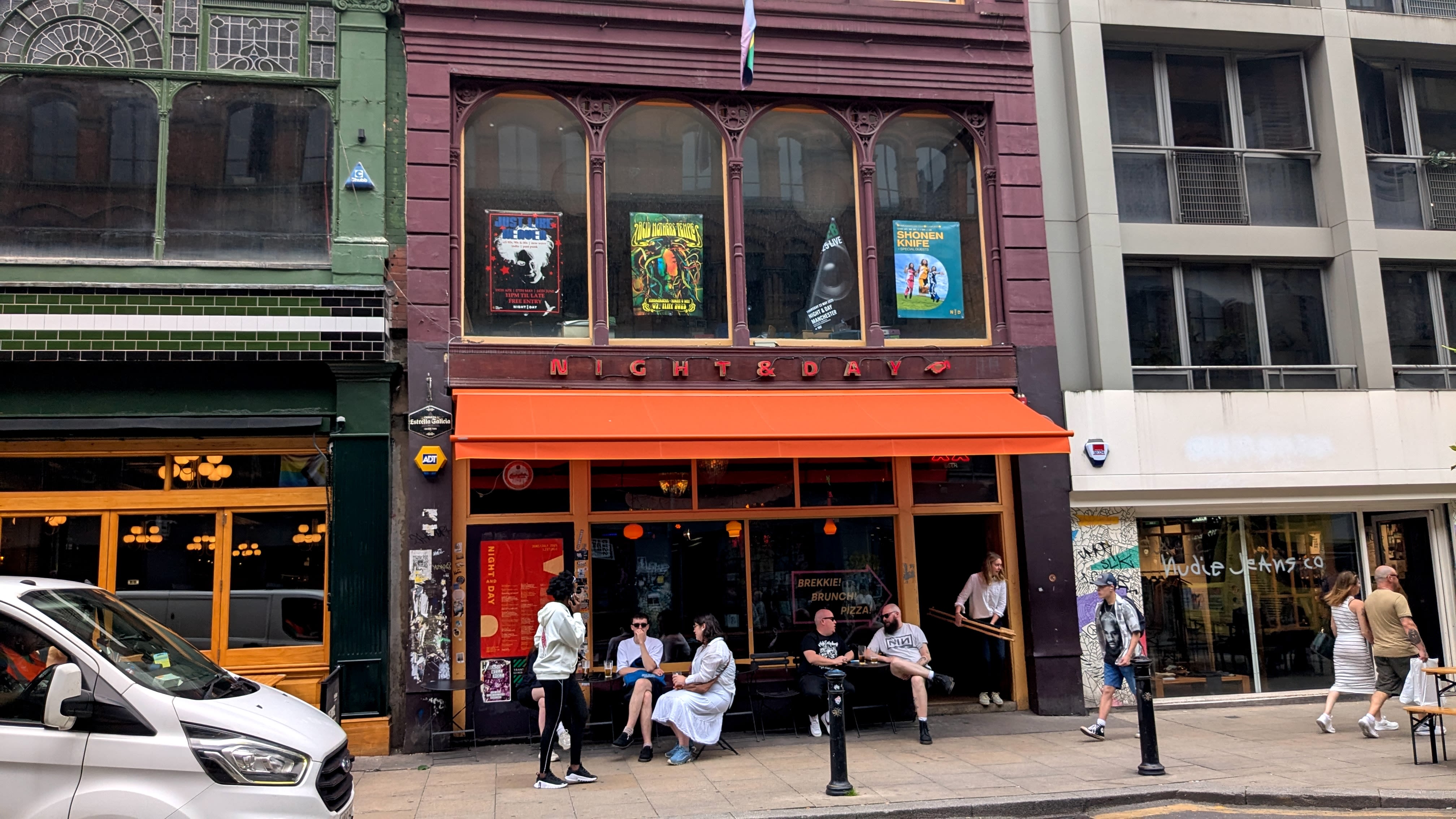
It seems unthinkable now that a venue that’s been part of Manchester’s cultural mainframe for over 30 years could be dragged into court over noise, but dragged in it was.
Complaints about noise levels led to an expensive, three-year battle with Manchester City Council that attracted regional ire and national attention from music industry leaders.
Over 90,000 people signed a petition to remove the venue’s noise abatement notice on Change.org.
Elbow singer Guy Garvey called it “a shameful disgrace”, adding that Manchester City Council were happy to use the city’s music to promote themselves, whilst also endangering a critical venue – many other artists echoed this sentiment.
The public groundswell and national coverage of the case worked in the venue’s favour, and the issue was resolved in early 2024.
But this problem hangs over every grassroots venue in Manchester, and they fall afoul of property-based issues on a regular basis.
Stage & Radio, which sits at the very corner of the Northern Quarter, are worried about a private housing project which could be built five metres from their venue.
Stage & Radio director Wakil Ahmed said they are intensively reviewing these building plans, and they have concerns: “An issue that we are facing is a lack of discussion with developers around the venue.
“As it stands (it is) quite likely that the building would be unfit for purpose, leading to the future closure of us as a grassroots music venue and poor living conditions for those who it is rented to.
“We want to be able to engage with developers and be involved in their acoustic monitoring methods to make sure they are acting correctly as the agent of change and failing to do so undermines this and puts both culture and residents at potential risk.”
Musician Tallulah Guard said: “I truly think the damage to Manchester's music scene would be huge if this continues.”
Guard is a singer songwriter who is part of Factory Sounds 2025, an artist development programme run by Manchester International Festival.
Stage & Radio hosted their debut EP launch last month - a show Guard called the most “wonderful and significant” of their career so far.
They said: “Putting on live shows without much budget or backing is really tricky, but the network of smaller grassroots venues makes it much more achievable for newer, independent artists.
“So many are sadly being squeezed out of business by developers.
“Venues like these provide great spaces, atmosphere, and sound, while also being accessible to early career musicians - if they disappear, where will musicians get experience, begin to build fanbases, and develop as live performers?”

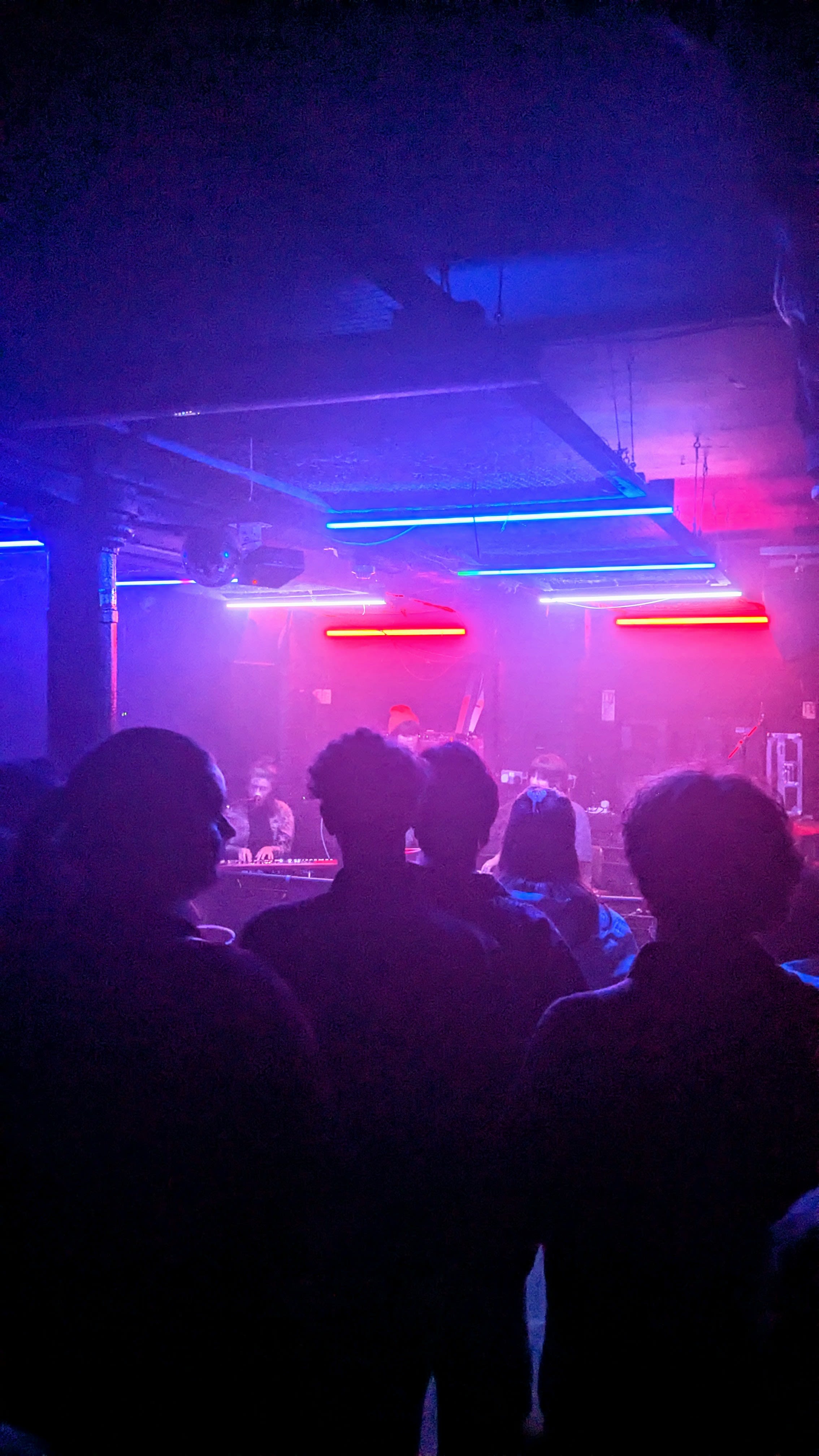

When it comes to venues and developers, there seems to be a huge imbalance of power.
On one side: small music venues, barely scraping by, but providing an essential service to both bands and their local community.
And on the other, private developers with enormous money and resources, accountability to nobody but their shareholders, with no obligation to help relocate venues they displace.
And there doesn’t seem to be much the council can do about it either, willingly or not.
Gutting these venues will stifle communities, destroy jobs, and limit the opportunities of new artists in a city that defines itself by its music.
There is hope – new venues such as Rat & Pigeon have opened recently, and regular campaigns to save venues springing up elsewhere.
The Music Venues Trust launched a project in 2022 to remove grassroots venues from vulnerable commercial leases, placing them into community ownership.
Their aim is to provide long-term stability to venues that are essential for fostering local talent and providing cultural value to our communities.
But until venue protections are legally enshrined, shielded from oversights and careless development processes, we will continue to see an essential cultural resource cut off at the roots.
And once it's gone, it's gone.
Words & Photos: Jay Plent
Editors: Phil Wilkinson & Paul Kilbey
 Built with Shorthand