One giant leap into the Highlands
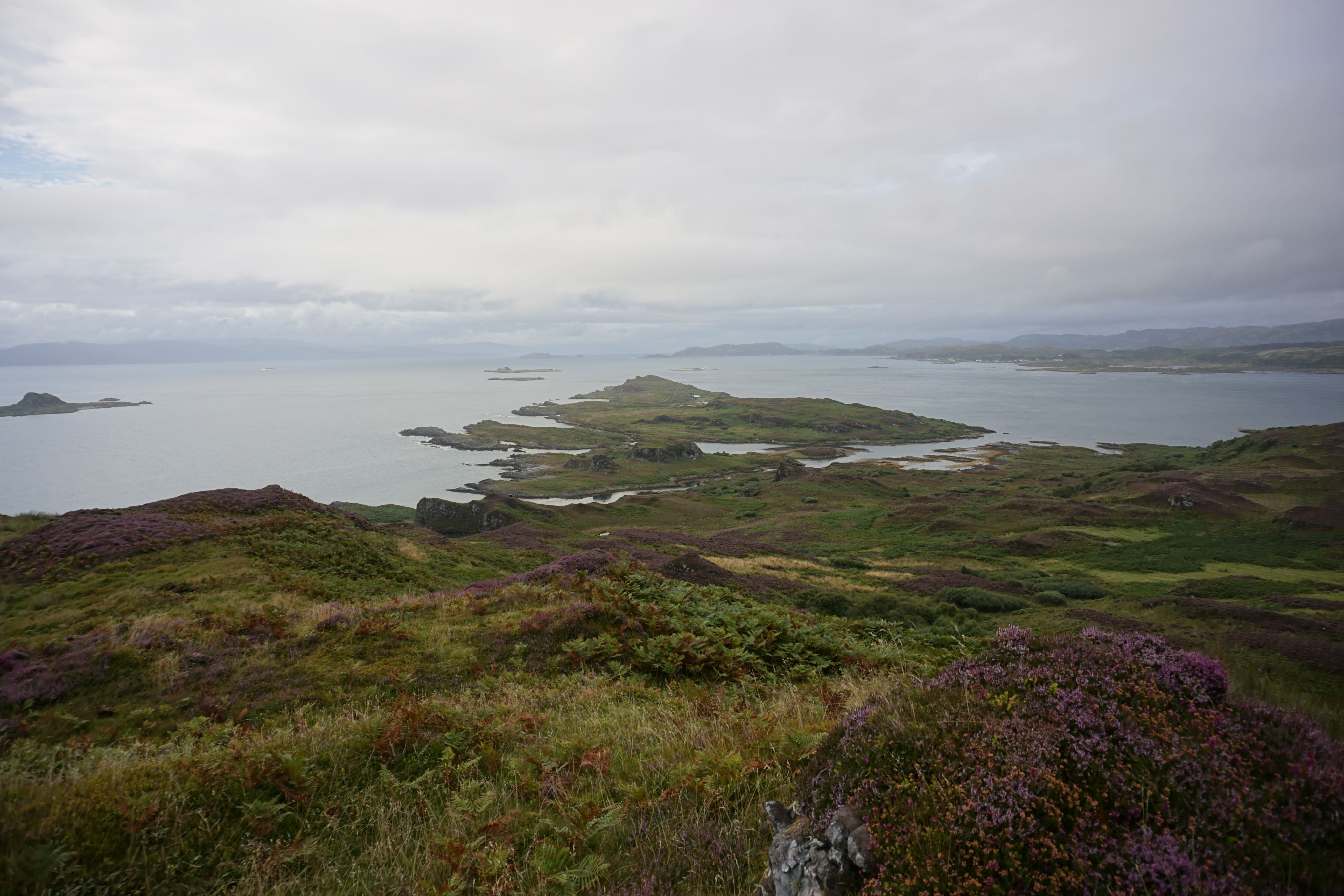

The climate is hostile. The terrain is challenging. The landscape is uncharted.
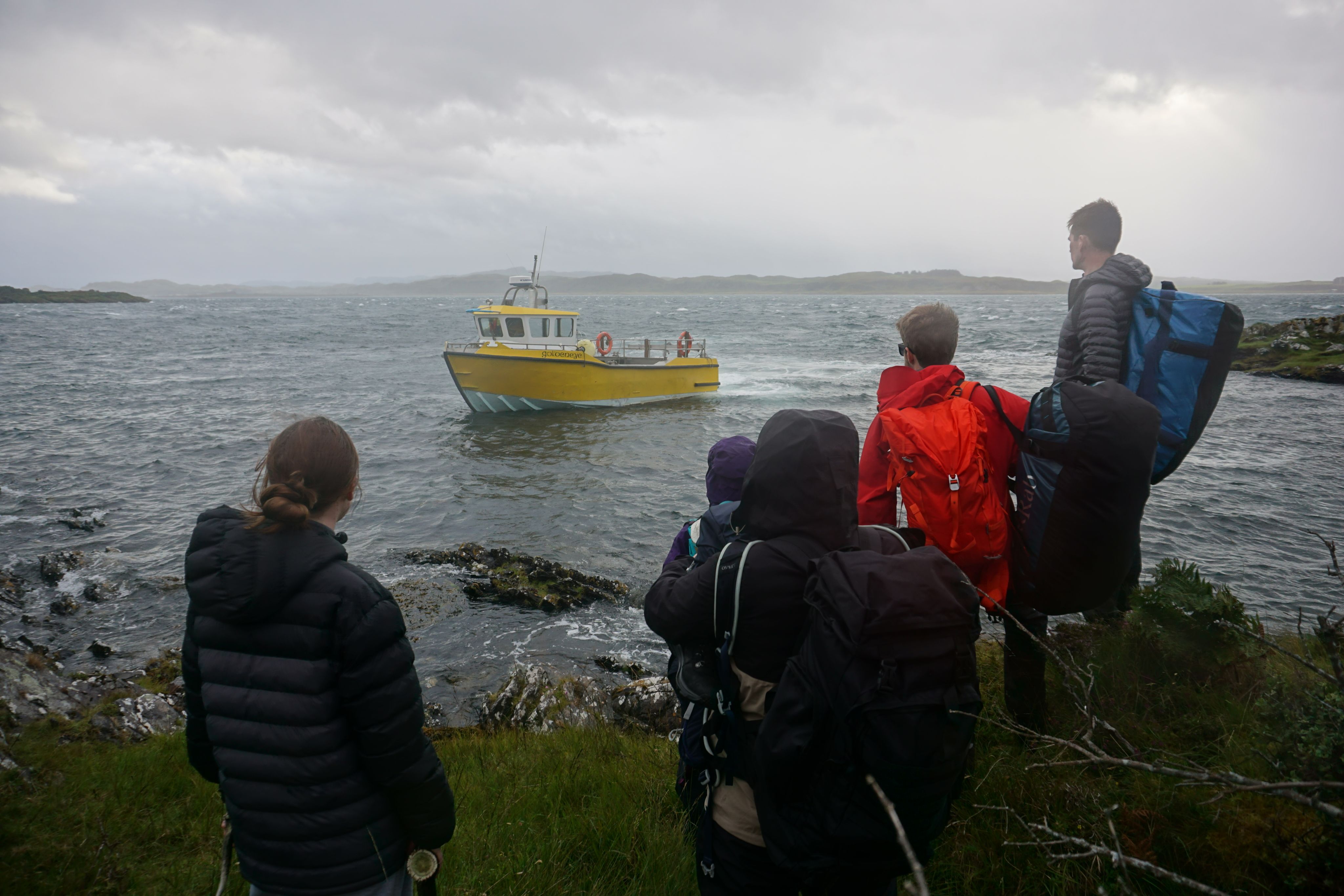
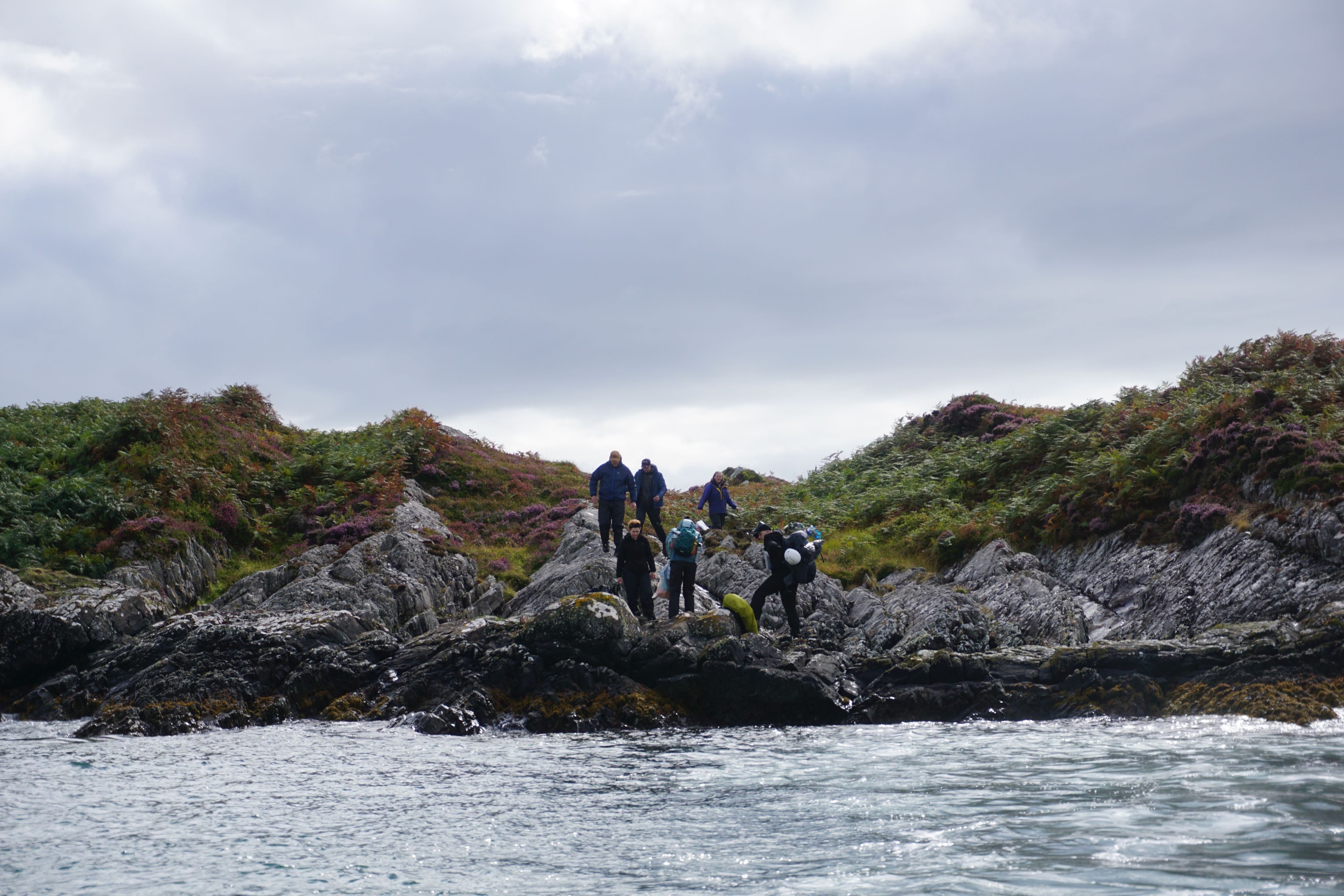
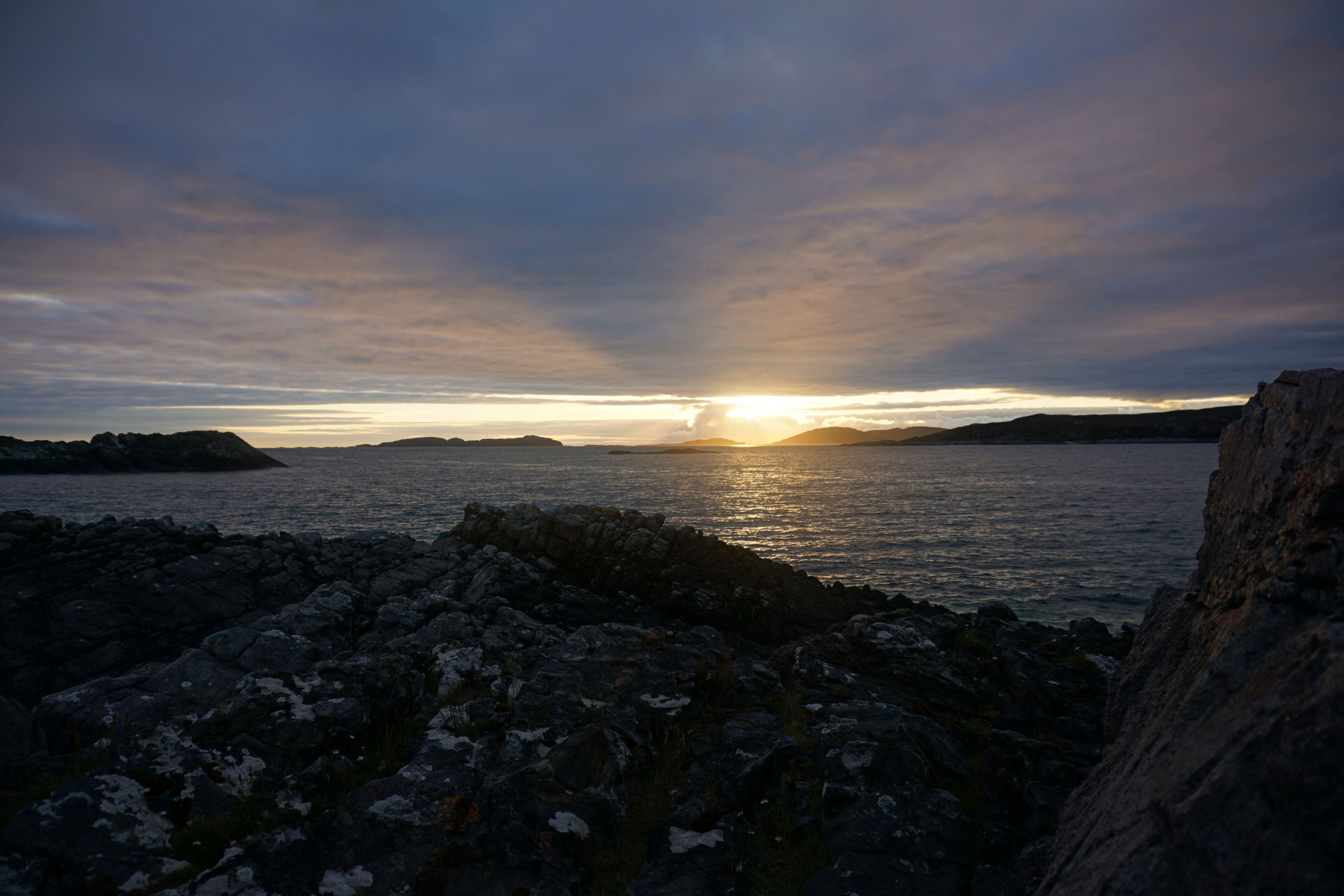
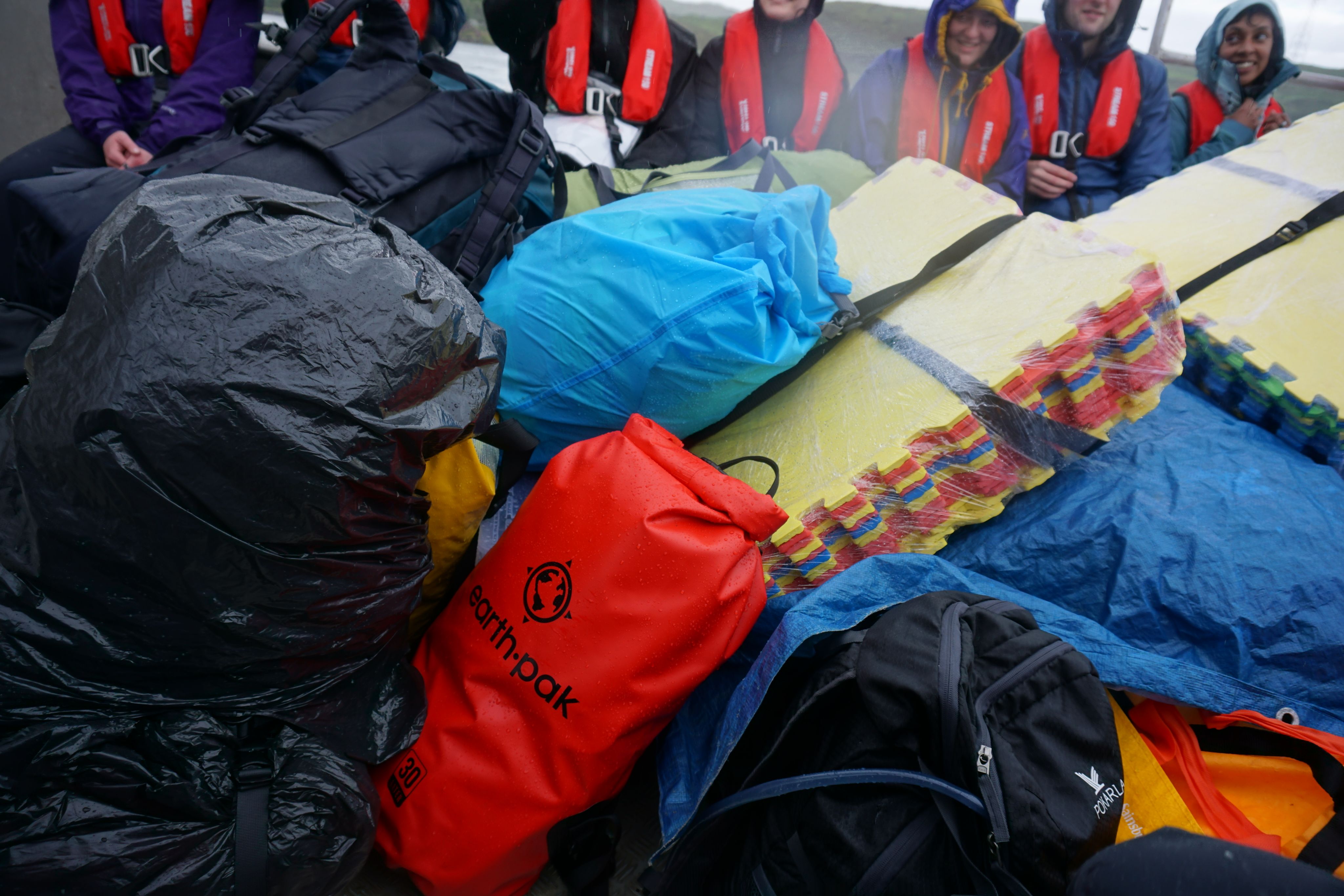
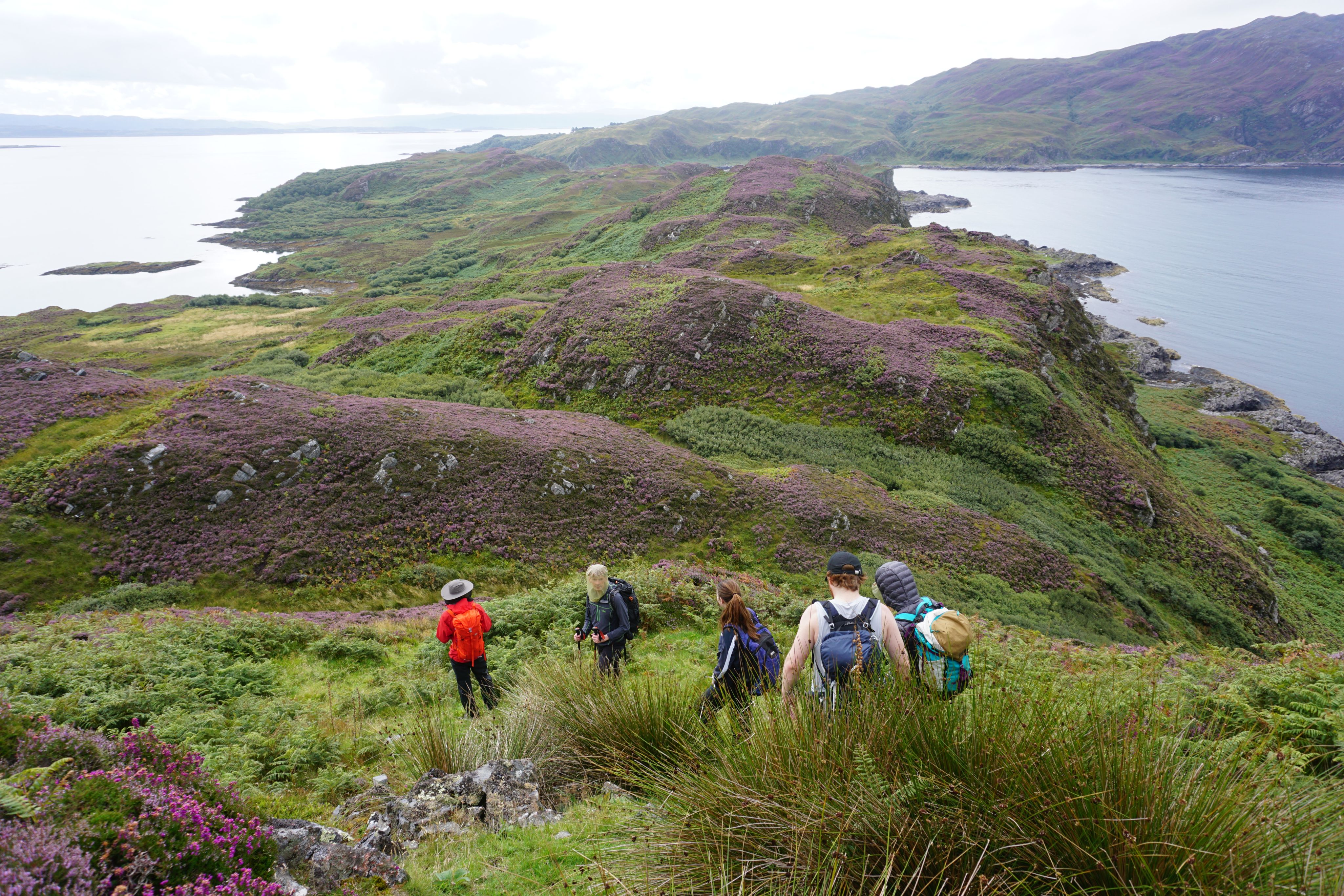
The astronauts who landed here came to carry out a two-week mission, but they didn’t come by spacecraft. They arrived by powerboat.
For this crew, their journey won’t take them to a far-flung planet, but rather a remote island off the west coast of Scotland.
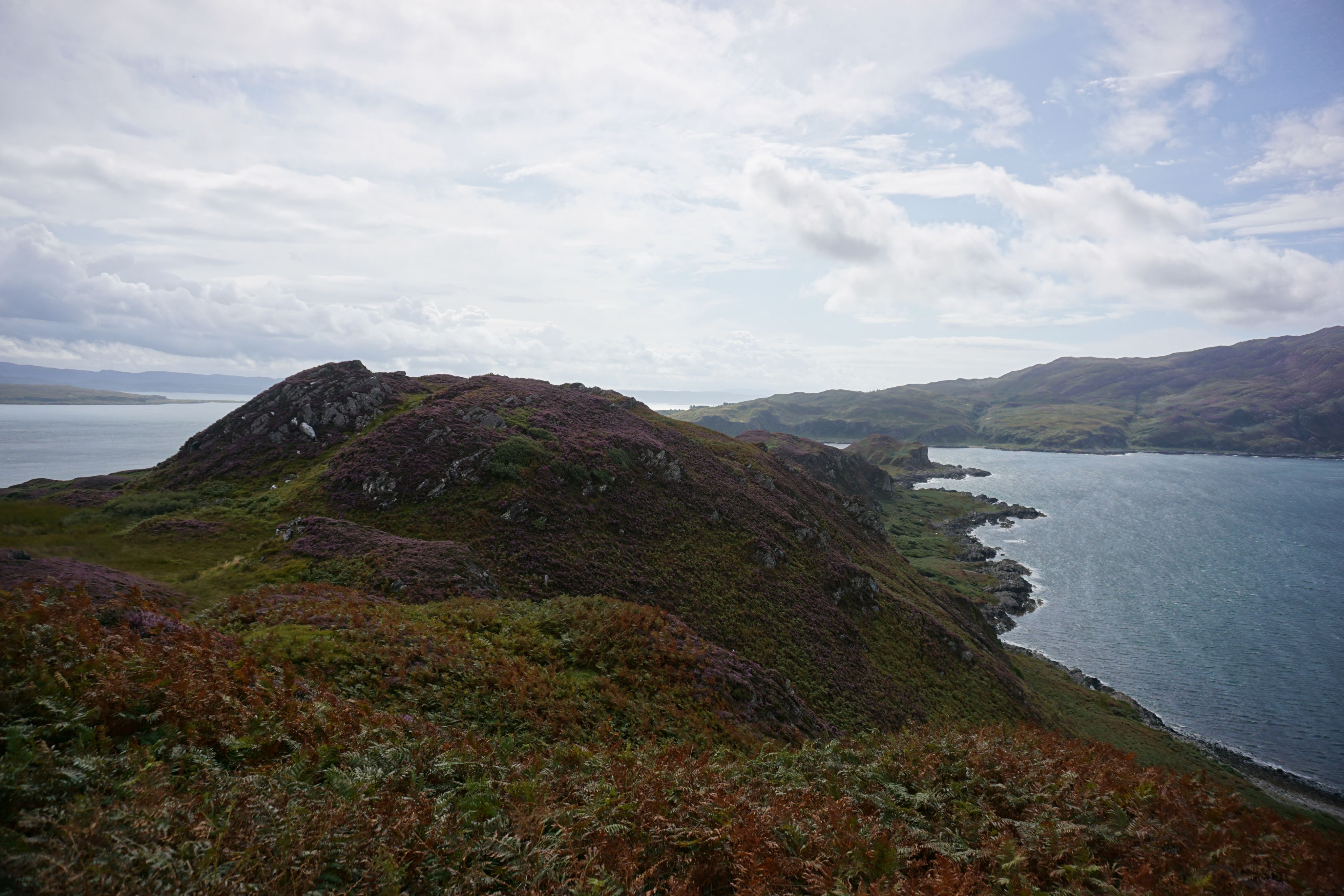
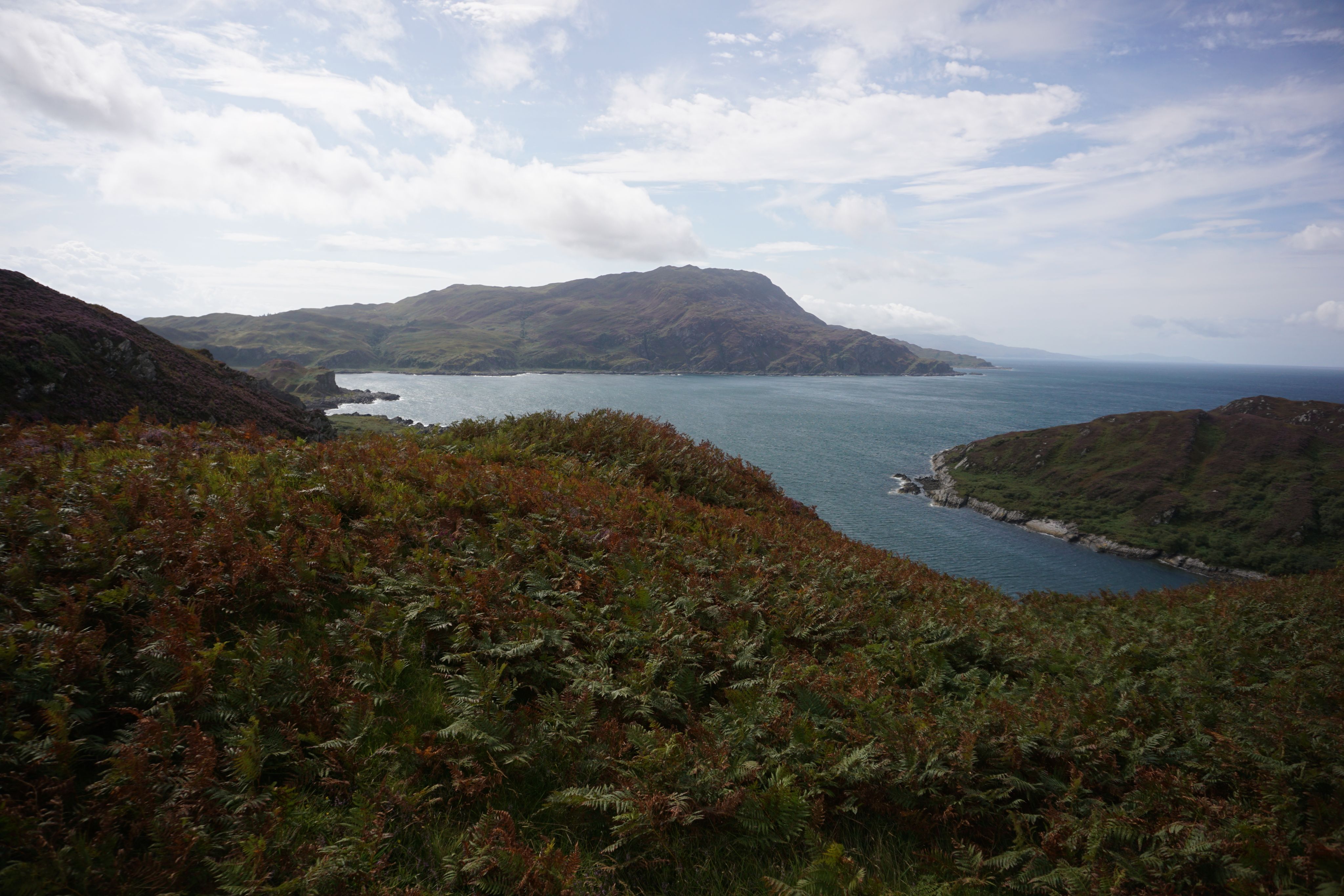
Providing the ideal testing ground for the next generation of space exploration, the uninhabited island and meteor impact site played host to the UK’s first analogue mission, simulating the human exploration of another planet.
Used by space agencies as field tests to conduct research for future space exploration, analogue missions are a quicker and cheaper way of testing new technologies, communications and robotics as well as observing the effects of living in extreme environments.
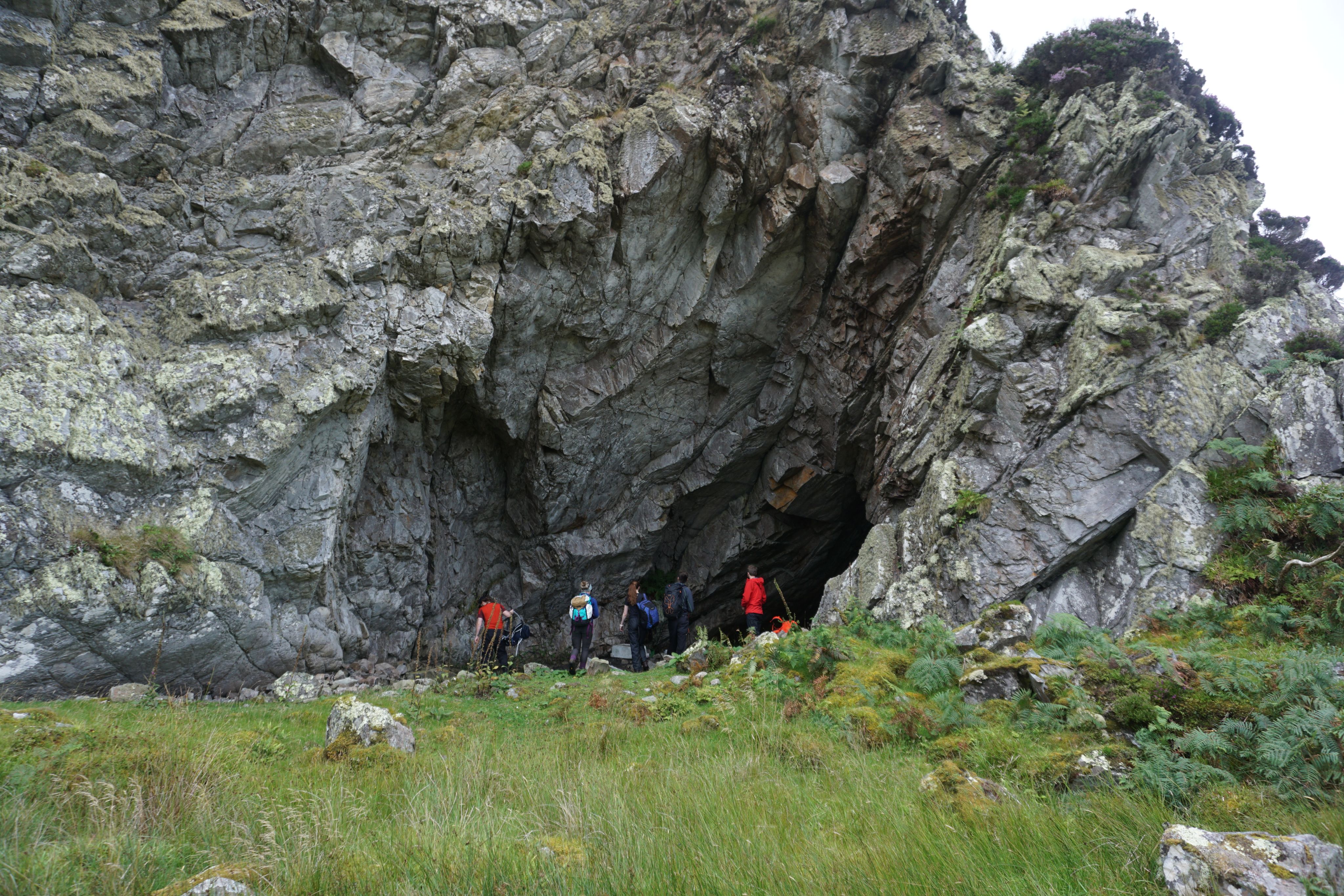
MEILI-I took place over 14 days with a crew of six analogue astronauts, trained to take part in simulated space missions on earth rather than extraterrestrial space travel.
Named after the Norse god of exploration and travel, MEILI-I saw the six-man crew carry out research in astrogeology, health and anthropological studies under the command of Mission Director Dr Myles Harris.

CEO of Space Health Research, an organisation specialising in simulating space missions, Harris’s background in nursing and risk mitigation led him to create a program that considers how to better prepare humans for extreme environments.
“We wanted to develop a model for analogue missions that could be deployed in any location and it’s exciting to be able to do that on home soil,” says Harris.
“We’re driven by research, so we shape the missions to accommodate the aims of our research partners, and this can cover anything from astrogeology and technology to medicine and the social sciences.”
The human impact of space exploration was a key focus of MEILI-I, driven by the research of crew member Michael Murphy, a PhD candidate at Oxford University studying the effect of extreme environments on personal identity.
“The impact these environments have is deeply personal and contextual for each person,” says Murphy.
“I’m trying to understand the variety of experiences people have so that we’re not predicting the type of experience they have, but rather, what is the depth of that experience and how can we provide support for it.”
The astronauts were given journals to record their experience of an environment that mirrors the isolation and scarcity of resources experienced on the International Space Station, landing on the moon or, eventually, Mars.
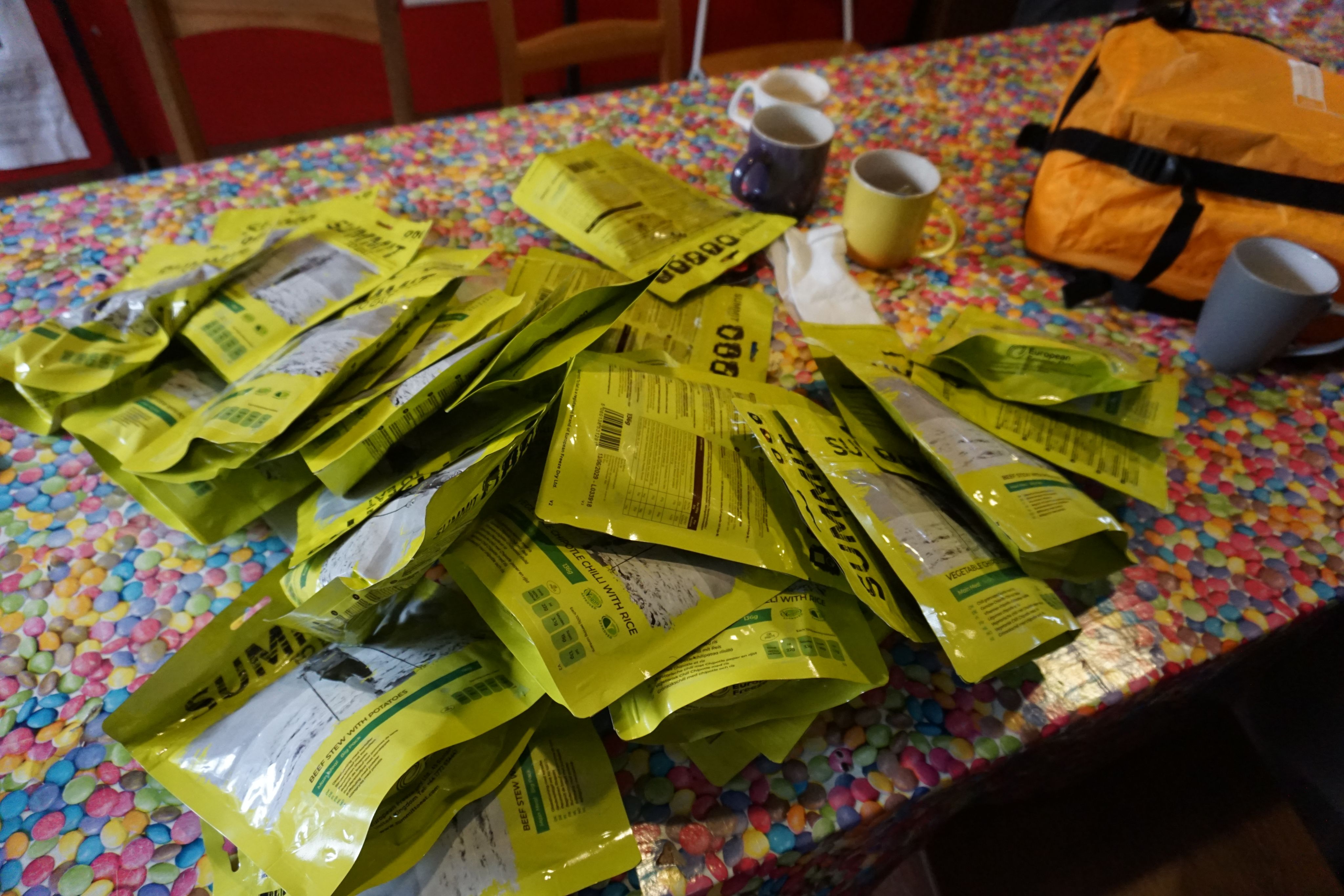
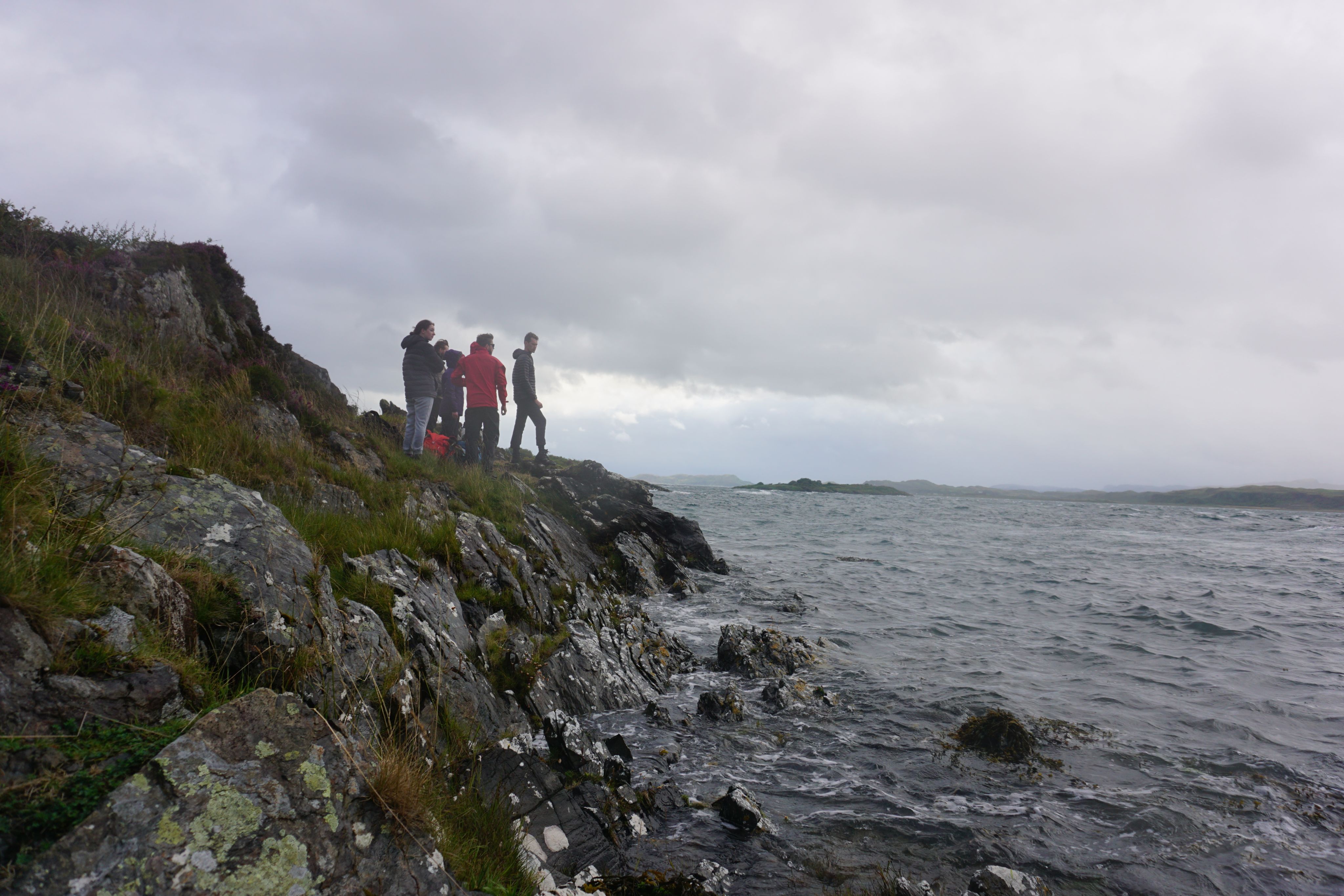
This starts with the landing. The crew are given geological maps of the mission location with any contextual information - such as other landmasses - removed. Phones are handed in on day one. Food, medicine and supplies are limited. The astronauts exist within a 2km radius with just a flight plan and a communication device to contact Mission Control.
Despite remaining within the UK and the brevity of the mission, the effects on the astronauts during MEILI-I were remarkable.
“Astronauts had a huge variety of experiences of alienation, personal growth, and in some cases complete identity reformation,” says Murphy. “They were experiencing time in a different way and had developed their own language.
“The analogue model provides an open environment and a really powerful stimulus for people to change profoundly over the course of just two weeks.”

The results of the research rely heavily on the fidelity of the mission, that is, how closely the environment simulates the reality of space exploration.
“We want to make sure that these missions have the highest fidelity possible so that the data we collect has direct relevance to life on Earth and in space,” says Harris.
“Of course we can’t replicate zero gravity, or make the environment look like another planet, but we want to make it feel like another planet so that the astronauts experience it in the same way.”
The crew followed the same rules observed by flown astronauts in space. Campfires are not allowed, and though their basecamp was metres from the shore, they were not to go in the water.
“Whether we’re on Earth or in space, it’s really a case of being mindful of the environment we are in and the actual risks of that environment.”
One rule took precedence over all others: safety first, mission second.
“We train them to manage the unexpected, but part of that is being able to judge when the safety of the crew is more important than the flight plan,” says Harris. “Conversely, ‘mission second’ reminds them that they can’t just take an afternoon off to relax if they want to, they have a job to do and a mission to deliver.”
As in space flight, preparing emergency protocols and anticipating deviations from the flight plan are integral to the astronauts training, starting with recruiting the right team for the mission.
Part of the MEILI-I Mission Control team, David Heffernan said: “You need people who have specific scientific skills for the research of course, but really the success of the mission lies in whether you can function as a team.
“You need to be able to listen, to work together, and most of all to know when another crew member has more skills to handle the situation than you do.”

Transitioning from Mission Control to the role of analogue astronaut, Heffernan says the roles within the team remain the same, even if the personnel change. This was put into practice on a recent training weekend.
“As Mission Commander, it’s my job to keep things running and look out for every member of the team, but when we had an emergency situation in the mountains during training, there was no doubt in my mind – in that moment we were in Mike’s hands. He has the mountain training, he’s best placed to take command.”
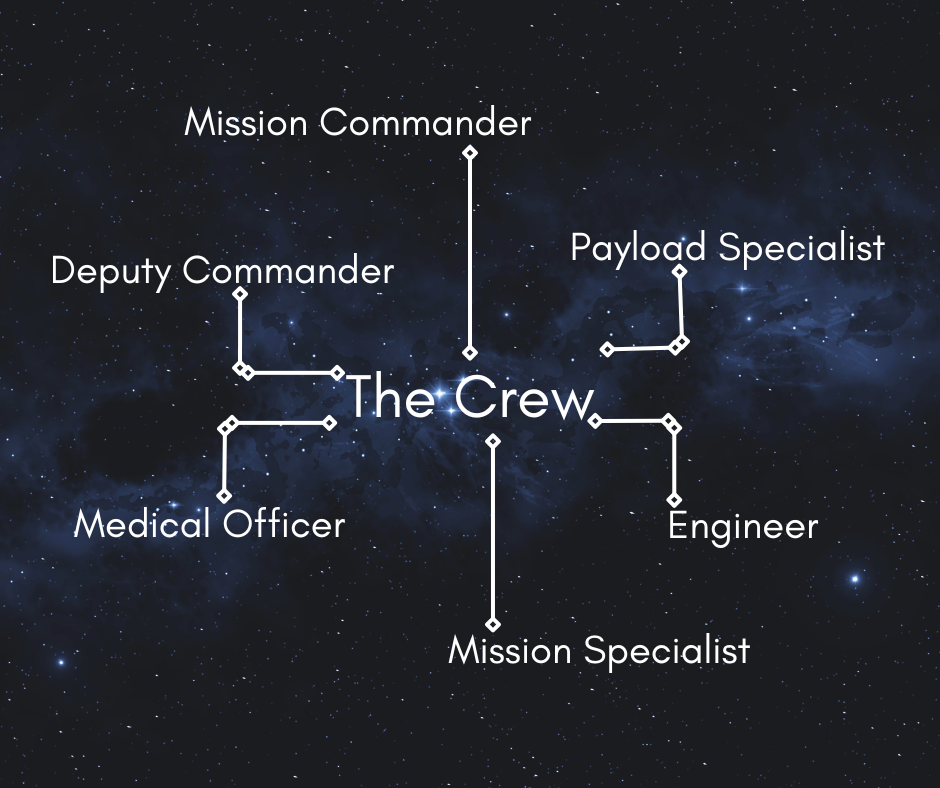
CEO Myles Harris on crew roles and the need to be flexible
CEO Myles Harris on crew roles and the need to be flexible
The training weekends took place across the UK, offering the crew a chance to bond, but also to test out kit and food supplies.
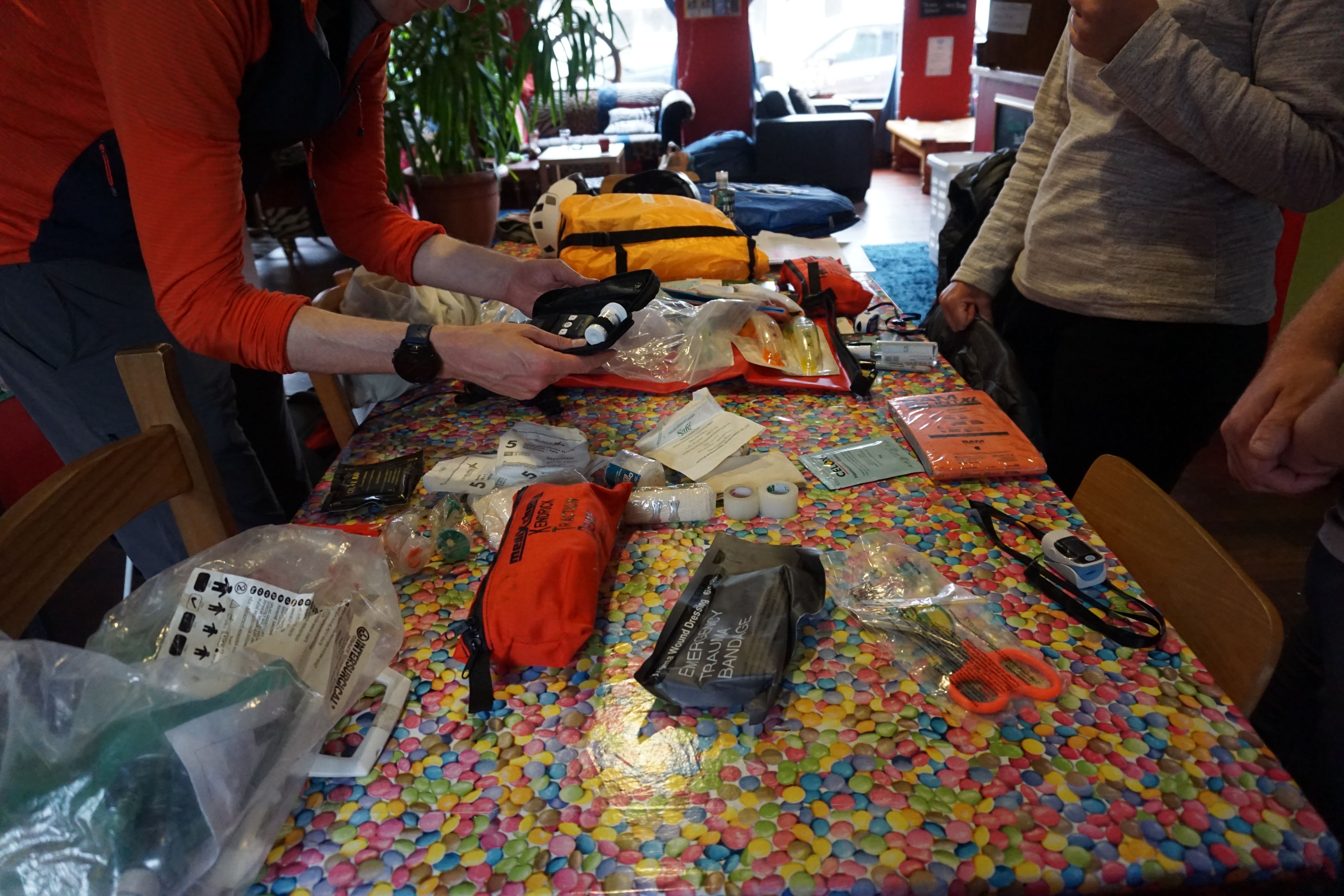
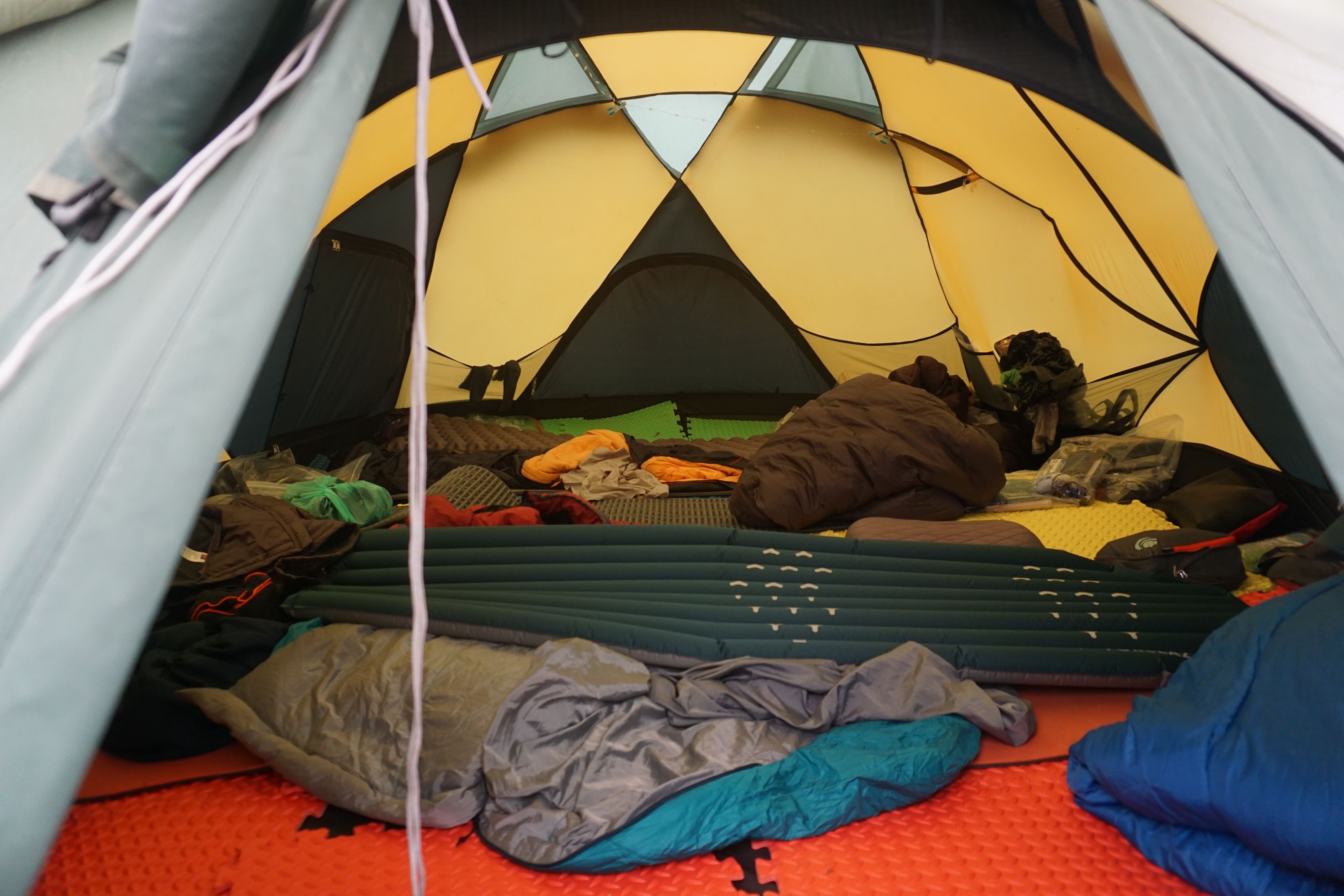
The mission kit list looks like that of any camping or mountain expedition. Freeze-dried food, first aid, and clothing suited to the terrain.
For MEILI I and II, this meant withstanding the volatile Scottish climate, where the danger of hypothermia and heat exhaustion are equally possible.
“We would wear space suits if there was a research need for it - like if there was a new astronaut space suit design that needed testing – but we weren’t going to buy overalls and walk around with motorcycle helmets on our heads!"
“There’s a place for adventure tourism, but that’s a different service to what we’re providing. It’s not experiential, it’s for research.”
The crew come from diverse backgrounds covering mountaineering, medicine, disaster relief, astrophysics and engineering. The spectrum of experience they bring allows them to explore space research from new angles.
“A lot of my work has focused on prolonged field care - mitigating health risks in remote environments with limited resources,” says Harris.
“I was really interested to take this into space research and change the narrative from ‘here are the protocols for how to deal with this if it happens’ to ‘when this happens, how are we going to manage it and what mitigating factors can we put in place beforehand’.
“The MEILI missions give us an opportunity to test new methodologies and tools, but also to conduct research on how these environments affect the astronauts, not just their physical health but their wellbeing, their identity and the way they relate to and build a community when nothing is familiar or predictable.”

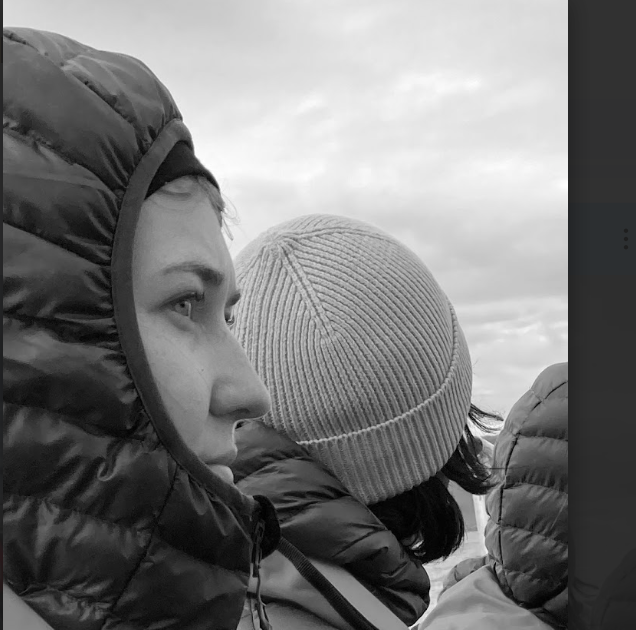
The observations of the pilot crew exposed the need for skills beyond physical fitness or scientific expertise.
“We recruited a group of highly intelligent, highly successful individuals - experts in their field, just as flown astronauts would be,” says Harris.
“They had a series of tasks to complete throughout the mission and it was fascinating to observe some of them fall apart when they failed to complete a task.
“Tolerating unpredictability and failure is an essential part of missions like MEILI, and it's now something we address in their training - purposefully setting them a task that will fail to see how they respond to it."
Improving accessibility and diversity in the field has required a different approach to recruitment of analogue astronauts.
“It’s really important to us that we don’t charge people to take part in these analogues,” says Murphy. “It’s a huge barrier for some people, but we’re also asking them to give up a lot of their time for training and missions.”
Learning from the pilot mission and MEILI-I, the team developed a more resilient and flexible analogue design, deploying to a new ‘planet’ on the north coast of Scotland for MEILI-II last month.
Initially planned as a return mission to the same island, last minute changes meant testing the adaptability of the analogue model in real time.
“We had this plan B up our sleeve, to do this mission on the north coast of Scotland,” said Harris.
“One of our main motivations at SHR is to create a mission design that can be deployed to different environments and very quickly. This enabled us to test that, and it proved that it worked, albeit at a different fidelity.”

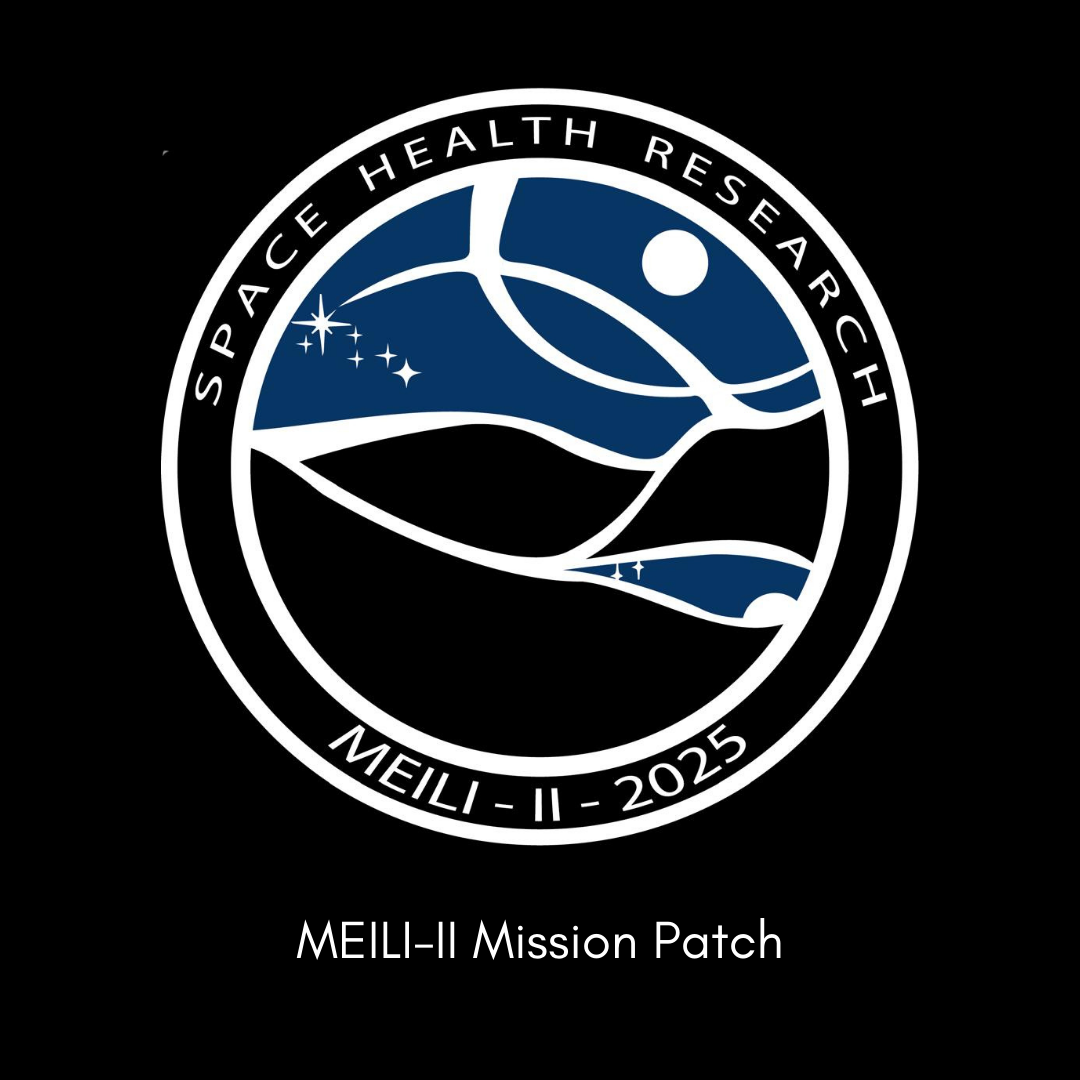
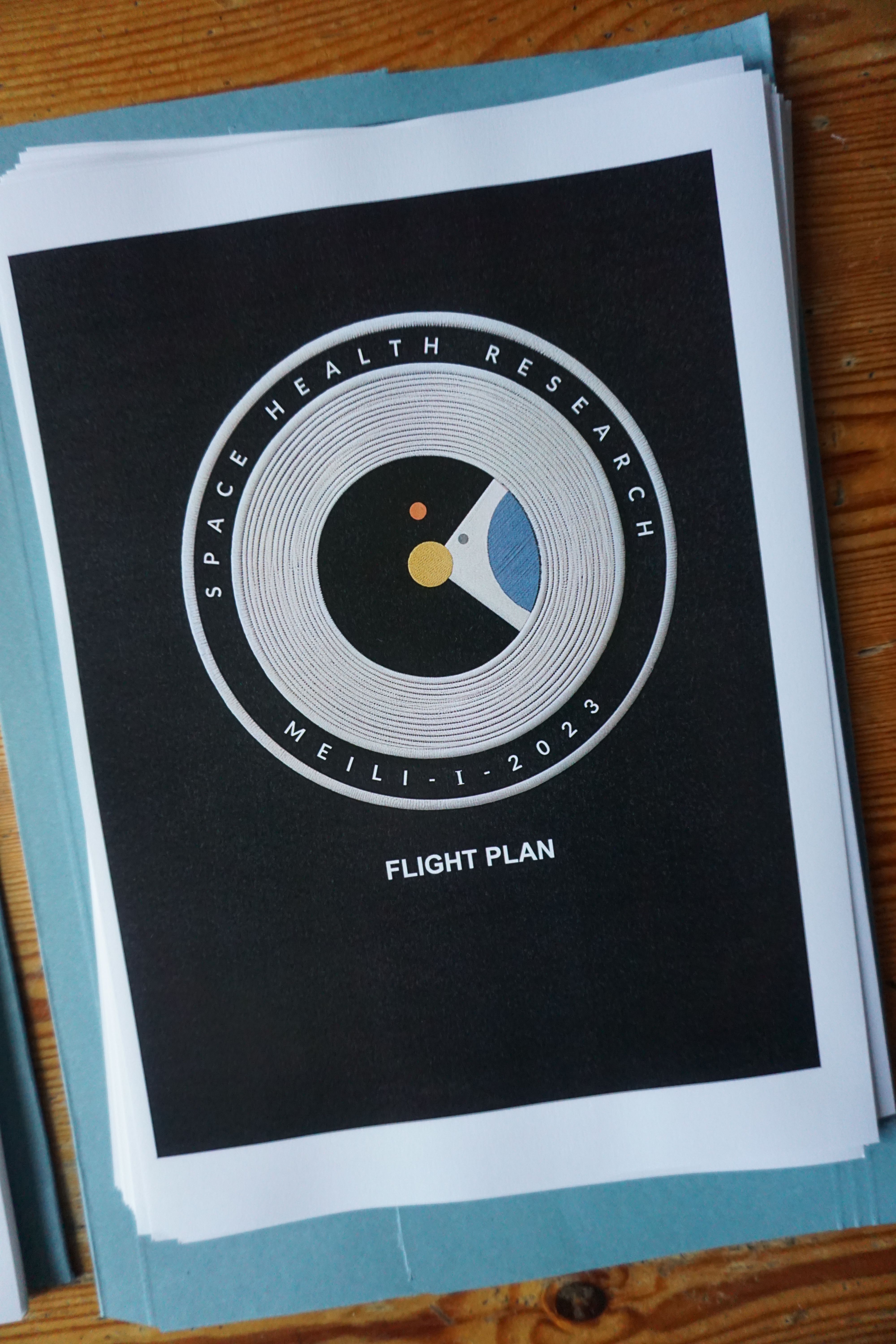
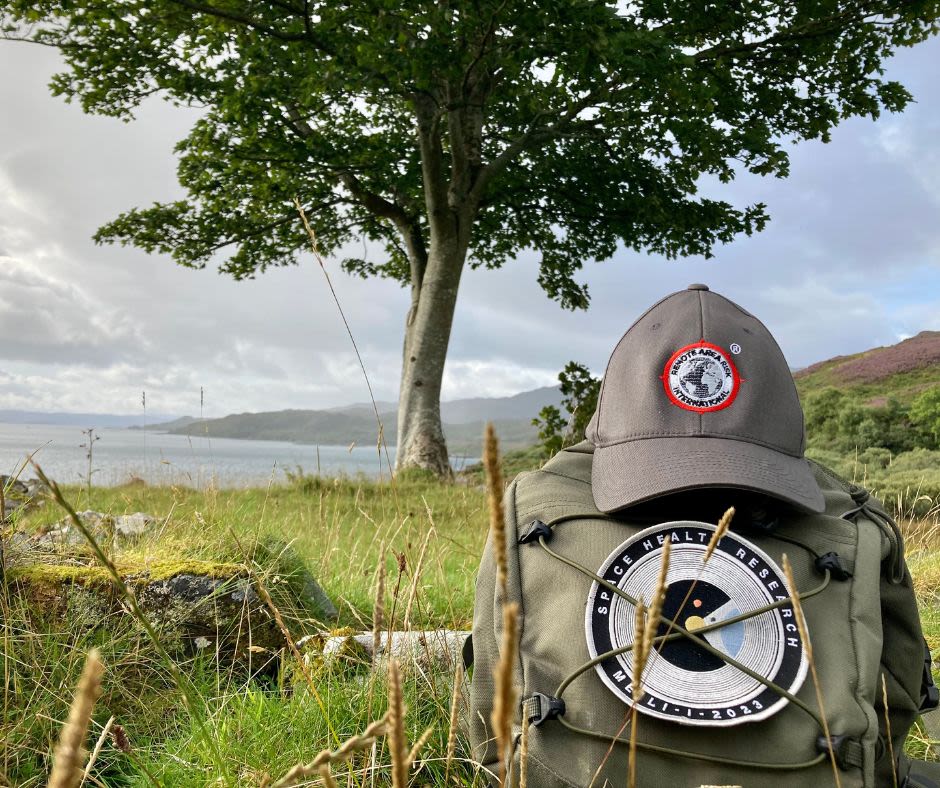
Every human spaceflight has a unique patch design worn by everyone associated with that mission. (Design by Polly Jarman)
Every human spaceflight has a unique patch design worn by everyone associated with that mission. (Design by Polly Jarman)
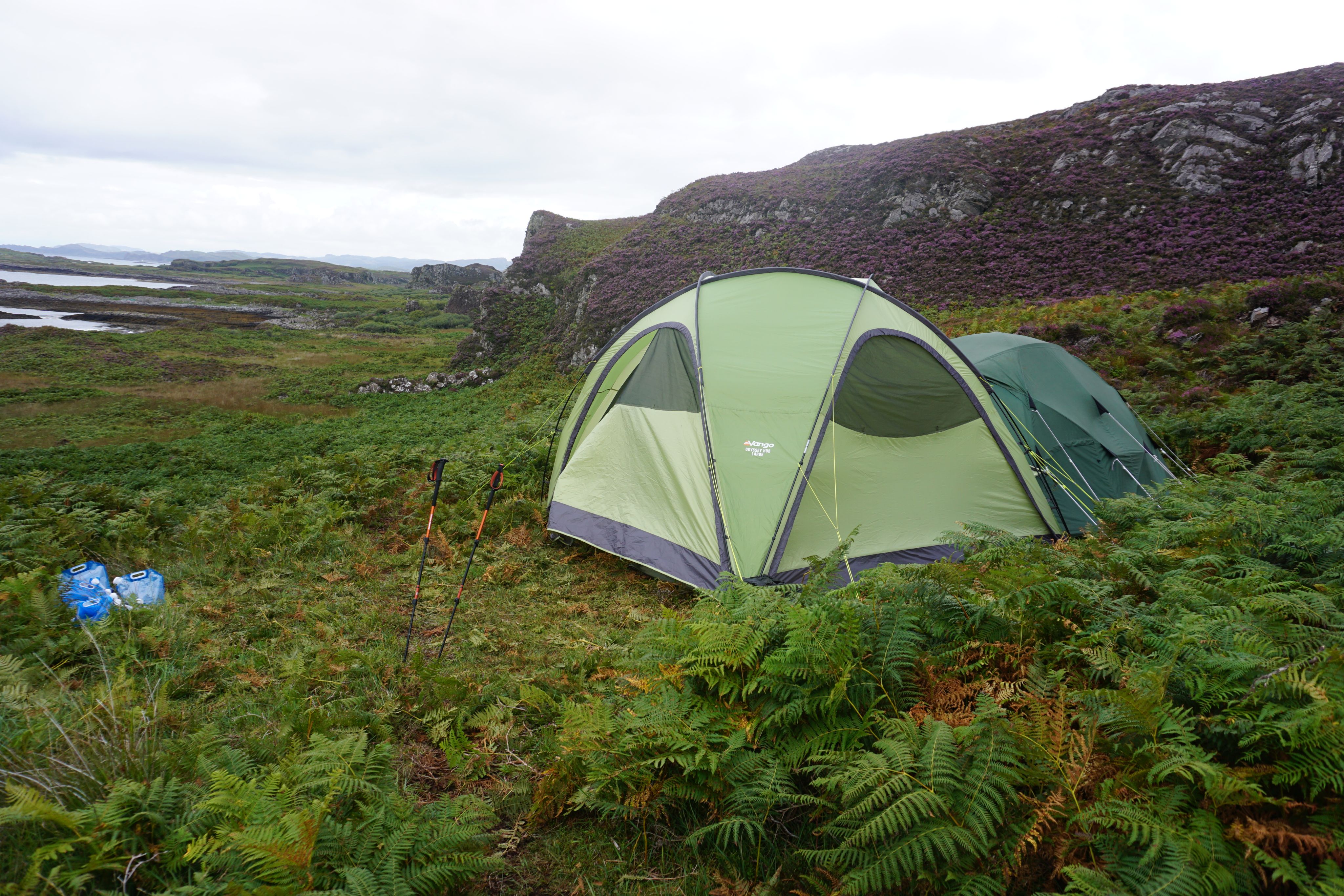
Setting up their basecamp at a wild campsite on the North East coast of Scotland, the proximity to tourists and walkers presented a problem.
“The buy-in to the analogue mission is really important, says Harris. “The astronauts maintained a very high fidelity of simulation which was a great testament to the training but also their ability to work together in any situation.”
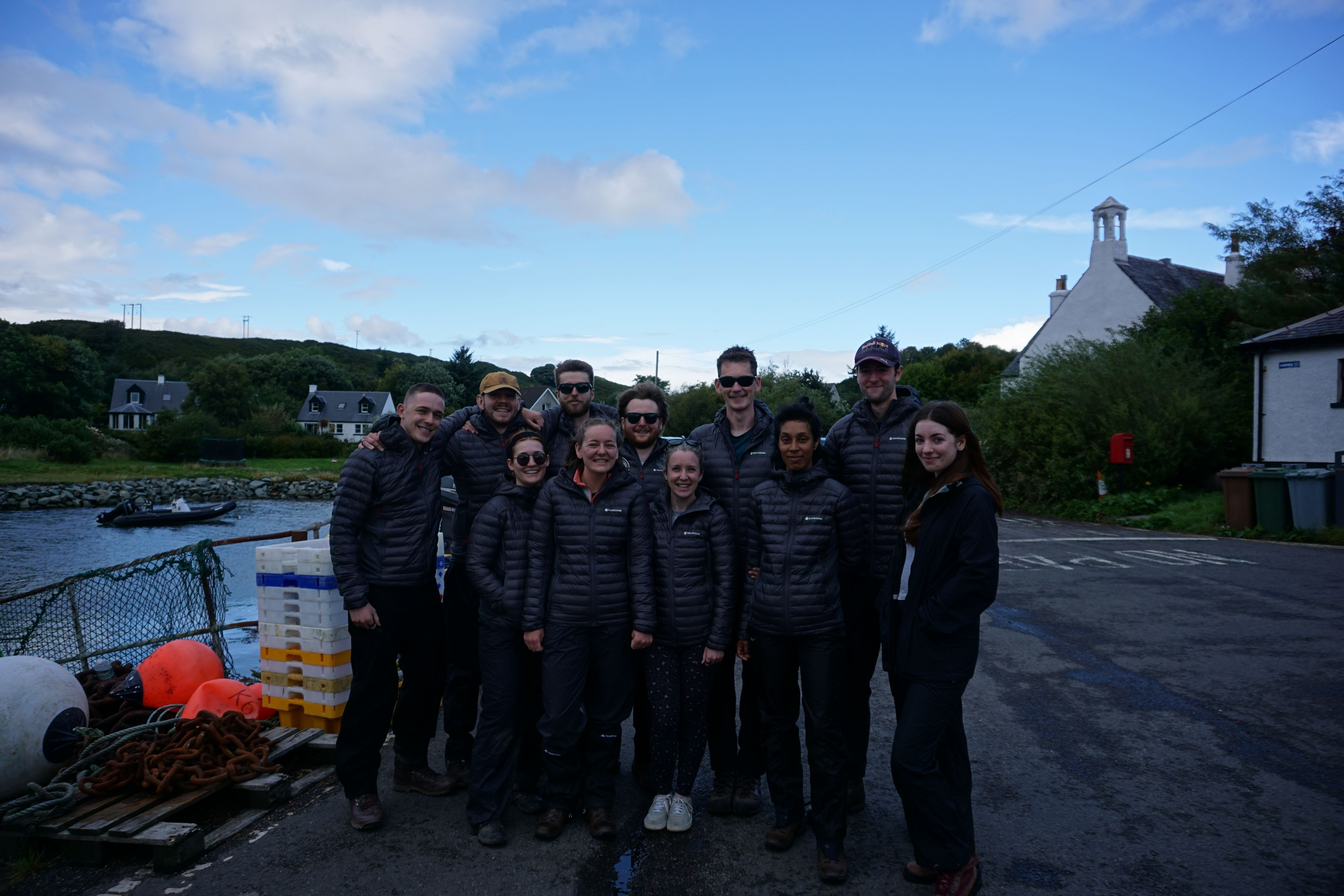
Heffernan, who stepped in to lead the four-man crew for MEILI-II, recognised the importance of establishing this team dynamic in his role as Mission Commander, favouring an unorthodox method of preparation.
“I watched a lot of horror movies! In so many classic horror movies there’s a group of people going through a challenge, fear sets in and nobody trusts each other - it’s all psychological.
“It’s the same for us. We’re isolated in a habitat together for an extended period of time, we might be facing unexpected challenges or have been in wet socks for days - how do we make sure that people still like each other by the end?”
Whether it is learning how we build community in unpredictable situations or advancing the development of science and technology, Murphy says the analogue missions have the potential to directly impact life on earth.
“There’s an idea that there’s no applied, real-world significance for everyday people in space research. In reality, a lot of the basic technology we have now and take for granted has come from space science.
“We’re trying to be creative and allow Space Health Research to be a platform for answering questions that haven’t been asked yet, or that we know we will need answers to in the future.”
Harris agrees.
“All of the research we do has a direct link to improving life on Earth, particularly in areas like health research. It’s an incredibly valuable environment to explore for this purpose as zero or low gravity provides us with a stable environment to test and develop new medicines or observe how biological matter reacts.”
6 everyday items we owe to space science
Cushioned foam used in astronauts seats was developed by NASA to reduce impact during the lunar landing
Small scientific quality cameras developed in the 1990s for use in space are still used in camera phones today
Developed by NASA to avoid astronauts becoming tangled in wires
Use a carbon coating that was developed for space helmet visors
Developed in the 1960s to purify water for astronauts in space
Infrared technology allowed astronauts to take their temperature without removing any clothing
There are geo-political lessons to learn here too, a facet of the work that was a particular draw for Heffernan.
“In the space industry, you have to work together. You can have people from countries that are at war on Earth, but put them all in space and they have to trust each other. The politics is irrelevant.
“By doing this work, surely we can show everybody else that borders are ridiculous – we are all just human beings, and we should be looking out for each other."

For anthropologist Murphy, there are tangible implications for life on Earth.
“What is space travel if not migration? My hope is that the research I’m doing will bridge the gap between terrestrial and extraterrestrial extreme forms of migration,” says Murphy.
“Space represents a place where national boundaries can be set aside. There’s an ability to compromise and work together as a science community when the political sphere is in chaos.”
While the space industry has remained a distant concept to the average person since the days of the space race, the preserve of an elite few in the US or Russia, organisations like Space Health Research want to encourage new people to explore space science.
“A lot of young people who are interested in space might think they aren’t cut out for it, or that they need to be the highest achiever in every subject. Our job is to create opportunities for them to walk through that door,” says Murphy.

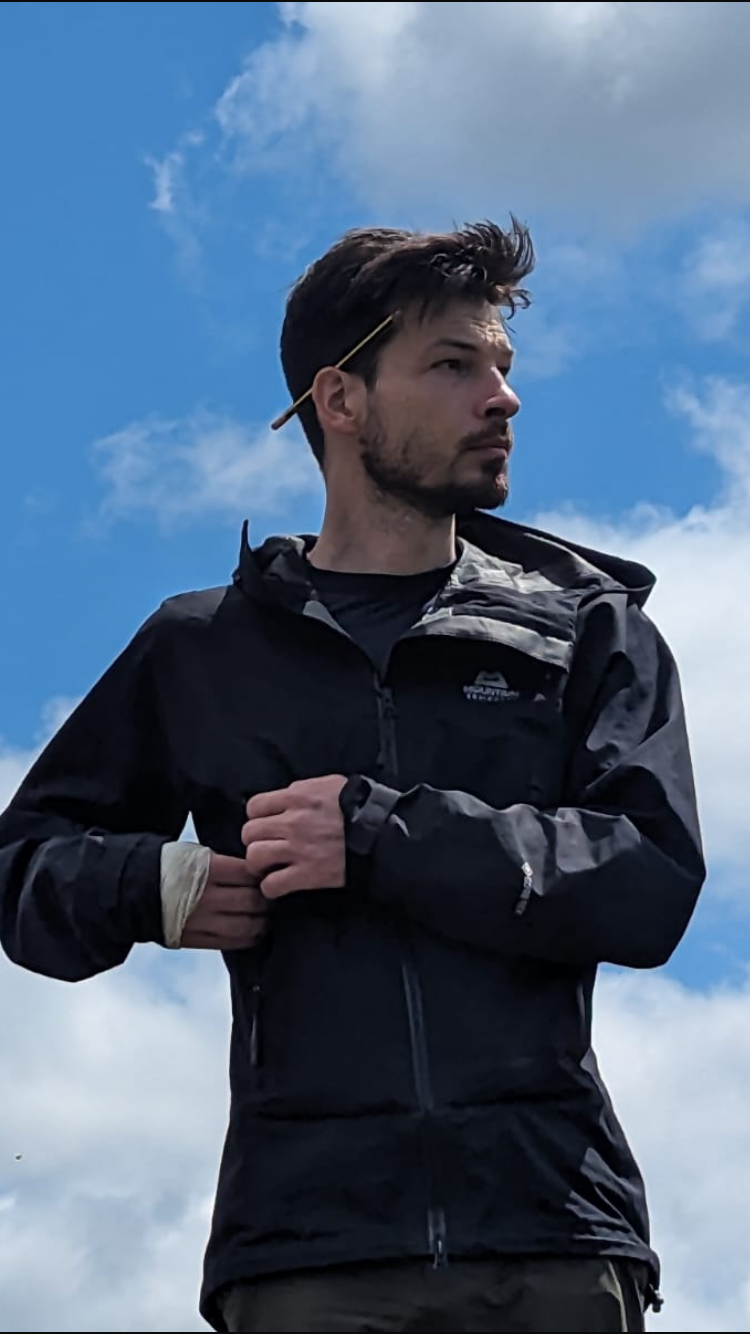
This led to the creation of the Space Exploration Experience Programme (SEEP).
“The educational outreach that we’re offering through SEEP is something I’m really proud of, and we want to do much more in the future," said Harris.
“We have produced an outdoor navigation course with the National Navigation Award Scheme in the UK, and we’re putting together a curriculum to engage with schools, looking at everything from space flight to space science and geology for all levels of education.”
Funded their analogues largely through research partnerships, the creation of SEEP has provided a baseline of funding to support any future missions, with the next likely to take place by 2027.
Whether through research or outreach programmes, Space Health Research is shattering illusions of an industry reserved for the few, advancing space science for the benefit of all communities. From space to a remote island off Scotland.
Compass image: Canva
All other images provided by Space Health Research
Graphics: Kate Relton
 Built with Shorthand