
The fight to stamp out antisemitism in Greater Manchester
As antisemitism spikes in the wake of escalating conflict in Palestine and Israel, Becca Sproston explores how two educational programmes are tackling long-running problems of anti-Jewish hate in Greater Manchester.

“Go back to the gas chambers.”
That’s what a Jewish man was told after he finished the Great Manchester Run in May.
Just the previous month, vandals had smashed windows at a Jewish cemetery in the city and damaged two gravestones.
These are just two of the 132 antisemitic incidents reported in Greater Manchester in the first six months of the year, according to the Community Security Trust (CST).
That figure is 29% higher than for the same period last year.
In August this year, things became so bad that some schools in Greater Manchester had to employ security to protect children after receiving bomb threats.
And this was before the recent spike in hate crimes after the escalation of conflict in Palestine and Israel.

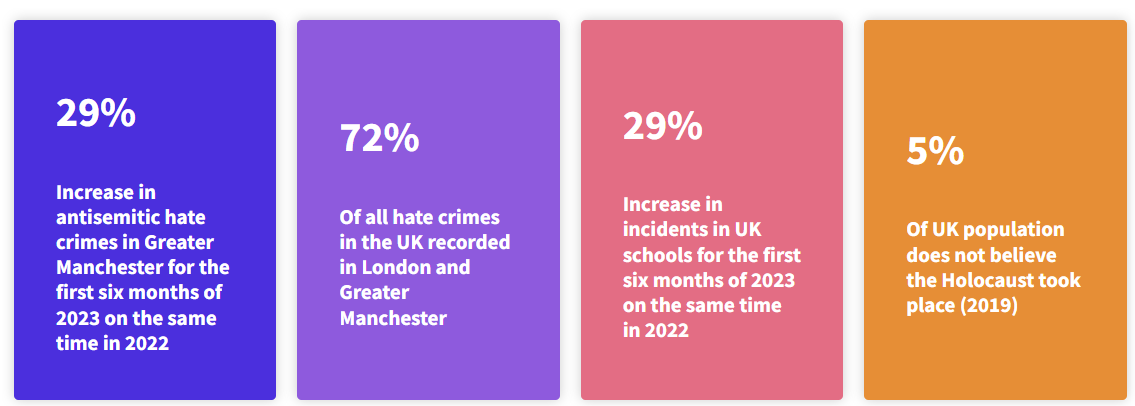
Source: CST
Source: CST
CST chief executive Mark Gardner said: “Every single month, British Jews are reporting over 100 antisemitic hate incidents to CST. It shows the base level of anti-Jewish hatred.”
And while the ongoing conflict between Palestine and Israel has shone a spotlight on antisemitism, the problem is not new. Far from it.
But what's being done?
Educating young people is one way to tackle the root of the issue and Chancellor Jeremy Hunt announced in the Autumn Statement £7million over three years for organisations tackling antisemitism in schools and universities.
Hunt said: "When it comes to anti-Semitism and all forms of racism, we must never allow the clock to be turned back."
Chancellor Jeremy Hunt
We spoke to two groups working in the Greater Manchester educational community which have been working with teachers over the past few years to tackle antisemitism in the classroom.
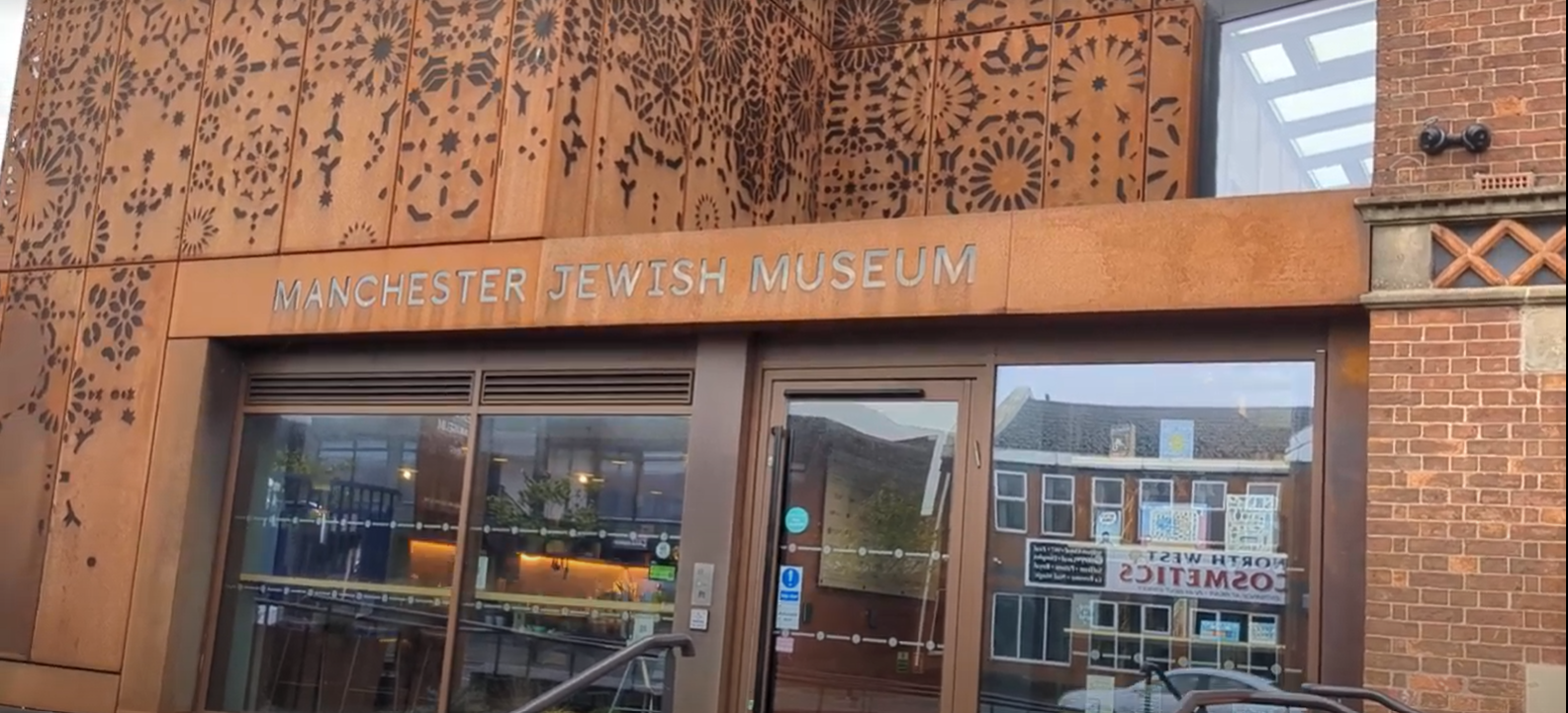
Manchester Jewish Museum
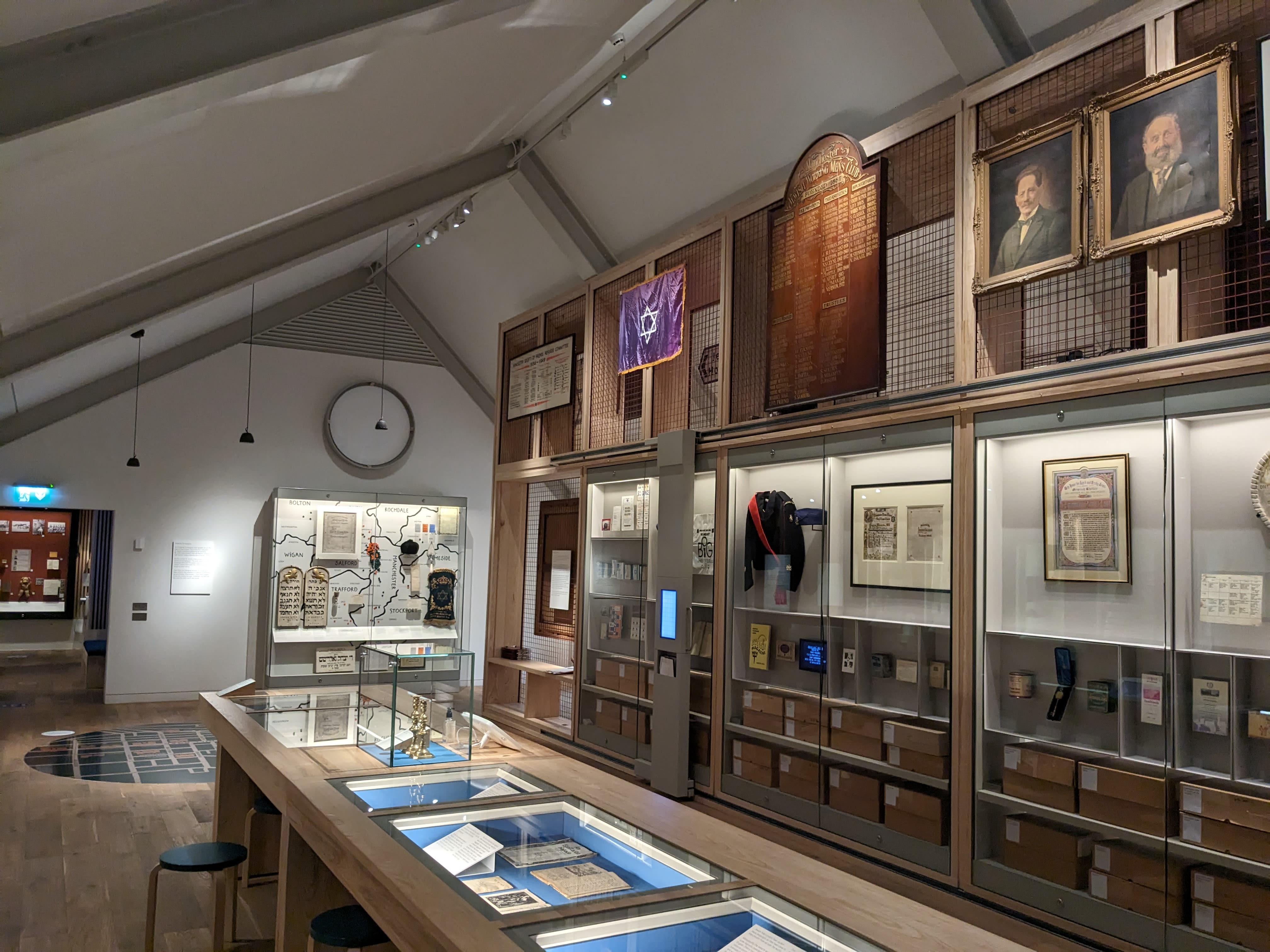
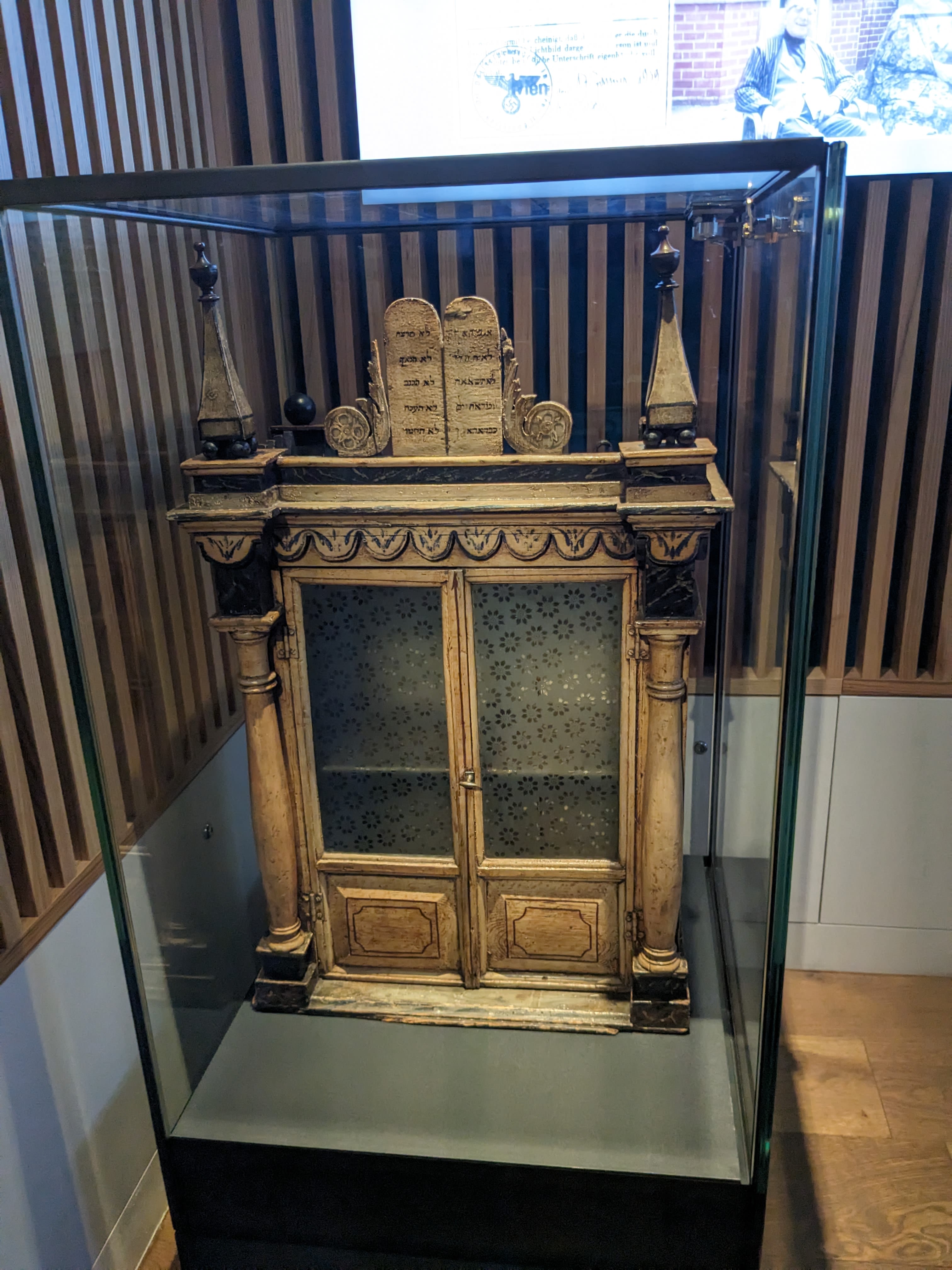
Manchester Jewish Museum – which underwent a £6million upgrade in 2020/1 – is home to more than 31,000 artefacts.
Maddie Foster, Creative Producer at Manchester Jewish Museum

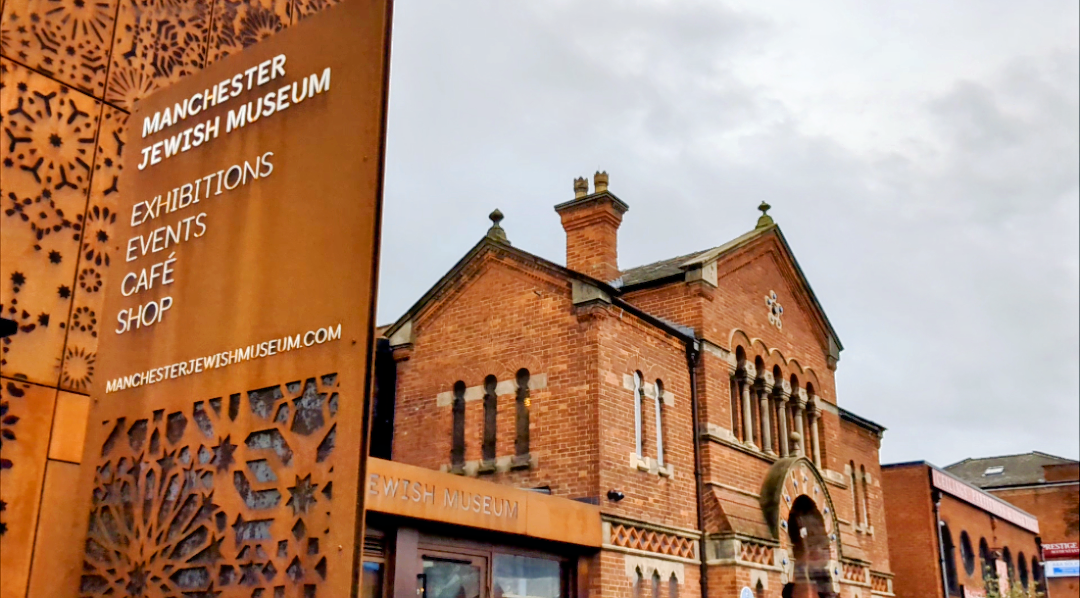
“It’s not just a religious focus. We focus on the community in Manchester and the diversity of it," the museum's Creative Producer Maddie Foster said.
“The thing I find really inspiring about working here – the driving force behind not only the education team but everybody – is this idea that we’re in a really diverse, multi-cultural city.
"Let’s celebrate that by representing the Jewish Mancunians. We’re going to use that as a springboard not only to talk about Jewish culture but diversity and multi-culturalism.”
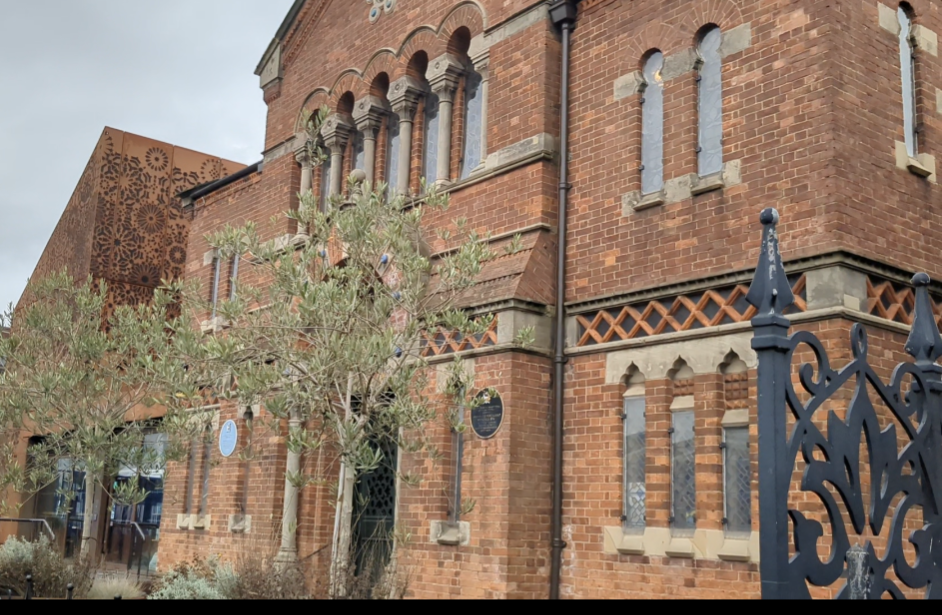
Set just 10 minutes from the city centre, the museum's striking modern exhibition space is juxtaposed with a historic synagogue.
Though no longer an active place of worship, the vaulted ceilings, stained glass windows, and richly embellished railings provide an optimal setting for community meet-ups and celebrations.
The Museum uses this space to offer two school workshops, focusing on hands-on learning and highlighting commonalities as well as differences between Jewish religion and culture and others.

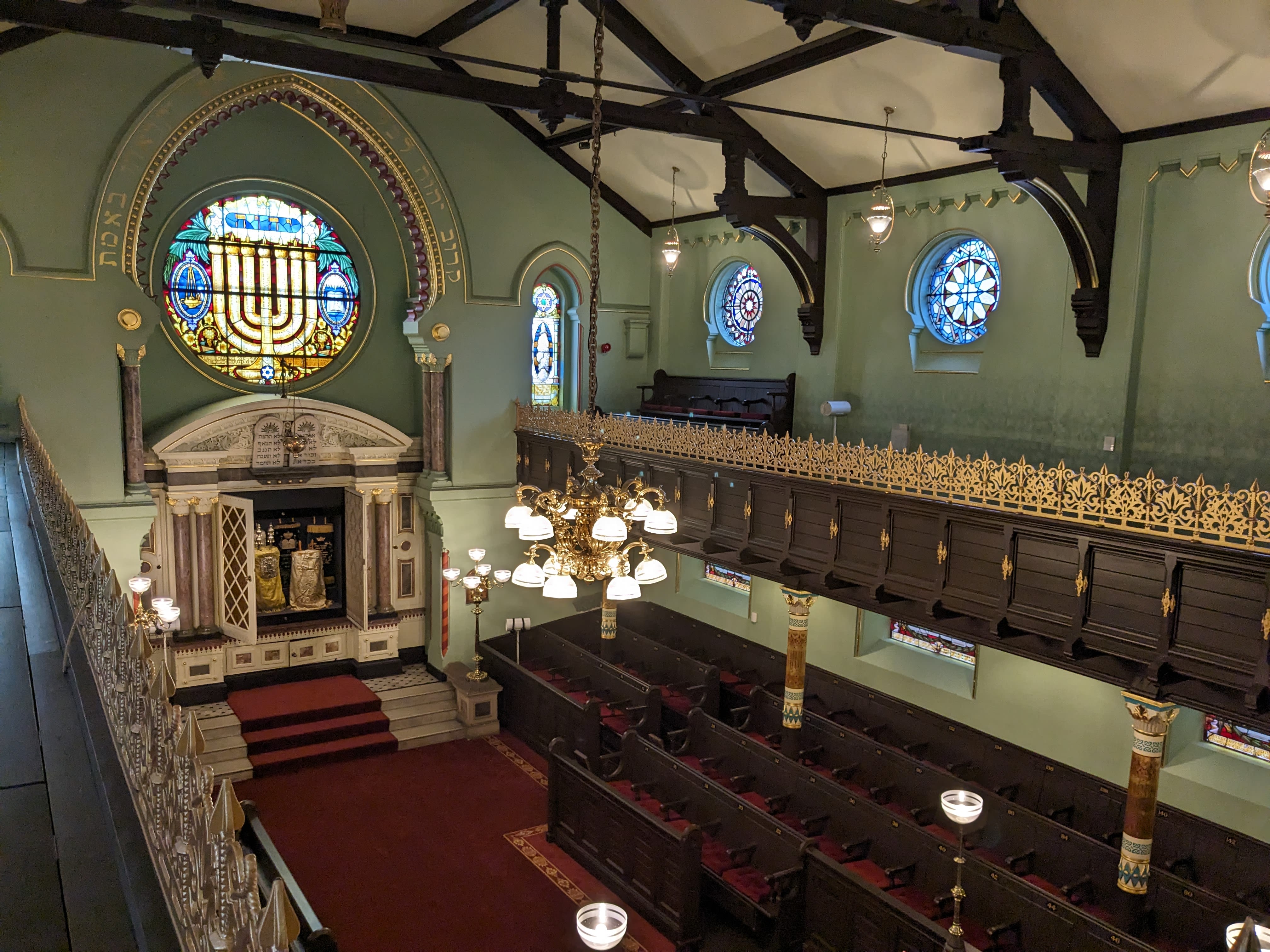
The half-day workshops - Synagogue & Sabbath and Festivals & Feasts - combine religious education set in the synagogue with interactive experiences like baking challah bread, scavenger hunts, and handling artefacts.
And visiting students have loved this learning experience.
Maddie said: “There’s always this really lovely spirit of curiosity and I think students appreciate having a space where they can ask questions about Jewish culture and religion, and not feel wrong or rude.”





With social media changing the face of antisemitism, the Jewish Museum is recognising the importance of its work now more than ever.
“It’s a constantly changing issue – the face of it will be different now because of social media compared to what it was say 10 years ago," Maddie said.
“We’ve had anecdotes from teachers in training and people at the start of their careers, in placement in schools, that they’re teaching RE and they’re hearing antisemitic comments coming from children in secondary schools, repeating stuff they’ve heard at home. They themselves are concerned.
“Teachers are saying it’s probably coming from home and also social media – let’s be real. They’re consuming this on Tiktok and Twitter and regurgitating it, not really knowing what they’re saying – and that seems to be a problem in schools.”
But Maddie said that teachers don’t feel equipped to deal with the problem.
“They feel like in school there’s a lack of tools they need," she said.
And so, through teacher-training programmes, Manchester Jewish Museum is helping teachers to build confidence to approach difficult conversations in the classroom.
Facing History and Ourselves UK
Another organisation helping to empower teachers to tackle hate in the classroom is Facing History and Ourselves UK.
They've worked with 8,500 teachers since 2019 offering training and classroom resources to be implemented across the country. In the next year, they want to work with 1,500 more.
The intention?
To empower staff to facilitate difficult discussion and debate in classrooms so that bigotry and hate does not fester in the darkness.


Michelle Perkins is a Senior Programme Associate at Facing History.
She recognises the potent mutations of antisemitism spreading in society.
“All of these historical tropes of antisemitism are being repurposed and repackaged online," she said. “Covid sparked a lot of anti-group hatred whether that was anti-Asian hate or anti-Jewish hate.”
But Facing History aims to create safe spaces for discussion to help unpick the dangerous antisemitic tropes children are regularly exposed to.
“Our approach is to encourage students to make connections between the past that they're studying and then in this present day. To do that, we want to encourage these amazing young people … to feel like they are agents of change," Michelle said.
“It’s about supporting teachers to create safe and brave classroom spaces where students can negotiate, discuss, debate and listen actively and with empathy, challenge but do so respectfully.
“If you don’t have a classroom environment where students feel that they can ask questions, you’re shutting down their ability to learn and debate and think more widely. If we don’t make space for students to talk about the worst that they’ve seen, how are they then going to understand and think about ways that don’t take them down that channel?”
Facing History has produced structured modules with classroom resources on topics such as the conflict in Israel and Gaza, contemporary tropes of antisemitism, and bystanding.
And the programme is clearly working. The charity found that, after the lessons, 96% of Facing History students agree that it is important to challenge inequalities in society.
Recently, Manchester Jewish Museum partnered with Facing History to develop their teacher training programmes.
Teachers have long been on the frontline trying to combat antisemitism.
But the scale of the problem is growing rapidly.
The recent escalation in conflict in Palestine and Israel has led antisemitic and Islamophobic hate crimes to soar.
Marc Levy, the Chief Executive of the Jewish Representative Council of Greater Manchester, said recent events in Israel and Gaza have had a particularly tragic impact on hate crimes against the Jewish community.
He said: “In non-Jewish educational settings, Jewish teachers and students are being targeted.
“Whenever there is conflict in the Middle East, the Jewish community is always subjected to a huge surge in hate crime. The brutality and the number of war crimes committed by Hamas mean we are sadly seeing … Jewish people targeted.”
On 19th October, the Education Secretary Gillian Keegan wrote to schools with advice on how to respond to the Israel-Hamas conflict.
Keegan said: “In the past, we have seen how events in the Middle East are used as an excuse to stir up hatred against communities, including in schools and colleges.
“It is of the utmost importance that schools and colleges tackle this head on and ensure that where behaviour extends into antisemitism or other discriminatory bullying, it is responded to with all due seriousness.”
The Department for Education did not want to comment for this article.
Just as with the bomb threats in August, some schools in Manchester are increasing police and CST patrols after rising security threats against Jewish students.
John Dalziel, the headteacher of King David High School, Crumpsall, said, “Our main priority is that our school is a place of safety.”
And, with the help of Manchester Jewish Museum and Facing History and Ourselves UK, it is teachers fighting to make that safety a reality.
 Built with Shorthand