
Olympic touchdown: Flag football grows in the UK
Flag football, a rapidly growing sport in the UK, will be one of the new events in the 2028 Los Angeles Olympic Games. Jasmine Collett meets coaches and players to discover how the sport is already taking its roots in Manchester and what we can expect now it will be on the world stage.


A high school football field nestled in the heart of Greater Manchester, a place you may least expect members of an NFL team to appear.
Yet there stood Minnesota Vikings legend Jake Reed, towering over the school kids as they looked up at him in awe.

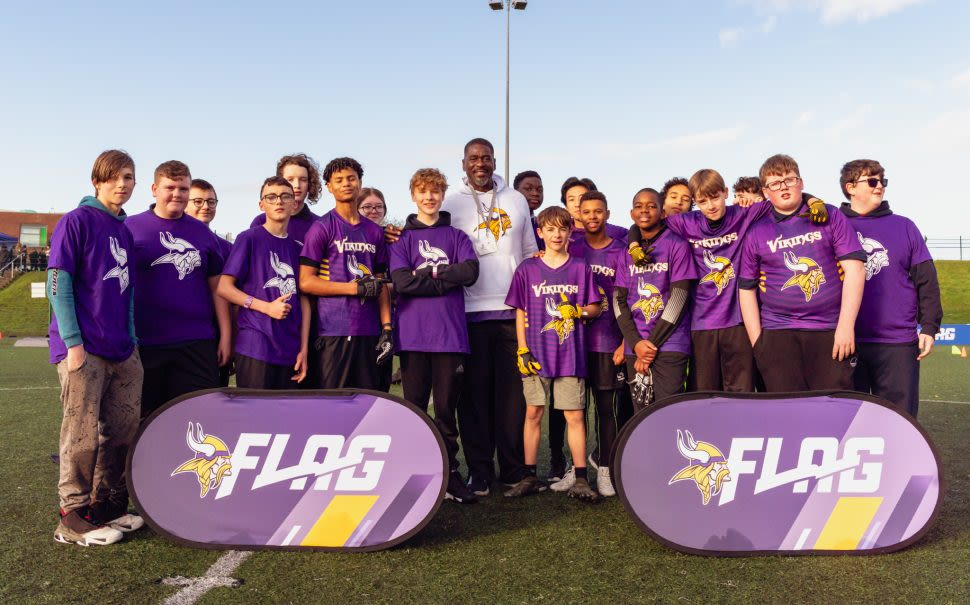
But why was he there? It all comes down to one of the fastest-growing sports in the United Kingdom - flag football.
The Vikings staff had arrived at St Anne's Academy to treat pupils to a flag football masterclass, giving children a taste of the sport.
On a brisk but sunny Friday in November, Reed shared his love of the sport with all the pupils in Middleton.
Reed said: “The sport is open to everybody, for the guys and girls, and it’s such a fun thing to do to build team spirit and team leadership.
“Some of the kids have told me it really brought them a lot of confidence and morale in school and what they do on the field also shows up in the classroom.”
As a sport, flag football only started to grow in the UK since the 1980s, and although it’s relatively new, its popularity has recently sky-rocketed.
This October, the decision was made to add the sport to the 2028 Olympic Games in Los Angeles - so it seems likely it will grow even more.
The non-contact version of American football, where tackles are made by pulling off flags from players’ hips, has grown globally.
And Reed, a retired wide receiver, anticipates that the Olympics will serve as a source of motivation for young enthusiasts.
“Getting the sport on the global radar and on the stage like the Olympics, there is truly nothing else like it and I am hopeful I will see these Manchester kids in the 2028 Olympics and I look forward to it,” said Reed, who played for 12 seasons in the NFL during a glittering career.
The talent that caught Reid’s attention wouldn’t have existed without the efforts of Rob Kevshar, St Anne’s flag football coach.
The teacher set up the school team five months ago and so far has seen success after success.
The aspiring athletes won their regional finals and then represented the Minnesota Vikings in the UK Championships at the Tottenham Hotspur Stadium this year, finishing third.
The team’s confidence has been on a steady incline, and the coach looks forward to the ongoing development.
Mr Kevshar said: “Sport aside, I have seen my team grow in confidence, the team spirit they all have for each other is great and they are always looking out for each other.
“Out of the eight kids that I have in the team at the beginning, I wouldn’t say they were all necessarily great friends to start off with but now when I look around the school they are always looking out for each other.
“I am now getting around 30 kids coming to me after school club, and there are some kids who wouldn’t even take part in PE and now they are all running around with a smile on their face, it’s just amazing to see."

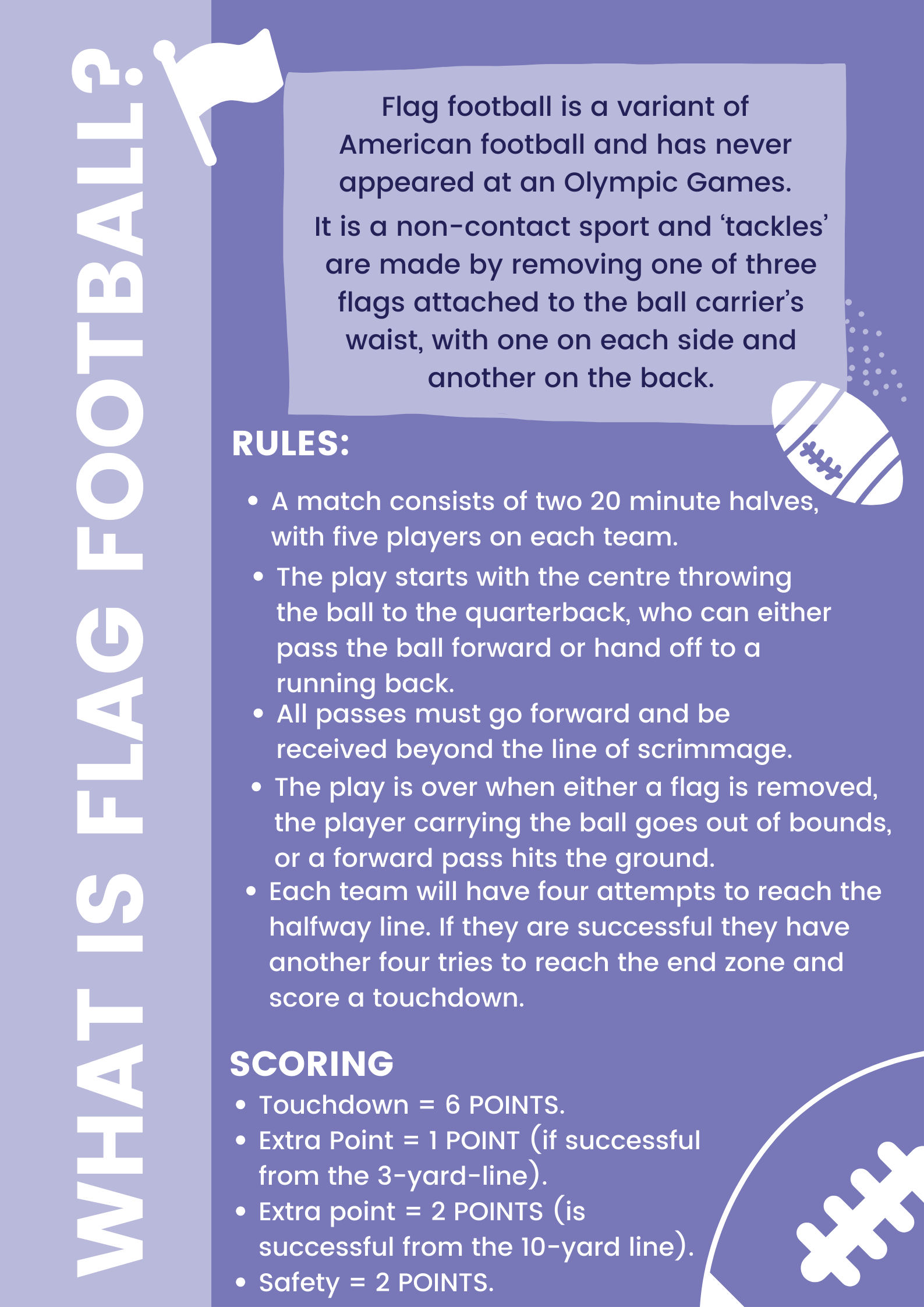
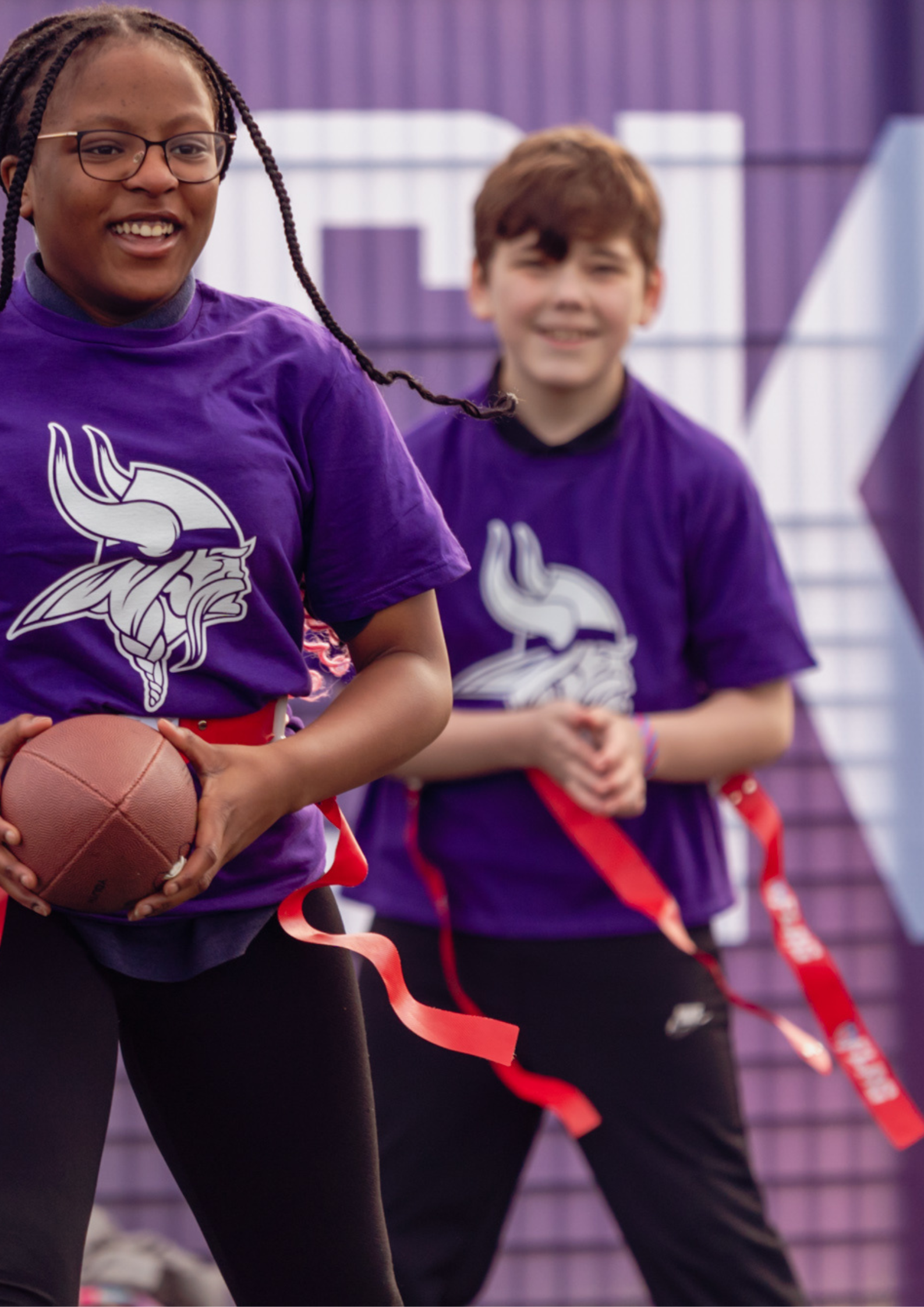
And it seems the flag football bug is beginning to spread.
Among children aged six to 12, tackle football participation shrank 29% from 2016 to 2021, according to Project Play's data, while flag football went up to 15% despite the pandemic's lockdown measures forcing everyone to stay inside.
There are 40 clubs in the BAFA (British America Football Association) National Flag Football league, the championship for mixed adults.
The league runs from April to August, with teams battling it out to qualify for National Finals Day and ultimately be crowned National Championships.
You can find your nearest flag football club on this map of the North West:

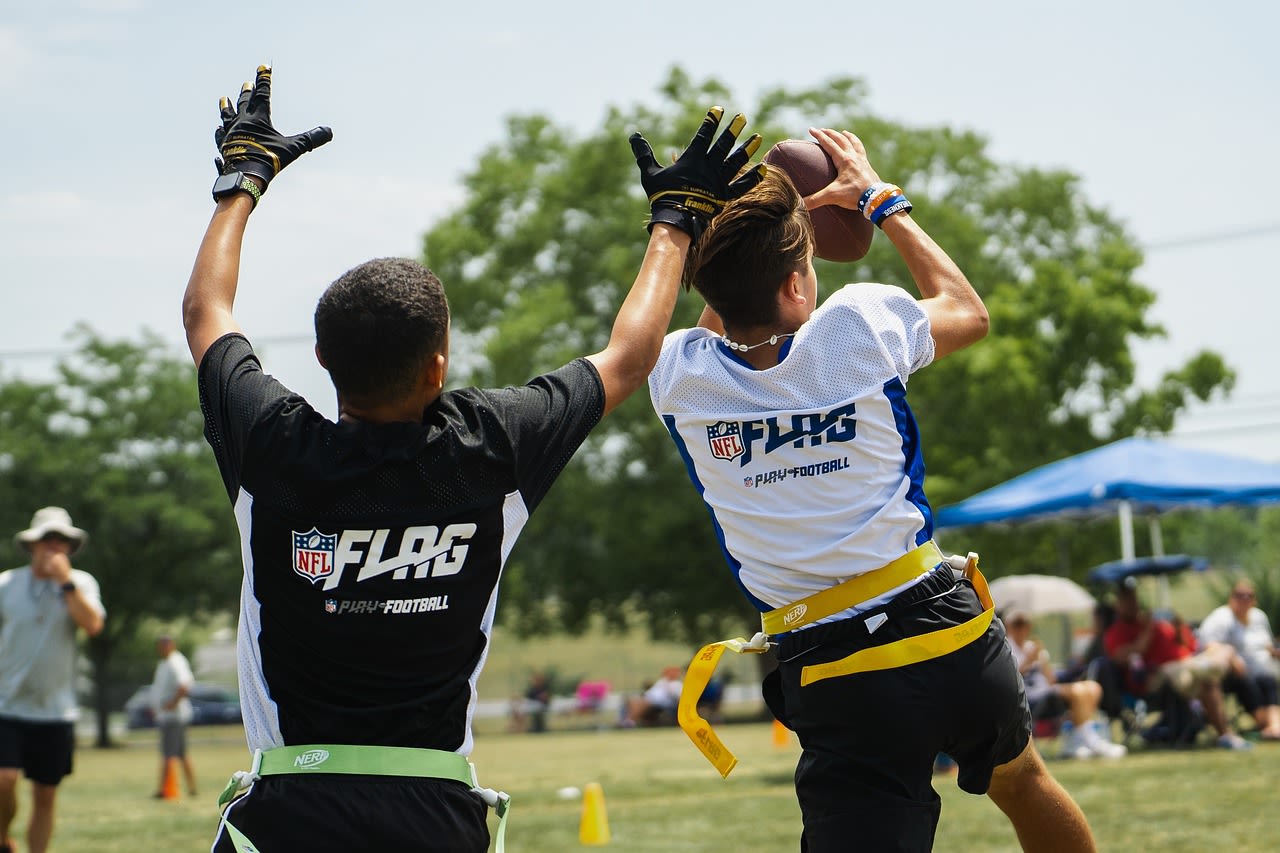
Among those eagerly thrilled about the Olympic involvement is Manchester Crows founder, Phillip Shanahan.
The team manager is at the forefront of promoting flag football in Manchester through his journey of setting up his team.
The team was one of the first to be set up in the city back in 2015, with many players coming from the contact version of the sport.
Since then they have travelled more than 2,600 miles in pursuit of the sport and are continuing to grow as they prepare to introduce a second team, a women's team, and a youth team.
Shanahan said: “Flag football is by far the best team-building sport to be a part of because everybody has a very set role on the five-a-side team and if one person doesn’t do their job then their whole team falls apart.
“So it teaches you teamwork, accountability and to be a dependant member of a team. It’s all about being committed to your teammates and it’s a wonderful sport for building character, especially in the youth sort of stages.
“It has grown at a very quick and sustainable rate over the last ten years and in the last year, whilst the Olympics have been rumoured, it has exploded which is great for us and I imagine in the lead up to 2028 it will double in size again.”
He founded the club when he felt his contact career was coming to a close.
Now, the local team play against teams in the north of England, whilst also stretching to Scotland to play cross-conference away games.
The non-contact club play 12-16 games over six game days, before qualifying for the UK playoffs each year in Manchester.
Next year, the club will travel to the Netherlands to compete internationally.
Flag football is not only safer than contact football but it could save some pennies too.
According to the British American Football Association, it will only cost £30 to enter a player for the 2022-23 season compared to £45 for the contact sport.
Shanahan said: “Out of the many advantages of playing flag over contact, one of the main ones is there isn’t really a cost barrier.
“A lot of people come to flag football from contact and they’ve usually spent a couple of hundred pounds on kit, pads, helmets, whereas flag is just a bit more of an easily accessible version.
“Most people in sports usually already have a pair of football boots, and pick up some gloves along the way and you are ready to go."

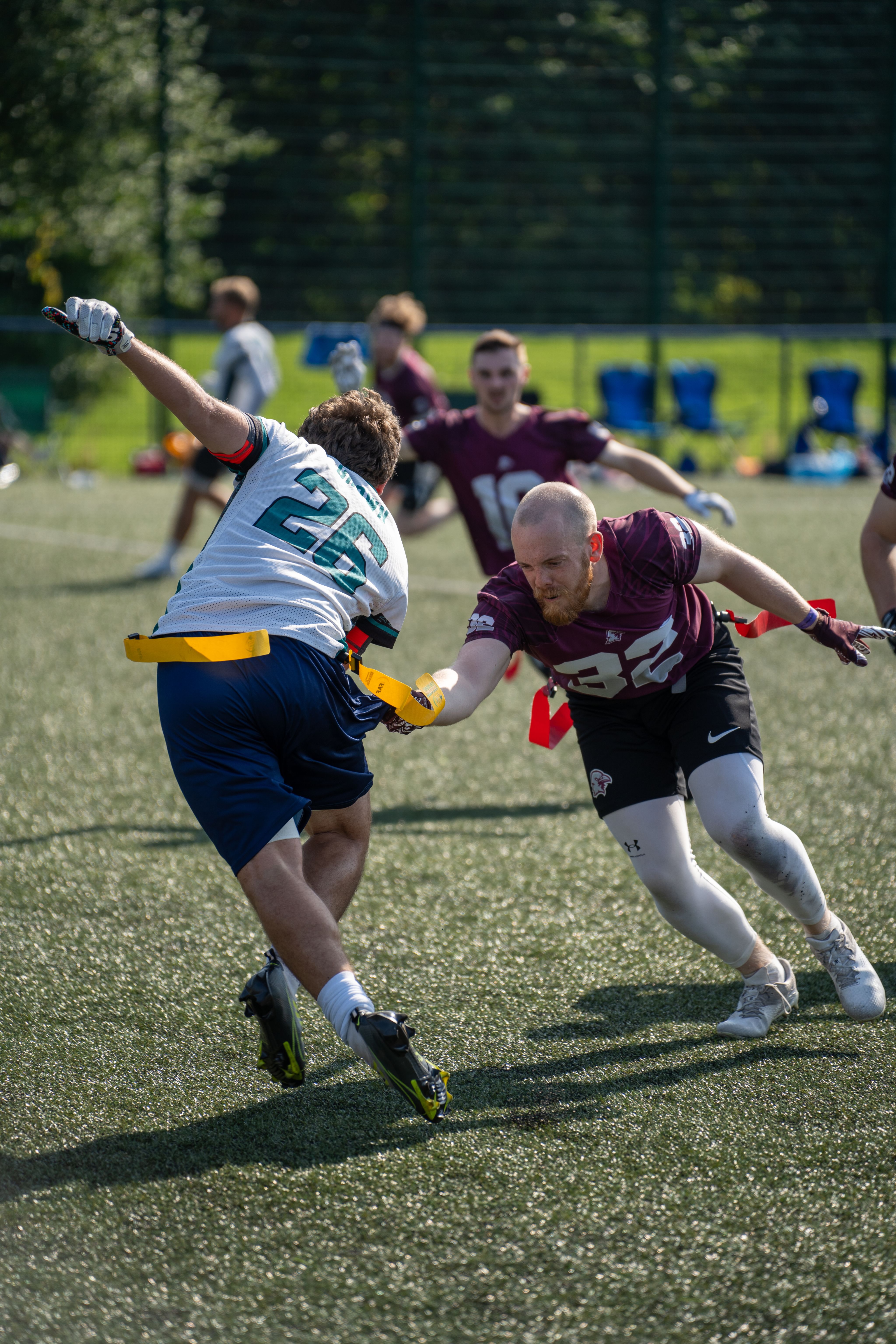
Image: Dan Hanslow
Image: Dan Hanslow
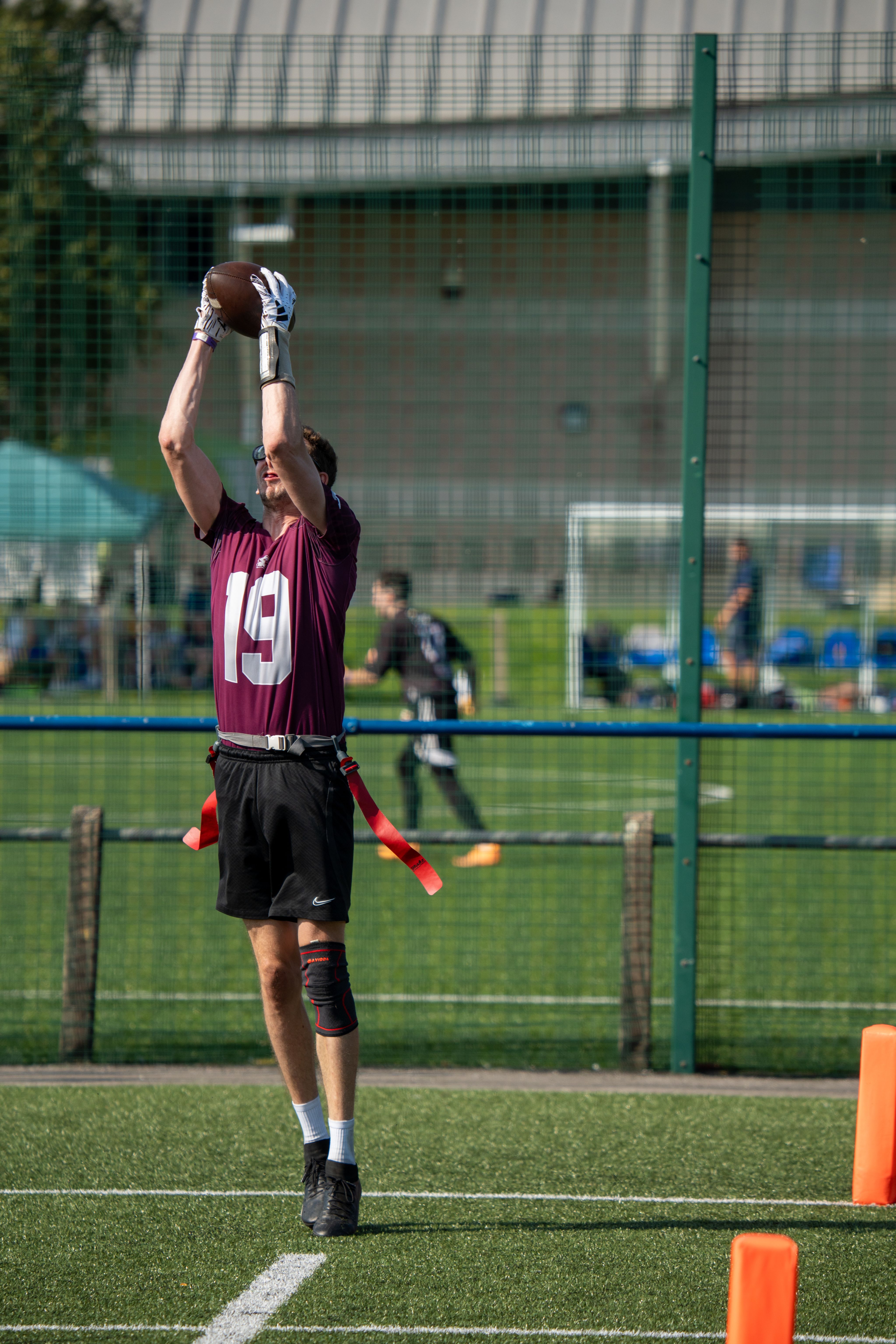
Image: Dan Hanslow
Image: Dan Hanslow

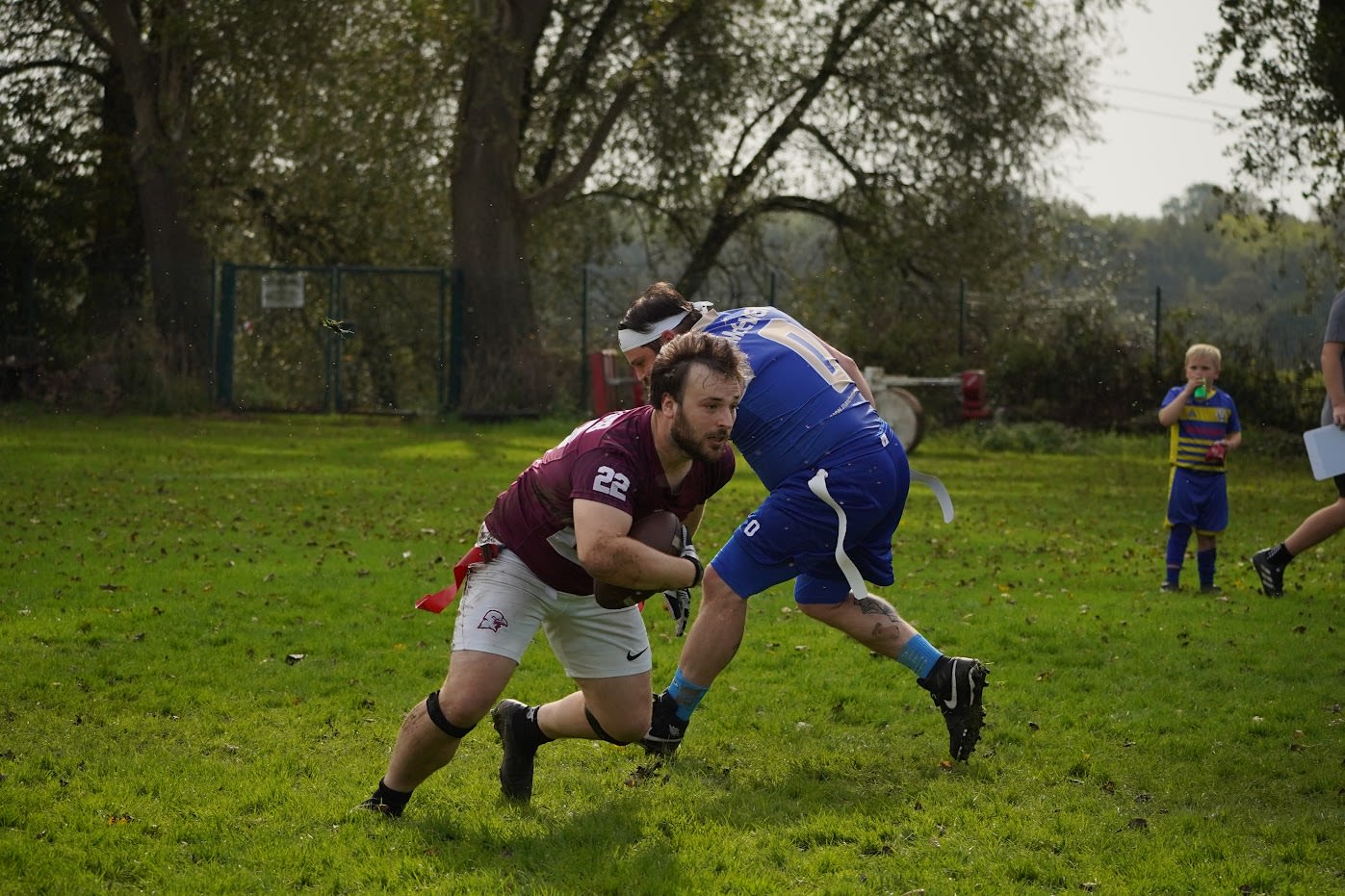

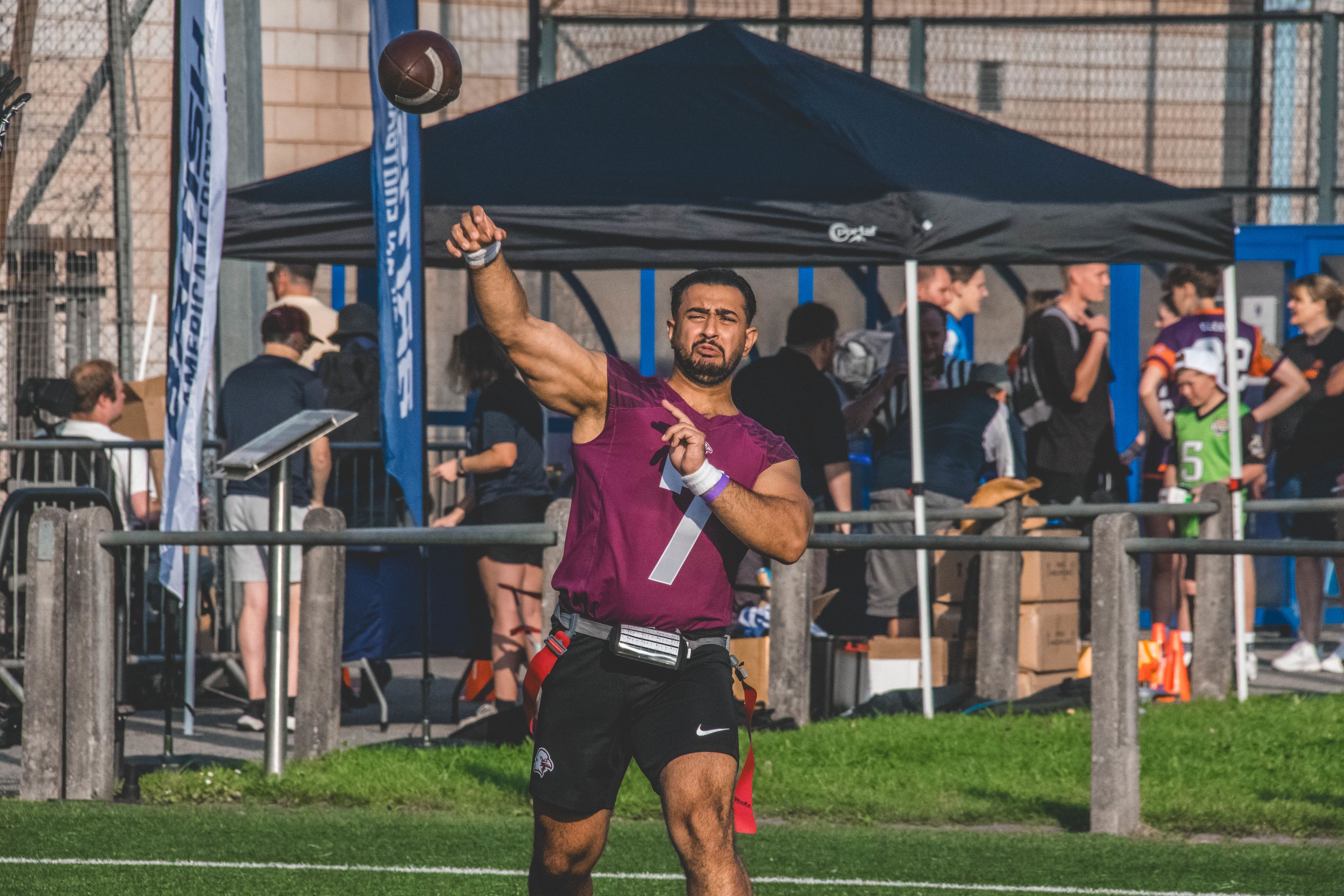

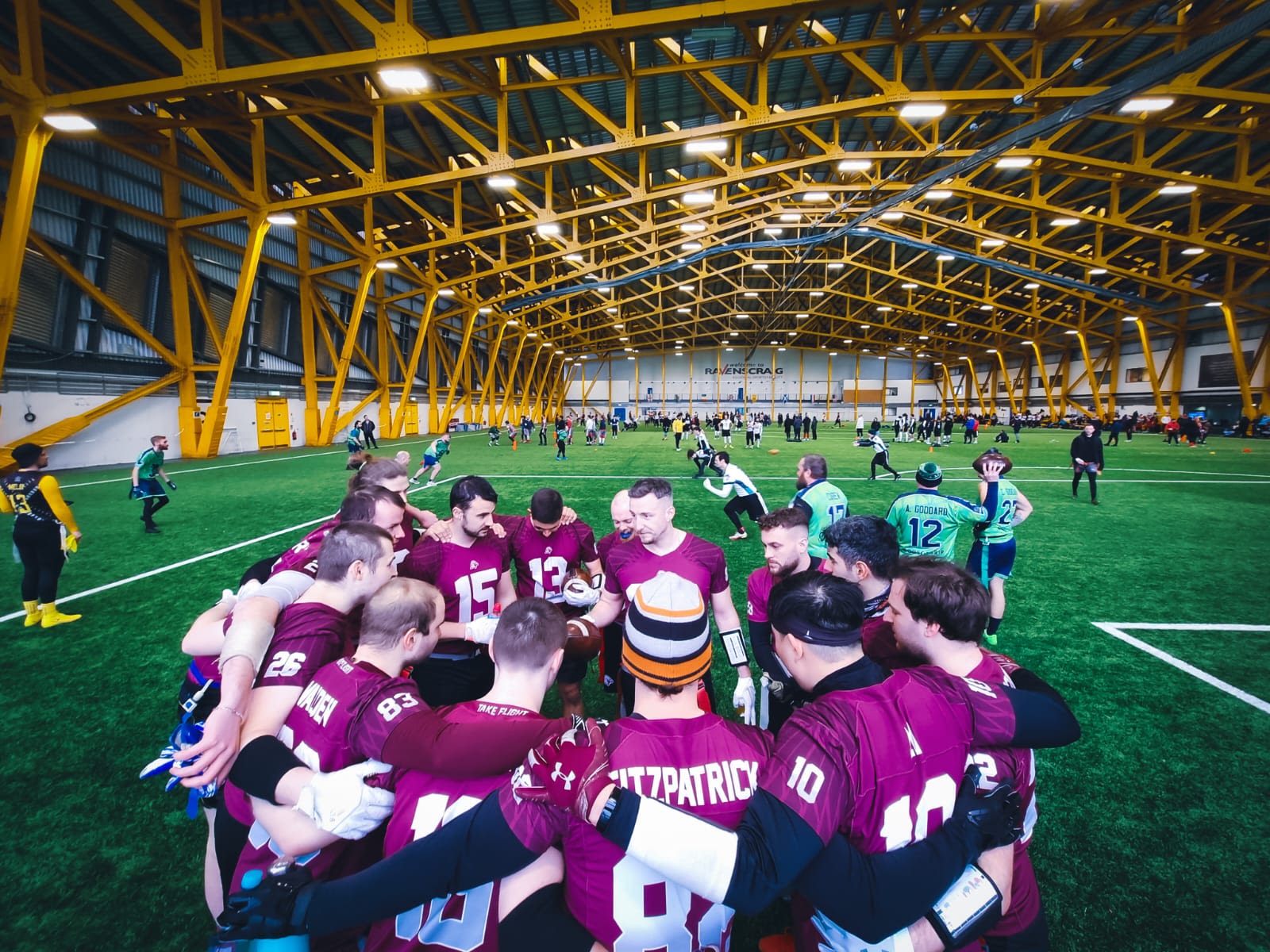

Image: BMR Visuals
Image: BMR Visuals

Image: BAFA
Image: BAFA

Image: Rob Connor
Image: Rob Connor
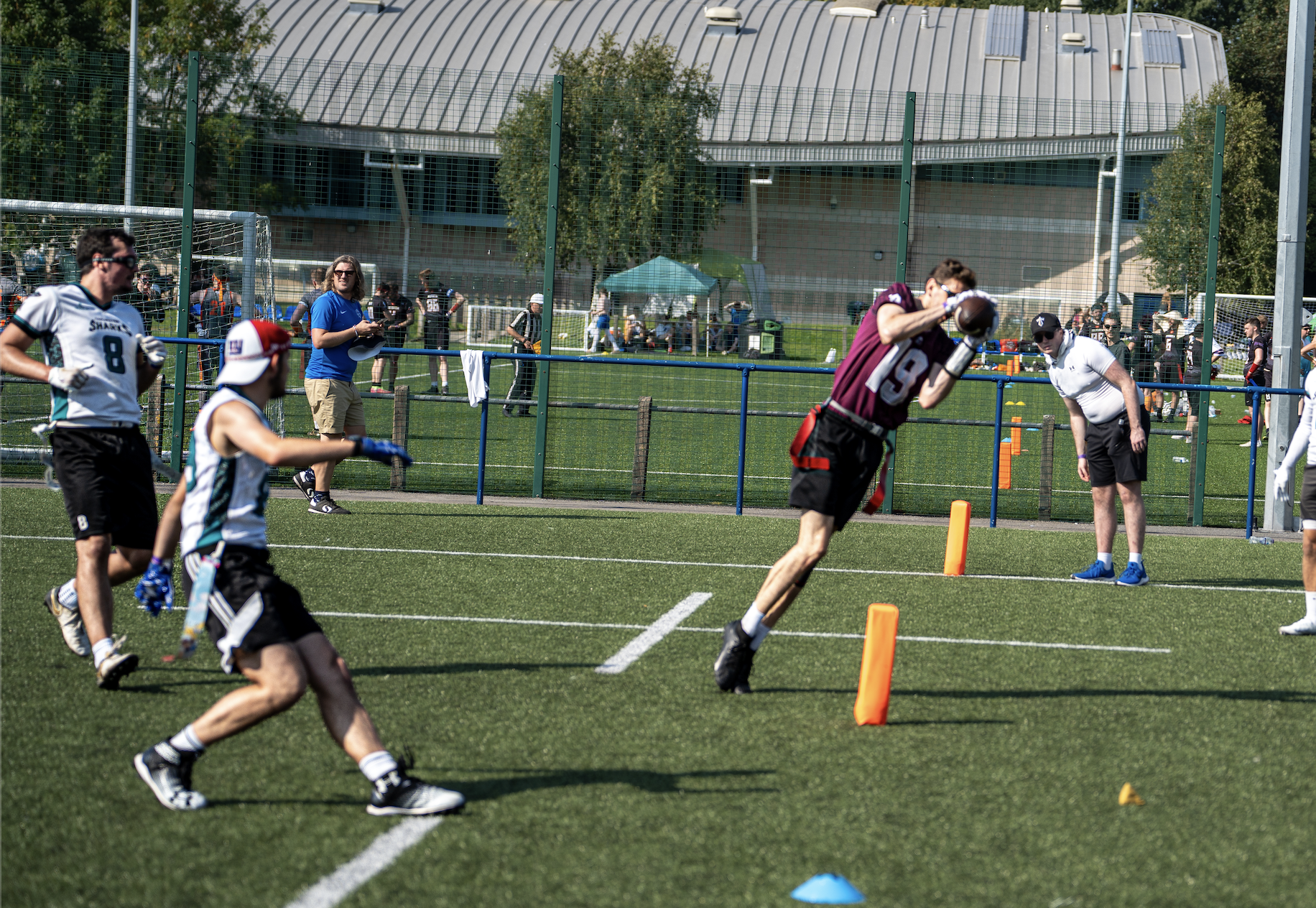
Crows head coach, Liam Harper, plays for Great Britain’s national team and is aiming towards the Olympics in 2028.
Harper only picked up the sport in 2019 and has already seen more than 20 teams join the league.
Despite the enthusiasm surrounding the Olympics, he believes the small amount of funding available in the sport will mean players can't commit fully to training for the LA games.
He said: “We are all completely self-funded players and we all have full-time jobs, we had to pay our own way to the European Championships this year and I don’t think that will change for us.
“It won’t change for us as flag football players unless we get other funding from other sources potentially but I think from the UK Sport Funding - which funds Olympic sports - I feel like we are going to have to be part-time athletes, full-time work.”
He is eager for the team to commit to putting in the hard work and with the rising popularity across the UK it will be easy to find the motivation.
Harper has his hopes high for the country.
He said: “It depends really on how seriously the British American Football Association wants to take our preparation for the Olympics and in getting us ready because there is no reason we couldn’t go there and get a Bronze.
“There is no reason why not.”

Who knows? In five years' time, the pupils from St Anne’s may be performing on the Olympic stage too.
Representing his country in the sport he loves the most would be a dream for the school's flag football captain, 15-year-old Aubrey Simmons.
He said: “I am going to shoot my shot and aim for the Olympics, because why not? I would love that so much.”
From America to Manchester, this sport has brought light to so many lives. And those involved are convinced they’ve only just begun.
“It has grown at a very quick and sustainable rate over the last ten years and since the Olympics have been rumoured, the sport has exploded which is great for us,” added Shanahan. “And I imagine in the lead-up to 2028 it will double in size again.”
 Built with Shorthand