
Mental health and benefits: “No one's ever taken it seriously”
Labour is making big budget cuts to disability and welfare support: first-hand experience of the DWP vs PTSD, expert opinion and response to potential changes in the benefit system.
By Divine Neza


Explaining myself before a judge - it’s like I was on trial. My only crime, being disabled. Sitting in court, it felt like another trauma to endure.
Personal Independence Payment (PIP) isn’t given simply for having a health condition and it’s not an unemployment benefit - it’s awarded based on how your disability affects you. I’m a “strong Black woman” so it felt like my pain was dismissed, along with my claim.

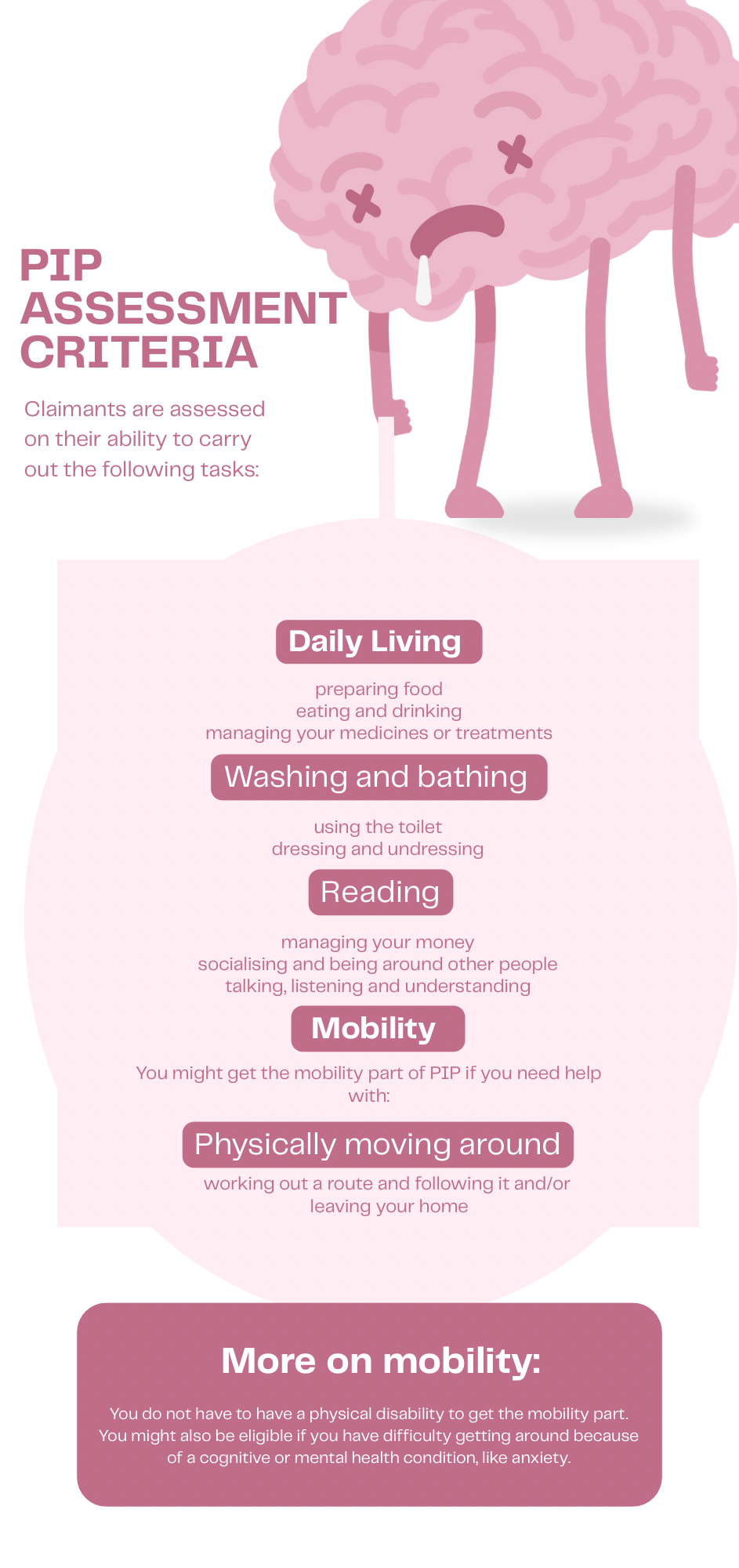
Zero points.
Clearly, in black and white.
So I appealed. I won and received thousands in backdated pay.
Recent stats reveal just 1% of applicants win at tribunal. I’m one of the “lucky” few.
Most people who challenge the DWP’s decision do have it overturned and receive PIP in the end.
After years of suffering and months of waiting, I started receiving monthly payments.
When someone is struggling to cope but still has a life to lead, PIP is a massive support - making life easier to manage around poor mental health.
Every four weeks I received benefits. With money to make accommodations, my complex-PTSD was no longer crippling: I could afford to keep my life healthy and stable - even if my mental state wasn’t.
That all changed last summer.
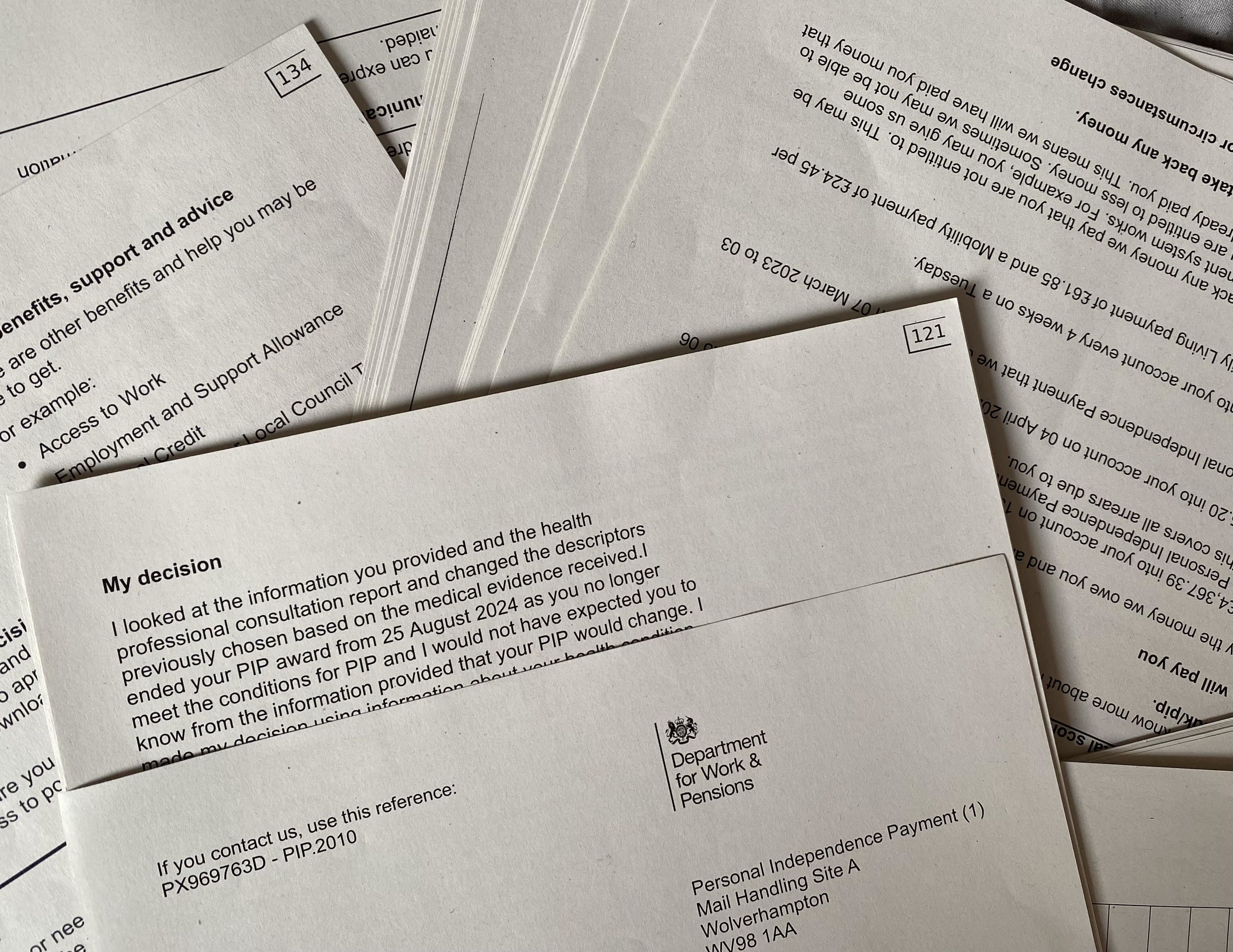
My case was reviewed over the phone, and a few weeks later I got a letter in the post.
Withdrawn with immediate effect.
Initially, I used PIP to manage my mental health and live independently - it felt like I was being punished for that. Taking care of myself is still an everyday struggle. A struggle that costs, so I’m going through the appeals process all over again.

People have criticised the process to claim disability benefits as lengthy and “dehumanising”.
It’s set to be harder to get than ever before - and I might not even qualify under new measures, announced by the Government. This interactive breakdown explains the potential fallout of these changes.
I'm not the only one
Latest DWP figures show there were 3.7 million PIP claimants across Great Britain at the end of January.
There are more than 21,000 recipients just in Manchester.
Thousands of people apply for welfare with mental health issues - not just lately, but even under old benefits like Disability Living Allowance (DLA).
Former district councillor, Sean Macleod, 38, also has PTSD. He was receiving disability benefits for over a decade: “Nothing's changed in 16 years.
“The diagnosis is still the same, the symptoms are still the same.
“So I don't understand the decision.”
Macleod explained, having a “really restrictive” diagnosis, the symptoms aren’t always obvious to everybody: “I mean I live a fairly happy life.
“I go fishing, I go walking, I do other bits.
“But I have these periods in my life where I can't function at all.
“And that's what people need to kind of get a reality of.”
Since the DWP ended his PIP award, and he became unemployed, the disability tax of PTSD is taking its toll.
“There's just no prepping you for it,” he told MM.
He said, the moment he found out his benefit was cancelled: “It was actually pretty scary because we are quite reliant on it actually as a family.”
As a father it’s just “not the nicest feeling” now he’s totally dependent on his wife. “It feels quite demoralising,” he added.
MPs know PIP is not an out-of-work benefit - Macleod is passionate about making sure people remember it helps with invisible disabilities:
"I was a councillor and I still got PIP.
"No one's ever taken it seriously.
"It's like we’re walking around with massive limbs missing essentially.
"And people are ignoring it because it's in our heads and not on our physical body.”
Backlogs in the court system mean many claimants are facing huge delays with their reviews.
I’m still waiting to know when my hearing will be - initially my advocate said it’d be “up to nine months” but now I’m told it could be over a year before I plead my case.
The former district councillor is “absolutely terrified of what’s to come,” now a date has been set for his tribunal.
One year after filing his appeal.
Macleod told MM it’s “ludicrous” to wait this long.
Welfare rights supervisor for Greater Manchester Law Centre (GMLC) Dan Manville has over 20 years of experience, supporting people with long-term mental health issues.
He said: “These kinds of conditions don’t just go away.
“You learn to cope with it but it hangs around for a long time.”
Manville highlighted the stress proposed changes are going to put on services “our government never considers”.
“Just leave PIP in place,” he said.
The cheapest way for the government to solve problems is by looking at the broader societal issues, “Such as making sure people have got a living income,” he suggested.
Manville emphasised, discretionary spending at the local authority level, health and social care are all going to be affected by this: “It will make the situation worse.”
Independence. Freedom. Agency.
That’s what a survey by the Money and Mental Health Policy Institute found people use their PIP for.
Research and policy manager, Dan Weir said: “It was really, really clear that people just feel that they are not being listened to by the government.
“And the feeling that people's independence was potentially being threatened by this removal or potential removal of the PIP daily living component.
“There were people talking about a feeling that their needs are just being discounted or not understood.
“For example, the way that PIP will help them in day-to-day life.
“The difference between being able to access counseling and being able to go to work.
“If you're someone who is using PIP to access therapy obviously, the impact that's going to have on your mental health is very direct.
“It means potentially you're not getting the treatment you need.
“If you're using it in order to go to work, or just leave your house to socialise and connect with loved ones, friends and family - not having access to those support networks could potentially lead to worsening mental health problems, as we know, isolation can cause that.”
TRIGGER WARNING: Dan Weir on PIP reform survey
TRIGGER WARNING: Dan Weir on PIP reform survey
The proposed changes are set to have a far-reaching, potentially fatal outcome.
So why is the government making these “tough” decisions?
The DWP reports there’s been an increase of 1.2 million young people with work limiting health conditions. As “economic inactivity” rises, considerably more people are receiving benefits.
Health Secretary, Wes Streeting defended the proposed cuts to welfare spending, claiming there’s an "overdiagnosis" of mental health conditions with "too many people being written off".
Despite acknowledging many people “just aren't getting the support they need" recent data published by the DWP reveals, psychiatric disorder claimants were the most likely to have their award decreased or cancelled after a review - which is exactly what happened to me.
The reality of mental health being a disability isn’t new.
Since the introduction of PIP in 2013, psychiatric disorders are the most common reason for claiming the benefit. This category includes conditions like depression and anxiety - people like Sean Macleod and me.
Centre for Mental Health chief executive, Andy Bell told MM: “There’s a real increase, it’s real people experiencing real distress and real ill-health.
“Having any kind of mental health condition can have an extremely big effect on your quality of life on your ability to live your life, on the things that really matter to you.
“Many people living with quite severe mental health problems struggle to get PIP and find it really difficult.
“Often they are refused first time and have to appeal before they finally get what they’re entitled to.”
DWP figures reveal 83% of lodged appeals for “psychotic disorders” are won in favour of the claimant.
He explained the negative relationship between earning ability and mental health: “There’s a direct causal link between being on low income and poor mental health.”
Having mental health issues impacts your financial wellbeing, Bell elaborated. “For many people, depression and anxiety are linked to life’s difficult circumstances,” he said people are experiencing these conditions as a result of significant adversity - and this comes with added costs.
Work and pensions Secretary, Liz Kendall told ITV:” I have no doubt, as there always have been, there are people who shouldn’t be on those benefits." She insists people are “taking the mickey” .
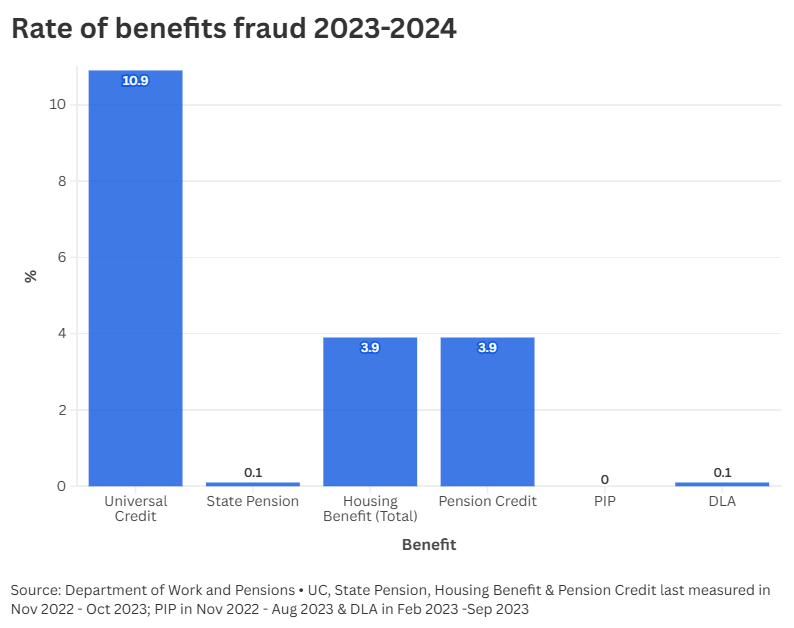
But the rate of fraud for PIP is literally 0%.

Shadow Education Secretary, Laura Trott accused the government of being "all over the place and divided" on welfare reform.
And several charities, experts and celebrities have warned how detrimental the huge slash to Labour’s budget will be.
Subject to parliamentary approval, the proposed changes will come into force in November 2026.
According to several reports, when the time comes to vote - over changes to disability benefits - it’s understood around 170 backbench MPs plan to rebel against Keir Starmer.
 Built with Shorthand