
Meet the girls flying the flag
The sport of Flag Football is growing rapidly. And now it is empowering the next generation of female athletes...




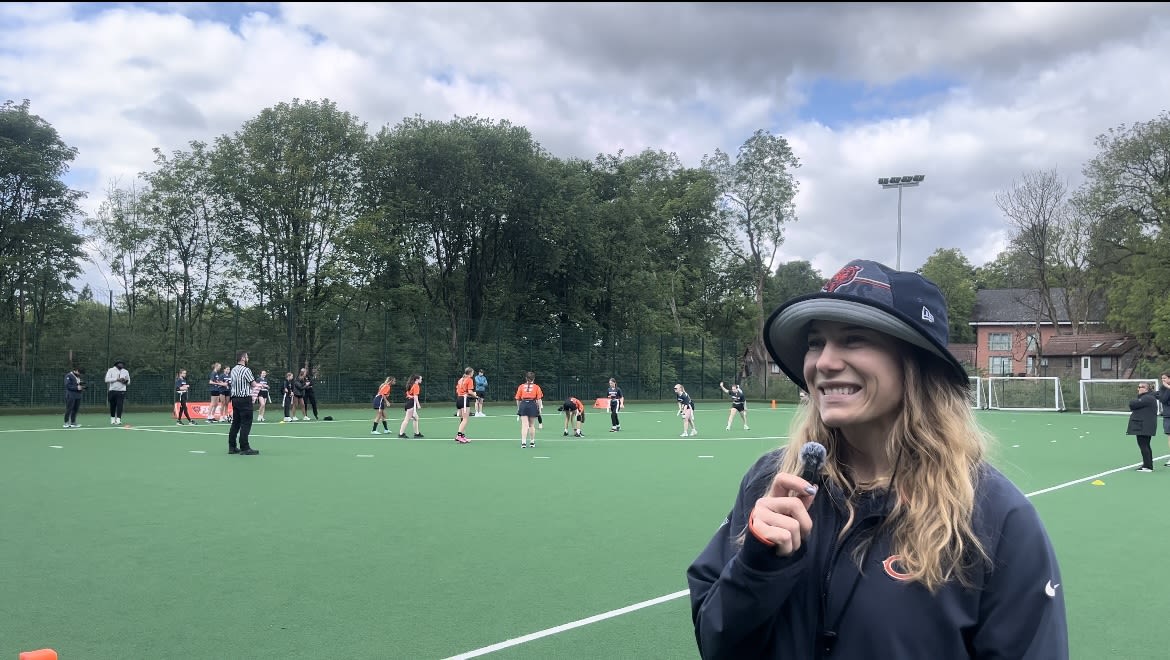
On a windswept pitch in Bolton, a quiet sporting revolution is taking place.
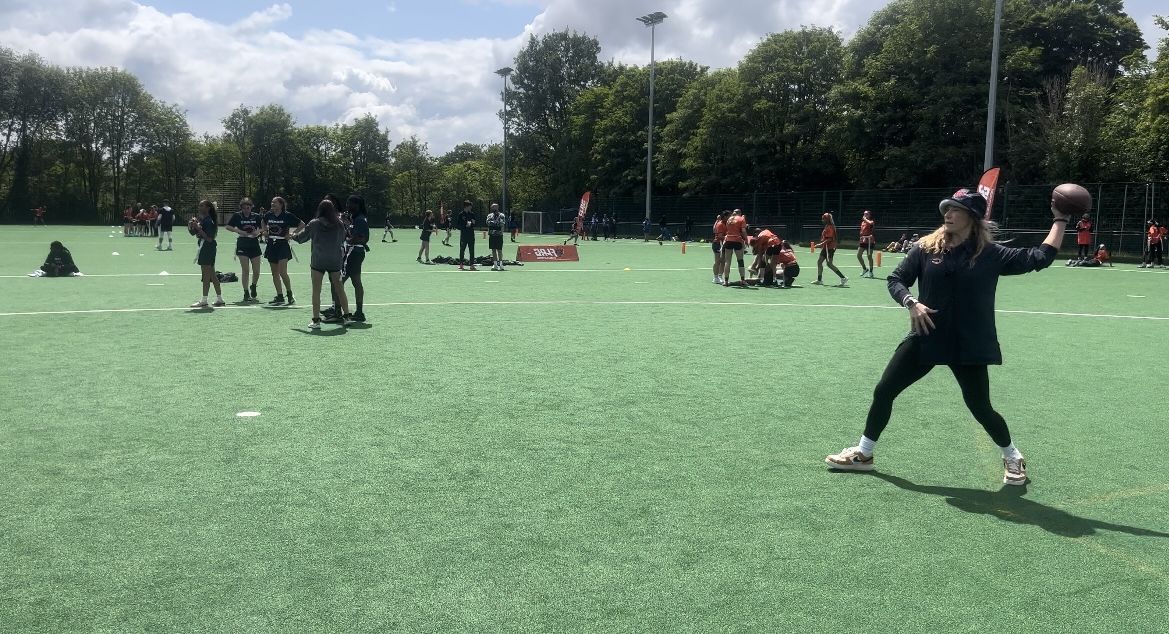
Dozens of teenage girls from schools across the North West are locked in fast-paced competition - tearing up the turf with speed, precision and fierce determination. There are no helmets. No bone-crunching tackles. Just flags fluttering from their hips as they spin, dodge and sprint their way to glory.
The nerves are high. The stakes feel even higher.
Welcome to the Chicago Bears' girls Flag Football Championship where this fast-growing sport is making a serious impression.
“Look at the growth we’ve had in such a short amount of time, this movement is unstoppable and only getting stronger,” said Phoebe Schecter, the UK’s first female NFL coach and a leading ambassador for the sport.
Now in its third season, the Chicago Bears tournament is showcasing some of the country’s top young talent. This year, a dozen all-girl teams aged 12 to 14 from across the region gathered in Bolton to show - play by play - that the future of flag football is fast, fierce and female.

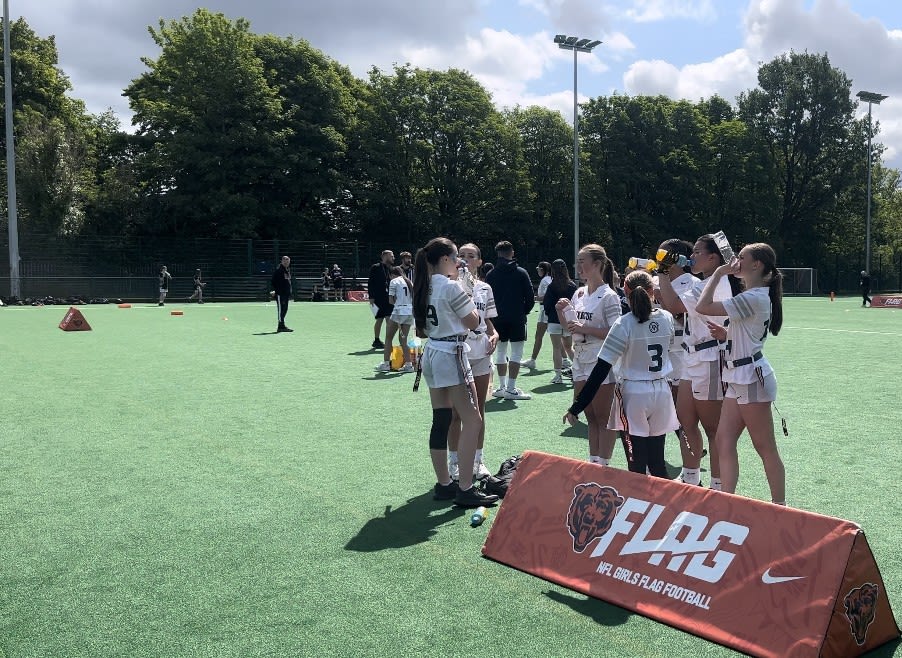


Once described as a watered-down version of American football, flag football is taking the UK by storm.
It’s a non-contact version of the sport. Instead of tackling, players wear belts with two flags attached - and play ends when a defender pulls one off. It keeps the strategy, pace and excitement of traditional football but makes it safer and more accessible.
That accessibility is a big part of the sport’s rise. With no helmets or pads required it’s easier for schools and communities to get involved and girls are leading the charge.
Across the UK, more than 5,000 schools now offer flag football and over 15,000 young people are playing regularly.
Among this year’s players were three girls already representing Great Britain in the U15 and U17 mixed squads ahead of the 2025 European Youth Flag Football Championships in Austria this September: Izzy Ollerenshaw and Mia pollard from Mount Carmel and Mia Samuels from Moorside.
Samuels said: “I started last year knowing nothing about flag football, I never thought I’d get where I am now – but it’s a major part of my life.”
Other participants like Ava, 13, said: “Flag football gives girls opportunities to do more sport, there aren’t many all-girls events like this, you meet so many cool people it’s just so fun - so lovely.
“It’s all about team work because if you don’t have that you literally can’t win, I’ve made some best friends from this sport and it’s the best.”

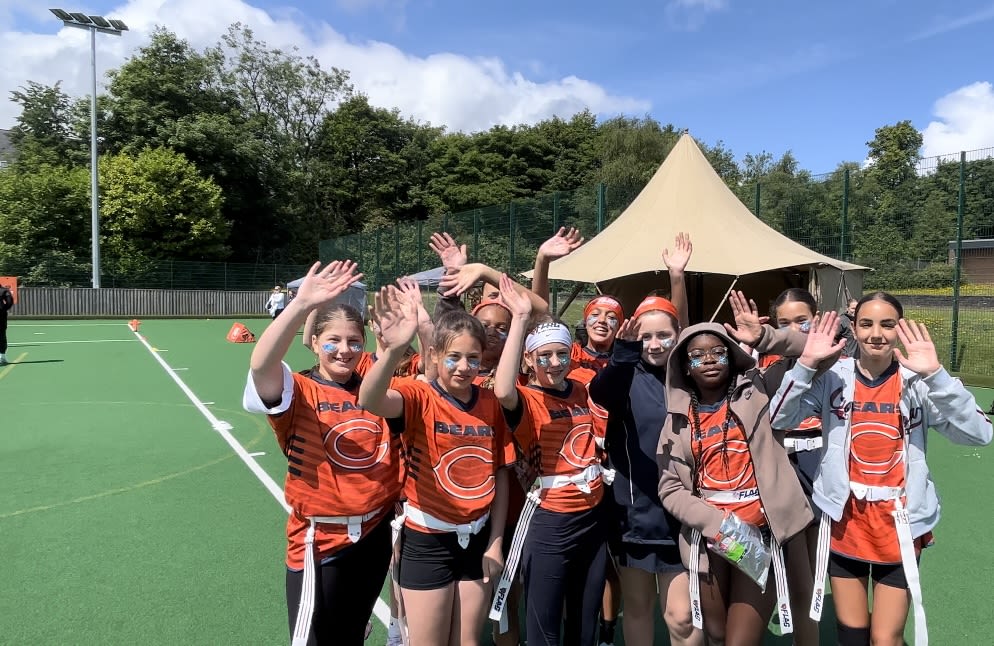

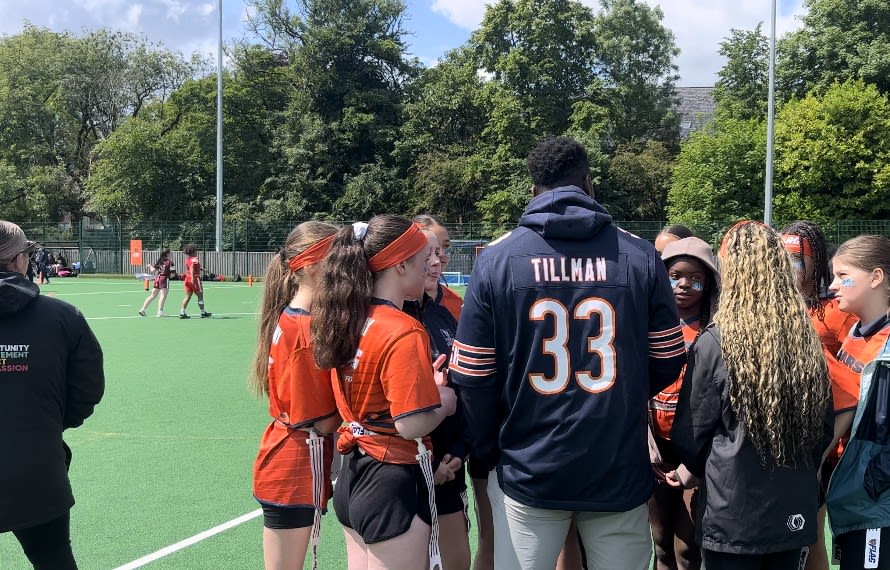

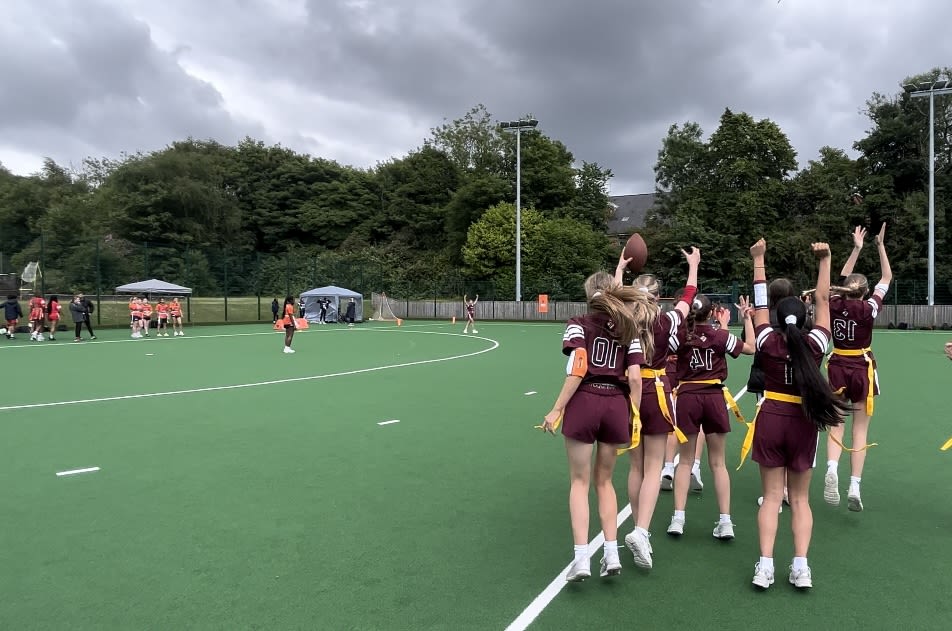
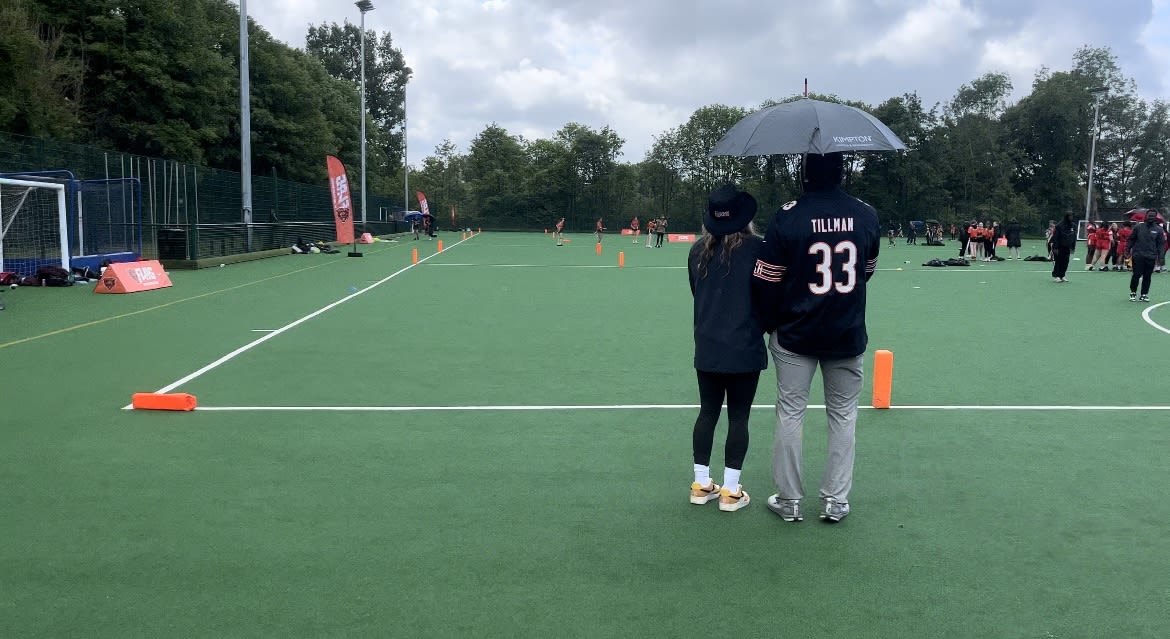
Former Chicago Bears cornerback Charles Tillman flew in for the event, witnessing the UK’s growing momentum first-hand.
“These girls are highly competitive. They’ve been playing a while now – you can see the passion,” said the 44-year-old, who spent over a decade with the Bears and is now involved in promoting the sport internationally.
Tillman’s own daughters recently picked up the sport in Illinois giving him a new perspective.
“I’m glad they’ve opened it up to young ladies, this is the first year they’ve had it in our state," he said. "Now I get to coach them, share what I know. That’s made us closer. I love it – I really do.”
Few embody the sport’s potential more than Schecter – a passionate advocate and driving force behind the rapid growth of flag football in the UK.
Sche said: “When I first got into the NFL there was nobody who looked like me. I was one of the first three women to achieve that opportunity. That’s why it’s so important to have female role models at events like this.
“If you can see you can be it.”
Schecter was front and centre on the Bolton side-lines - cheering, dancing and celebrating every big play with visible pride.
“When these girls play flag football, they’re just completely themselves," said the Brit.
“The community they’ve built is phenomenal. That joy - whether it is seeing themselves on the big screen or just playing with their friends – that’s what it’s all about.”



The path hasn’t always been open.
In the U.S, girls were confined to so-called ‘powder puff’ games – novelty matches that mocked rather than celebrated their skills.
But that’s changing fast.
Flag football is no longer on the side-lines - its crashing onto the main stage, set to make its Olympic debut at the 2028 Games in Los Angeles with both men’s and women’s divisions.
Countries around the world are already scouting talent, and players in Bolton are firmly on their radar.
With Great Britain scouts in attendance at the championship, it’s clear that opportunities once seen as distant dreams are now becoming real and within reach for young girls.
Even NFL legend Tom Brady is reportedly considering a comeback to compete in the Olympics games for team USA.
Former players are just as enthusiastic.
Tillman echoed that passion, he said: “I never thought in a million years that flag football would be an Olympic sport – and here it is.
“You can win a gold medal for your country. To me that is the coolest thing.”
Schecter agrees – the dream is now tangible.
She said: “It takes hard work, sacrifice and preparation but the dream is there for everyone here. And when the dream is Olympic gold? that’s powerful.”
“It sets this incredible attainable goal that people never thought they could achieve and to represent their country on the main stage.”




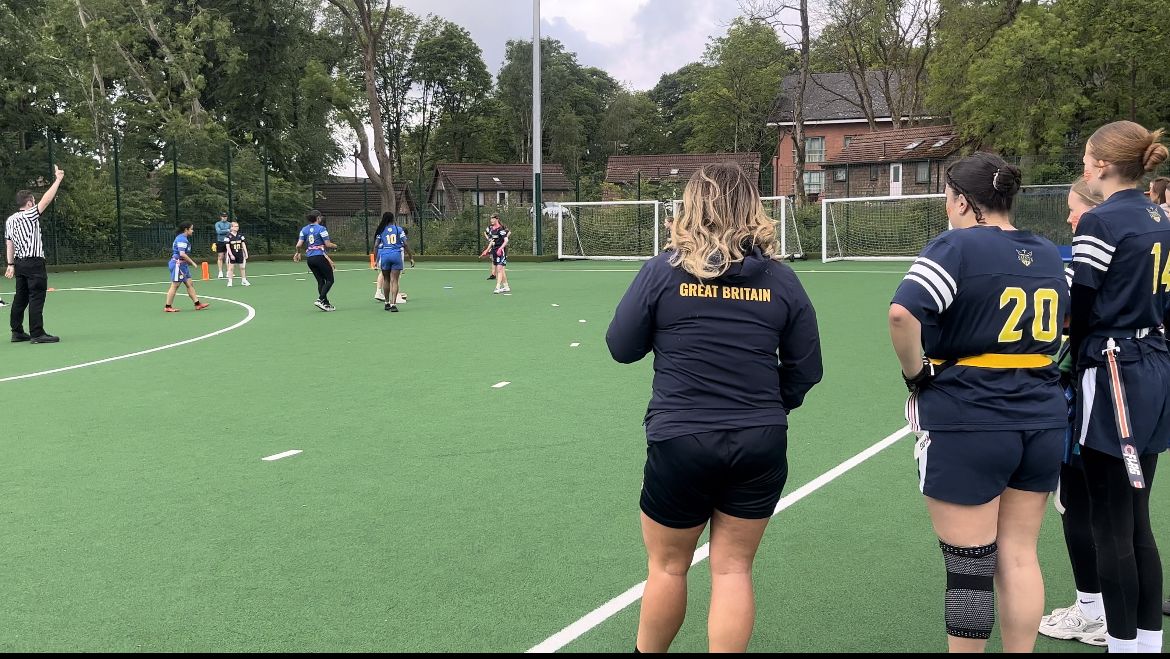

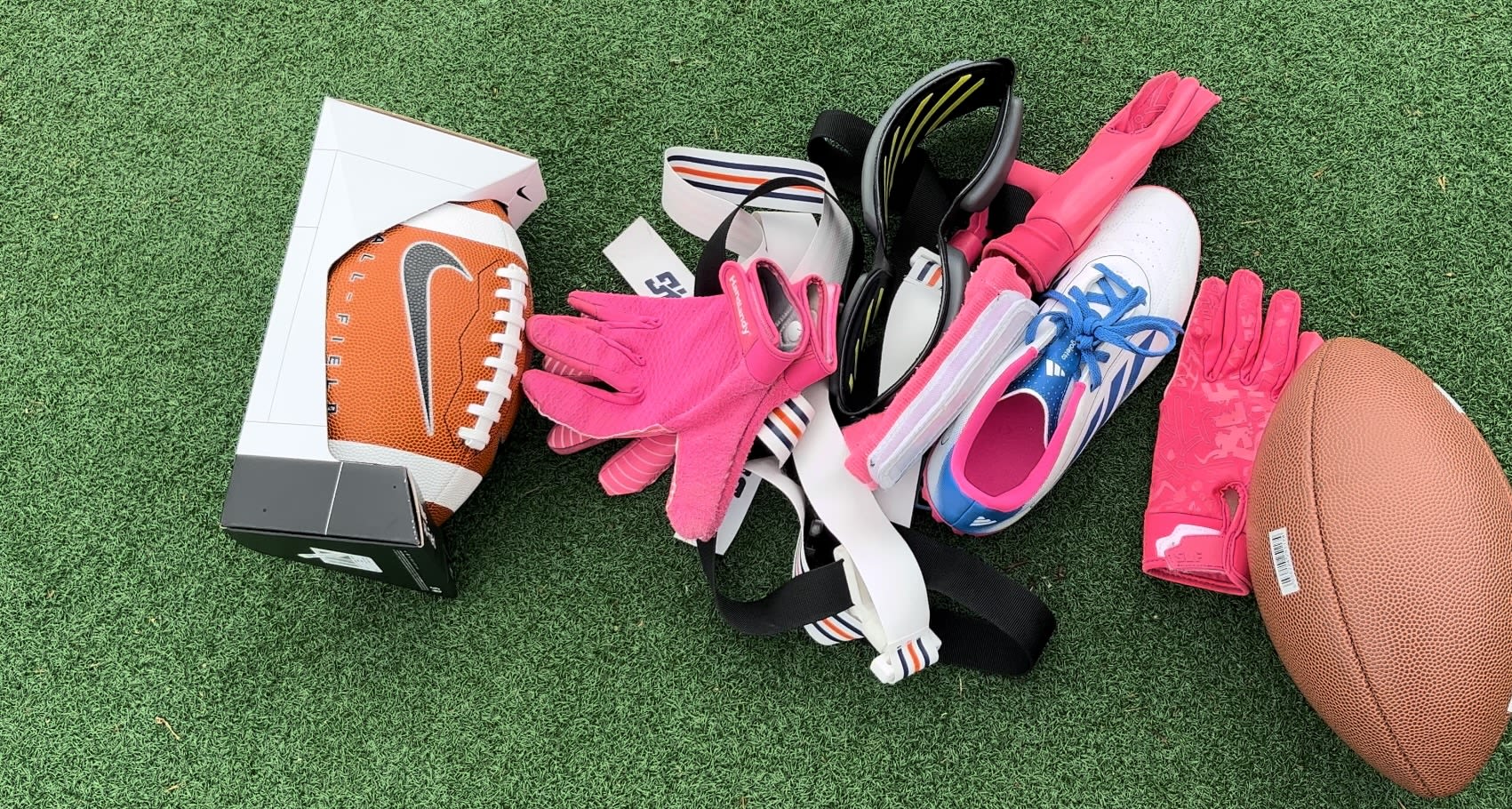
While the celebrations in Bolton reflect a local victory, they’re part of a much bigger movement.
Flag football isn’t just growing – it’s surging, fuelled by a wave of grassroots energy, community spirit and institutional backing.
In Manchester alone, the number of girls’ flag football teams has doubled in the last year. The movement is no longer confined to a few regions with teams forming in Liverpool, Leeds, Sheffield and Newcastle.
The Bears’ programme has now expanded to Birmingham and other areas in London and demand from schools is at an all-time high with ambitions to take the initiative national by 2026.
And it’s not just the girls who are inspired, several teams at the Bolton championship were accompanied by teachers who had never previously been involved before – proudly cheering from the side-lines and championing their players.
One coach said: “It has been fantastic to get these girls to come out of their shells. Their confidence and self-esteem have gone through the roof.
“They now know they can achieve anything.”
What was once an overlooked alternative to American football is now becoming a catalyst for change turning muddy fields and school gyms into spaces of empowerment where girls are not just participants but pioneers.

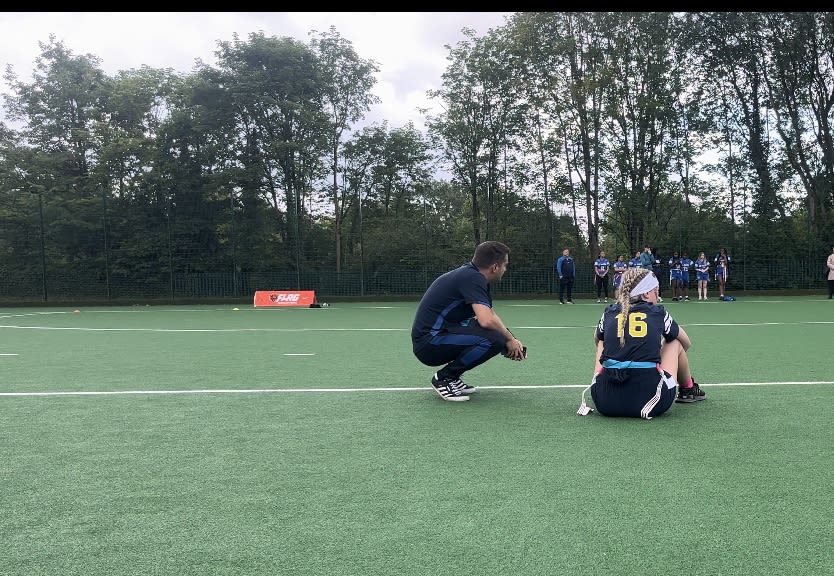

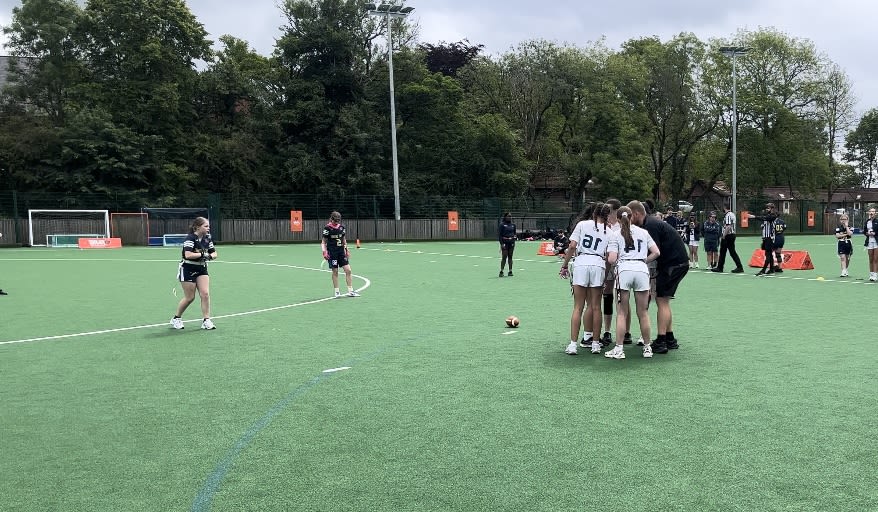

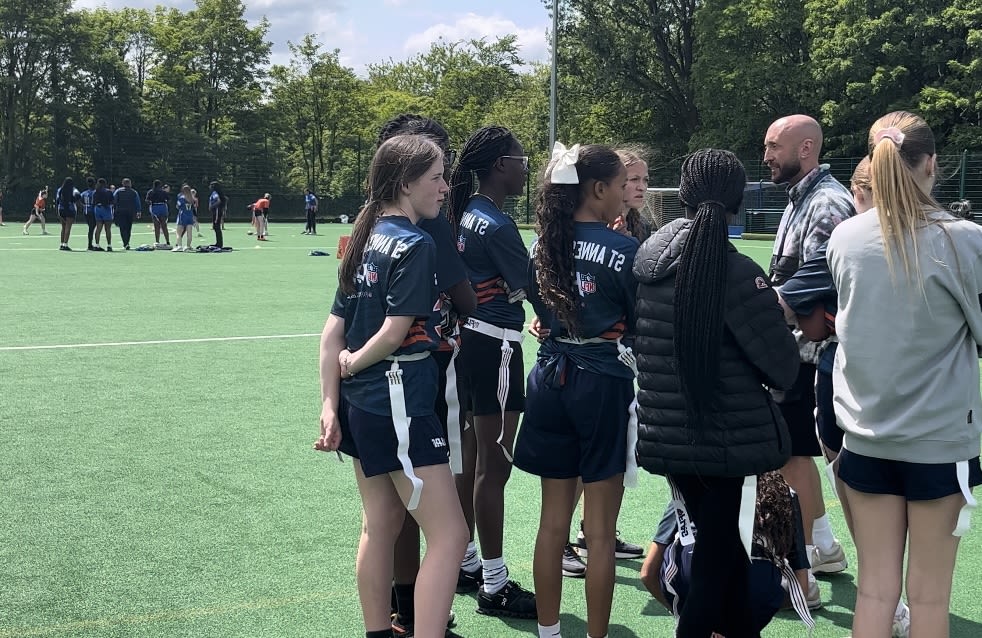

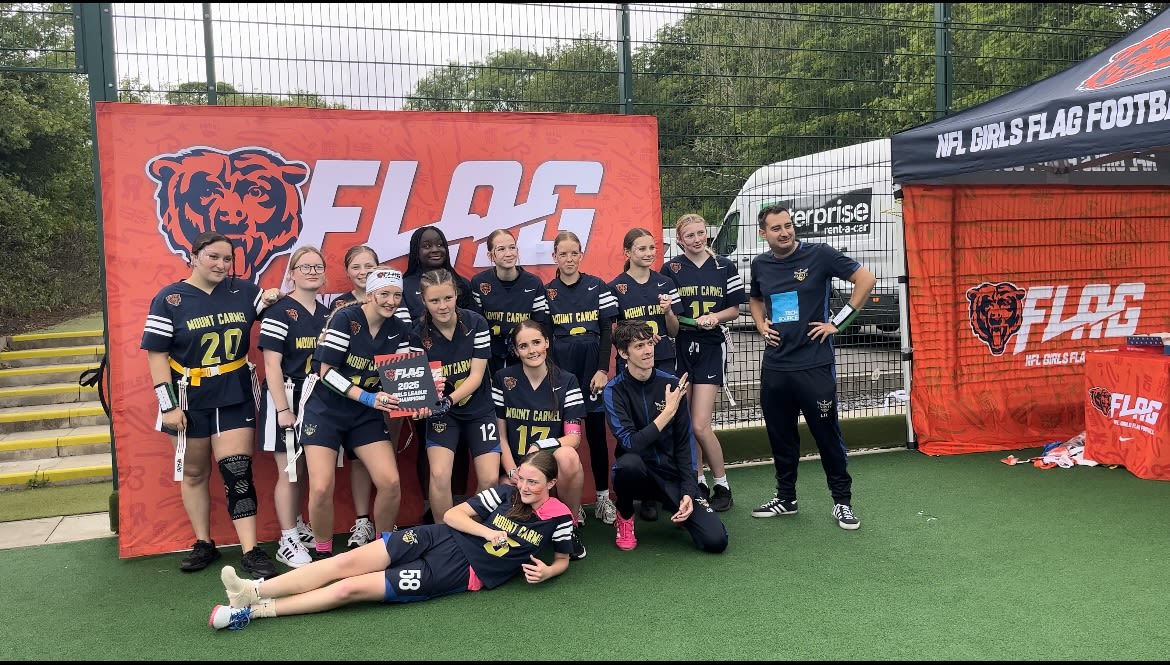
As the final whistle blows and the pitch erupts in cheers, the tournament winners celebrate, their well-earned NFL-style rings gleaming.

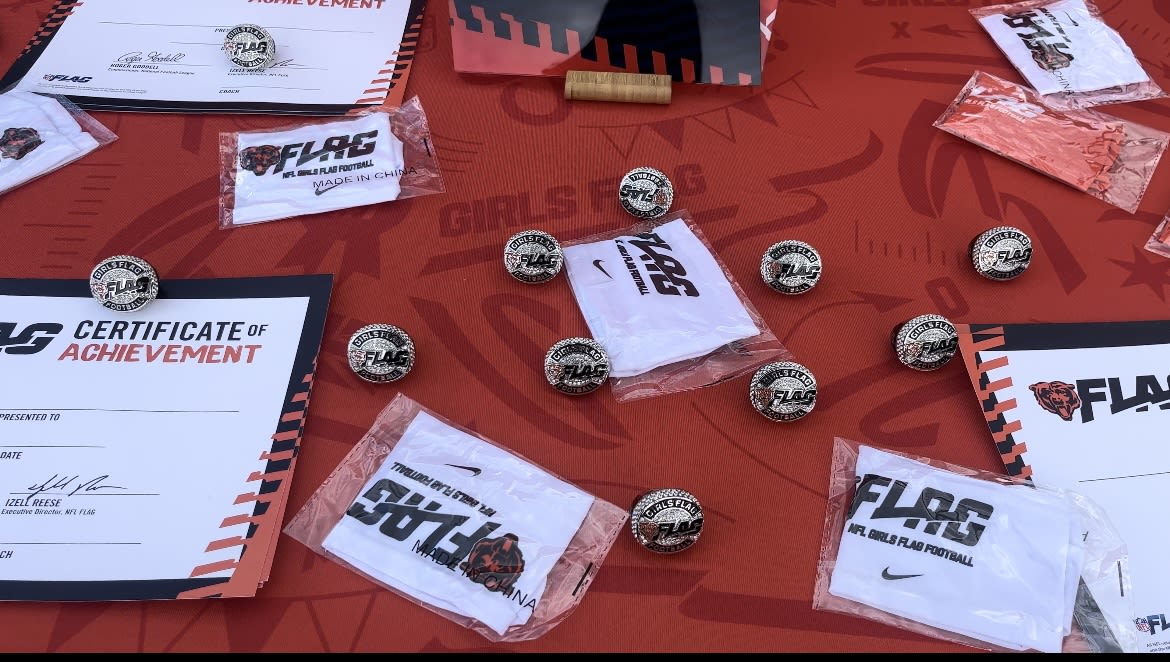
They’ve scored touchdown, pulled flags and sprinted for glory.
But their achievement goes beyond any scoreboard.
They’ve created space for themselves and for each other – building confidence, forming connections and showing what’s possible when girls are given the opportunity to take ownership of a sport.
 Built with Shorthand