
Edenic Pandemic
Lockdown and British Wildlife
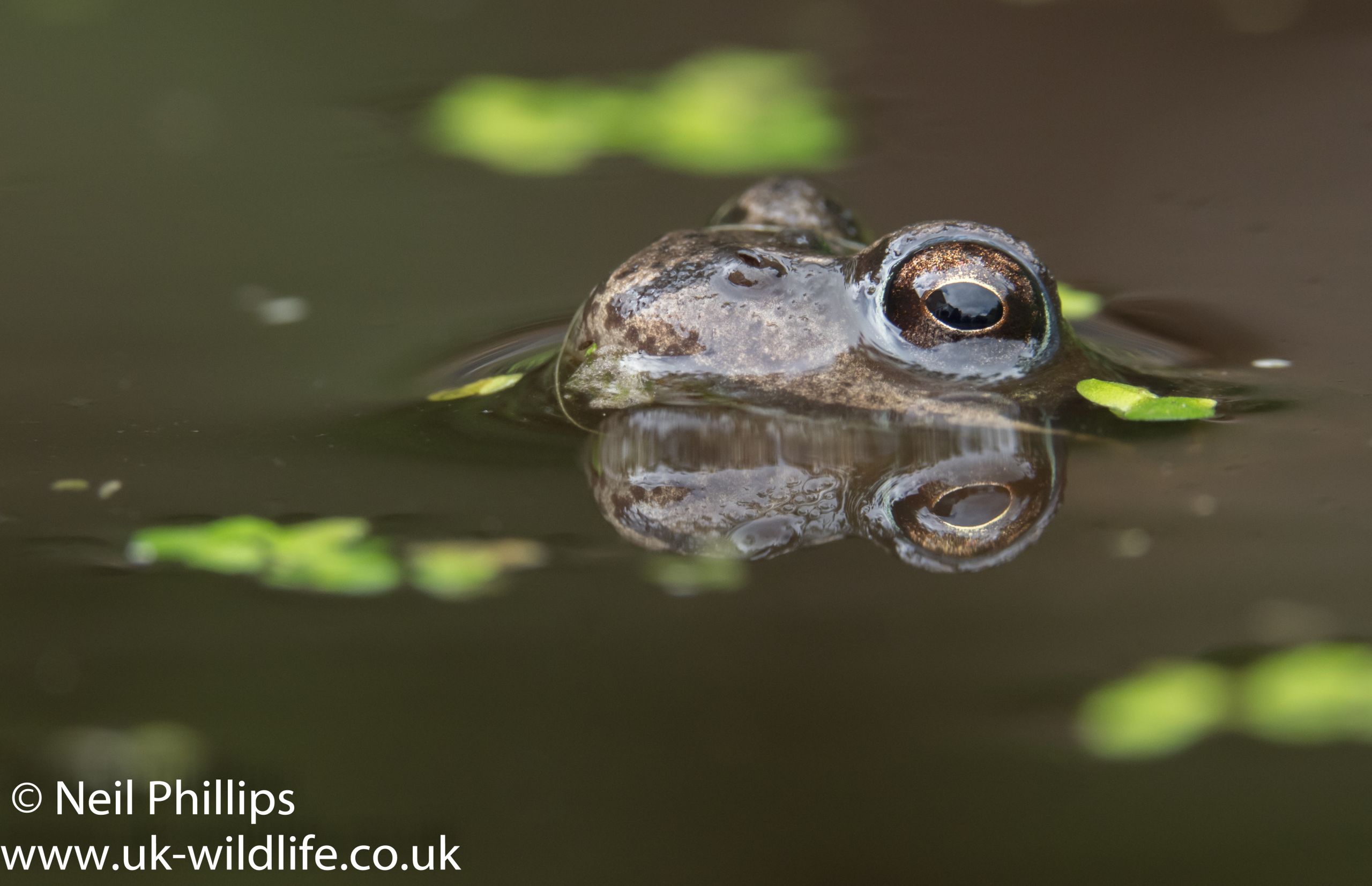

The coronavirus pandemic has left a large proportion of the world’s population stuck indoors, but there is a larger proportion making the most of the open spaces.
In the UK, wildlife appears to be having a resurgence, with 68% of poll participants noticing an increase in the amount of wildlife in their local area since lockdown began.
Have you noticed an increase in the amount of wildlife in your local area since lockdown began? #journorequest #wildlifefrommywindow
— Fiona Jackson (@fiona_c_jackson) May 27, 2020
Lockdown has resulted in a significant reduction in human activity. Air quality has improved as many are having to work from home, and road traffic in March fell by over 70%.
Additionally, air traffic halved by mid-March compared with the same time last year and seismologists are reporting lower levels of human-induced vibrations.
These environmental changes contribute to making a more attractive environment to those creatures who would normally stay hidden away.
Grey seals have been seen on beaches across the country, including Milford, Hurst and Christchurch, where there would normally be swarms of visitors at this time of year.
Mini polar bear or albino badger?
— National Trust (@nationaltrust) May 21, 2020
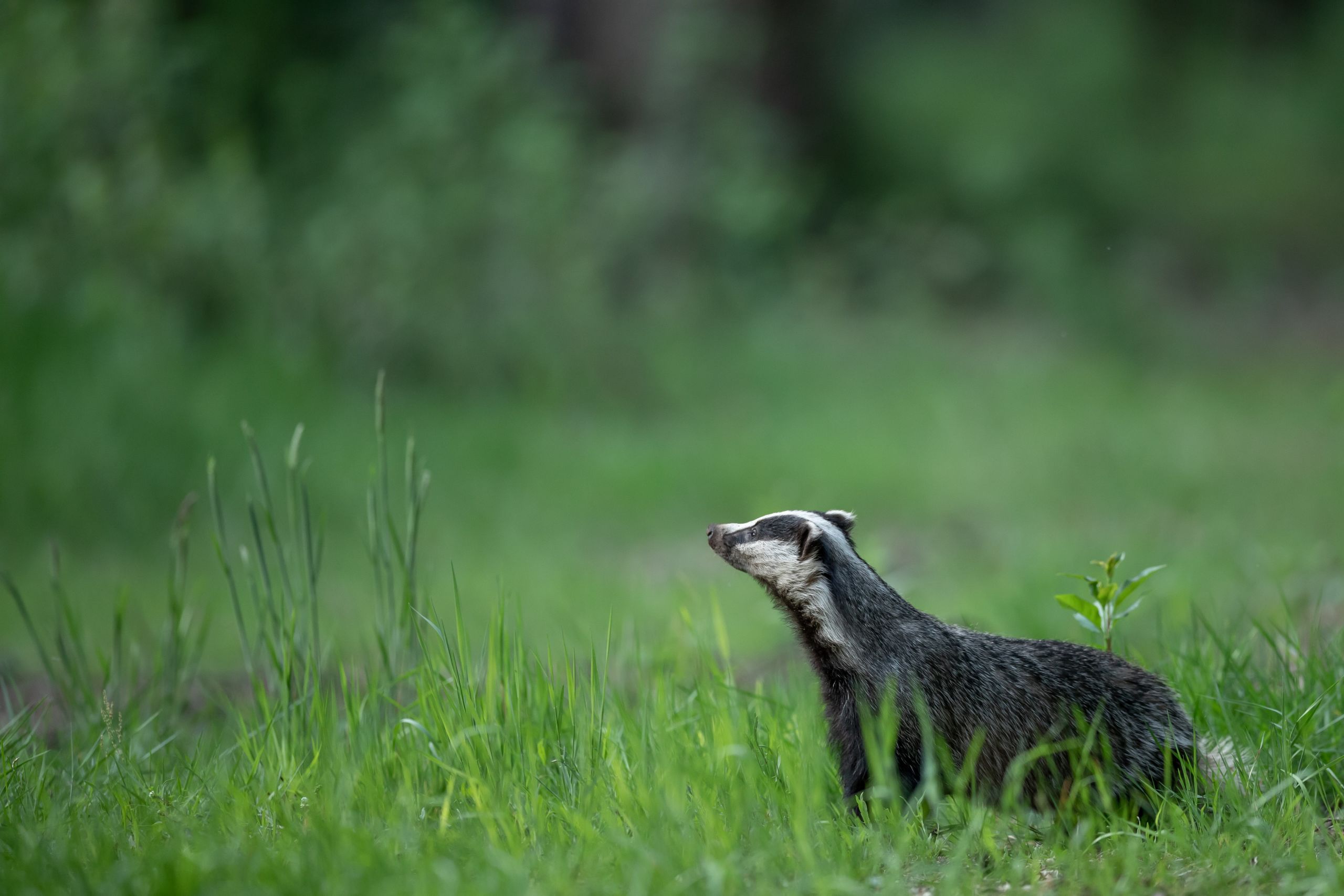
The timid wildlife @ClivedenNT is thriving on the wider estate, allowing our outdoors team glimpses of the usually shy badgers. pic.twitter.com/bdLjaGqC7x
At the Knepp Wildland Project in West Sussex, a nest of wild storks are being welcomed which haven't been seen in the UK for centuries.
Environmental educator and wildlife photographer Neil Philips (@UK_Wildlife) said that the largest thing he has noticed since lockdown began is increased interest from the public in the natural world.
“One of the positives that hopefully will come out of this is how people have engaged more with nature because they’ve got time.
“They’re noticing the birdsong with the lack of noise, and more people are doing night photography and other activities that you can do in your garden.
‘I've heard people are seeing buzzards and even a few white-tailed eagles flying round, the latter being currently reintroduced on the Isle-of-Wight.
“Birds are being noticed more because people have more time to sit in their gardens. They buy recording equipment and suddenly notice quails, rare waders and woodcocks going through the middle of London!”
Since lockdown I’ve made a bigger effort to attract wildlife to my garden. I thought I had gone over the top with my new bird bath until today when I saw the first taker - a beautiful jay. I wish I had cleaned the bathroom window though! pic.twitter.com/oFMDwLorsY
— Martin Tayler (@ancienprof) May 16, 2020
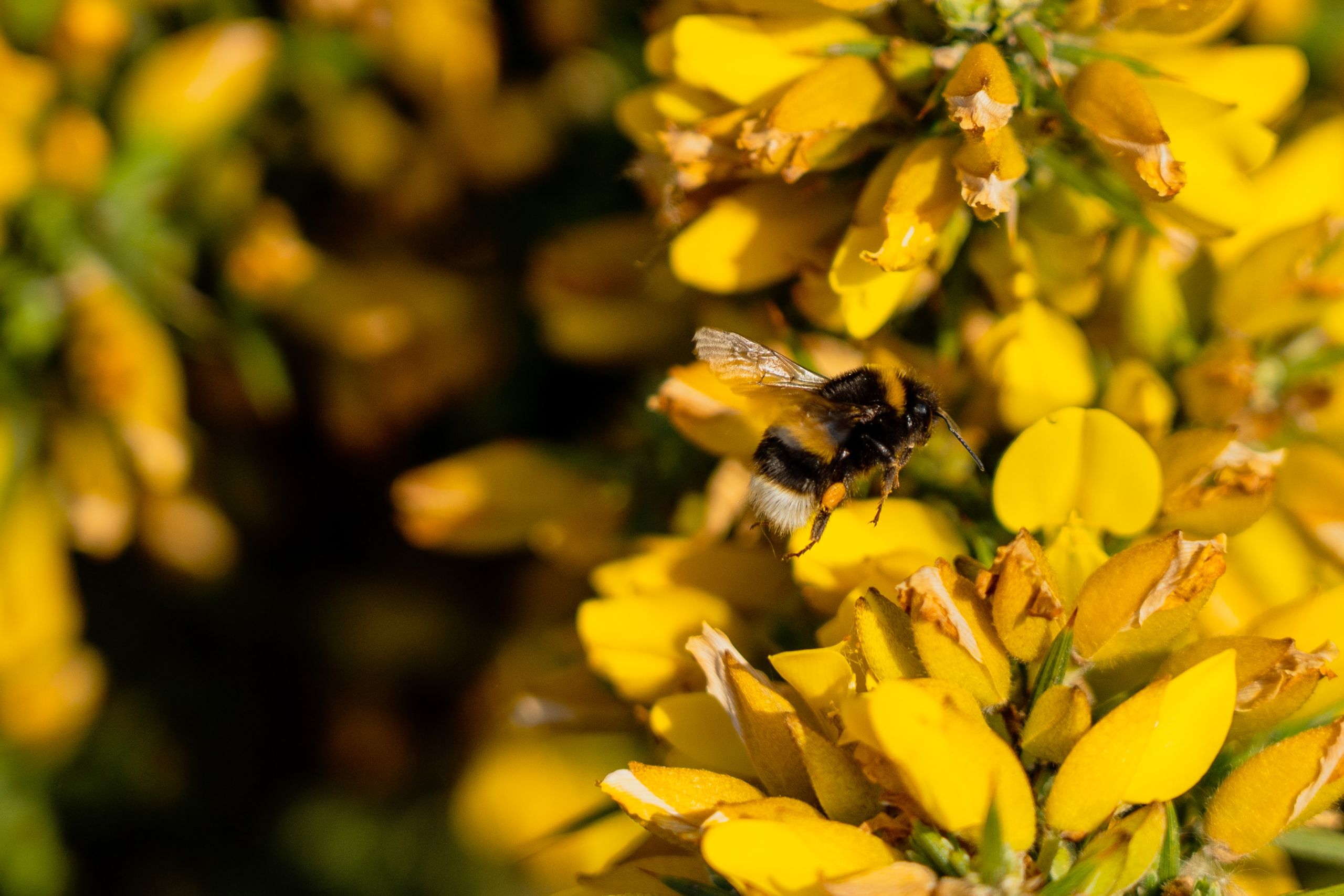
82% of participants in an online poll noticed an increase in birds and 45% saw more bees since lockdown began.
Neil added: “One of the big fears is that if they ease the lockdown it will be disastrous for all these birds that will have nested on the footpaths and in the nature reserves which have been shut.
“There’s a bird called a skylark which is a ground-nesting bird and it nests in long grass, making it extremely vulnerable to dogs coming through.
“The dogs flush the skylarks out, and all the crows and magpies can see where the nests are so they swoop in and eat the chicks.
“Normally, Richmond Park for example, see one or two pairs of skylarks a year, whereas the year they had foot-and-mouth they had easily double digits, which shows you what effects us humans are having.”
The foot-and-mouth disease outbreak occurred in livestock over 20 years ago in Britain, leading to the closure of many parks to stop the disease spreading to deer herds.

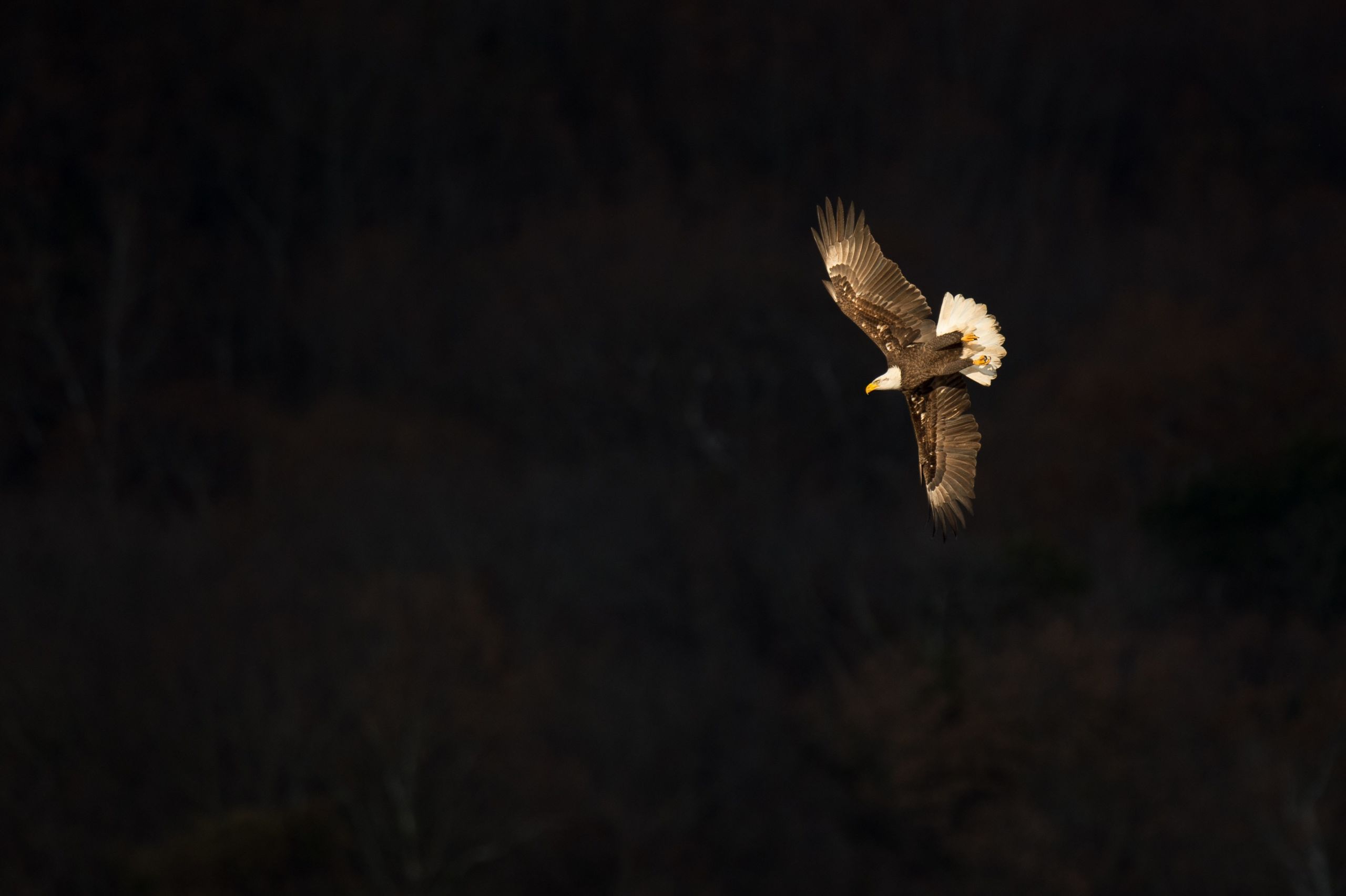

Zoologists and conservationists are fascinated by the impact that the lockdown will have on groups of animals, but performing the studies is proving difficult when they too are restricted by the lockdown measures.
Sarah Perkins is the project coordinator of Project Splatter, a citizen science project to quantify and map wildlife roadkill across the UK.
She said: “I think the natural experiment that lockdown is affording us is truly a once in a lifetime opportunity to look at the impact of traffic on wildlife - at least one would hope this will only happen once.
“We are working on a paper that looks at how reduced traffic and noise changes animal behaviour, but it will take us a while to get the results.
“Highways England have kindly given us access to video data, and we are scanning these to look at animal behaviour during and post-lockdown.”
Since lockdown began, the weekly reports from the project have seen a reduction in the number of roadkill observations.
Sarah added: “In terms of the numbers of animals reported to us we have, as expected, seen a big reduction in reporting as we have less people out spotting.
“I suspect that overall we will be having less wildlife killed on our roads. Publications by other groups have shown less cars equates to less overall roadkill.
“For us, teasing apart a reduction in the absolute numbers of animals from a reduction in reporting is nigh on impossible.
“Instead our approach is to look at the relative proportion of each species that is reported during this time compared with that before and after lockdown.
“Such is the beauty of a long-term dataset, we are now entering our eighth year, that we can compare the relative proportions of reports of a given species to those reported over the last seven years.”

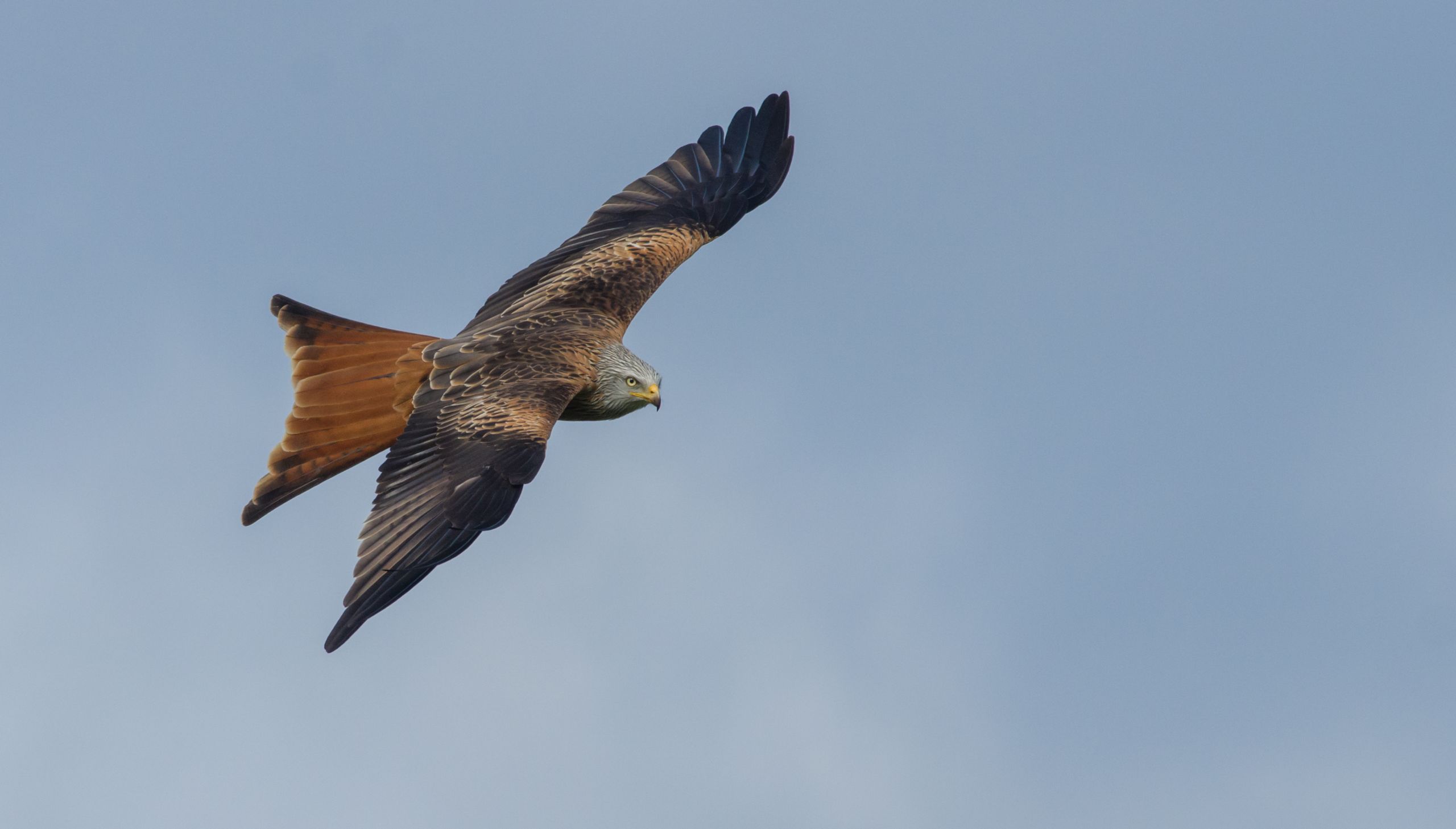

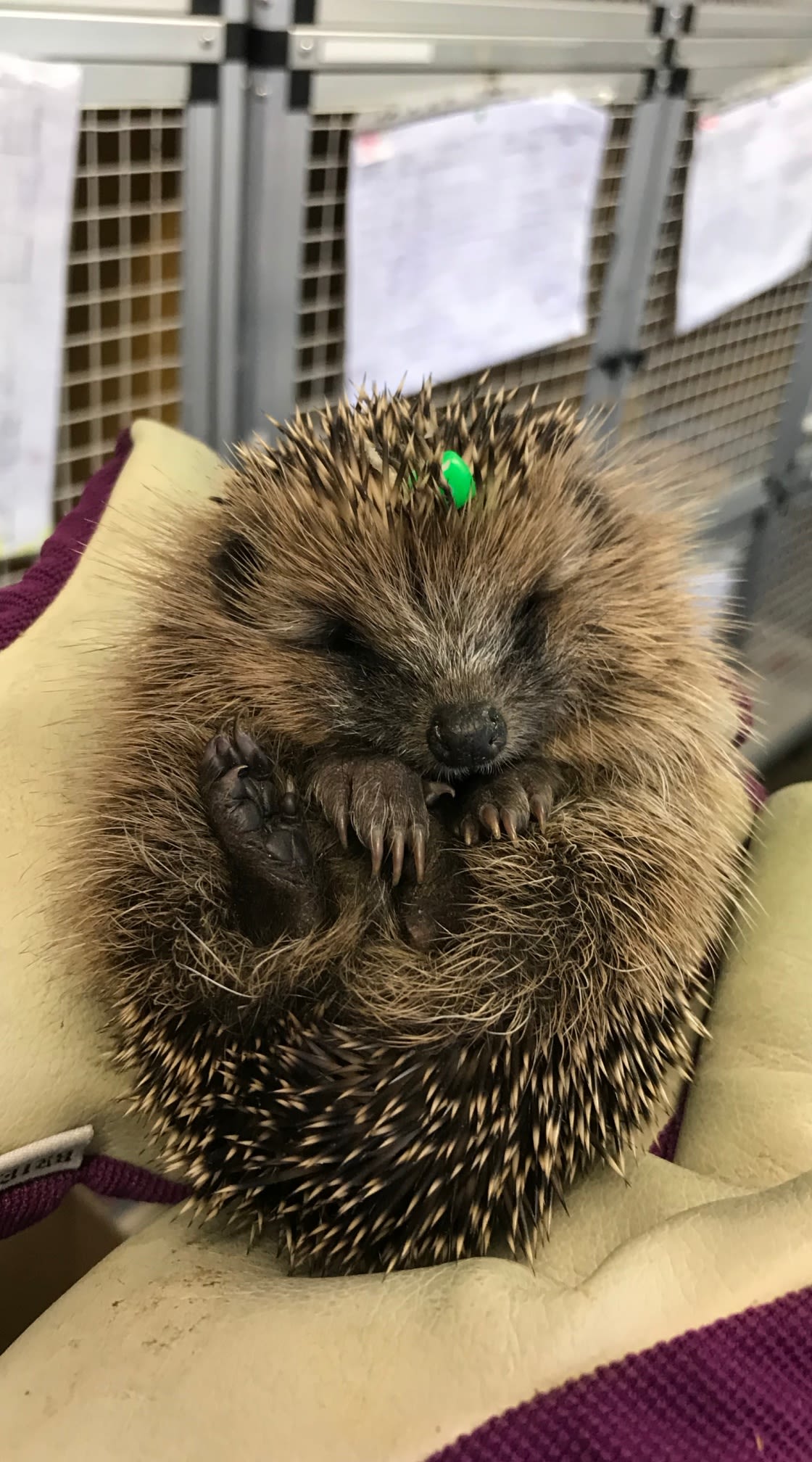

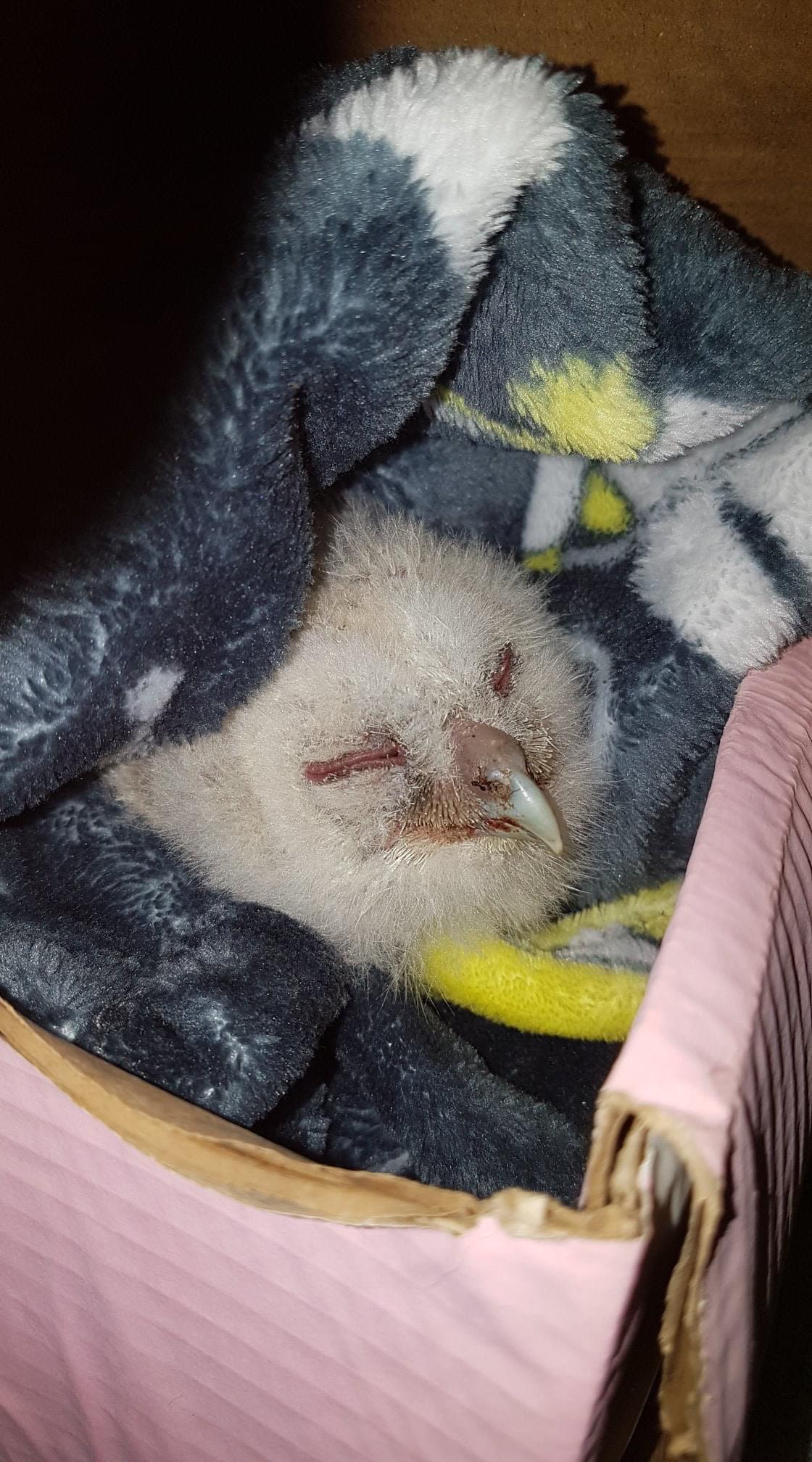
However, the pandemic is proving a double-edged sword for British wildlife, as whilst sighting of live species are on the up, it is bringing difficulties to conservation measures.
Many wildlife rescue centres are non-profit and don’t receive any extra funding, so with a reduction in fundraising activities and volunteers unable to work, it puts founders and managers under a lot of pressure.
Neil Philips is also the Education Officer at Daws Hall Trust and has noted first hand the struggles conservationists and nature reserves are facing.
“A lot of nature reserves need management, and at this time of year there might be predator control for nesting birds or fences being checked, and whilst permanent staff can do some of it they’ve lost the entire volunteer workforce.
“The RSPB Wildlife Trust and the Wildfowl and Wetlands Trust have had to furlough most of their staff, and most volunteers are retired so they are higher risk.
“Some of these volunteers are doing work that must be kept on top of, and if they can’t get out there it could result in 10 years of work going down the drain.”
Conservationists from The Wildlife Trusts have warned of an explosion of invasive, non-native species and deterioration of rare and historic wildlife meadows that could take years to restore as a result of lack of staffing.
There has been an increase in garden-related animal injuries at rescue centres, with garden owners trimming their hedges without checking for nesting birds, and hitting hedgehogs while cutting lawns.
Danger is by no means only lurking in the gardens for British creatures, as evidence of a rise in illegal hunting practices has been found due to a lack of policing.
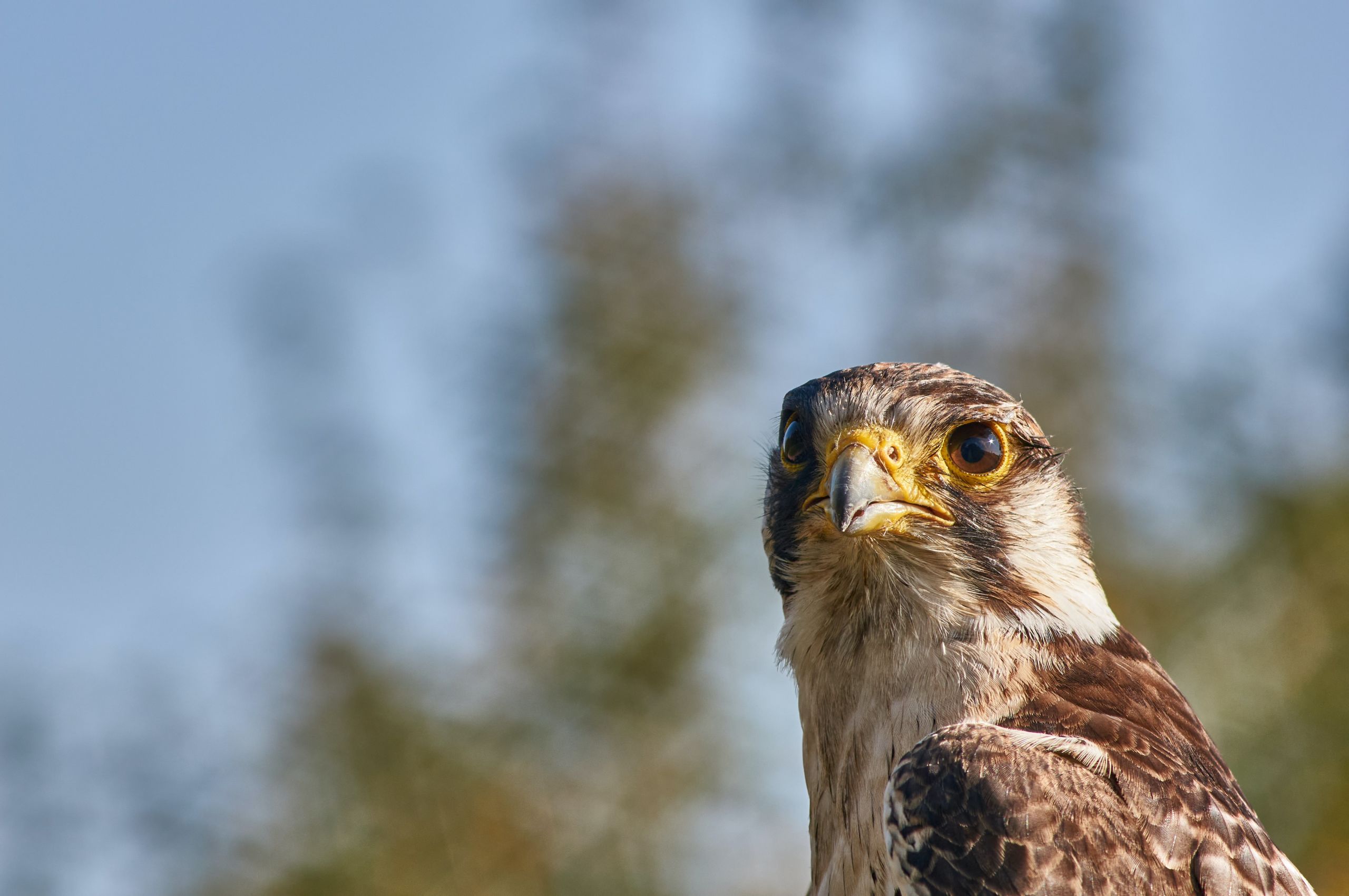
National bird charity the RSPB would normally receive three or four reports of the killing of protected bird species each week, but they now get this daily.
Neil Philips added: “Some members of hunting groups are making the most of there being a lack of evidence. The shot birds are mostly near grouse moors, but these are just the ones we know about- God knows what’s going on in the countryside!
“I’ve heard local reports of famers pulling up or cutting down hedges illegally, and I worry about the fate of badger setts whilst there is a reduction in policing.”
The work on the controversial HS2 railway is being pushed on throughout the lockdown period, and while most protestors are under lockdown, some are working around it by self-isolating in makeshift camps or up trees.
Workers clearing hedgerows and woods to make way for the for HS2 have been accused of disturbing birds nests at a time of year when pairs’ are laying eggs, and failing to maintain social distancing.
With the increased attention being paid to the environment by those who may not normally have the time, we can remain optimistic about the outcome of this period of natural liberation.
British Conservation Charity and the National Trust have started the ‘No Mow May’ campaign, aiming to encourage naturally-growing plants and the resulting bees and wildlife.
Neil said: “I’m hoping we might get some new volunteers out of this because of people discovering new interest.
“Hopefully when someone wants to build on that parkland that they’ve been walking through every day now they’ll be like ‘hold on a minute, no!’, and even if it’s not on the back of their house they’ll care a bit more about their local wildlife.”
Photographs courtesy of Neil Philips and unsplash.com. Video courtesy of Reuters.


 Built with Shorthand