
Hidden barriers:
Analysing inequalities in further education from personal anecdotes

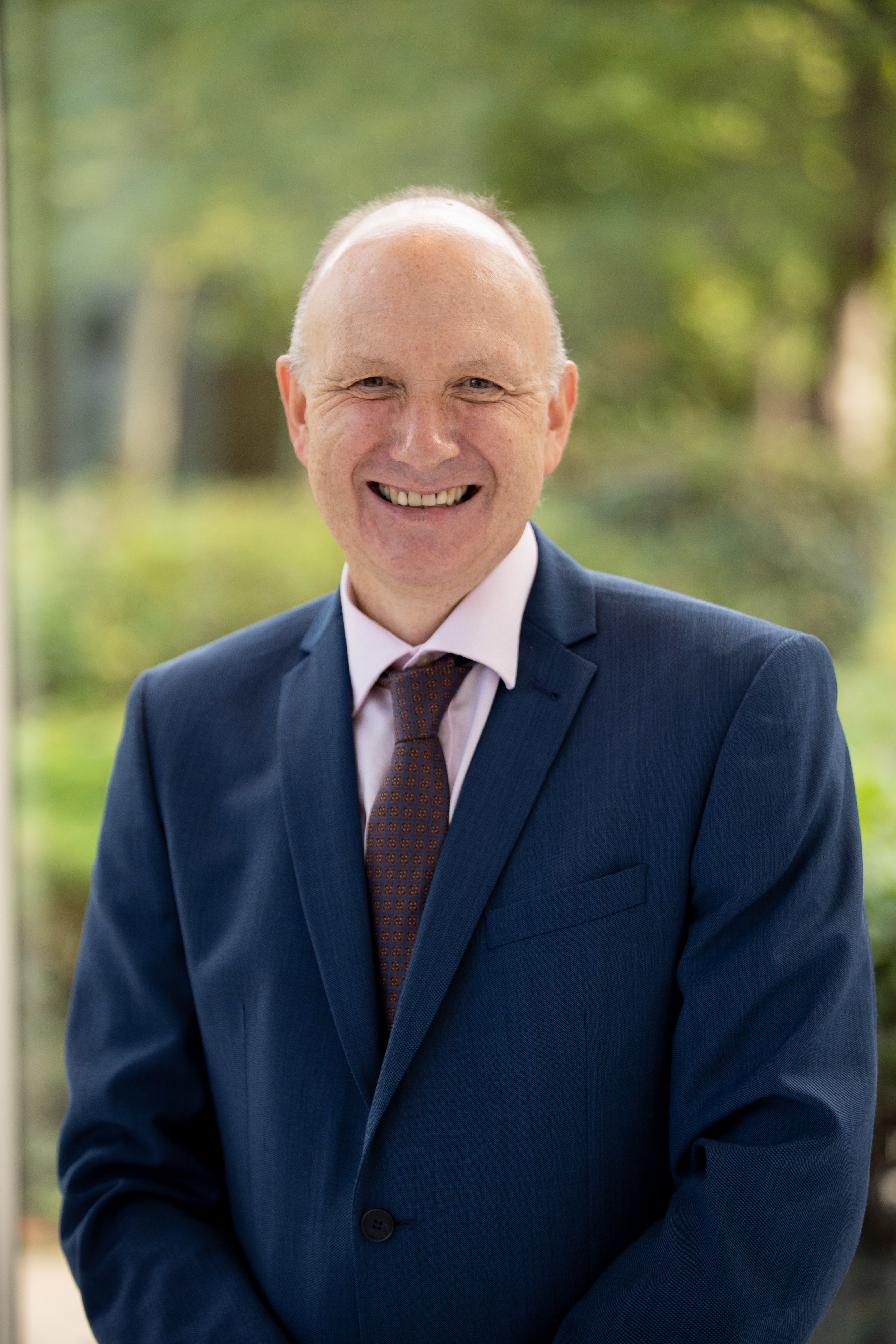
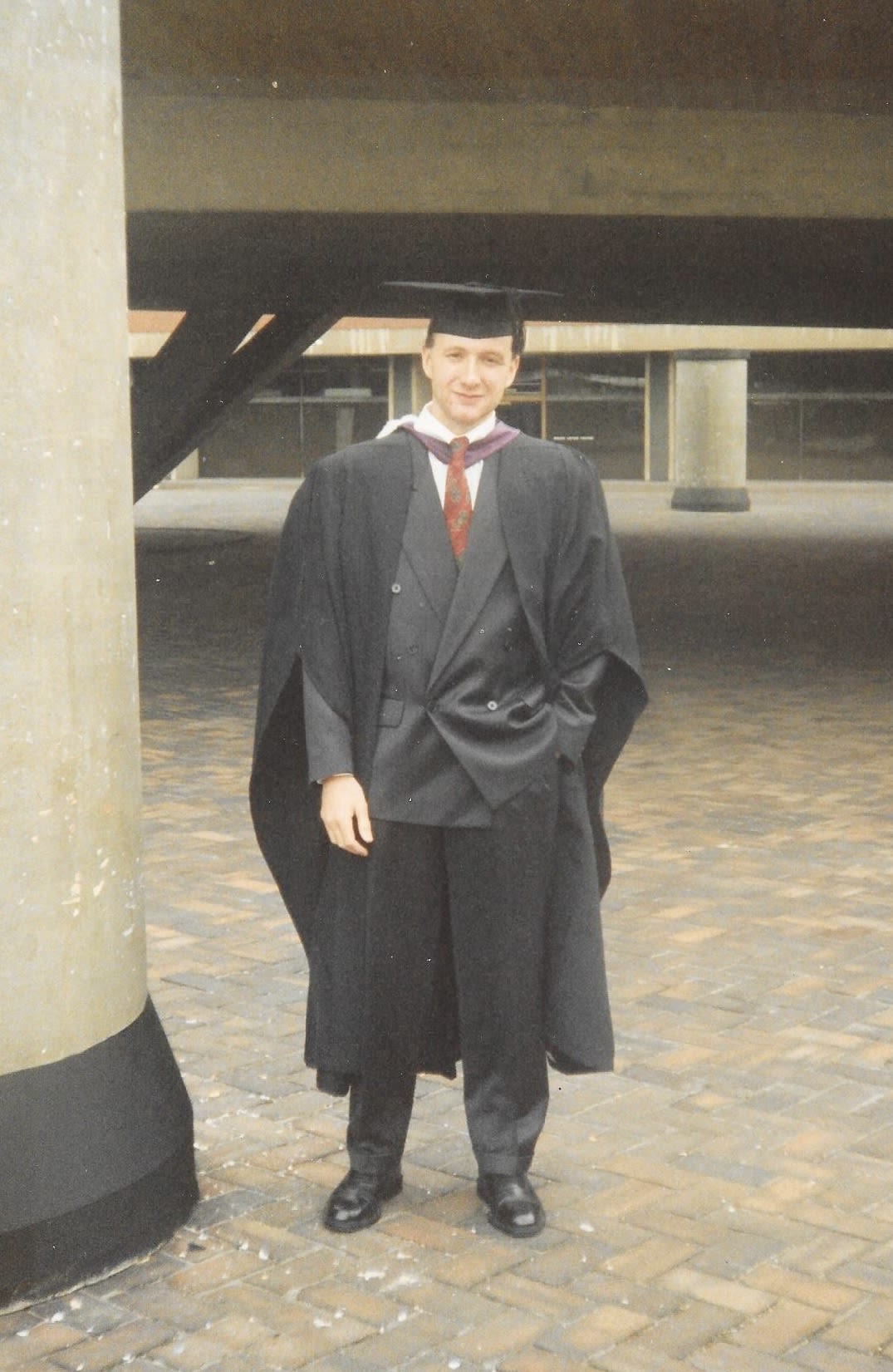
Professor Colin Bailey was a typical 16-year-old boy when he left school to become an apprentice at a construction company.
Of his adolescence, he said: “I can say I was only interested in two things, and that's playing football, and chasing girls.”
Studying at Slough College for 12 hour each week, Colin decided he wanted more and embarked on a 4-year apprenticeship as a design engineer.
It was when he was refused a pay rise from the owners of the company that life’s trajectory changed.
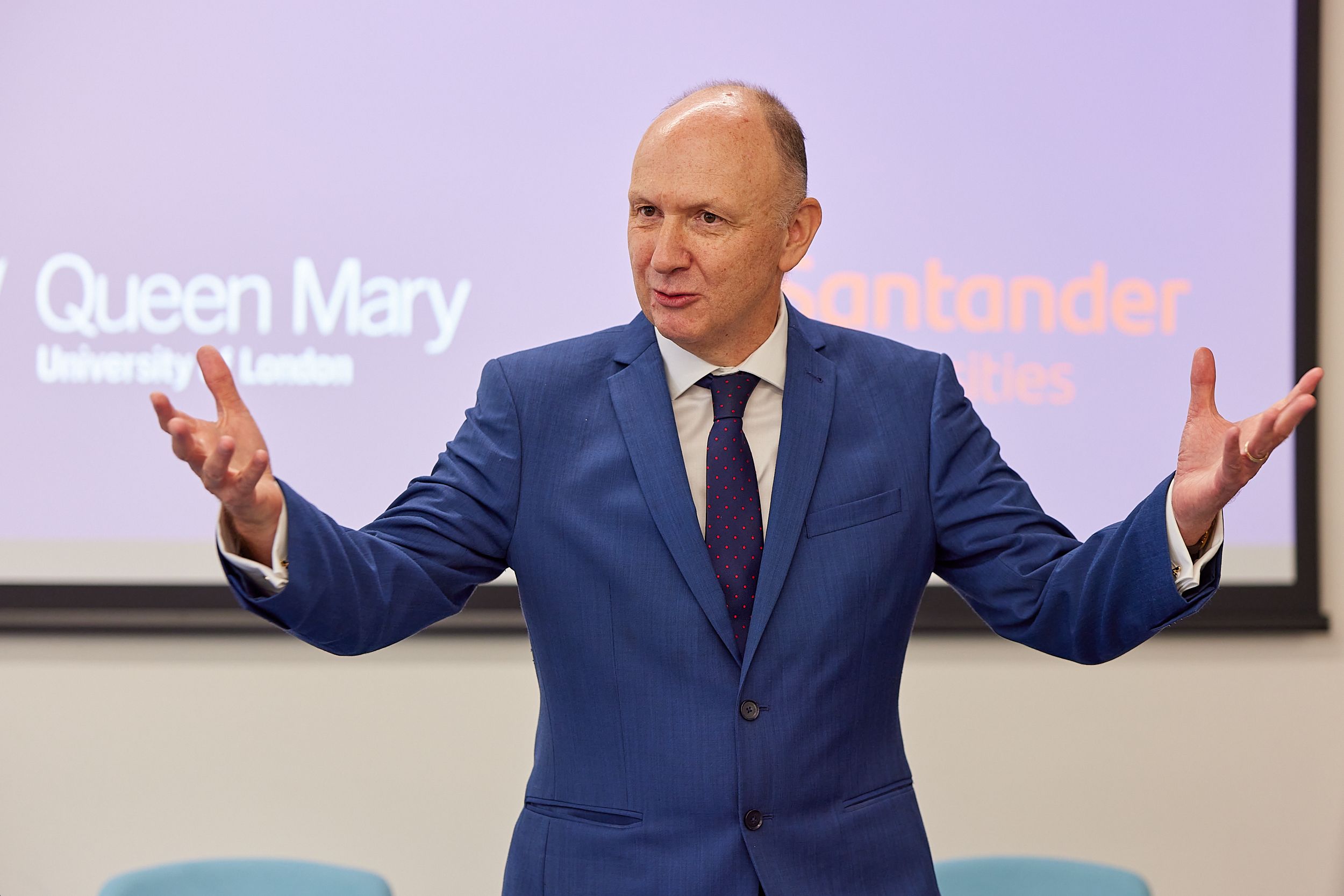
“They said ‘we pay you enough, considering the type of background you come from’ And that changed my life,” he told me from the lecture rooms of Queen Mary University, which he is President and Principal of.
“I think that was the first time I realised that there was bias, an embedded bias, within society."
Sadly, this reflects the stories of millions of young people that came before and have come since, all stuck on the ladder looking up at the glass ceiling.
Though Colin’s story was based in the mid 80s, education and social mobility are still a pair that come hand in hand.
In 2022 the educational charity Sutton Trust found that, while relative social class and education mobility had improved slightly, large disparities still remain in the likelihood of people climbing the income ladder, ending up in a higher social class, securing a university degree or being able to buy a home dependent on their background.
Erica Holt-White, Research and Policy Manager at the Sutton Trust, said: “The report concluded that in terms of absolute social mobility, a former golden age of upward mobility had been replaced by a modern era of declining opportunities and more limited upward mobility.”
The charity aims to improve social mobility by addressing educational advantage, an area which they believe is the biggest barrier for mobility.
Further research conducted by the trust around last year’s general election found that the British public view society as “unfair and divided by class”.
Erica added: “We have long believed that education is key in enabling young people to become socially mobile. However, due to poverty and inequality within this country, many children are going to school hungry and don’t have the same resources as their more affluent peers.
“We have a relatively elitist education system in the UK with just 7% of students going to a set of private schools, with much higher resources on average than the state sector, and a small number of elite universities which drive very significant competition for places.
"Ensuring that every child has access to high quality education, has the resources they need to excel at school, and the guidance they need to take the right next steps for them is critical for improving social mobility.”

Credit: Colin Bailey
Credit: Colin Bailey


Photo by Element5 Digital on Unsplash
Photo by Element5 Digital on Unsplash
PART 1:
Colin's story


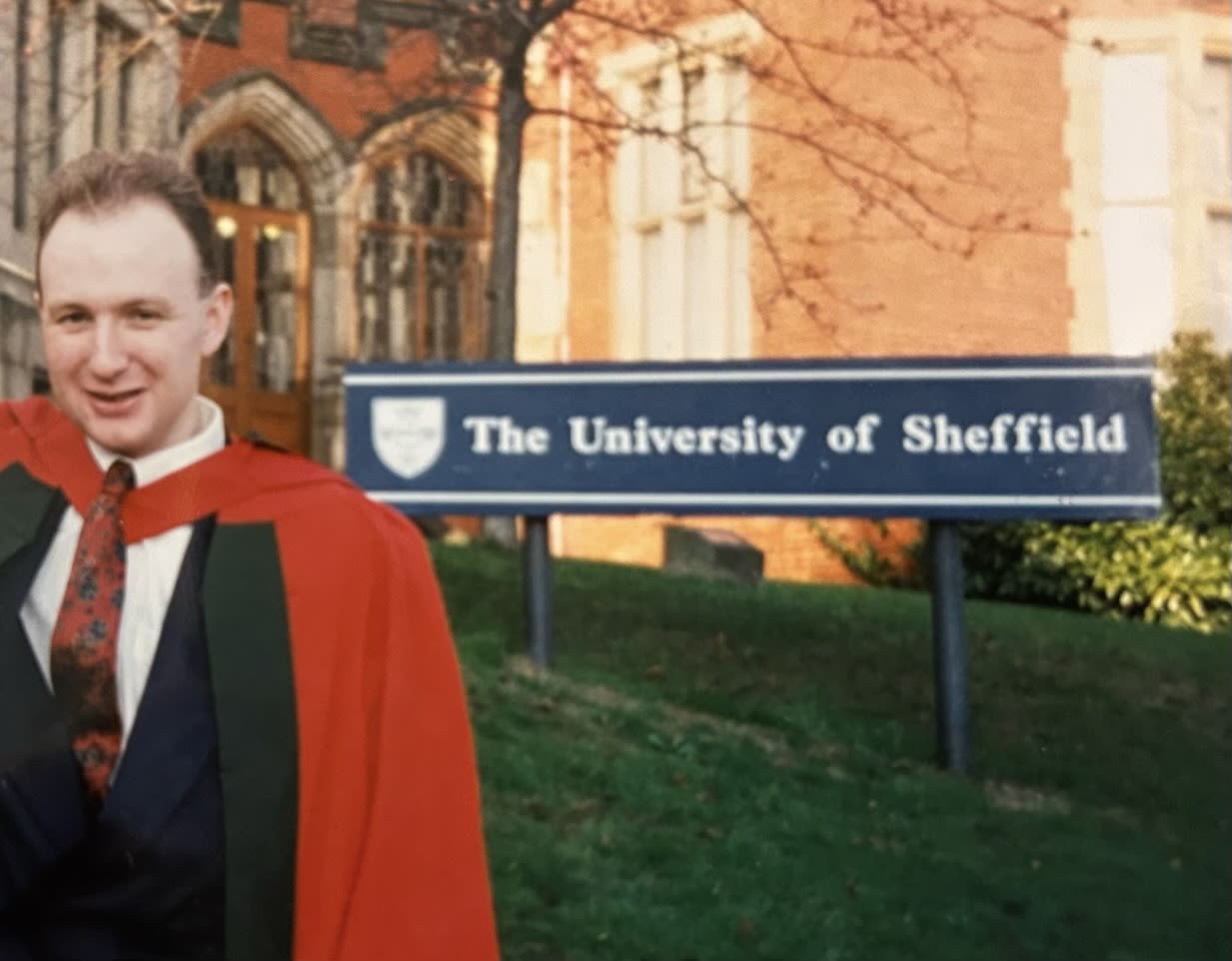
Since his awakening, Colin decided to change his fate and the fate of others by tackling the crisis head on.
He applied to study civil engineering at the University of Sheffield, and, after finishing top of the class, was offered a scholarship to carry out a PHD, which he carried out in three years.
From then, his career has been dedicated to fighting this injustice.
It is for his work at Queen Mary University that Colin was last year awarded a Social Mobility award for his ‘outstanding contribution to social mobility’.
The UK Social Mobility Awards (SOMOs) are a national initiative established in 2017 by the charity Making The Leap to promote and recognise efforts that advance social mobility across the country.
“One of the things that showed me how important this is, is the teaching,” he said. “It was the joy I saw from my students developing and then going on to successful careers all over the world."
“It was then I realized the power of education, where education could open the door to so many opportunities.
“It gave me opportunities, but more importantly, when I started teaching myself, is the way that you can provide those opportunities for your students to go on to successful careers.”
Throughout his roles, Colin has championed the social mobility movement through the power of education, from going to schools to talk about universities, to implementing foundation years to give more students “a chance”.

Credit: Colin Bailey
Credit: Colin Bailey

Credit: Colin Bailey
Credit: Colin Bailey

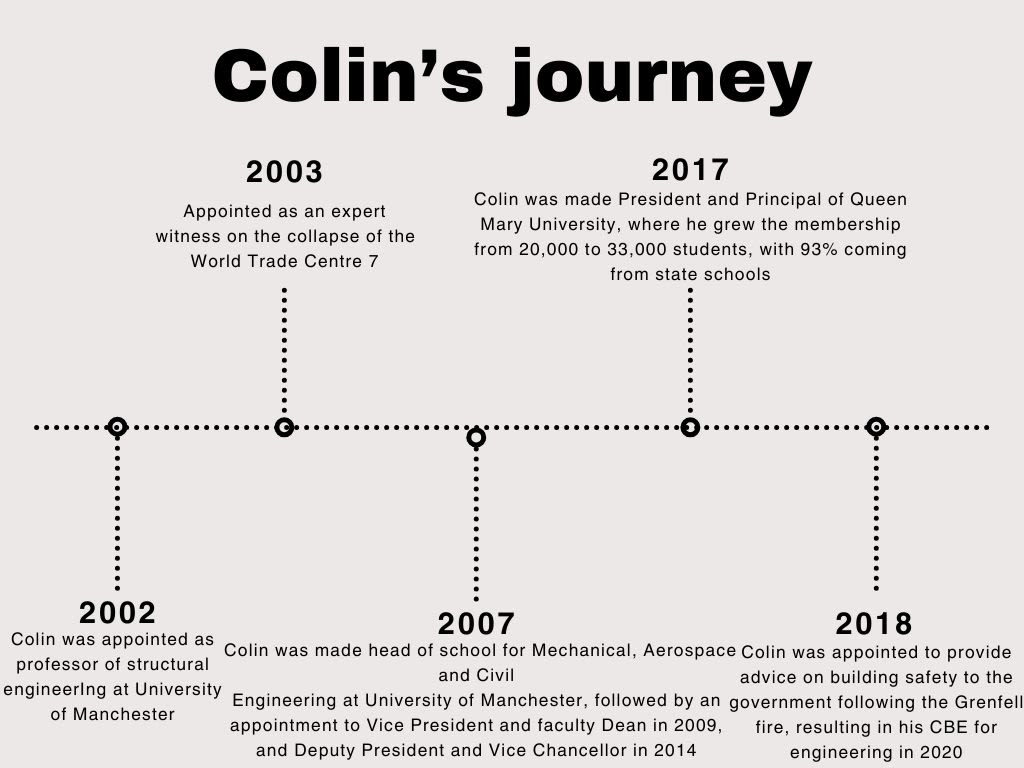
Colin believes that the issue goes further than just education, as highlighted by his experience of discrimination in the workplace.
Both Queen Mary University and The University of Manchester are part of The Russel Group, which is a collection of 24 UK universities best known for academic excellence.
The stories that follow are first-hand experiences from the top echelons of these universities – sharing opinions from a range of backgrounds about what needs to change to level the playing field in further education.
PART 2:
Shanika's story

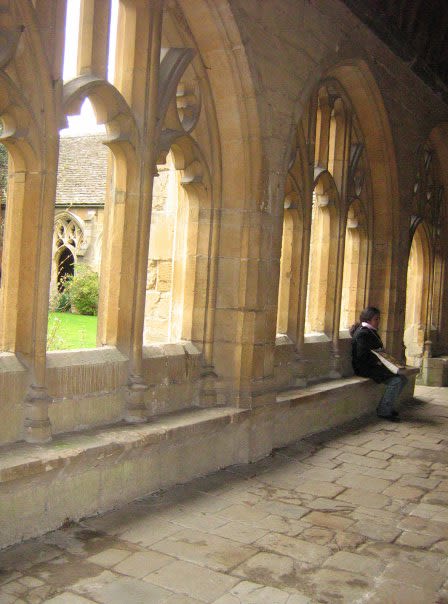

In 2022 it was reported that the proportion of places offered to state school students was just 68% at Oxford and 72.5% at Cambridge, a slight increase from 57% and 61% a decade earlier.
Of the lucky lot that enrol each year, a series of factors can go into receiving that acceptance Email.
Interviews conducted for this project highlighted these; private education, rigorous dedication, natural intelligence – the list goes on.
For Shanika Ranasinghe the answer was clear, intellect and opportunity.
When Shanika applied for Oxford in 2006, she was living in a single-parent household with her father who was on benefits, and had experienced a childhood which was “really difficult”.
She said: “It was really difficult with money, at points we didn't have money for the school uniforms.
“We were kind of going around in winter in the kind of summer jacket or blazer for the school, rather than the winter fleece coat, because we just couldn't afford it.”
Since 1997, The Sutton Trust has run week-long taster programmes for students wanting to experience university life, finding that students who attend their Summer Schools are four times more likely to apply to a leading university.
Offering over 40 different courses across 14 of the UK’s most competitive universities, Shanika felt the programme was the perfect opportunity to test the waters, applying to try music at Oxford.
She believes that programmes like the one she attended in 2006 are vital for introducing a variety of people to elite universities as it was only after visiting that she realised she could have a life at Oxbridge.
She said: “They're so important. I mean, like, you know, they can be real game changer, because I think a lot of people from comprehensive schools don't have that kind of support within the school.”
Shanika had a natural interest in music, receiving piano lessons by her mother and having violin lessons as a child, which were subsidised 70% by the local council.
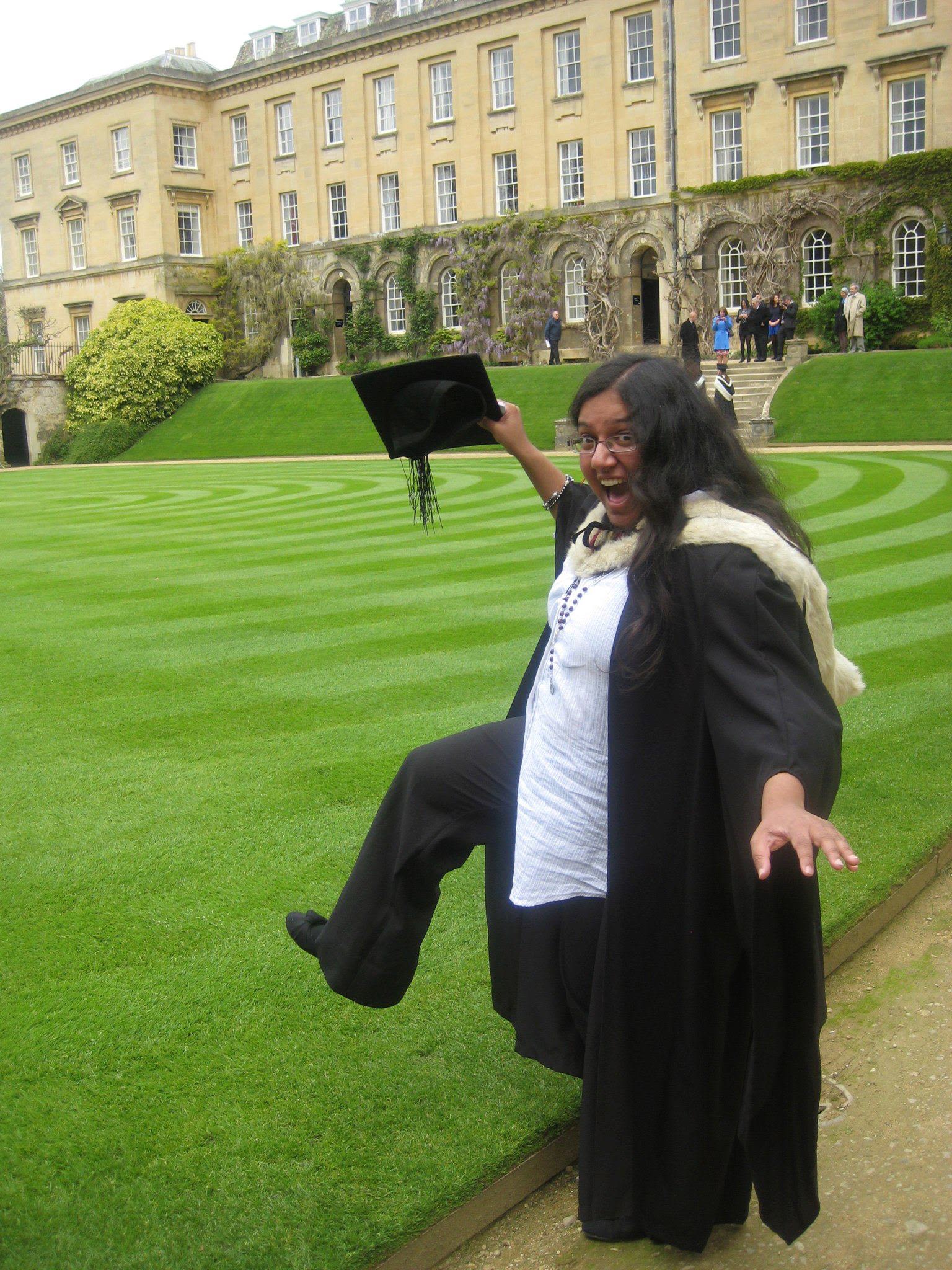
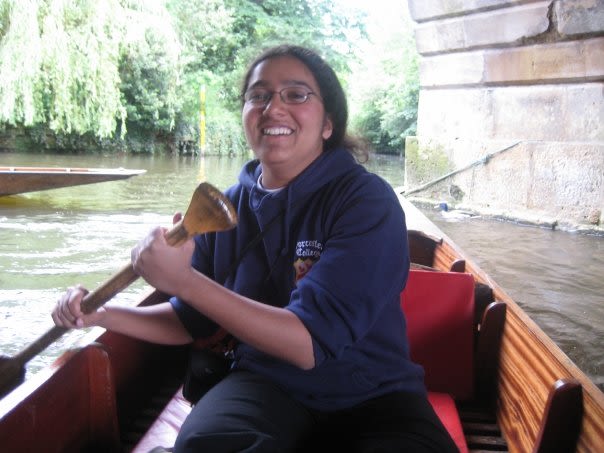
After receiving 3As in her A levels, Shanika enrolled to study music, in her words an “extremely middle class subject”, at Worcester College in 2007.
Due to her low household income, she received a 10k bursary to study at Oxford along with the maximum loan for her tuition fees and living expenses.
With a mother as a piano teacher and a father who studied architecture at university, Shanika experienced class misconceptions from a young age with people telling her she was not working class, despite her father frequently using food hubs and having not worked throughout her 37 years.
This is just one example of the complexity of class, with the Great British Class Survey in 2013 finding that class boundaries are blurred more than ever, with inequality entrenched in British society and economic disparity having increased.
Analysing the results in his book Social Class in the 21st Century, Professor Mike Savage heralded French sociologist Pierre Bourdieu’s theory, which analyses class as a wealth of capitals; Economic, social, and cultural.
It is these capitals combined which shaped Savage’s proposal of a seven-class model; which ranges from the wealthy and socially connected elite to the deprived precariat group.
During her time at University, Shanika rubbed shoulders with a wide range of people, from the son of an Earl and the son of the Pakistani politician and stateswoman Benazir Bhutto’s son, exposing her to a “different way of living”.
Although she denounces the idea that her college was institutionally elitist, she experienced snobbery for her socioeconomic status in a way that she believes could have hindered her if she wasn’t an “outspoken girl from Hounslow”.
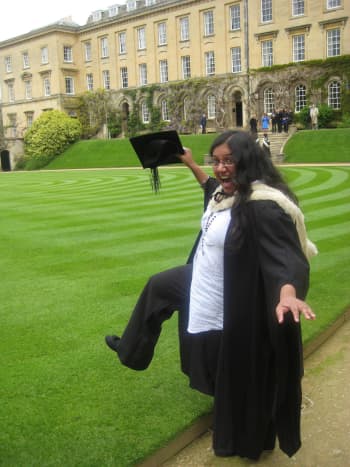


As a beneficiary of the work the Sutton Trust do, her belief is that this support should be more widespread and introduced from a much younger age.
It is her opinion that access is key, as showing young people that they can be a part of social mobility would revolutionise the idea of a ‘level playing field’.
She said: "I think schools need to be targeted earlier on for access widening participation schemes, that needs to be done.
“I think Sutton Trust really did open my eyes to the fact that it could be a place for me, and I think if we could have more schemes like that everywhere, that would really help with social mobility.”
In 2025, it’s clear to see work is being done by these “elite institutions” to diversify cohorts.
Whether it’s Oxford’s UNIQ program, an access program for UK state school students which prioritises students with good grades from under-represented backgrounds, or Cambridge’s Access and Participation Plans, a slow change is taking place for a more equal educational system.
For Shanika, Oxford was more than just a good education.
Each year thousands of young adults dream of a chance to change their fate and although education is not the only option, it can work a long way.
As Shanika works towards her PHD in music, her end goal is to work in widening participation at a Higher Education Institute, or in a learning and participation team within an arts-based organisation, helping more children who were just like her.
She said: “It was literally just Oxford. Oxford was my only chance to escape the family home and get myself out of that system of being in a home where the sole adult was on benefits, and to try and make a go of having a proper life.
“It was really transformative in that sense. And I'm very grateful to have had that opportunity.”
"Oxford was my only chance to escape the family home and get myself out of that system of being in a home where the sole adult was on benefits, and to try and make a go of having a proper life."
*Sarah's story
*Sarah is a fake name for anonymity

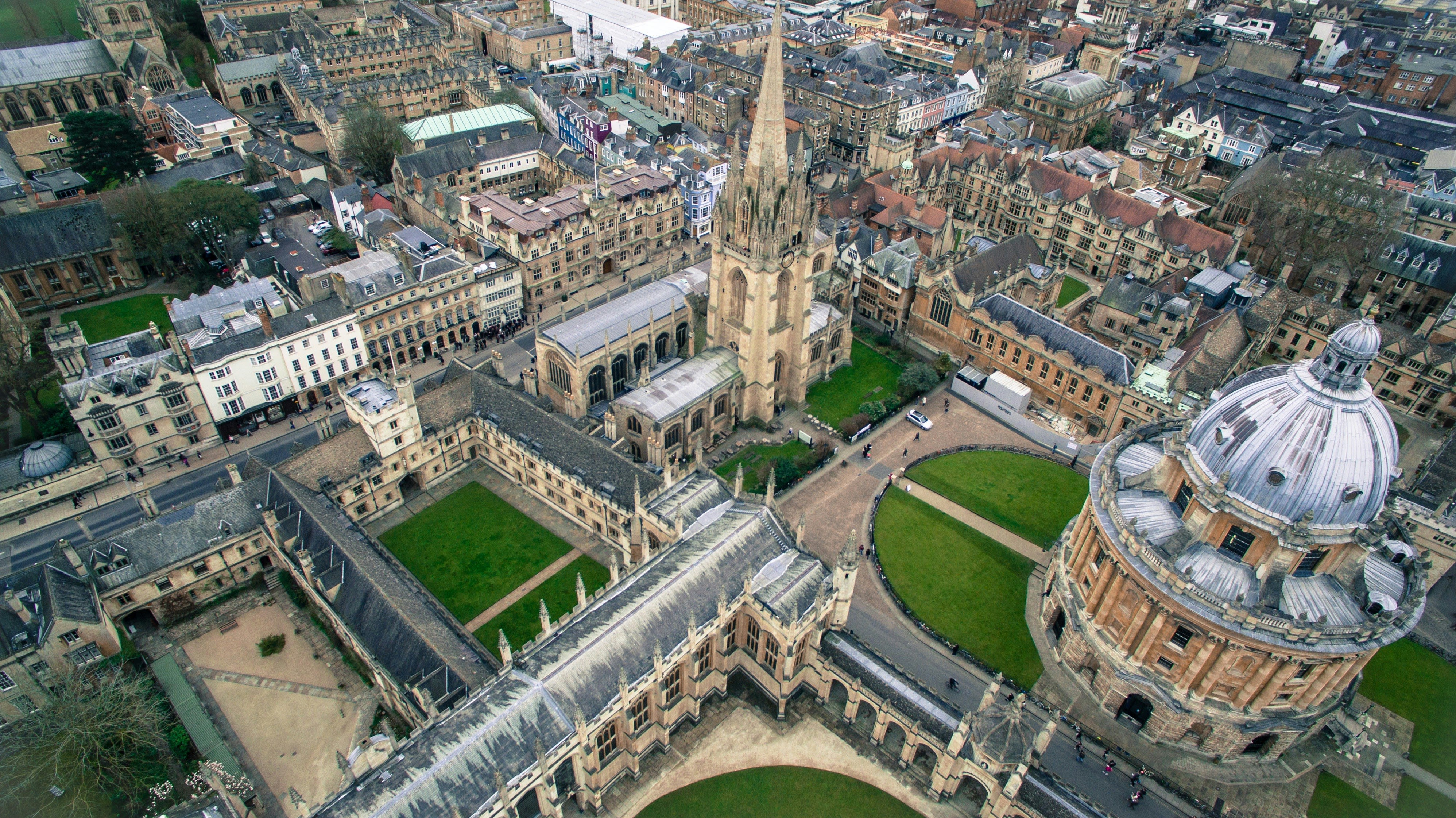

Sarah grew up in South London, an intelligent child born to artistic parents with her mother starting in theatre costume and her father in fine art.
She attended state-funded schools in Stockton and Brixton, and was the only student in her cohort to attend an Oxbridge university.
“We weren't poor whilst I was growing up, both my parents worked full time and it was only when I got to about the age of 10, when they started kind of really moving up the ladder,” she told me from her parents’ house, as “prices in London are insane”.
She said: “In my situation, what my parents have given me more than anything has been stability, love and encouragement, but with my mum, she gave me the knowledge of art history that has done me in really good stead.”
According to Savage, high culture (such as theatre, art, English literature etc.) has traditionally been seen as more valuable than hobbies such as liking rap music or watching football.
He believes that this notion is perpetuated by the educational system, where humanities subjects such as English literature, art and music “traditionally promote canonized high art forms”.
In the book, he writes “Well educated parents pass to their children – knowingly or not - the capacity for them to succeed at school and university, and thereby get the sort of qualifications which help them move onto the best jobs.”
Although this area has seen change, such as through more inclusive school curriculums, free entry initiatives to museums and The National Trust’s inclusion of places like industrial factories and the homes of John Lennon and Paul McCartney rather than just stately homes, a sense of cultural confidence and assertiveness appears to still place people in “good stead” for academic institutions.
Sarah said: “In my Oxford interview, in the jobs that I've applied for, in my general understanding of things, [my parents gave me] basically a really good sense of cultural capital that I have been able to use to further myself in my career, I think.”
Already somewhat prepared in cultural terms for a life at Oxford, the “rigorous” academic standards upheld at an elite university was something that Sarah was unaccustomed to and placed her apart from her peers.
“I'd never been in an academic environment that was so rigorous before and I found it very, very intimidating,” she said.
“I don't know what I was expecting, it was quite shocking. When I started I was like, how can my peers deal with that? Obviously, it's because they have grown up in that kind of environment.
"Whereas, I definitely had glimpses of the work, this kind of world whilst I was growing up, but it was more, going from a South London state school to Oxford was quite the chachallenge, and socially as well, it does affect people.”



Photo by Siora Photography on Unsplash
Photo by Siora Photography on Unsplash
Despite initially feeling like the environment was “alien” and struggling with her confidence in her first year, she enjoyed the challenge.
This widespread “imposter syndrome” feeling that many state-school students feel at the university has been supported by research from Éireann Attridge, who found that it was common for working-class students to face dilemmas with their identity at the institution, feeling a social disadvantage to their peers.
Though many would describe this as a hidden barrier for some students, Sarah believes they are clear to see, they’re just not spoken about.
Sarah left university with a bachelor’s degree in history, and after initially thinking “what the f*** do I do?”, she soon found her way, achieving a first-class master’s degree in history at University College London.
Now a budding journalist working freelance for CNN, Sarah can look back at her time at Oxford and say she met some “amazing people” for which she “will be forever grateful”.
But her main takeaways regarding inequalities in education? She said this:
Freya's story



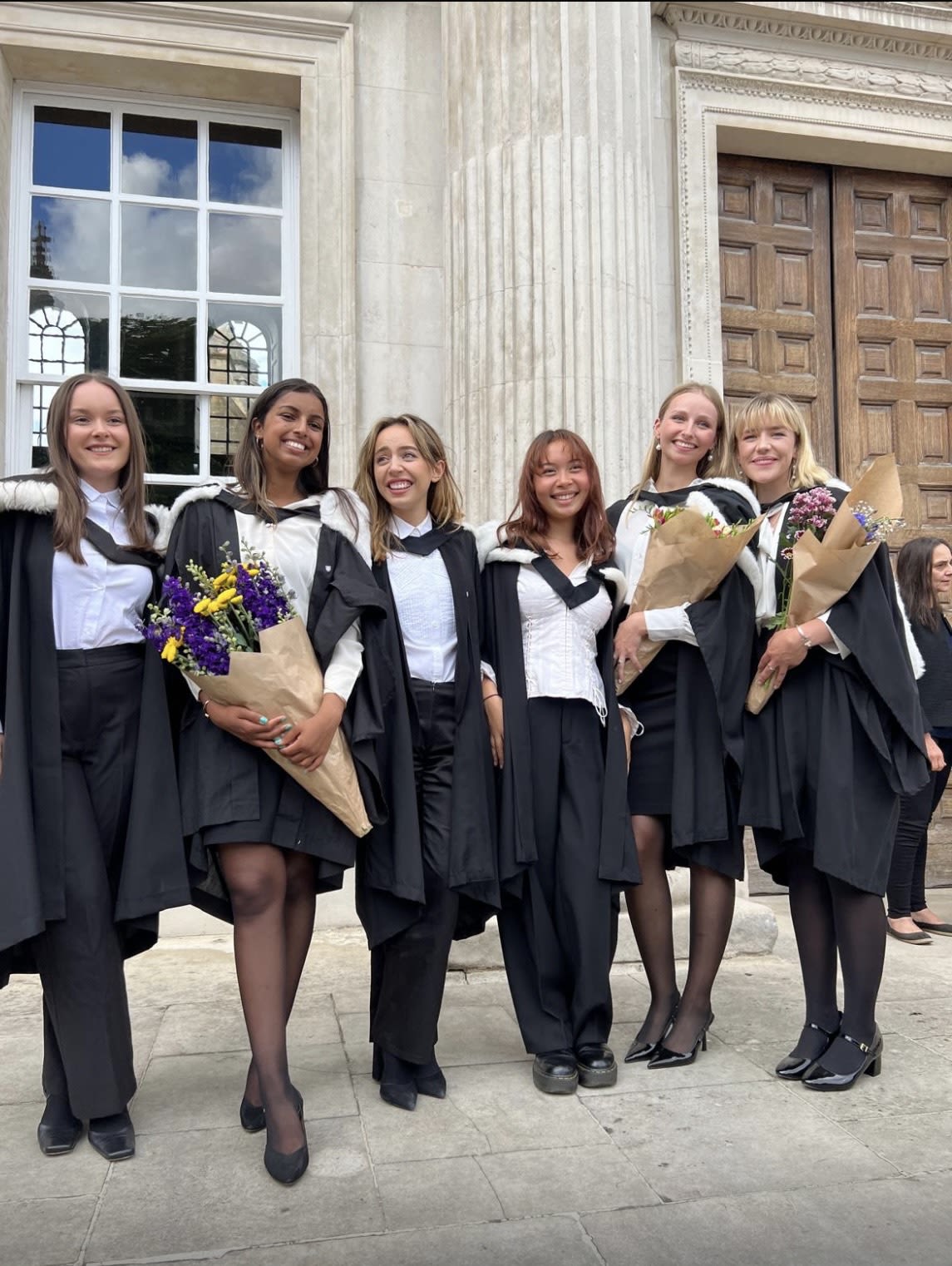
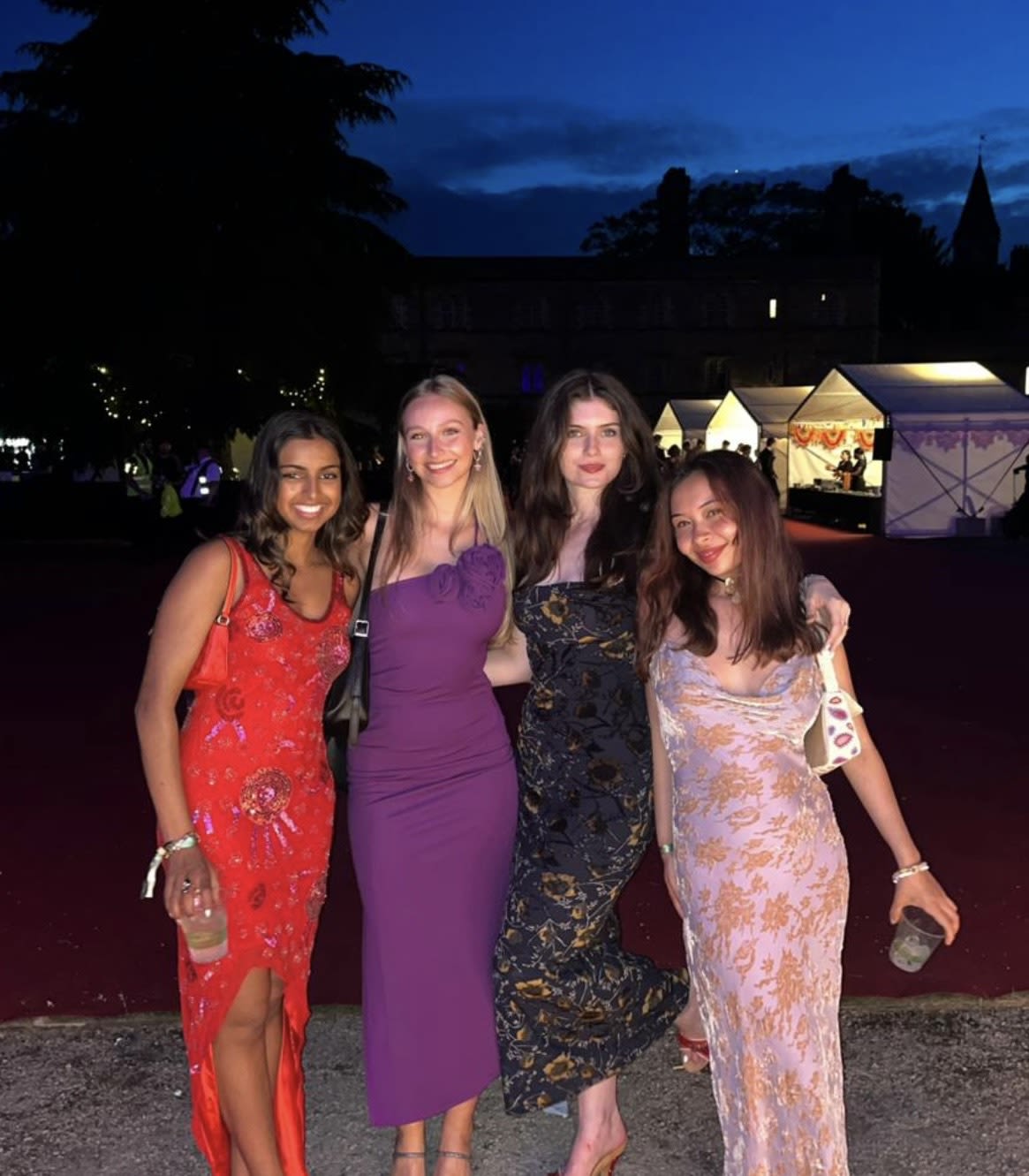
Graduating in 2023 with a bachelor’s degree in English literature, Freya Beard left Cambridge University slightly disillusioned by the ‘elite school’ notion.
If you were to ask the 18-year-old A-level student why she was applying to spend the next three years of her life stressed and sleep deprived; she would tell a story of passion, school pressure and parent pleasing.
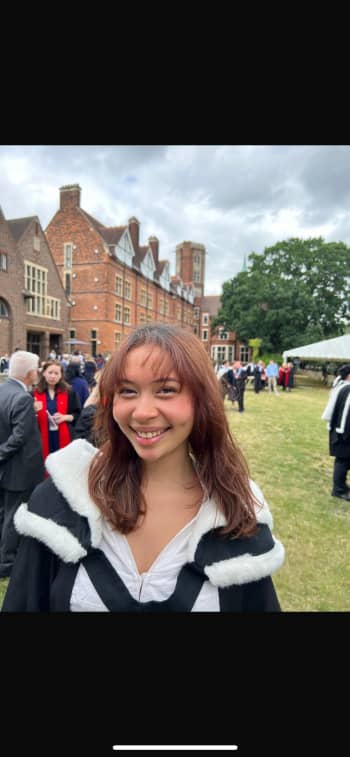

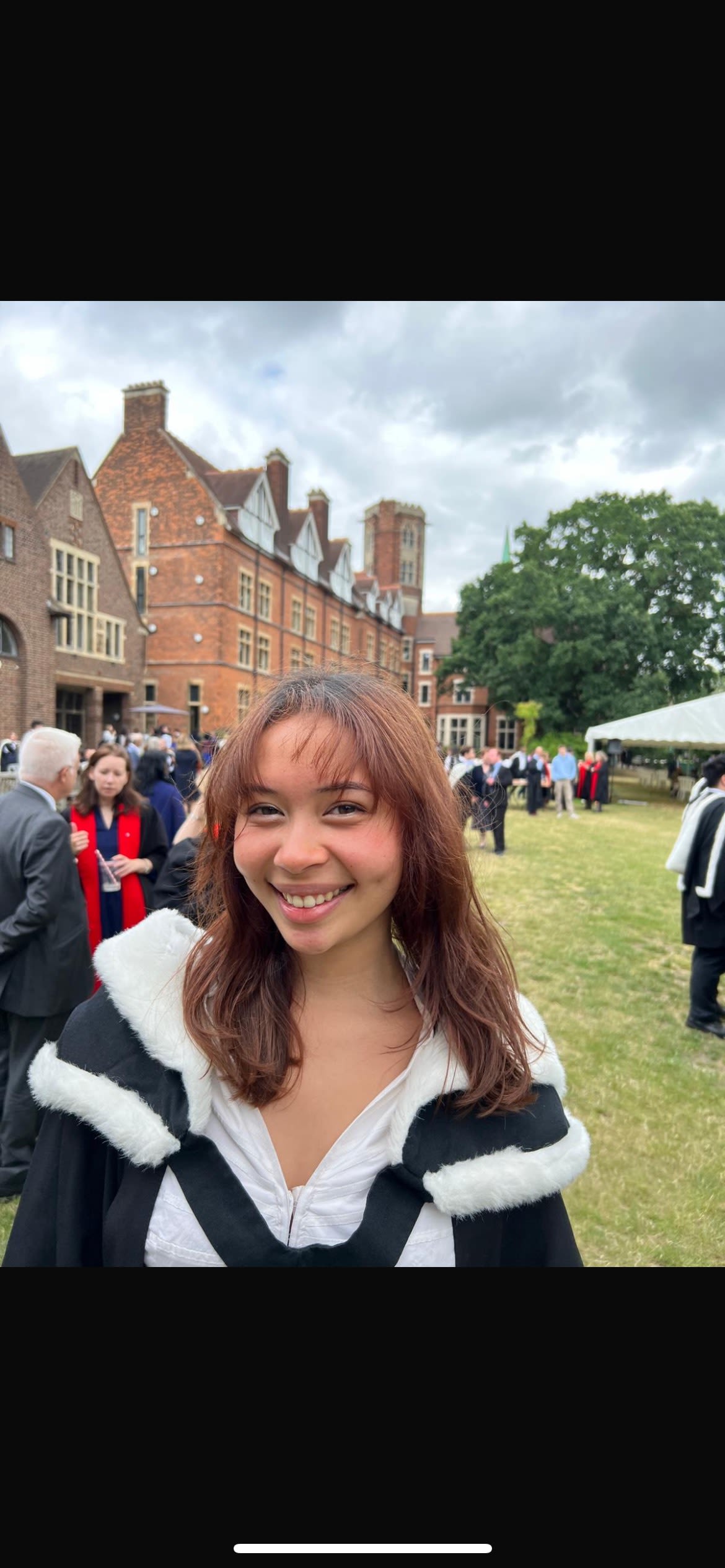
Ultimately however, she told me it was her passion for English literature that carried her through her degree, as she spoke anecdotes of stress and a lack of support.
“There was a guy who fell off his bike and knocked his teeth out,” She told me in disbelief.
“The first thought he had when he got to hospital was that he was really worried about not getting an extension for his work.”
Freya’s story isn’t exactly a positive one.
Her story is one that started with what she called an “uninformed” decision, and was littered with examples of “unconscious bias”.
Recognising that her private education was a “privilege” that “helped [her] along the way”, it was interesting to hear that Freya didn’t know if her life would have been the same without it.
She said: “I feel there’s an unconscious bias towards people’s education.
“I can't quite say like a prejudice, but unconscious bias towards that, as opposed to someone who's got like a different accent.”
Her time studying at Hamilton College was hindered by a late ADHD diagnosis, which caused her to struggle with the “intense” workload.
“Looking back I'm still not sure whether I would do it again,” she told me. “I was just very surprised with how like disorganised it seemed.”
“So I would say like a criticism of Cambridge is the fact that their learning support resources weren't very fleshed out, which I thought was very surprising for obviously for an institution with a lot of money.
“I would definitely say that it's still an institution for the elite, it's just because of the reputations that are ingrained within the colleges as well, they can't shake how private school some of them come across.”

Credit: Freya Beard
Credit: Freya Beard

Credit: Freya Beard
Credit: Freya Beard
Rebecca's story

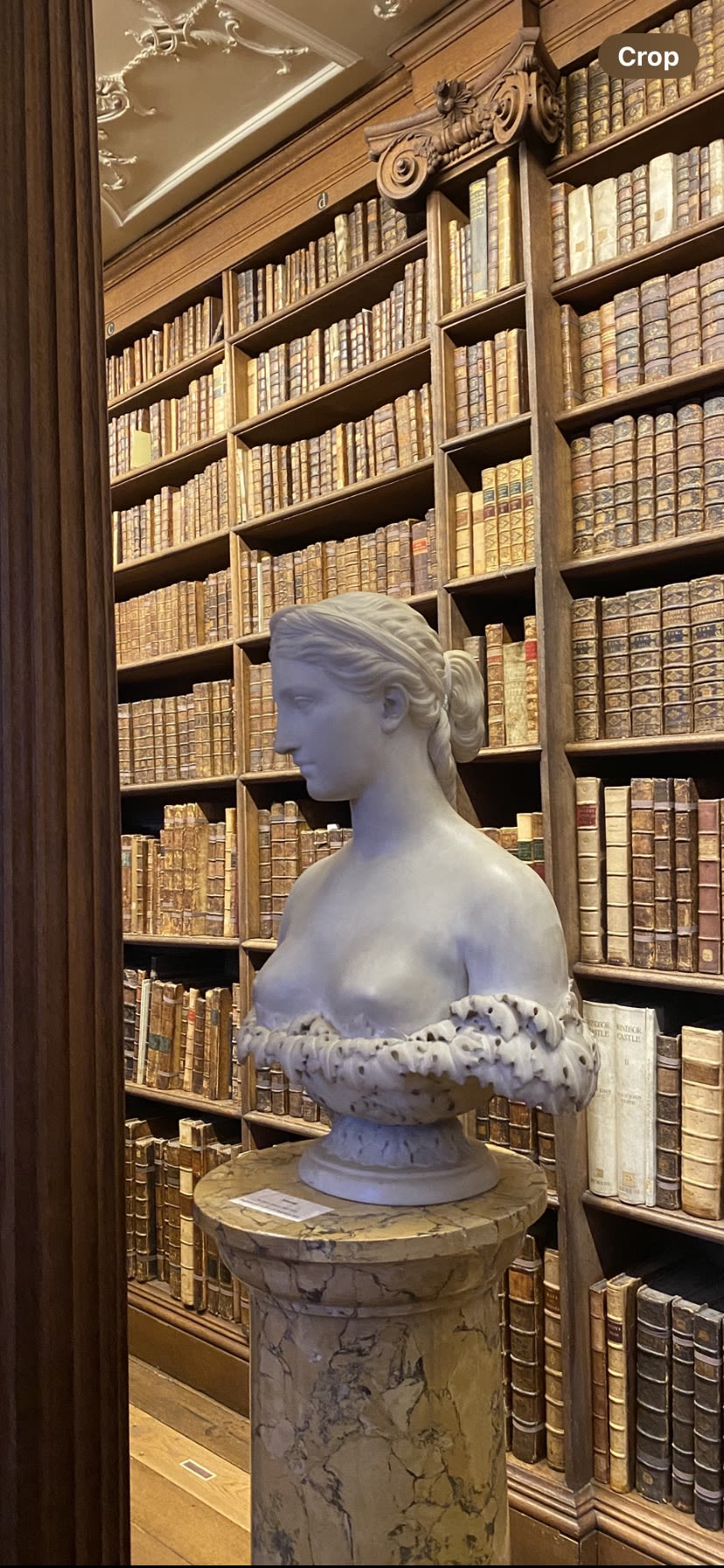

When it comes to accessing universities like Oxford, many assume that talent and hard work are enough to secure a place.
Yet, as one Oxford graduate revealed in a candid interview, financial stability and parental support often play a crucial role.
Despite the meritocratic ideals championed by higher education institutions, Rebecca Whalley believes the stark reality is that many talented students are left behind due to financial constraints and inadequate student finance support.
Rebecca grew up near Dover, in an area which she called “one of the most deprived areas in the South”.
A first-generation university student, Becky graduated from Birmingham University and applied to study for her master's at Oxford on a whim.
She had attended a girls grammar school, had middle class parents, and had saved up after working a year in marketing.
But the realities of life at Oxford had showed her the financial injustices of education.
Last year, a report by the think tank the Higher Education Policy Institute found that university maintenance loans are inadequate at covering student’s essential needs, with English students receiving the minimum student loan needing up to £15,127 a year in support from their parents.
The report, which followed a large campaign by MoneySavingExpert.com urging the government to increase loans, also found that even for those receiving the maximum maintenance loan, the funds needed to fill the gap can be as large as £11,000.
Rebecca said: “My biggest gripe is with Student Finance England.
“I think they are responsible for some of the reasons why I'm the only student in my school who made it to Oxbridge.”


Photo by Josh Appel on Unsplash
Photo by Josh Appel on Unsplash

Photo by Pang Yuhao on Unsplash
Photo by Pang Yuhao on Unsplash

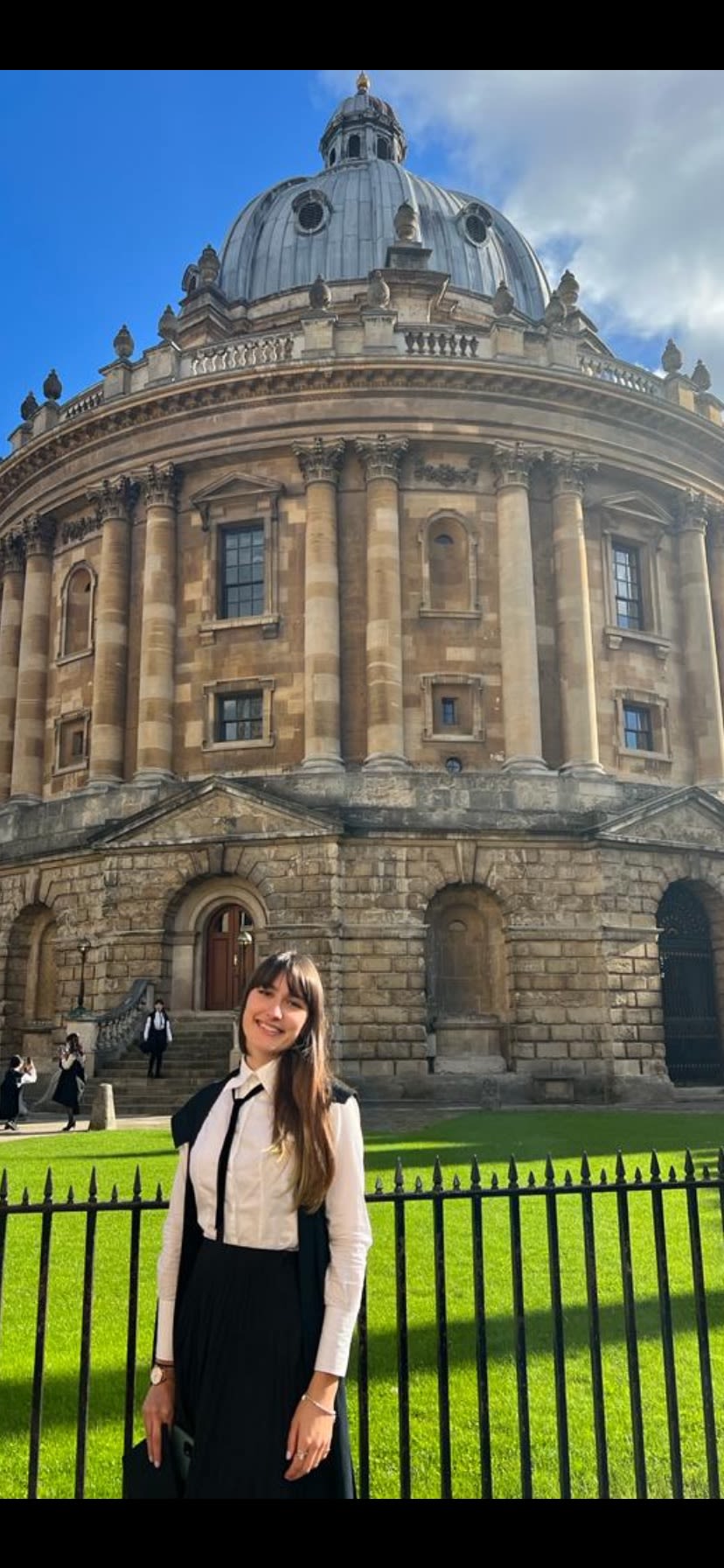
Credit: Rebecca Whalley
Credit: Rebecca Whalley
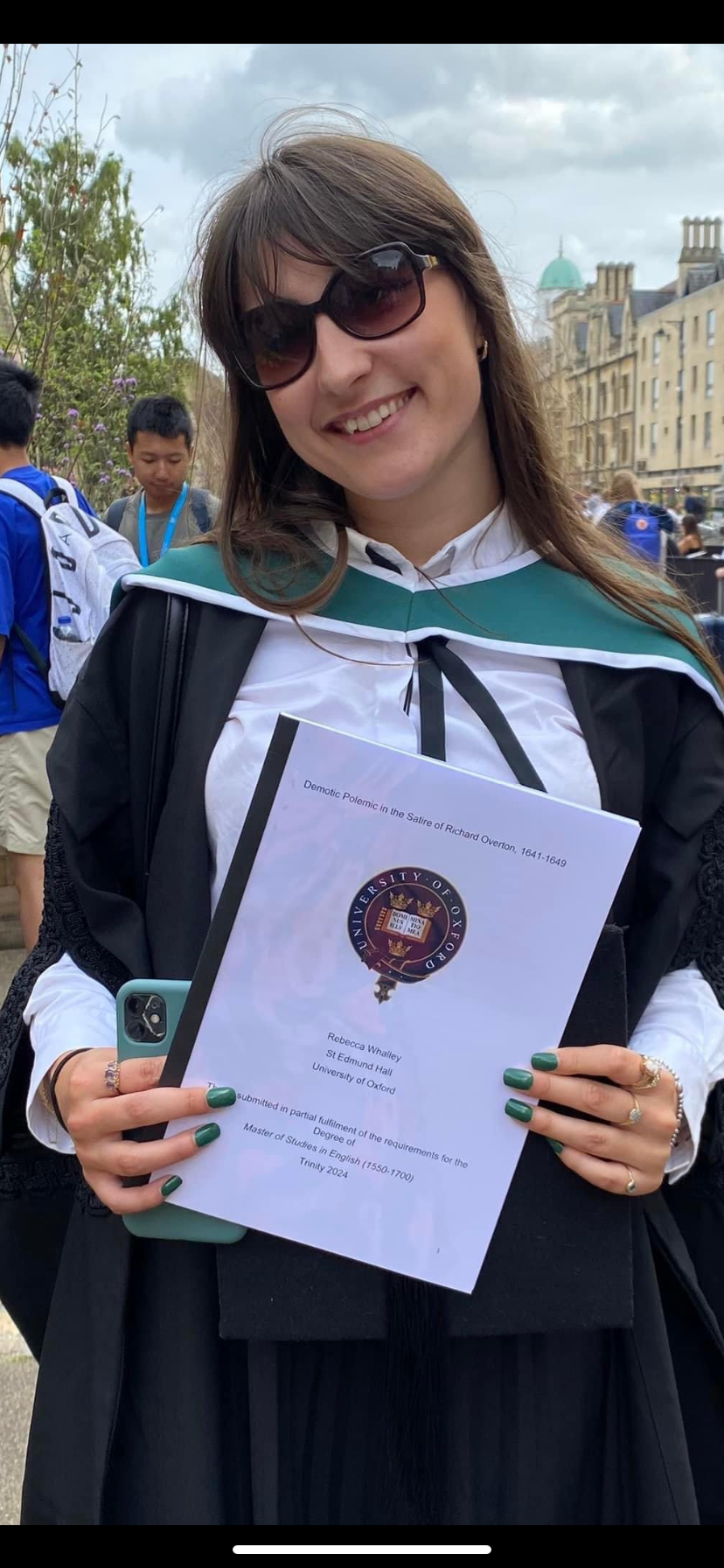
Credit: Rebecca Whalley
Credit: Rebecca Whalley
Last summer, data obtained by BBC News revealed that almost 1.8 million people are in at least £50,000 of UK student debt according to figures from the Student Loan Company, with more than 61,000 having balances of over £100,000 and over 50 people owing upwards of £200,000.
Analysis from The Times also found that depending on your income, supporting your child through university could need an extra £3,000-£8,000 a year, with a higher education consultant Cherry Hagger sharing that she had seen one family downsize their house to send their child to university.
With all this in mind, it begs the question as to whether there really is a level playing field in education?
With some of Rebecca’s friends benefitting from the Clarendon Scholarship, the university’s scheme which offers 200 fully-funded scholarships each year to assist outstanding graduate scholars, she has seen firsthand the effect that financial help can have on further education.
“I think they need more grants, I think they need more bursaries and scholarships to people,” she told me.
“They do exist, so there's quite a lot actually. One of my mates applied and she got her entire master's paid for her because she's from a working class background, so that was pretty good.
“I think they also need to advertise that more because I think there is this, to be honest, quite right perception of Oxford is that it's inaccessible to working class people, and if they want to change that, they need to up the amount of money that they can give to prospective students and actually advertise that money as well because they have it.”
Overall, Rebecca’s experience at Oxford was positive.
She had an amazing time and met some amazing people, experienced a world-class education and is now preparing for a career in journalism.
But for other students who aren’t lucky enough to have her level of parental support, Rebecca’s account highlights how finance can hinder potential.
She added: “I think it has to be less expensive for working to ask people to get to university, how they do that, I don't know, but it's far too expensive.”
 Built with Shorthand