Face masks uncovered
The government's controversial plan to ban face masks at protests has moved a step closer. Sumaiya Motara explores why many fear it will be an attack on their democratic rights.
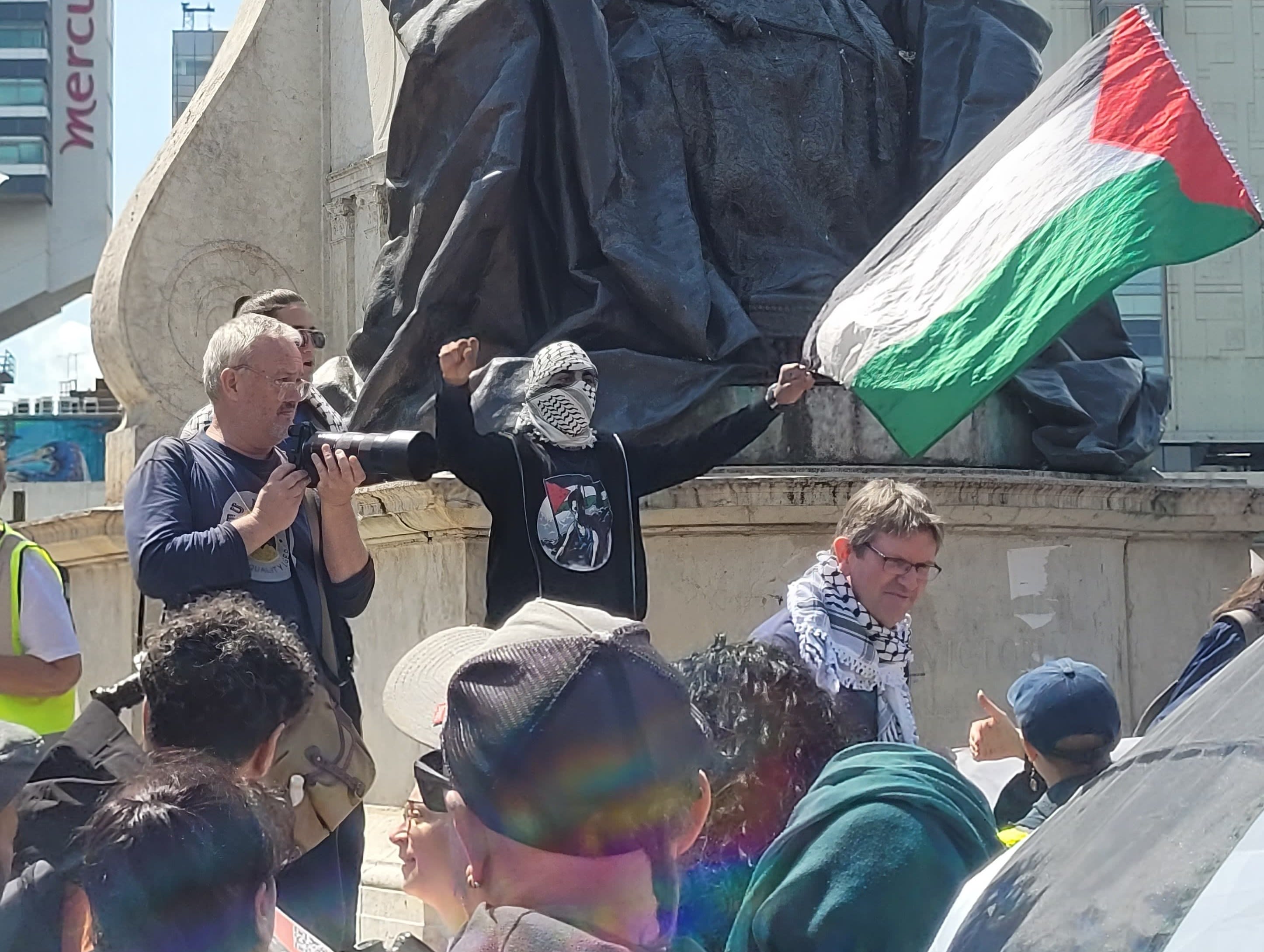

The man talking to me was difficult to hear.
“Either I lose the right to express my democratic freedoms,” he said. “Or I lose my job.”
A lively protest was in full swing behind us, and his words were muffled by a grey balaclava covering his mouth. I leaned in closer to listen to him.
“For my safety and the safety of the company I work for, I need to cover my face,” he said.
The 21-year-old is only allowed to deliver aid to countries like Lebanon, Syria, Palestine, Yemen, and Turkey on the condition he is not “caught at protests”.
The next part of what he said was unintelligible. Raising my voice to be heard over the activists using megaphones, I asked him to repeat himself.
The man obliged, “if the government bans face masks, I won’t be able to protest for Palestine. But protesting is, essentially, all I can do to raise awareness.”
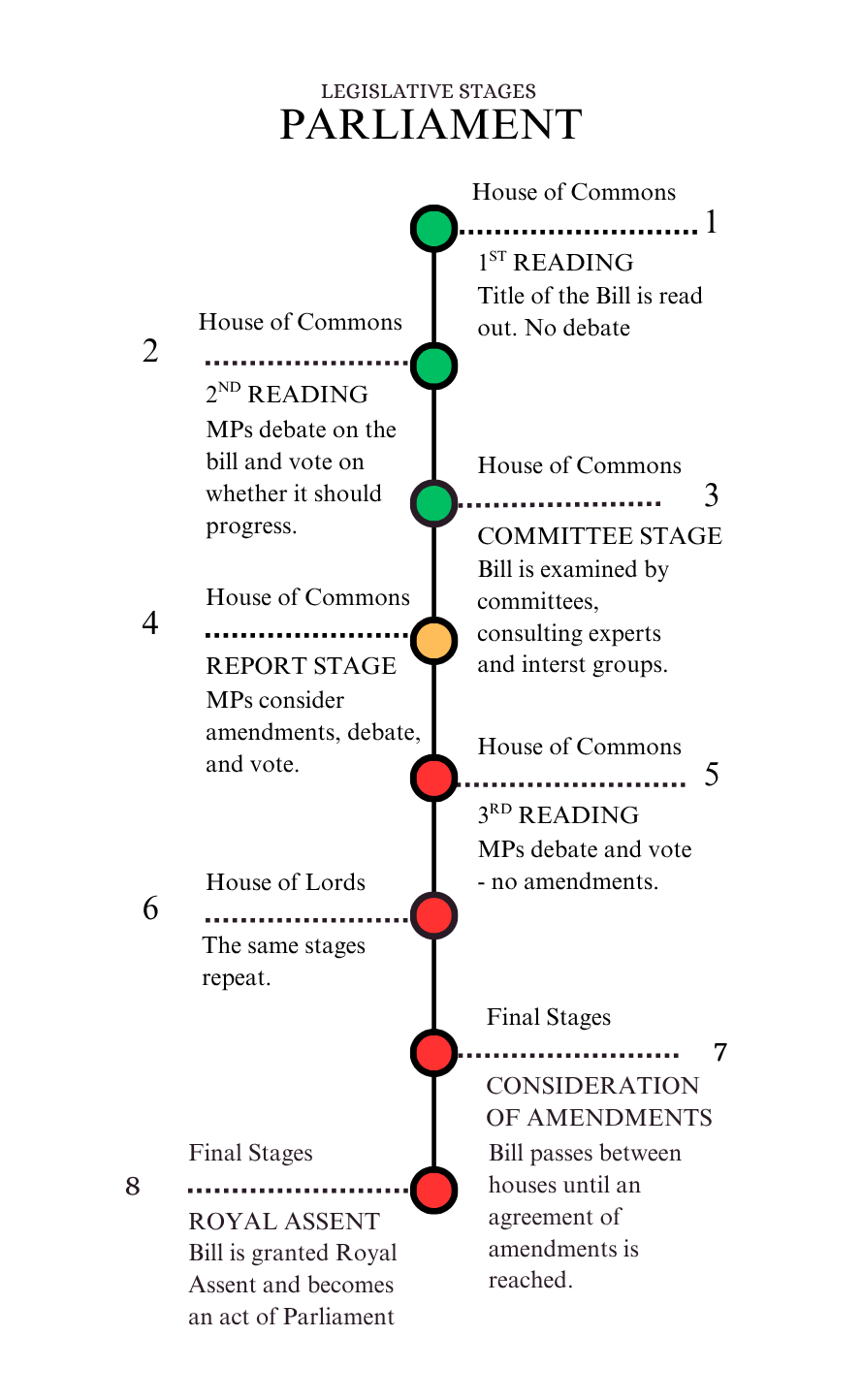
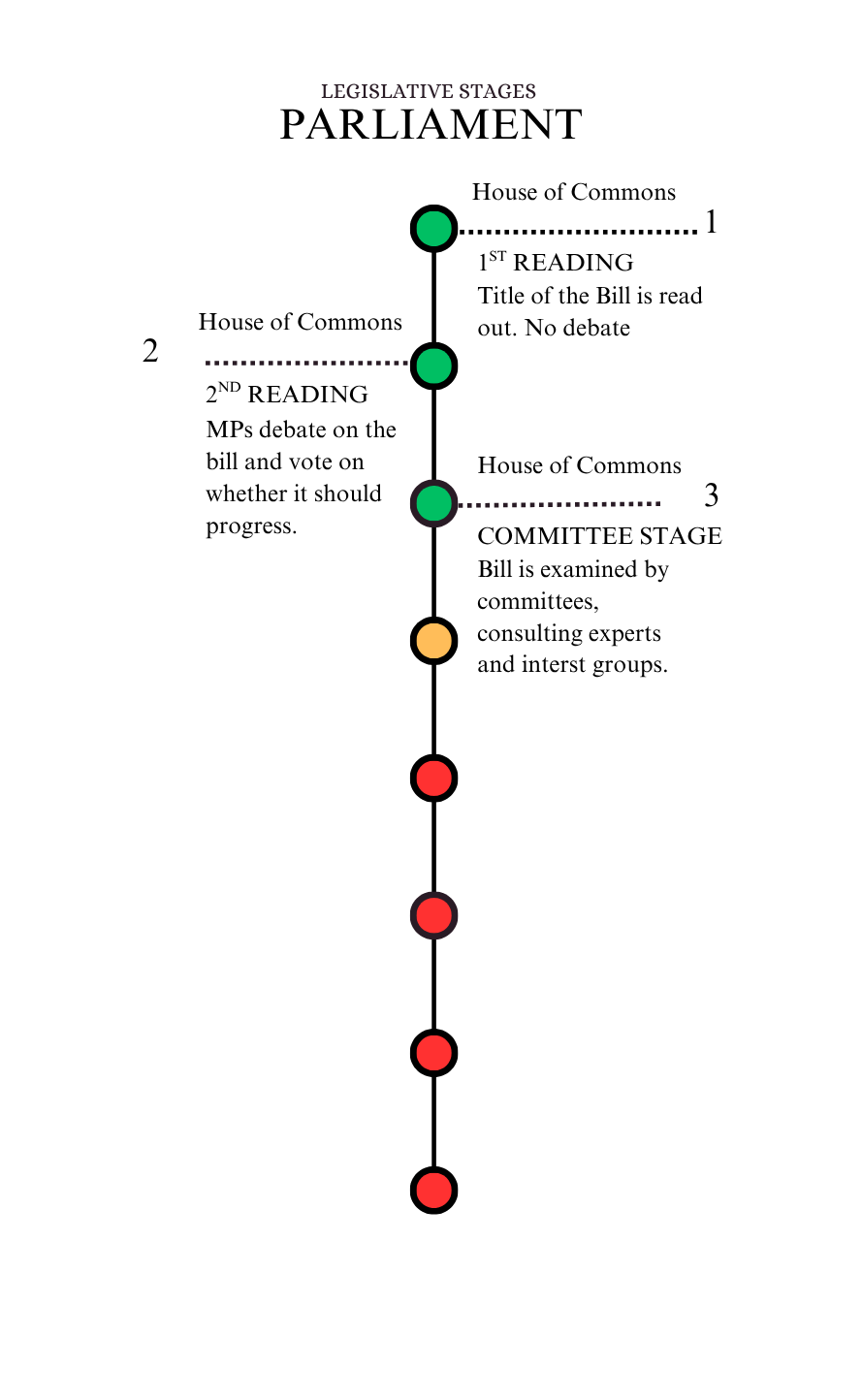
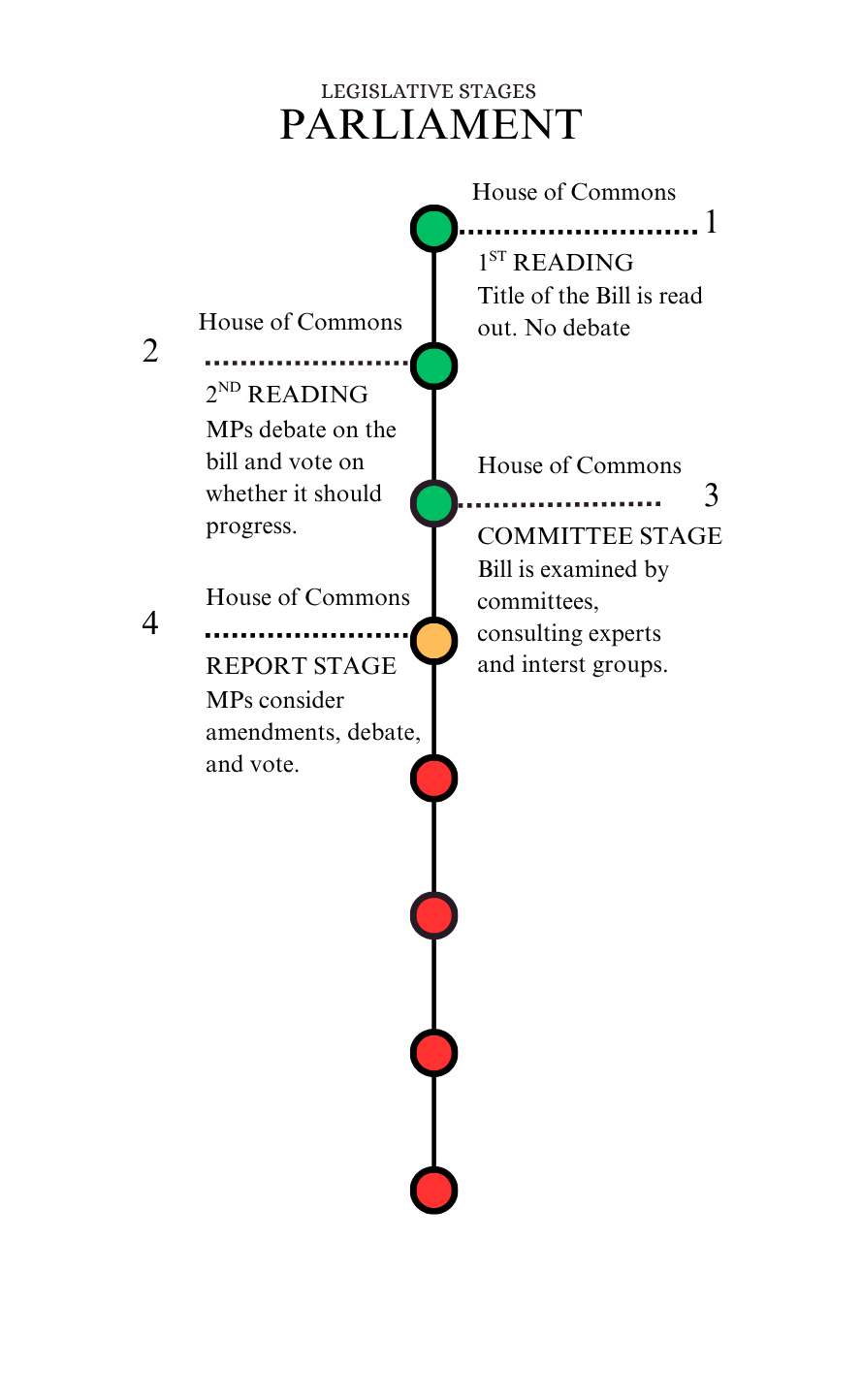
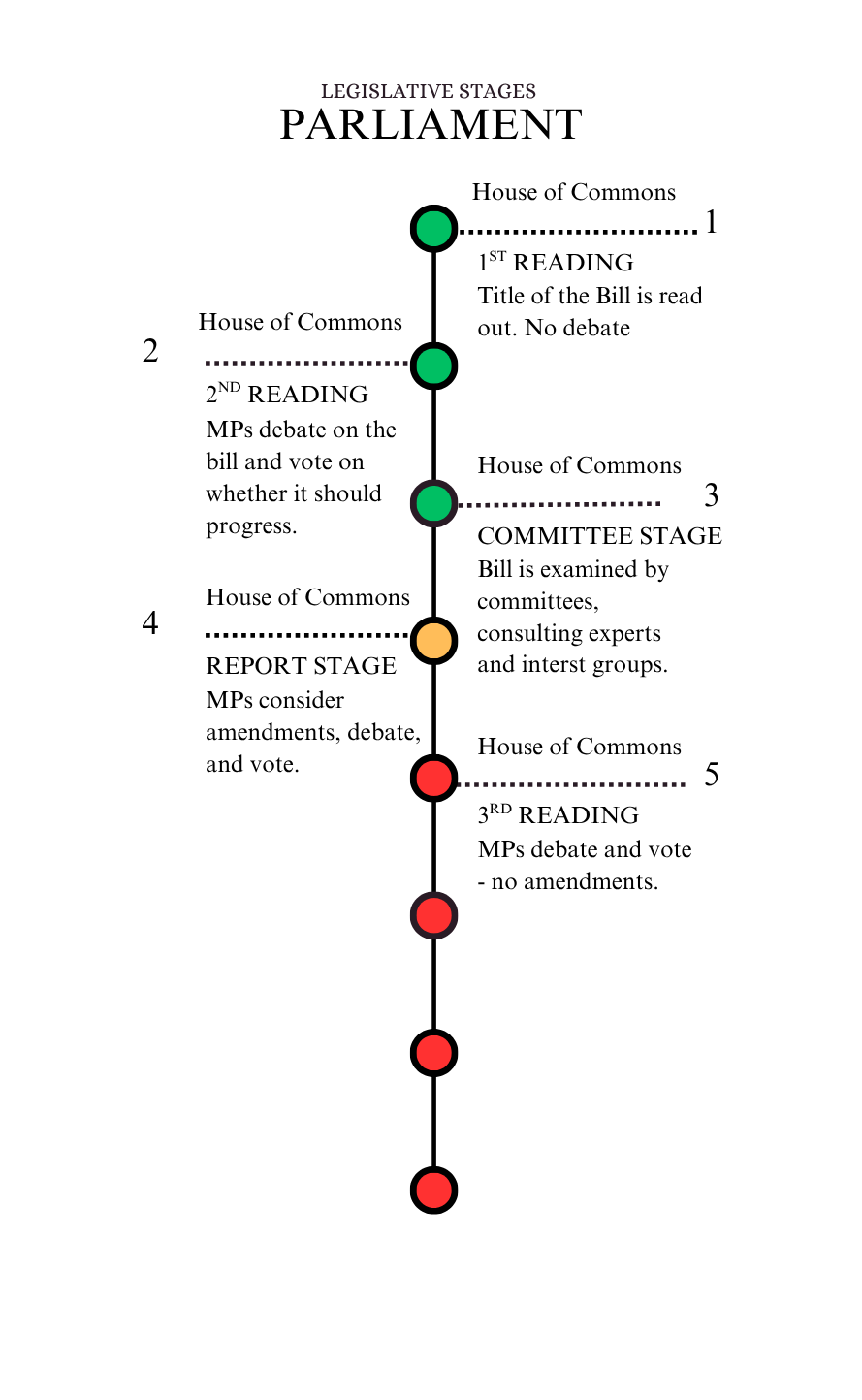
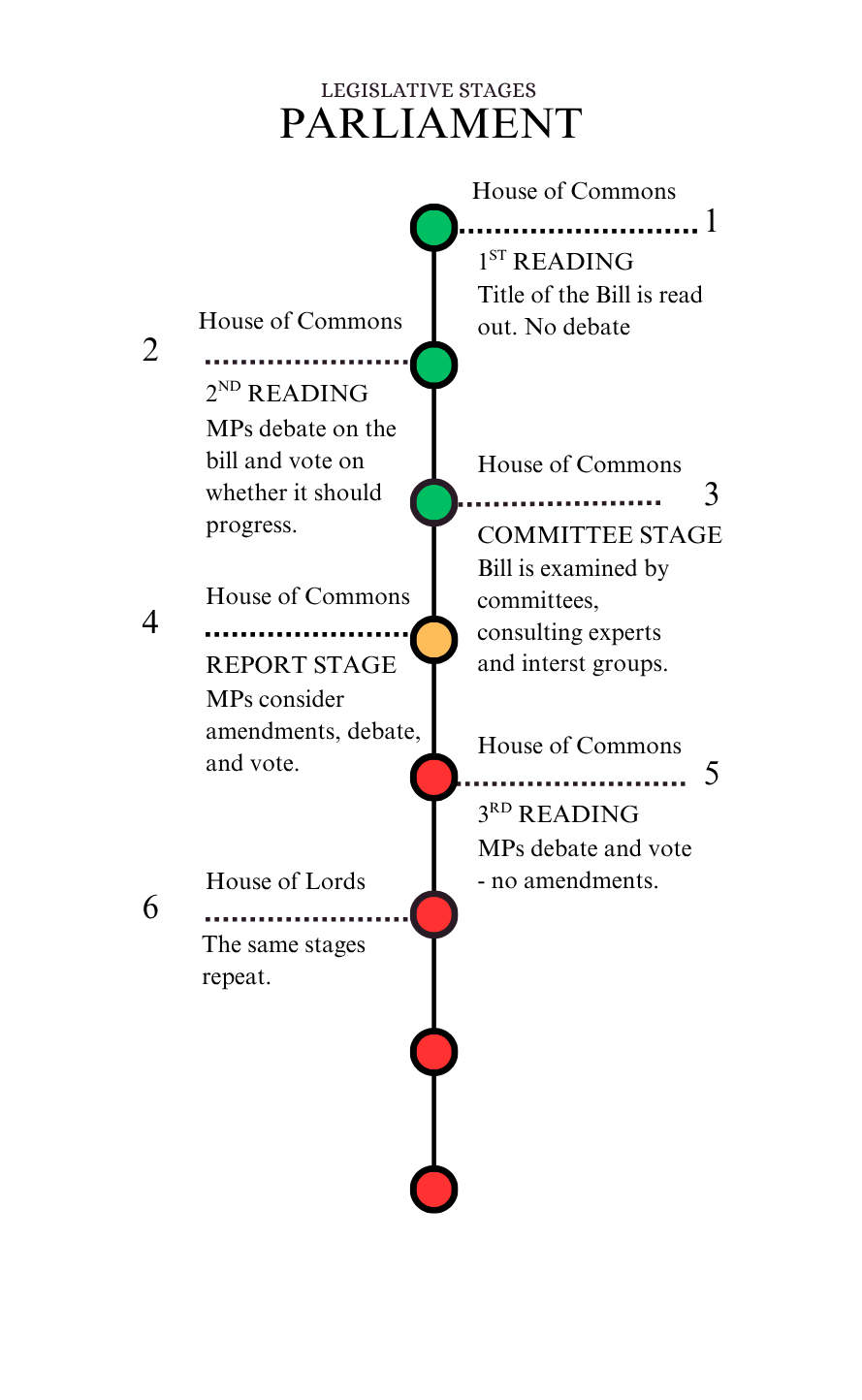
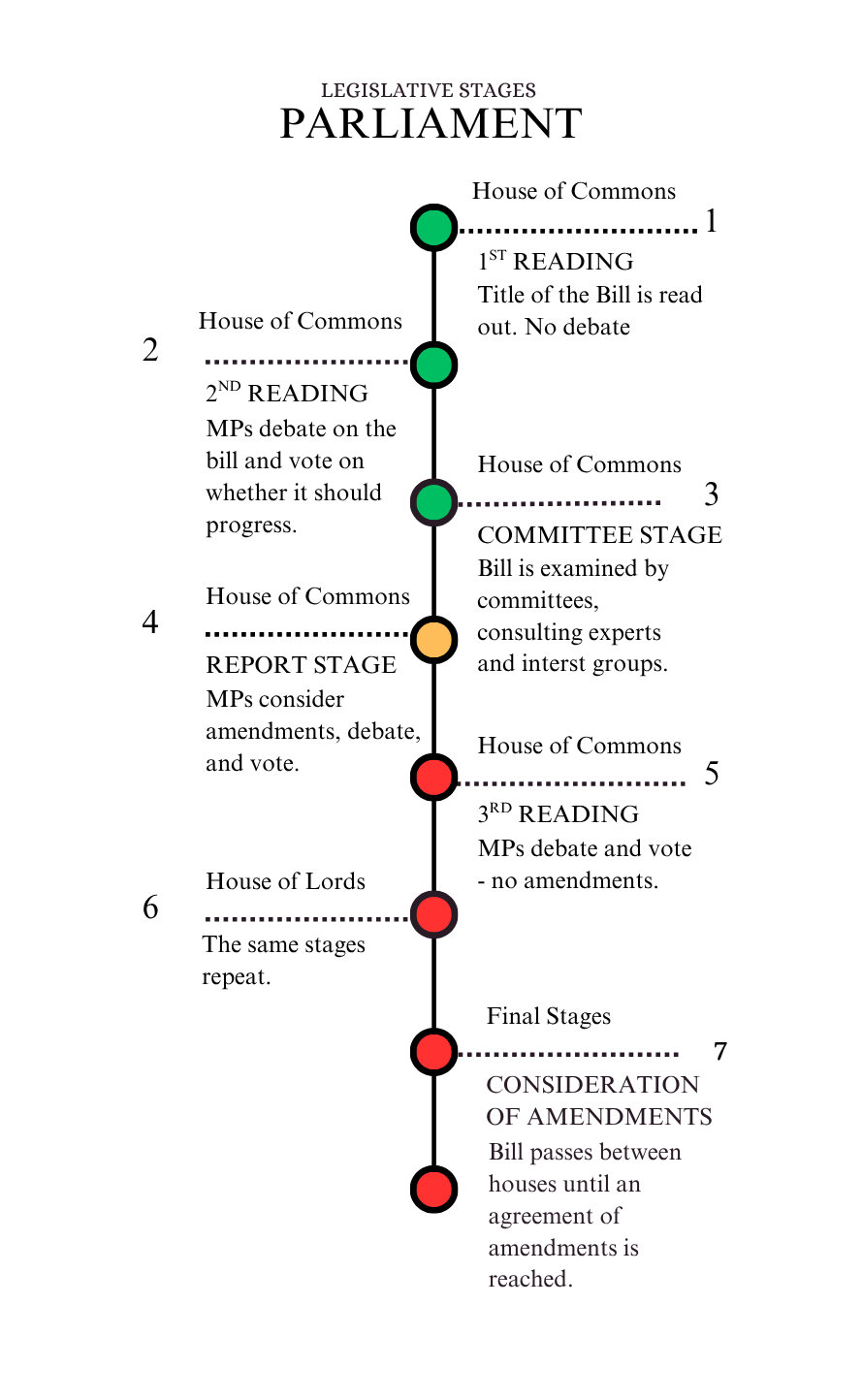
The Crime and Policing Bill is up for its third reading in Parliament this week.
This brings it one step closer to passing as law.
And face coverings, from surgical masks to scarfs to balaclavas, will be one step closer to being banned at protests.
Under current legislation, police officers who gain authorisation can order protesters to remove face coverings.
Refusal is punishable by imprisonment, a hefty fine, or both.
But now, in a revival of previous Conservative party proposals, anyone hiding their identity is automatically criminalised and subject to the same punishment.
Defences for religious or health reasons will only apply after arrests have already been made.
Many may be forced to prove their innocence - over and over again.
The Home Office claims these rules are essential to protect the public from “disruptive and dangerous tactics used during protests”.
Activists retort the Home Office is confused between democratic protests and riots.

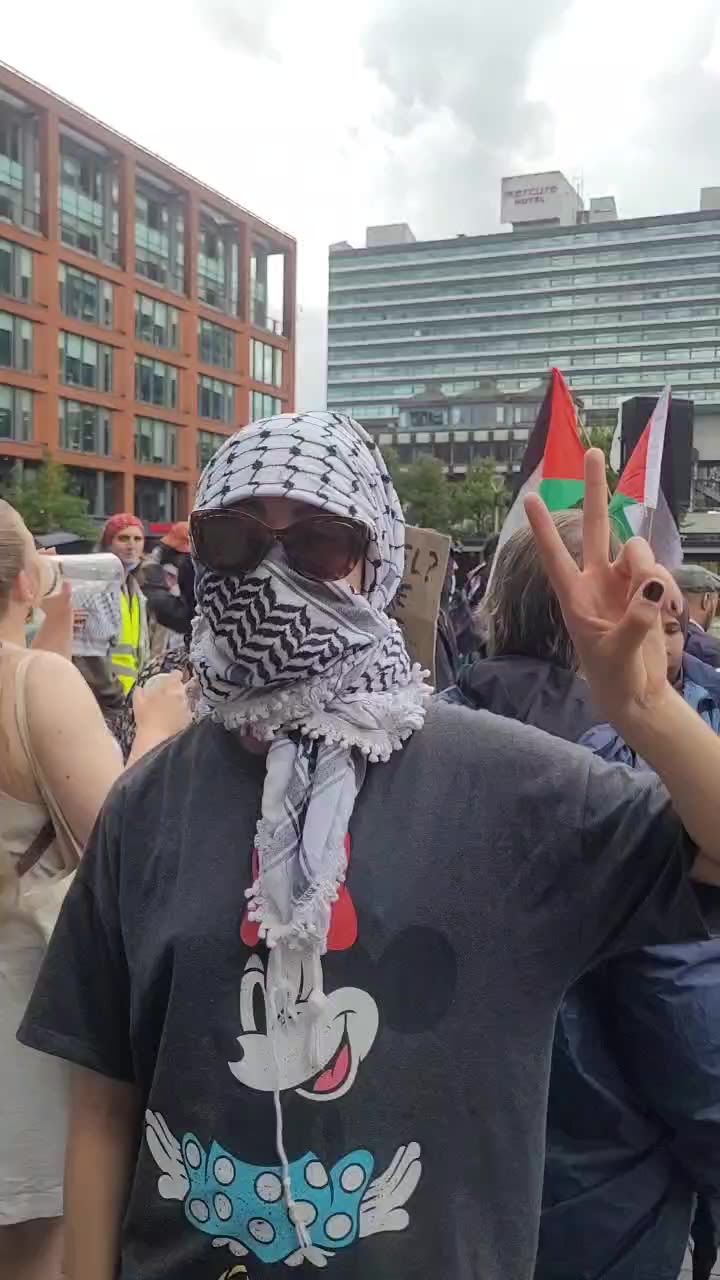
The balaclava-covered protester I talked to, for obvious reasons, wished to remain anonymous.
Many others I approached at last week’s Manchester for Palestine protest did too, or they refused interviews completely.
Armed with a microphone and camera, I was instantly perceived as a threat - despite my endless promises of confidentiality.
But why else might protesters be so elusive?
The Government has gradually tightened protest laws since 2022.
Demonstrations should not be ‘too noisy’. ‘Serious disruption’ has a broader definition. Penalties are tougher.
Activists cannot attach themselves to buildings, obstruct parliament, transport projects, national infrastructure…
The list goes on.
Take climate protests.
A new report published by Bond, the UK network for international development organisations, outlined how, in 2024, the Medical Tribunal suspended licences of doctors arrested at climate change protests.
This added to their existing prison sentences - punishing GPs beyond the law.
“Many people have been referred to regulatory bodies, such as doctors and social workers… just for speaking out,” said a 58-year-old doctor.
He wished to remain anonymous, which he said was “only natural” due to people being “persecuted” and “vilified” for their personal views on Palestine.
An investigation by human rights group Liberty revealed universities monitored pro-Palestine protesters through campus security.
They then handed this intelligence to the police.
More than 100 students and staff at British universities have faced disciplinary action due to this activism since 2023.
And peaceful Palestine demonstrations were labelled as “hate marches” by politicians and the media.
Clearly, people risk damaging their profession, education, and reputation when they challenge government policy.
But what about the risk to life?
“As someone who travels back to Iran, where protesting is illegal, it would put me at risk if they saw my face at protests here,” said one 23-year-old anonymous student.
Whilst serving as foreign secretary in 2023, David Cameron said Iran “continues to threaten people on UK soil”, with at least 15 plots to kill or kidnap people in Britain since 2022.
Iranian activists were stalked, doxxed, and subjected to character assassinations.
“I’ve had people express to me that they fear being seen on camera outside an embassy or at a particular demonstration because it's been known that the Iranian government will cross-reference, look at social media, and will look at whose family is connected to whom,” said frontman of social media platform Novo Org, Yisrael Arthur.
Yisrael was purposefully vague about his age and career, but he is most likely a 24-year-old trainee solicitor, or paralegal.
He produces political Instagram reels informing his 60k followers about issues ranging from Reform UK to the war in Sudan.
“Someone might feel scared to speak out, even if they're a British citizen, on the grounds that if they go to a protest… and their face is out, many of these countries now are using live facial recognition and artificial intelligence to target them and their families,” Yisrael explained.
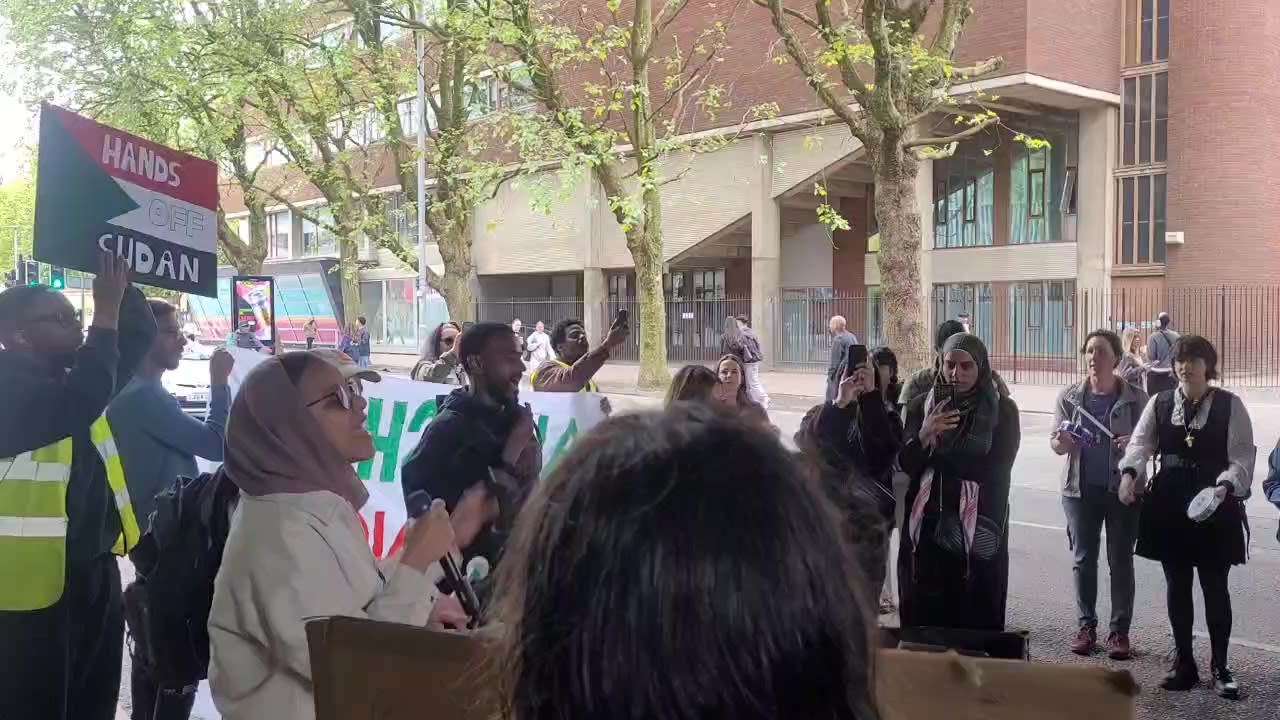
One man worried by this is Manchester 4 Sudan organiser Mohannad, who wished for his surname to be redacted. His group mostly focuses on holding the United Arab Emirates (UAE) to account for its alleged funding of militant groups in Sudan.
This, he said, puts him and other Sudanese activists in danger.
“I will not travel to the UAE because… I don't want to put myself at risk. And I feel as though if the activism were more successful… there will be a danger, honestly, to my life. I feel like I could be detained. I feel like I could be surveilled,” said the 27-year-old.
Mohannad asserted this risk amplifies for Sudan protesters due to the lack of media coverage. They’re easy to spot - simply because no one else is speaking up.
The face mask ban, then, may reduce their numbers even further, forcing home the few activists raising their voices for their war-torn country.
“People say they don't want to be captured [on camera], even though they know it's a public space. They avoid that by putting on a face covering. So if they're aware that this was coming into place, I have no doubt they will reconsider coming, or not come ultimately,” Mohannad said.

But rogue foreign actors aren’t the only perceived threat to protesters.
British police are using facial recognition technology to identify, monitor, surveil, and ultimately arrest people at an alarming rate.
Liberty uncovered how retrospective facial recognition, or analysing identities from recorded materials, is now used by every territorial police force in Britain - despite some forces denying its use.
The number of faces scanned doubled to almost five million from 2023 to 2024.
The Guardian also reported that millions of pictures of people released without charge or conviction were stored unlawfully.
New powers granting police forces access to Britain’s 50 million driving license photographs also form part of the upcoming Crime and Policing Bill, which civil liberties group Big Brother Watch called “disturbing”.
Civic Space at Bond Policy and Advocacy Manager Rowan Popplewell said: “Facial recognition technology has been growing over a number of years, but in the last year we’ve seen an increased use of this technology, including at peaceful gatherings.
“There’s an increased use of live and retrospective facial recognition technology being used by the police, which can create a chilling effect for those who do want to remain anonymous while protesting.
“Facial recognition technology is deeply flawed and has been found to disproportionately misidentify people of colour, which puts people of colour at a greater risk of being wrongly arrested.”
There is no specific legislation governing the use of facial recognition technology.

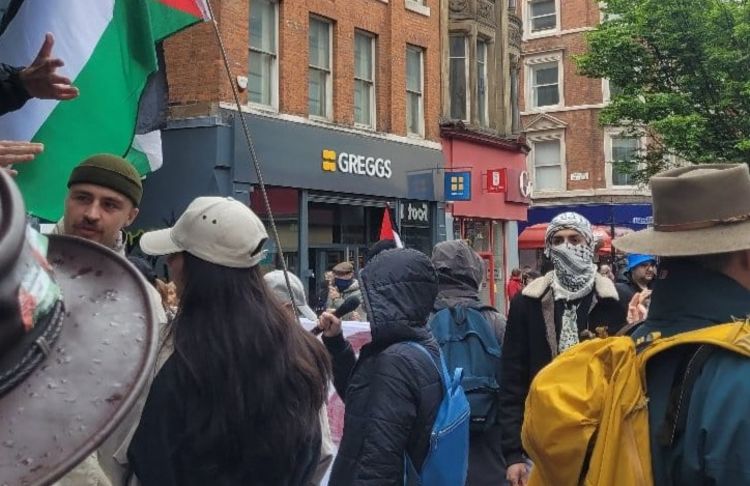
M is an anonymous protester from an ethnic minority background who was arrested and then released without charge twice for his pro-Palestine activism.
“I’m so used to being under surveillance. The police have previously targeted me, so they have information about my face, and they can identify me through facial recognition or cameras. I fear they could target me again if they wanted to, whether or not I have done anything illegal.”
But it’s not only the thought of the police scanning footage which worries M.
Live streamers unsettle him too.
“There are people at protests who record us, intimate us, insult us, and try and agitate us into saying or doing things,” said M.
“They often act violently and outside the bounds of the law to make others act outside the bounds of the law. Their viewers dox Palestine protesters on X, listing their names, photos, professions - any information they have. That’s why I don’t want my face on their streams.”
One of the largest streamers in the UK is Charles Veitch, with nearly 600k subscribers on YouTube. Videos of Veitch walking around whilst provoking and insulting the British public rack up millions of views.
His most recent one-hour stream, watched by 200,000 people, includes him filming pro-Palestine and pro-trans activists whilst calling them “fat”, “nasty”, “chubby”, “deluded”, “scum”, “obese”, “mentally ill”... To name a few.
The camera zooms up close into faces of protesters, including those with face coverings.
Clip from Charles Veitch's stream where he insults and films Palestine protesters (14.20-15.40mins)
Aaron Johnson, AKA The Looking Glass, is another streamer who filmed pro-Palestine protesters in Manchester.
Johnson was later convicted of broadcasting a livestream intending to stir up racial hatred during last year’s far-right riots.
Despite the streamers, the sustained crackdown on protests forces many activists further into the limelight - by choice.
Yisrael gets confronted by these YouTubers in person due to his work, alongside receiving death threats and slurs online.
Yet he would not make his content anonymous or unidentifiable, as content using his face and personality is “the most effective strategy” to be heard.
Mohannad echoes this. “It puts me in more danger,” he confided. But fewer people at the protests he organises means he must put his face out there for better engagement.
“It’s so gross,” the organiser said. “The fact that people have been forced to show themselves, and because of that, I can't guarantee their face won't be plastered everywhere. And because of that, I can't say, ‘I will ensure your safety’.
“And because of that, they don't support it.”
The Home Office did not comment at the time of publication.

There is still hope for critics of the Bill, however. It has only reached the report stage, and it will be a while before it receives royal assent.
Many MPs, like Labour’s Kim Johnson, are calling for amendments to roll back the proposed ban on face coverings, alongside previous protest restrictions.
“From striking workers to the national Palestine demos and farmers’ protests, huge demonstrations and protests are becoming more commonplace across the political spectrum, as people across the country and beyond feel that they are losing their voices in their workplaces and the political sphere,” said Johnson in Parliament.
“Instead of continuing down that dangerous road, we should be taking the opportunity that the Bill presents to roll back some of those powers, defend our civil liberties, and restore our proud traditions of freedom of speech, expression, and assembly.”
Media: Sumaiya Motara
 Built with Shorthand