
Drive to help others survive
How one act of kindness led to the creation of a charity which changed the lives of thousands.

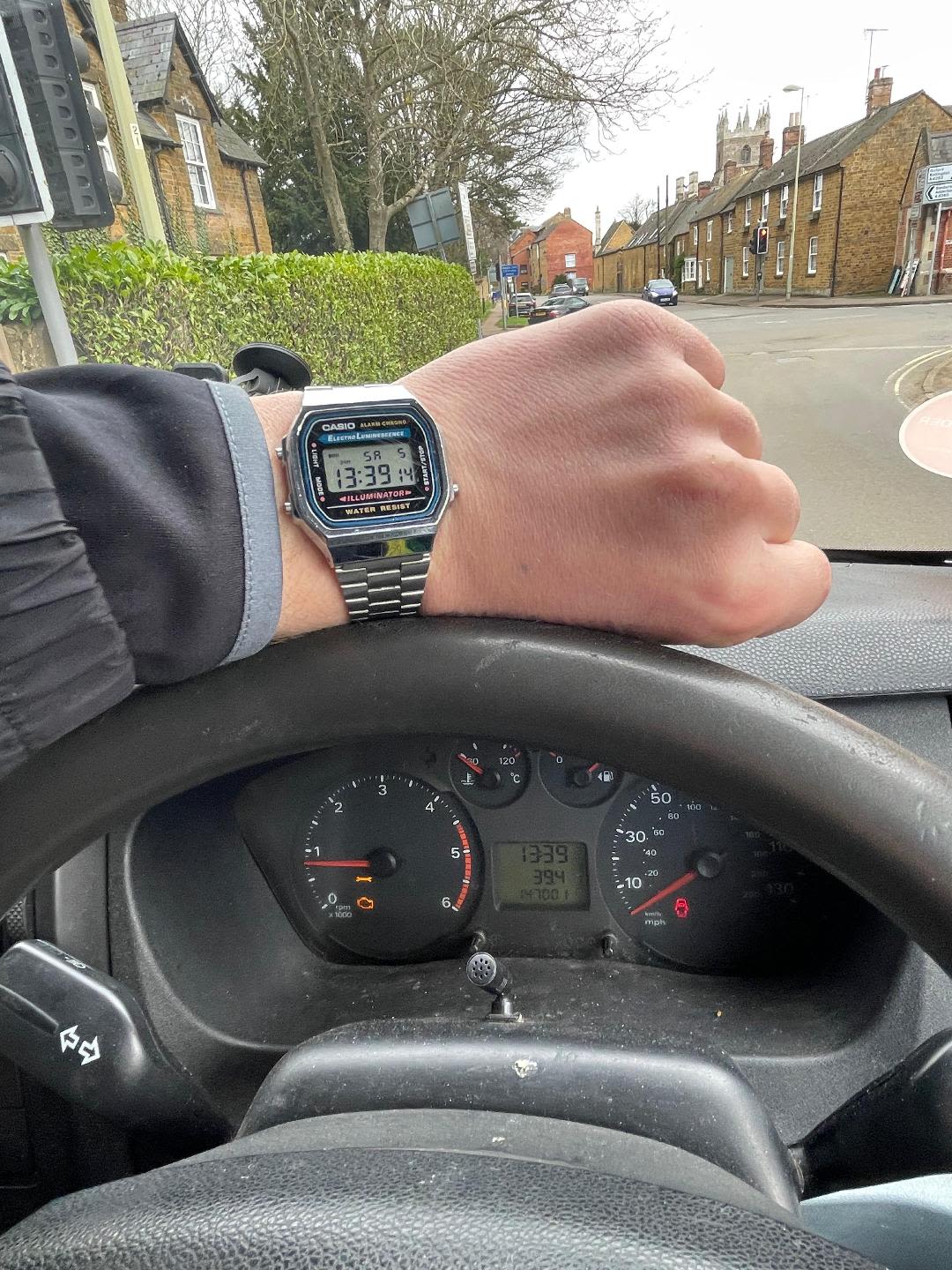
Fynn Watt glanced down at the dashboard of the transit van he’d borrowed from his dad and snapped a photo on his phone.
He couldn’t quite explain it, but something about this spontaneous trip to go and help a donation centre in Milton Keynes felt significant.
For some reason, he “felt like he was really going to do something”.
Three years on, that “something” has evolved into a movement - and has impacted thousands of lives.
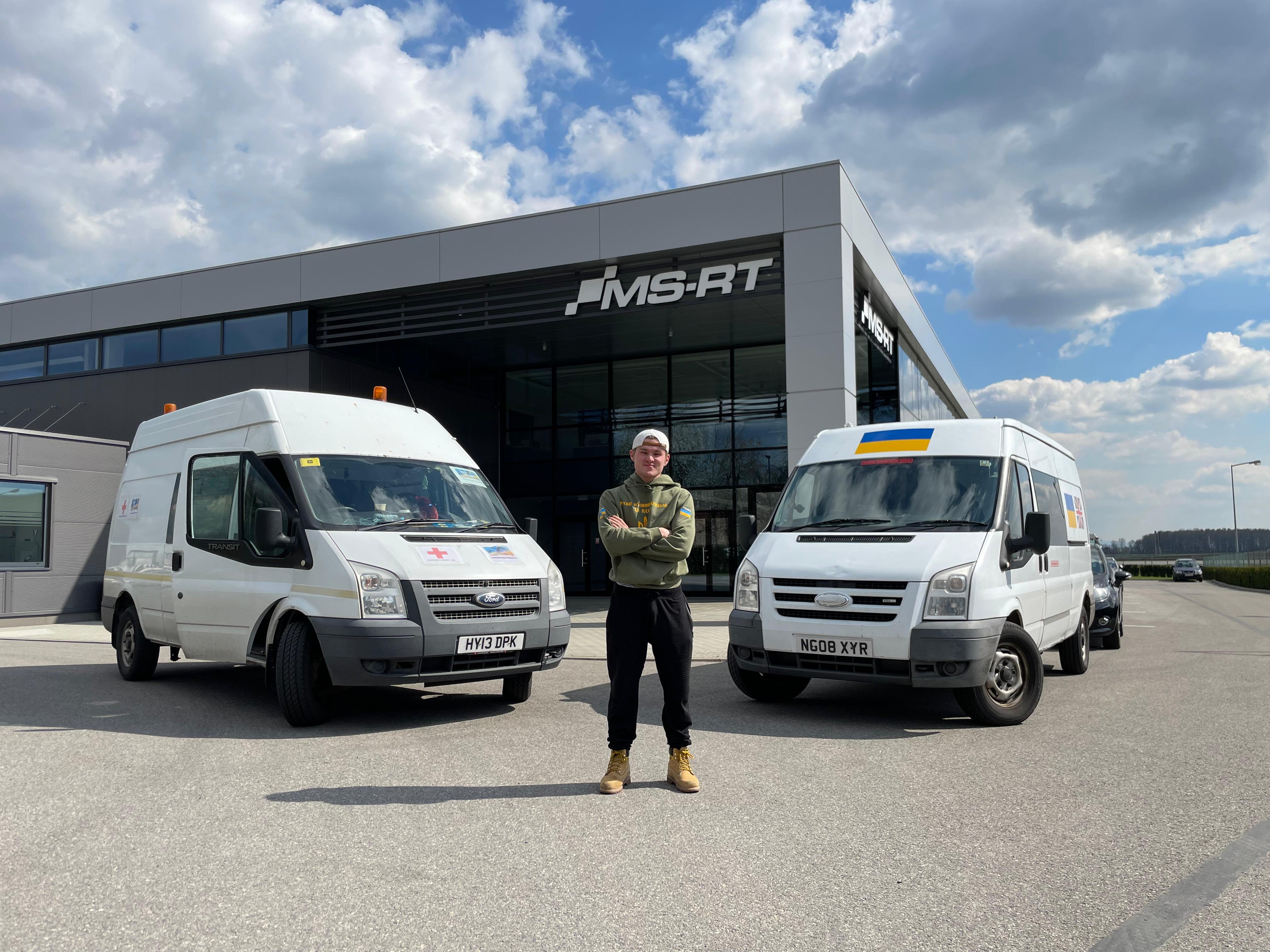
Since that first act of generosity, Fynn's charity, Driving Ukraine, has delivered 200 vehicles, worth over £1.3m, direct to Ukrainian support groups.
But becoming the manager of an international charity was never part of the plan for the now 24-year-old.
Before Russia's attack, his life was typical of many young adults, relaxed, routine, and far removed from global conflict.
But then the war arrived, and for some reason he felt compelled to act.
In Fynn's hometown of Deddington, a quaint village in Oxfordshire, locals turned off their lights in a symbolic protest against Russia and its energy supplies in the days after the invasion.
It was this attempt at a protest that planted the first seed of motivation in him.
“It was all very picturesque. It was me, my dad, my mum, my brother and sister sitting around the dining table at the family home in the dark with candles,” he said.
“But Dad turned to the whole family, and said, ‘There's been a war that's broken out in Europe - and we're sitting around a table with the lights off, doing jack shit.’
“He told us if any of you guys want to be involved in helping Ukraine in any way you've got my full support.”
So, inspired by his father’s words, Fynn reached out to a donation centre in Milton Keynes to see if he could help, and set off the next day.
It was then when he took the photo - at 1:39pm on Monday the fifth of March, when the van had just rolled over its 147,001st mile.
"I took a picture of the van, my watch and the dash because I felt like I was really gonna do something.
"I really felt like I could help."

Upon arrival, he was handed a pile of broken toys, torn cardboard boxes and outdated medicine that needed driving to the nearest tip.
“For the weekend, I became the donation point binman,” he smiled.
And he loved it, he was back the next day and the day after that.
By the end of the week, he was all in.
He said: “Russia was rolling through Ukraine and it was just horrible chaos. I was seeing these people's lives being ripped apart.
“So it was like a really, really scary time and I was thinking, ‘I can do more, I can do more here to help.’”
At the time, it was a week before Fynn’s 21st birthday, with a skiing trip booked to celebrate. But he knew priorities had changed.
He still spent his birthday in Europe - but rather than carve powder in the Alps, he was driving to the Ukrainian border to deliver crucial supplies and transport refugees.
The decision was easy.
“I felt like there was something that I could do very, very quickly,” he said.
“One of the biggest parts was that if there is something you feel like you can do in life, but you don't do it - that haunts you forever.”
Convincing his parents was a different story.
“Telling my mum about it. Her face just dropped to start with. She was like, no chance, never,” he said.
“But she saw how passionate I was, to be honest. There wasn’t really anything that was going to dissuade me.”
With his mum on board, he then turned to his dad, Gus.
Despite his stirring candlelit speech a week earlier, Gus admitted he still had reservations about letting his son travel across a continent into the shadow of a war.
But he kept promise. He told Fynn that he had his full backing, and access to any resources that the family could get their hands on.
Gus said: “His mum and I were obviously quite nervous. But secretly, quite excited for him at the same time.”
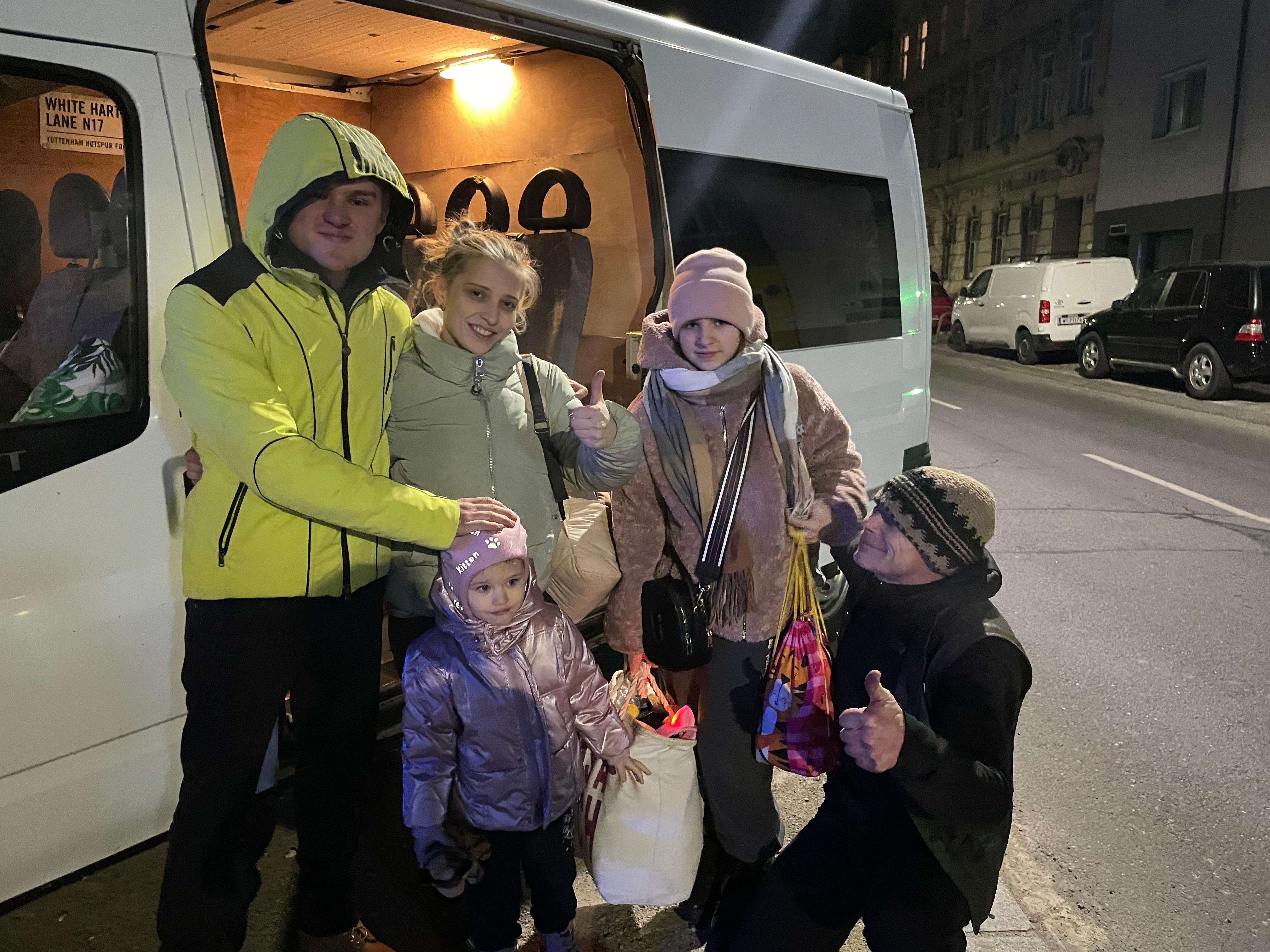
As a garage owner, Gus was able to help convert the old Transit into something more roadworthy for transporting passengers, adding a couple of rows of seats, an IPad connected to the internet, a four-metre map of Europe on the wall and, most importantly, a big window.
“We wanted to make sure people knew where they were going - some people had been getting picked up and put in the back of vans with no windows with no idea of where they were being taken,” said Gus.
Fynn’s maiden voyage saw him leave Oxfordshire and head to the Poland-Ukraine border.

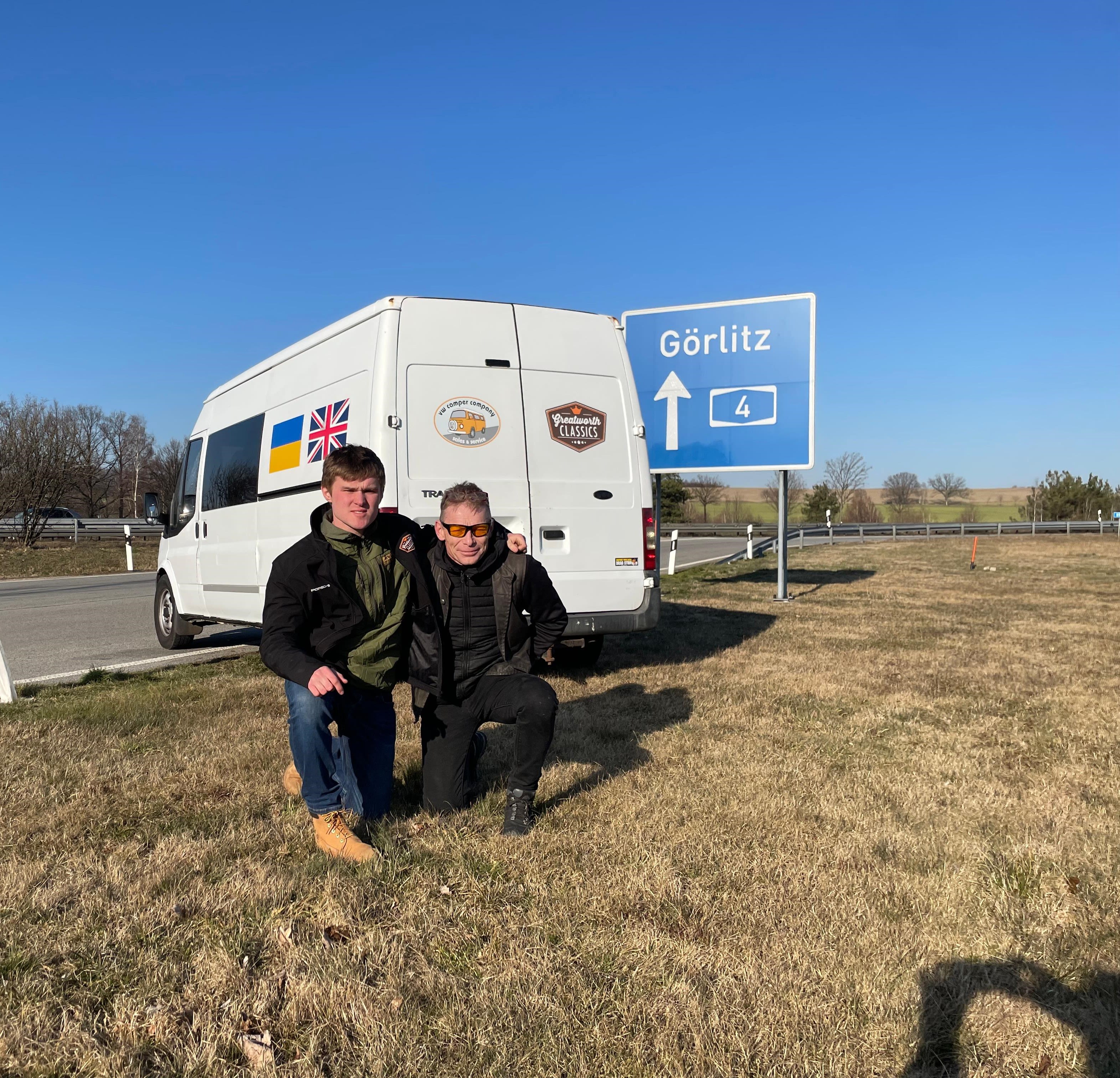

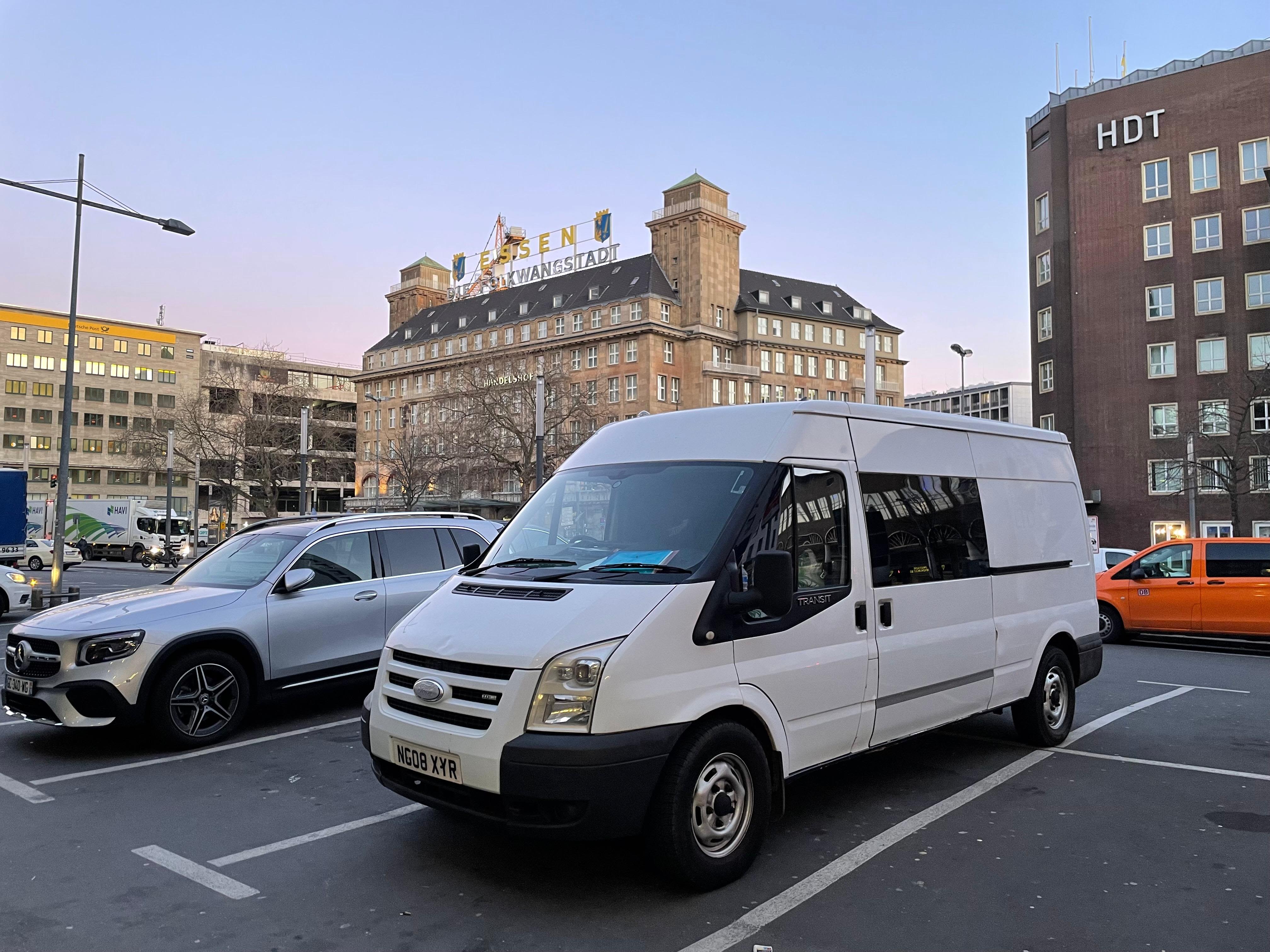
After a 24 hour journey, they arrived to find chaos.
“There were thousands and thousands of people piled into an old supermarket,” he said.
“There were people in different rooms sleeping on pallets. People who had been told to leave their homes with like 20 minutes' notice and travel 2,000 kilometres across the country with just a coat and their passport, many with young children and with grandparents.
“All of these people's lives had just been completely lifted up and just changed forever.”
After a week driving hundreds of miles around Eastern Europe, delivering supplies and rehoming refugees, Fynn left the van in Lviv and flew home to return to his degree apprenticeship in Bath.
But the cause had taken hold.
He was, he admits, “absolutely consumed”.



How hard is it to return to a charming Cotswold village after experiencing the fall out of war first hand?
He says he’s “learnt to manage it”.
“Otherwise you go crazy, I've got an appreciation now for being able to help people, but you can't go home and start screaming that there's a war going on.
“There's atrocities happening all over the planet, you know. People live the lives that they choose to live. All that we can do is encourage them and help them to do something that they might feel that they want to do.”

The journey from Deddington to Lviv.
Over the coming months, Fynn and a growing network of volunteers continued the work, travelling from Oxfordshire to the border, where the van awaited, ready to ferry refugees and supplies.
However, before long the big charities had stepped in, taking away the need for the original service Driving Ukraine had been providing.
This intervention meant that after hours and hours of driving across Europe, Fynn was arriving at a seminal crossroads. Call it a day, or carry on? For him the decision was easy.
By then, Driving Ukraine had raised tens of thousands of pounds - enough to start buying used vehicles and delivering them to the front lines.
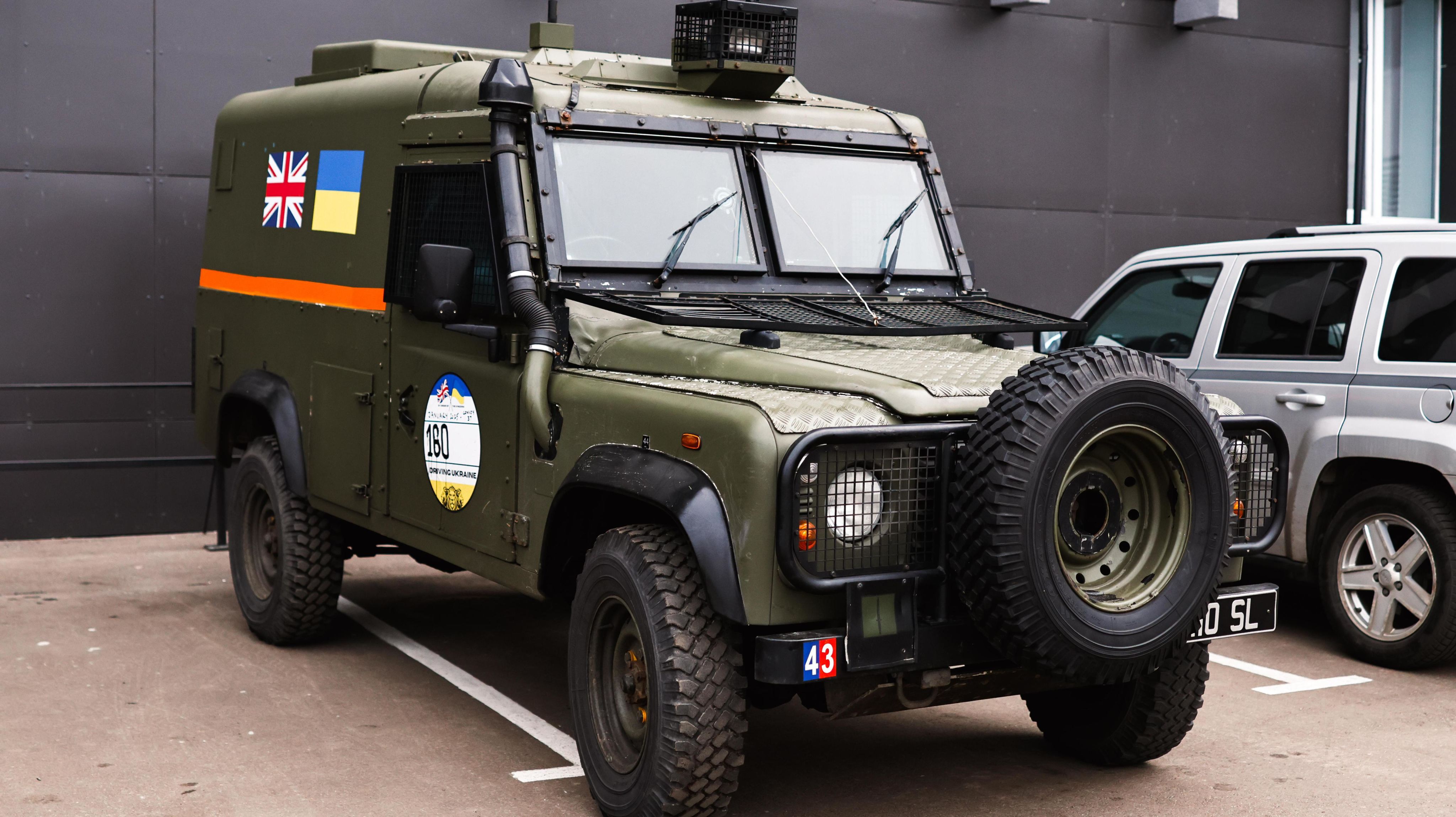
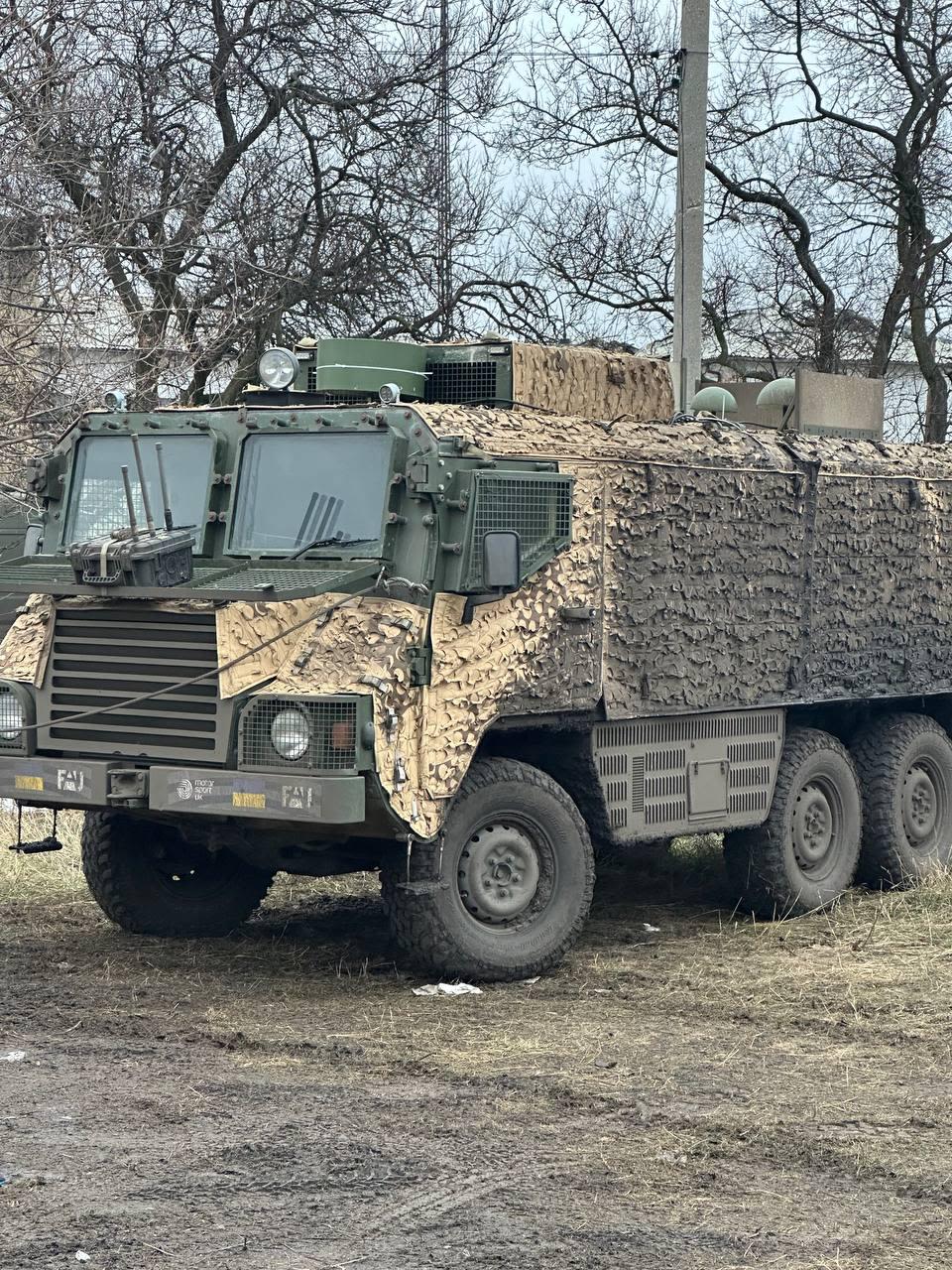
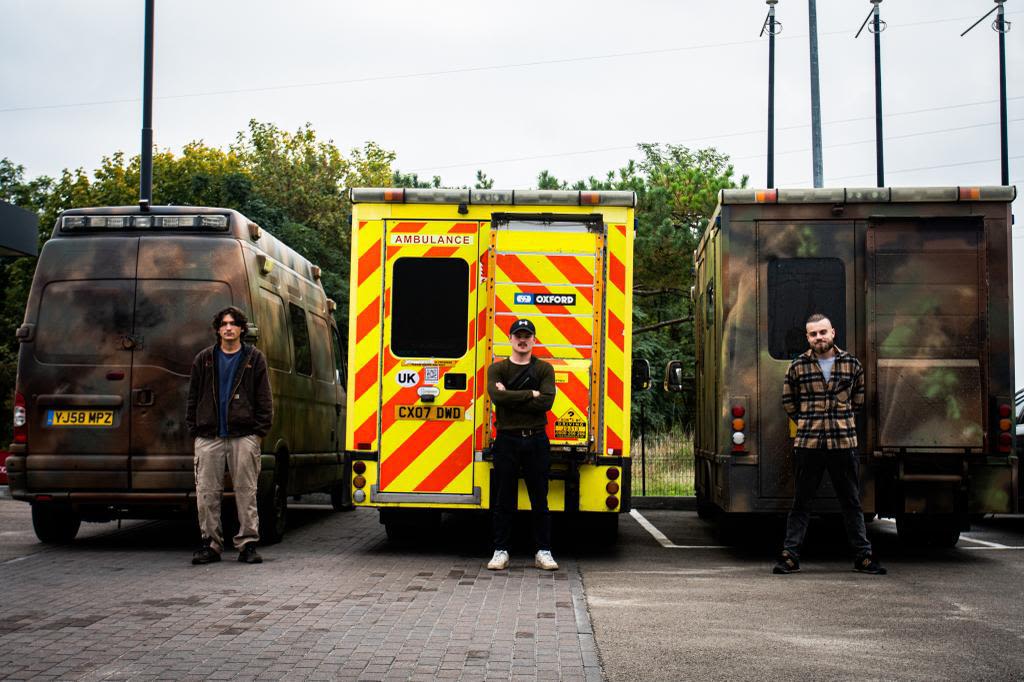
They ranged from battered ambulances to dusty pickup trucks to worn-out work vans - sourced from family friends, Facebook Marketplace and vehicle auctions.
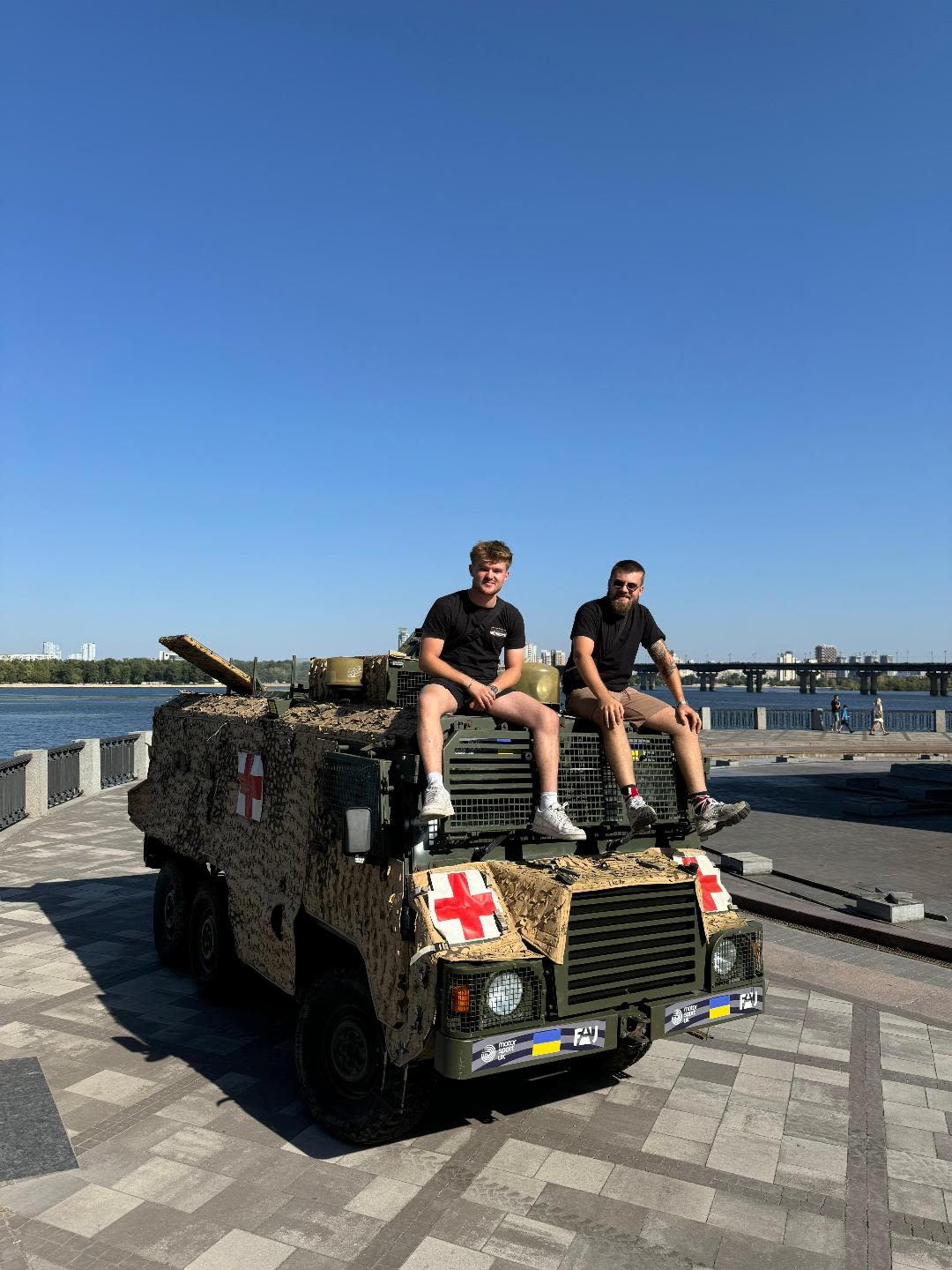
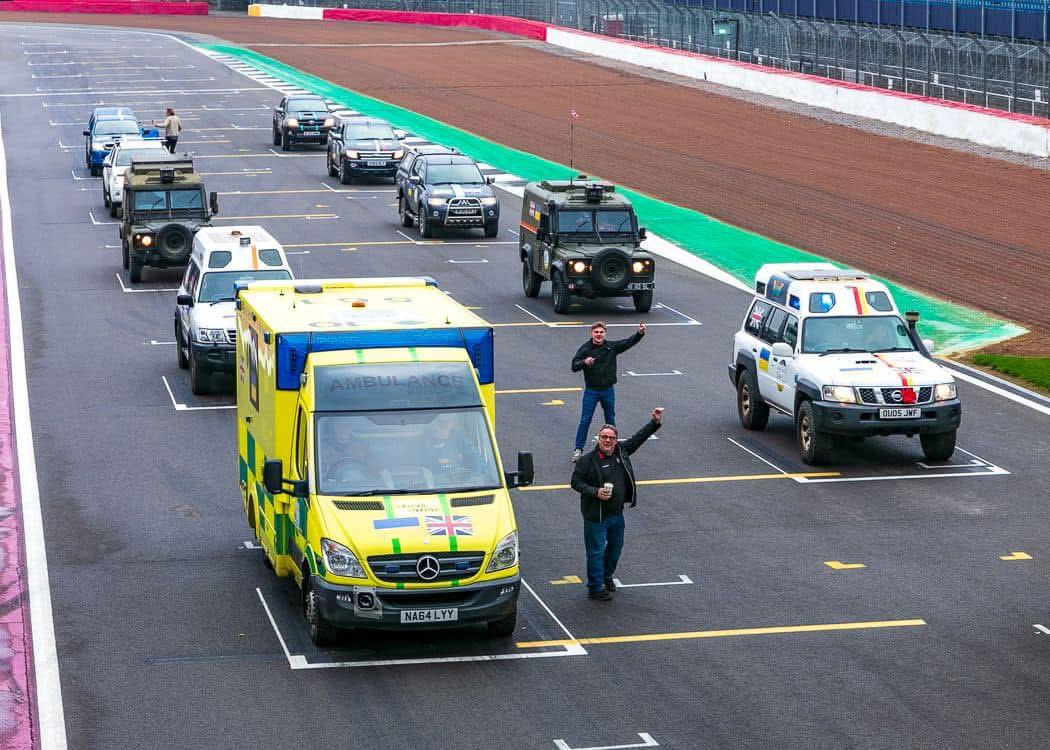
To date, 203 vehicles have been driven via convoy to Ukraine, playing a vital role in the transport of supplies and evacuation of soldiers and civilians.
“When you're talking about evacuations, the difference between having a vehicle and not having a vehicle could be life and death, and often is life and death,” Fynn says.
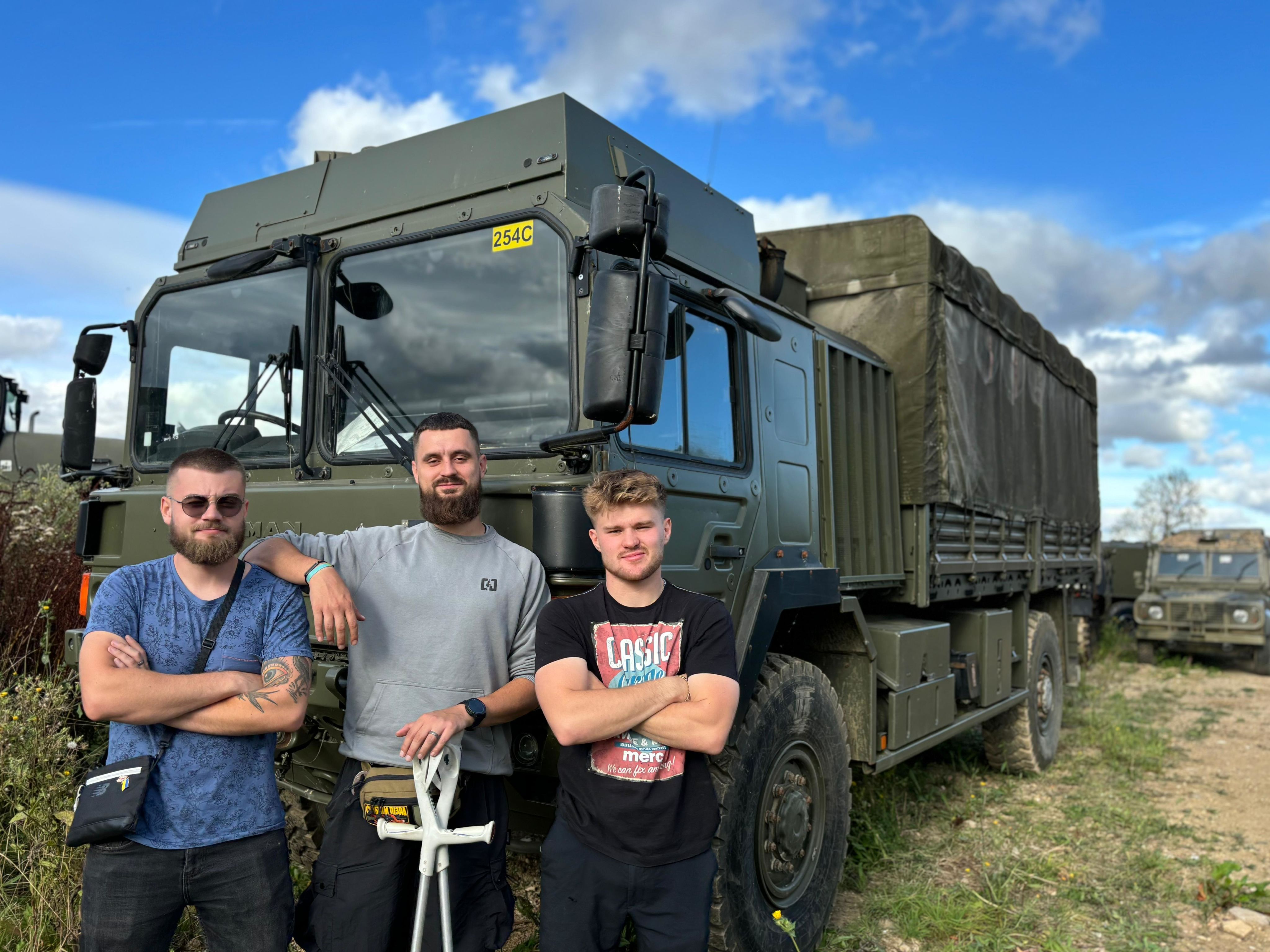
A total of 1,700 volunteers have been involved, ranging from siblings and parents, to cricket coaches and CEOs.
The youngest was 15, and the oldest? 82.
He said: “It’s not like you’re grabbing one community together. It’s all different people. It’s all different people from all different walks of background and it’s completely nuts.
“Some people are really militant and really care, some people naturally drive fast, some people that naturally drive slow, some people that won't talk, some people that can't really see.”
These journeys were often chaotic affairs, but Fynn says there is something therapeutic about spending long hours on the road.
“It puts you in a van, in a little box together for days on end and allows you to properly debrief, converse and decompress.
“I always say the ability to connect people like that - it’s incredible.”
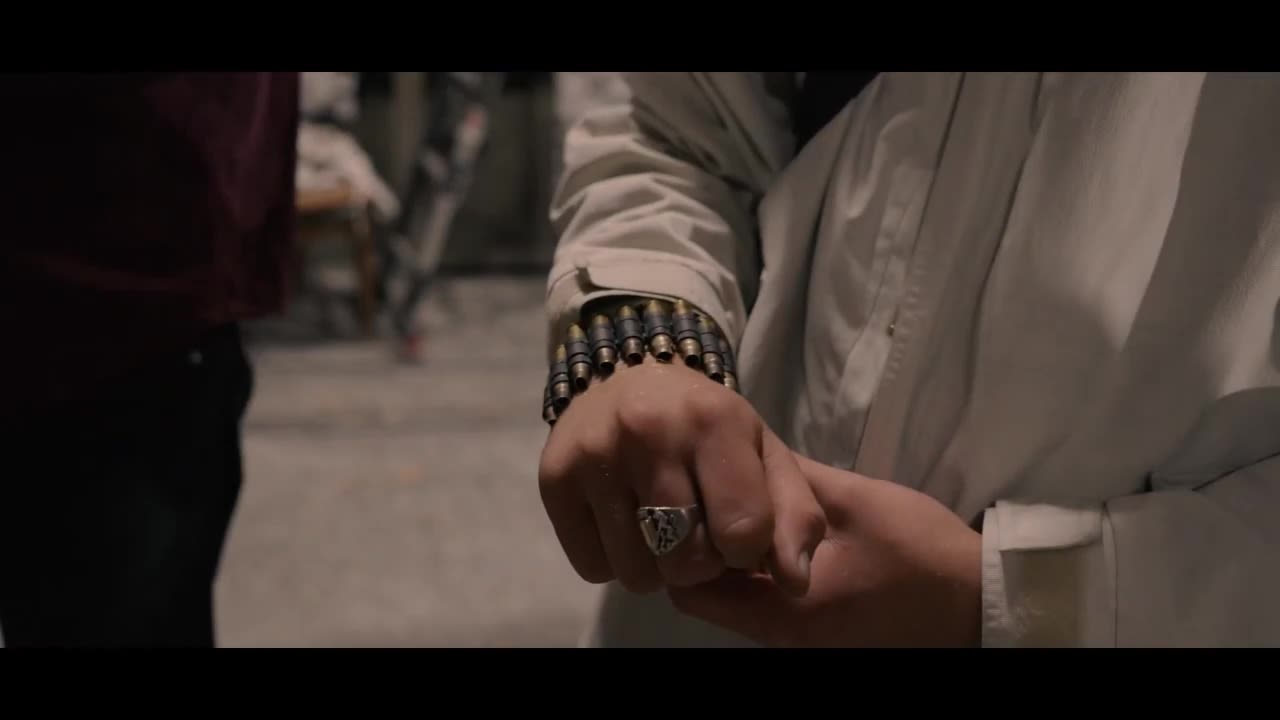

Whilst forging bonds with those who come along for the ride, Fynn really glows when talking about the bond he has built with Ukraine and its people.
“Ukraine is a beautiful country, beautiful people, brilliant people, amazing food.
“I got along with the Ukrainians very well.
They’ve got a very family-oriented, family-focused kind of general network, they're very, very hospitable people.”

Maksym Sosliuk first met Fynn in May 2022 when working with the Ukrainian Armed Forces.
The pair have since worked together extensively to distribute vehicles, with Maksym now calling Fynn his “closest friend and best friend.”
The admiration he has for the charity is evident.
“Lots of guys came back from a war alive because of the job that Fynn did.
“Because of Driving Ukraine, a lot of Ukrainian mothers saw their sons not in a graveyard, but at home.”

Last year, Fynn was bestowed with the Ukraine medal of honour, the highest award given to volunteers.
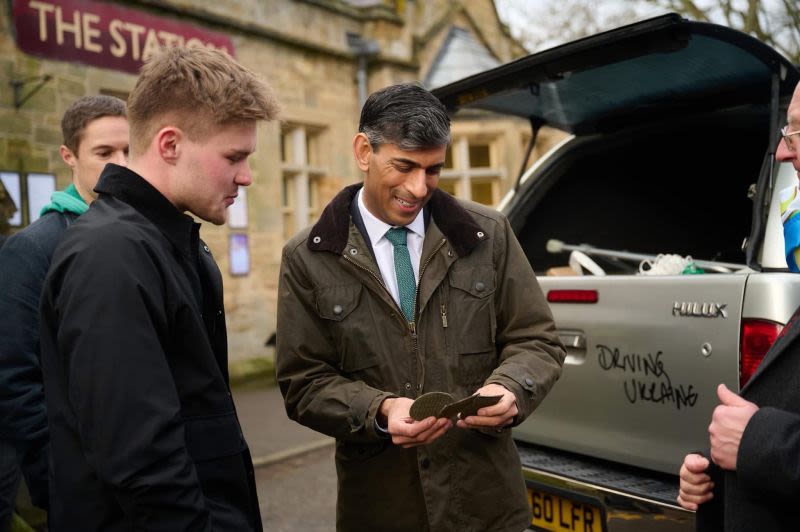
Back home, he's met the prime minister, seen convoys depart from Silverstone, and received a King's invitation to Windsor Castle.
He said: “To get recognition from the country you’ve been working to help - and from your home country, for the ways in which you’ve gone about it - both of them carry a lot of weight for me.”
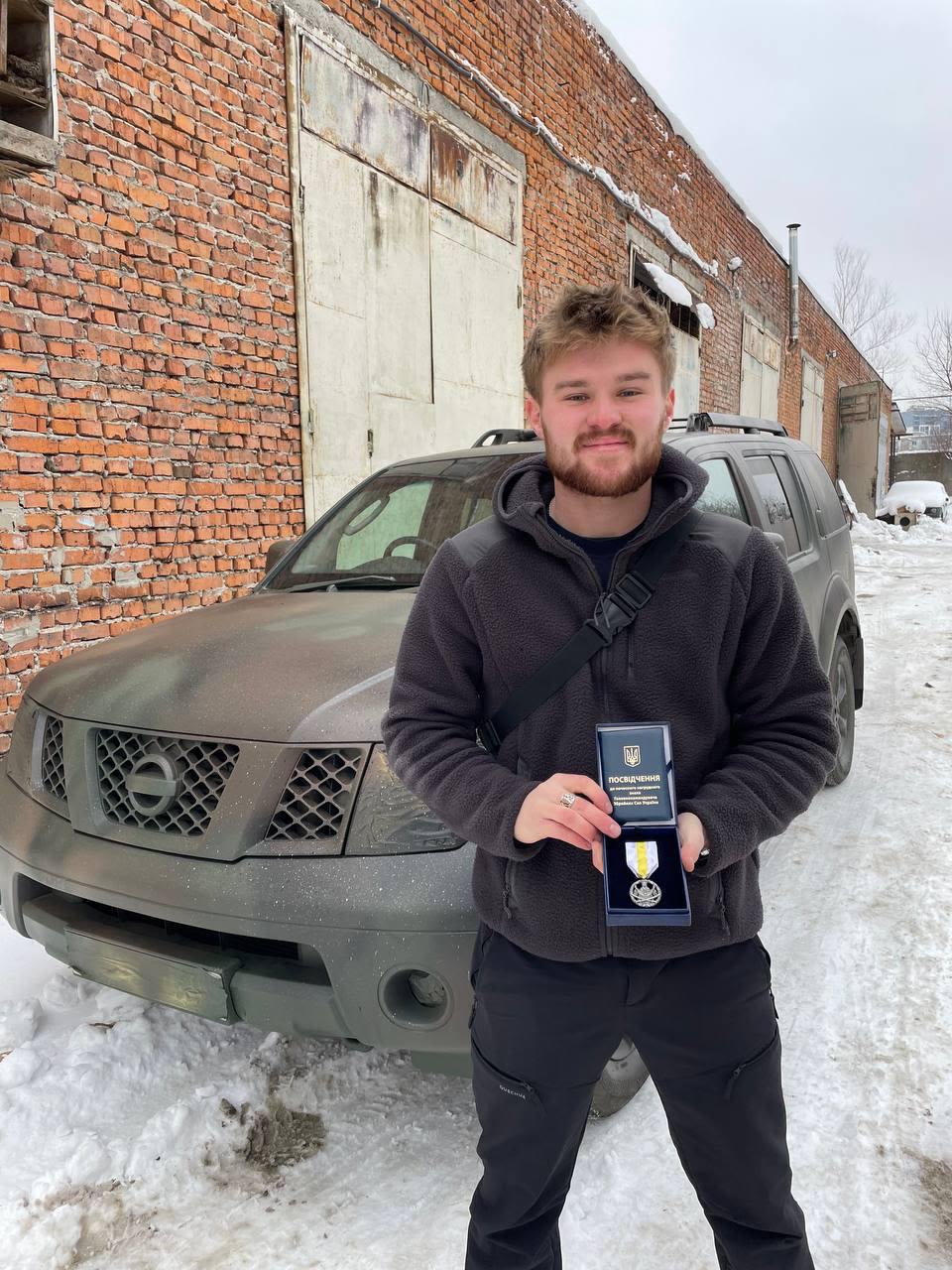

Top left: Ukraine Medal of Honour.
Top right: Silverstone.
Bottom left: Fynn and Rishi Sunak, prime minister at the time.
Today, Fynn has stepped back from daily operations to focus on his next challenge - a career in property.
When asked if his achievements have boosted his confidence in tackling life’s more mundane challenges, he said: “It’s nice to have proof that I’ve done something significant. But big moments take time to settle.”
He admits that, at times, it feels like he's playing catch-up with the peers who were graduating, starting careers, and moving in with girlfriends while he was driving head first into a warzone.
His dad’s old van - already battered when he left for Milton Keynes - has racked up another 43,000 miles since then, each one with a story to tell.
But whether he sees it yet or not, Fynn’s achievements stretch far beyond a grad job or a mortgage - by the distance from here to Ukraine, and then some.
 Built with Shorthand