Called away: why a new generation is rewriting the meaning of work


At 26, Mark Ellis* is on the textbook path to success: corporate law, a strong salary and a mapped-out future. By August, he’ll be a vicar.
His career move isn’t a dramatic renunciation, but a steady internal pull shaped by music, community, and space he’d carved out for reflection. “You’ve never arrived,” he tells me. “When it comes to faith and vocation, it's something that's always evolving.” He doesn’t resent the law, but describes a slowly unravelling disillusionment.
“You feel like a cog in a system. People value you only as a means to an end.” Ellis craved a life defined not by output, but by compassion. Ministry offered that; walking alongside people through grief, joy, and everything in between.
The chapel - and specifically the choir in which he sang - created room for these feelings to pan out, shifting his understanding of what a good life might look like. His decision, he says, is a way of giving back what others gave to him. It was no easy choice. He “came out” to his atheist parents over wine on Easter Sunday. Their reaction was one of disbelief; put simply, they asked, “You’re fucking joking, right?!”
He isn’t romantic about it. The financial hit is steep and the path ahead is uncertain, especially at a time when religion faces deep scepticism. Still, he remains committed. Ellis’s story is not one of escape but a response to a deeper cultural void: materialism, disconnection, and disenfranchisement.
“I suppose I have a longing for something,” he told me. “A sense of purpose beyond oneself, and something deeper than the certainties I once thought I was surrounded by.”
The new measures of
a life well lived


Ellis’s story echoes a broader generational shift. Many young workers are opting out of the corporate climb in favour of more edifying lives.
For many Gen Z workers (those born roughly between 1997 and 2012), jobs vanish as quickly as they appear. Benefits get cut, exploitation runs rampant, and career paths that once felt solid now crumble under the march of automation and the all-consuming platform economy.
Raised on economic uncertainty and climate worries, with traditional career paths disintegrating, they’re asking different questions.
What is success?
What’s the cost of chasing it?
And what do we give up in return?
The pandemic amplified this doubt. Homes became makeshift offices, and systems meant to provide structure began to feel more like constant surveillance. One study found that 87 percent of those under 25 began rethinking their path around this time.
Today, over 70 percent of Gen Z say they hope to leave their current trajectory, and one in five already have. By age 30, 60 percent plan to be their own boss; not for status, but for autonomy.
They leave, citing factors such as better work/life balance, flexible hours, and changed interest.
For a generation weaned on instability, status matters less. What matters is control. Titles and promotions still carry weight - just not as much as the space to decide what work is and what it isn’t.
Still, this freedom often rests on hidden scaffolding: savings, supportive families, or even just time.
Change, particularly in a society so tightly bound to time and money, is a privilege.

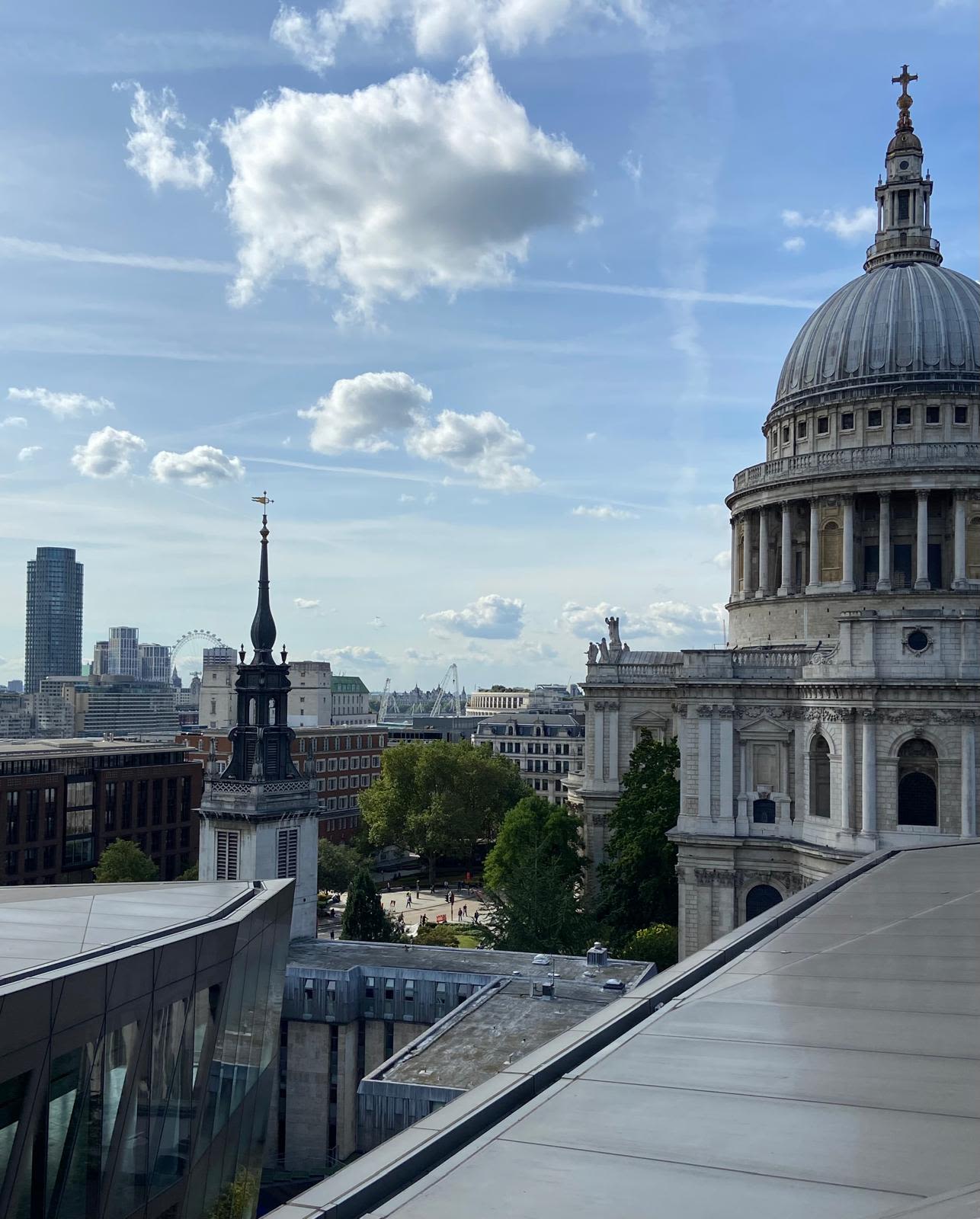
I spoke with several individuals standing at a turning point in their working lives.

Each one, unmoored, seeks something new.

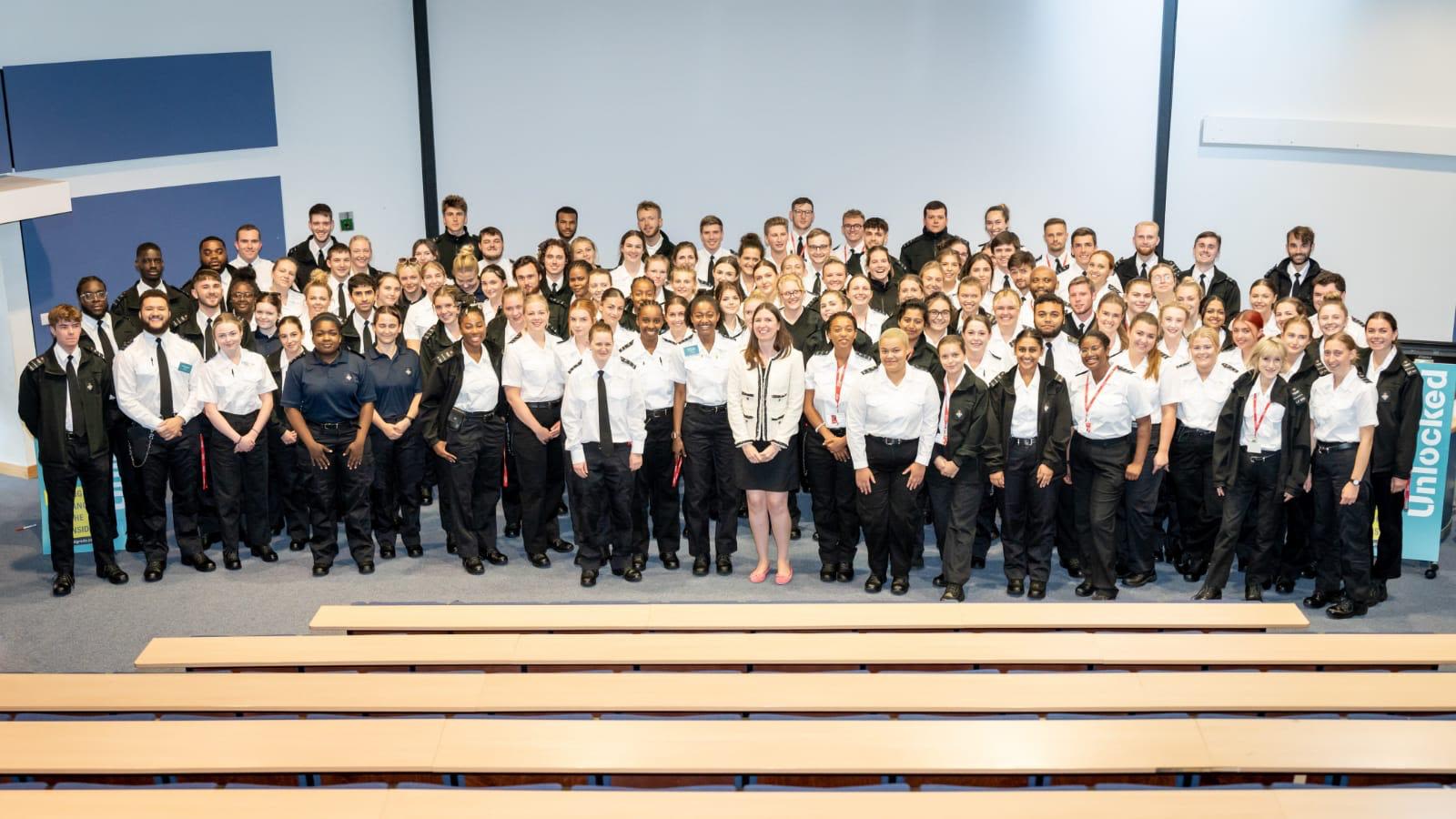
Sophie Dibben emerged from a two-year graduate scheme placing participants inside prisons, with her spirit both galvanised and exhausted. Her role as a prison officer left her burned out, and she re-entered the London job market adrift.
“I was in absolute career crisis mode,” she says. With its steep living standards and grinding competitiveness, London had warped her sense of possibility. Brighton’s calmer pace beckoned, yet rejection emails still landed like small bruises.
Now, Dibben is tentatively exploring a pivot into a variety of careers, from social work to teaching. But the transition is proving difficult. She is caught between the emotional toll of her past role and the impersonal language of “transferable skills” and hiring criteria. The idea of “doing what one loves” is eroded by institutional barriers, uncertainty, and by the disillusionment shadowing the post-university job market.
Dibben’s pause reflects a joust between potential and permission.
Lorne Robb, similarly, started out in a tiny craft distillery, drawn in by the artisanal process. But the sales grind wore him down. “No matter how good or ethical the product was, at the end of the day, I was still just selling something, and the people I was selling to didn’t care about it.” Brexit’s travel bans only tightened his sense of limitation.
His reprieve came from the teaching aspect of his sales job. That wake-up call sent him back home to Edinburgh to save money, and this September, he’ll begin a master’s in history at the University of Glasgow, aiming to become a history teacher.
For Robb, the shift wasn’t just academic. It marked a reordering of priorities: a move toward autonomy and the hope of eventually living and working beyond the UK’s political constraints.

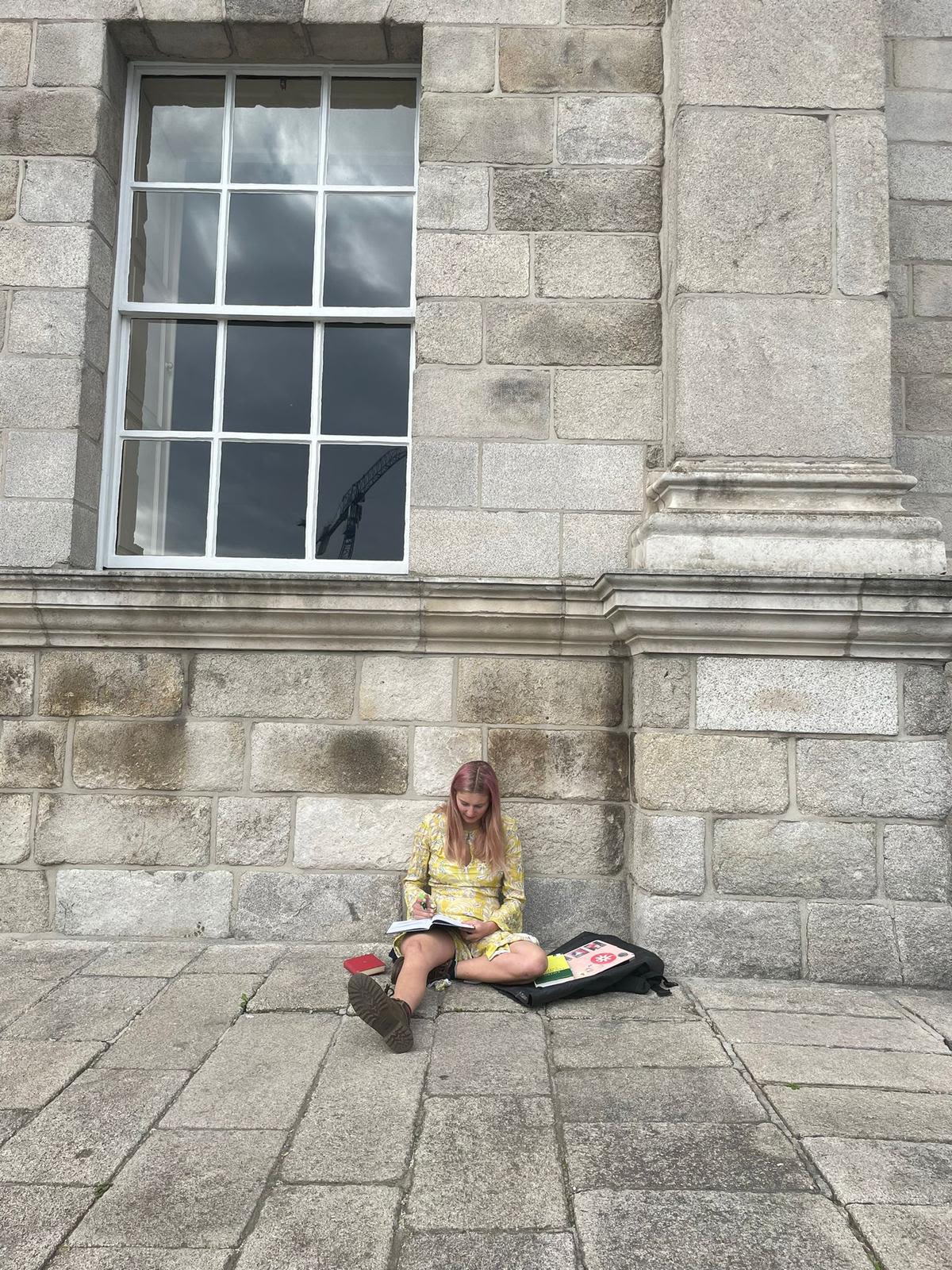
Sophie Dibben, writing.
Sophie Dibben, writing.
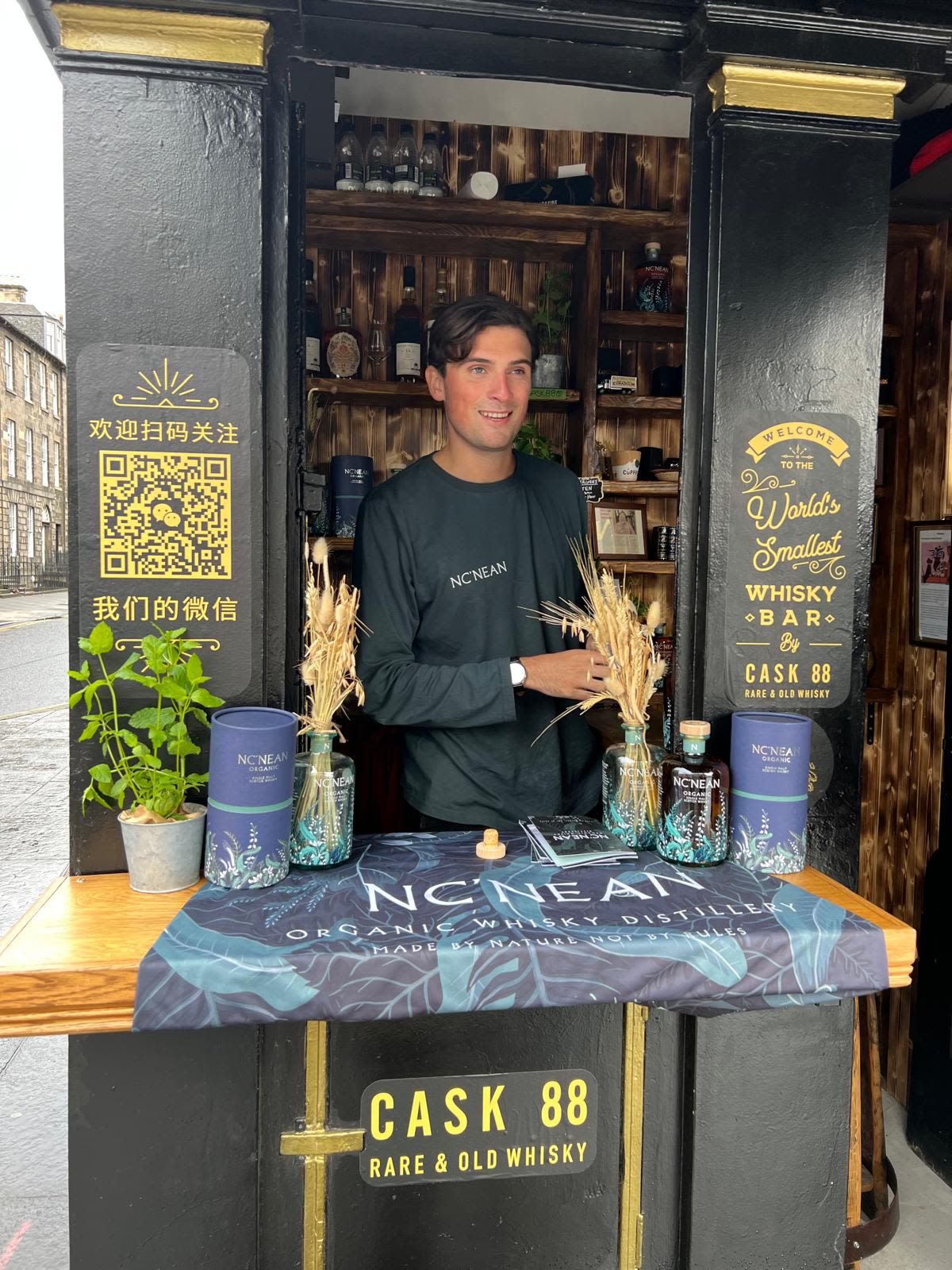
Lorne Robb, who pivoted away from the drinks industry. (Credit: Lorne Robb.)
Lorne Robb, who pivoted away from the drinks industry. (Credit: Lorne Robb.)
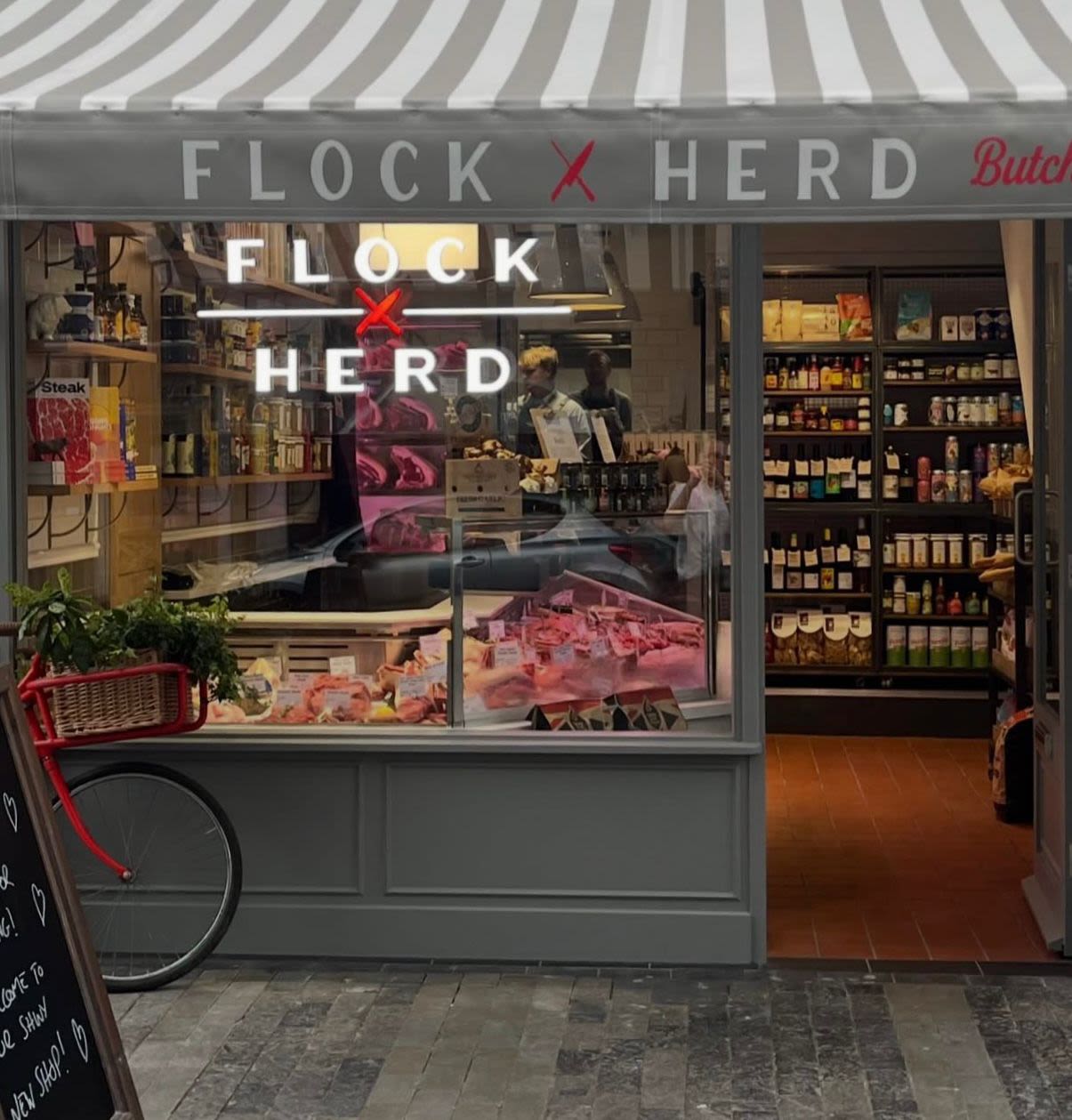
After nearly two years at a corporate real estate membership organisation, Todd Butterworth began to feel a growing disconnect between his work and his mental health. Around this time, he saw a job ad: Flock & Herd, a local butcher shop in Camberwell, was looking for trainees.
With no experience but a willingness to learn, Butterworth applied and got the job. Both the physicality required, and the steady stream of new customers helped break the monotony he’d felt in office life. “I used to go to bed dreading the next day. Now I don’t feel that at all.”
The shift came with a pay cut, and some judgment.
“When you tell people you’re leaving a ‘professional’ job to work in a butcher’s, they look at you funny. But I think a lot of people - even if they don’t say it - feel stuck in their jobs and kind of envy someone who’s willing to make a big change.”
Butterworth has since recalibrated his perception of success. He now prioritises the shape of his day more than the title on his email signature. “There’s a lot to be said for doing something that just feels right, even if it’s not what people expect, or what you thought you’d end up doing.”
Julia Tyndall, however, doesn’t follow the typical liberation narrative. Instead, she leaned into the ideal of an office existence. After working an unaligned office job to support her career as an artist, she began to feel disconnected from the world around her. “It’s usually that you liberate yourself and ditch your corporate job to become a creative,” she says, half-laughing. “But actually, my soul’s already sold to the law.”
She enrolled in a law conversion course, finding the competitive environment intimidating but also intellectually stimulating. What drew Tyndall in was the structure and the constant human interaction, a stark contrast to the insularity she often felt in her creative work. “You're absolutely in the thick of it… constantly interacting with hundreds of different types of people.”
London’s fast-paced environment influenced her career change. “It bottlenecks life,” she tells me. “It just makes everything happen quicker because everything's more stressful, and time and money are two incredibly precious commodities.”

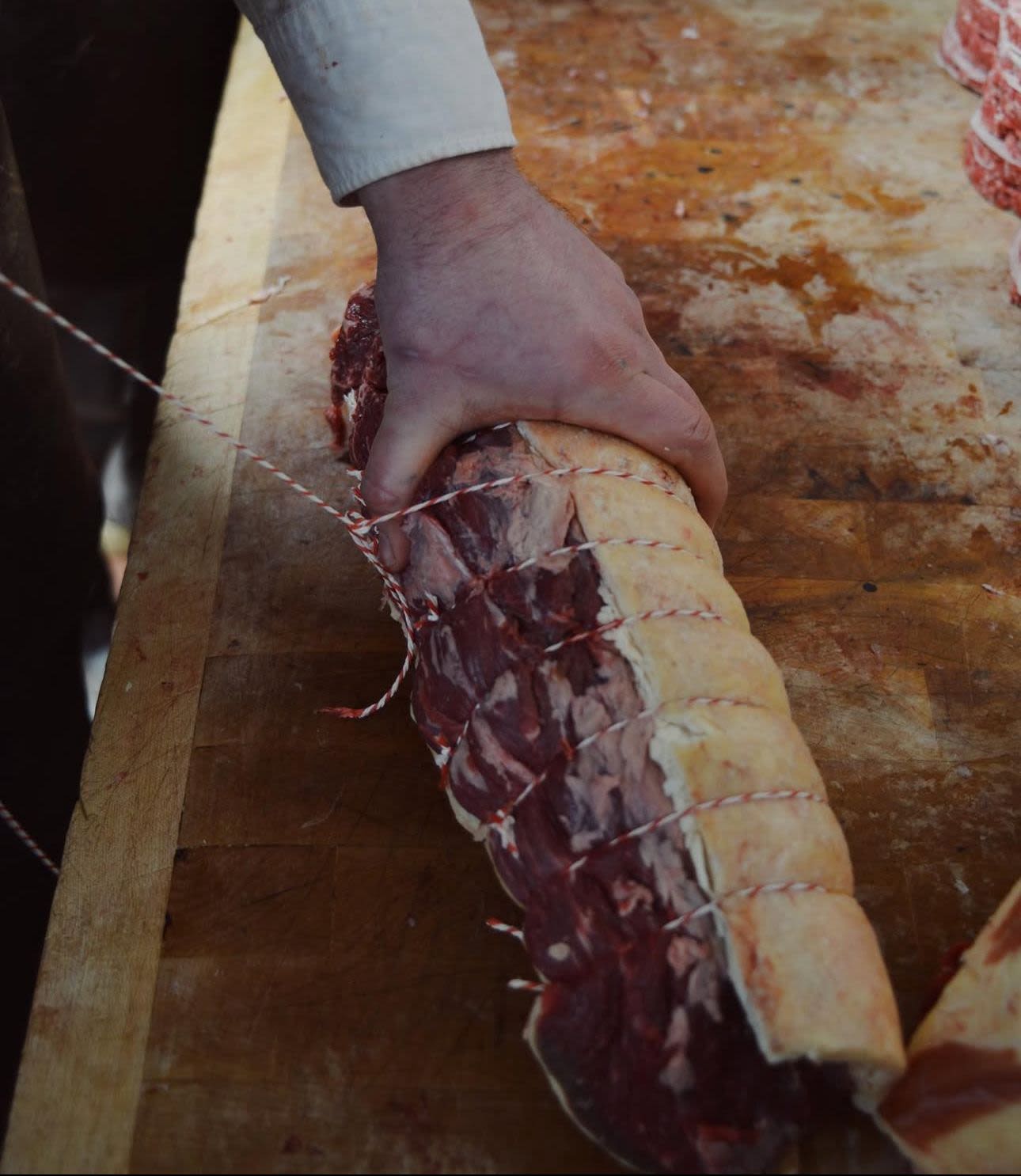
Todd Butterworth took a paycut, and is choosing to define meaning on a smaller, day-to-day scale. (Credit: Todd Butterworth.)
Todd Butterworth took a paycut, and is choosing to define meaning on a smaller, day-to-day scale. (Credit: Todd Butterworth.)

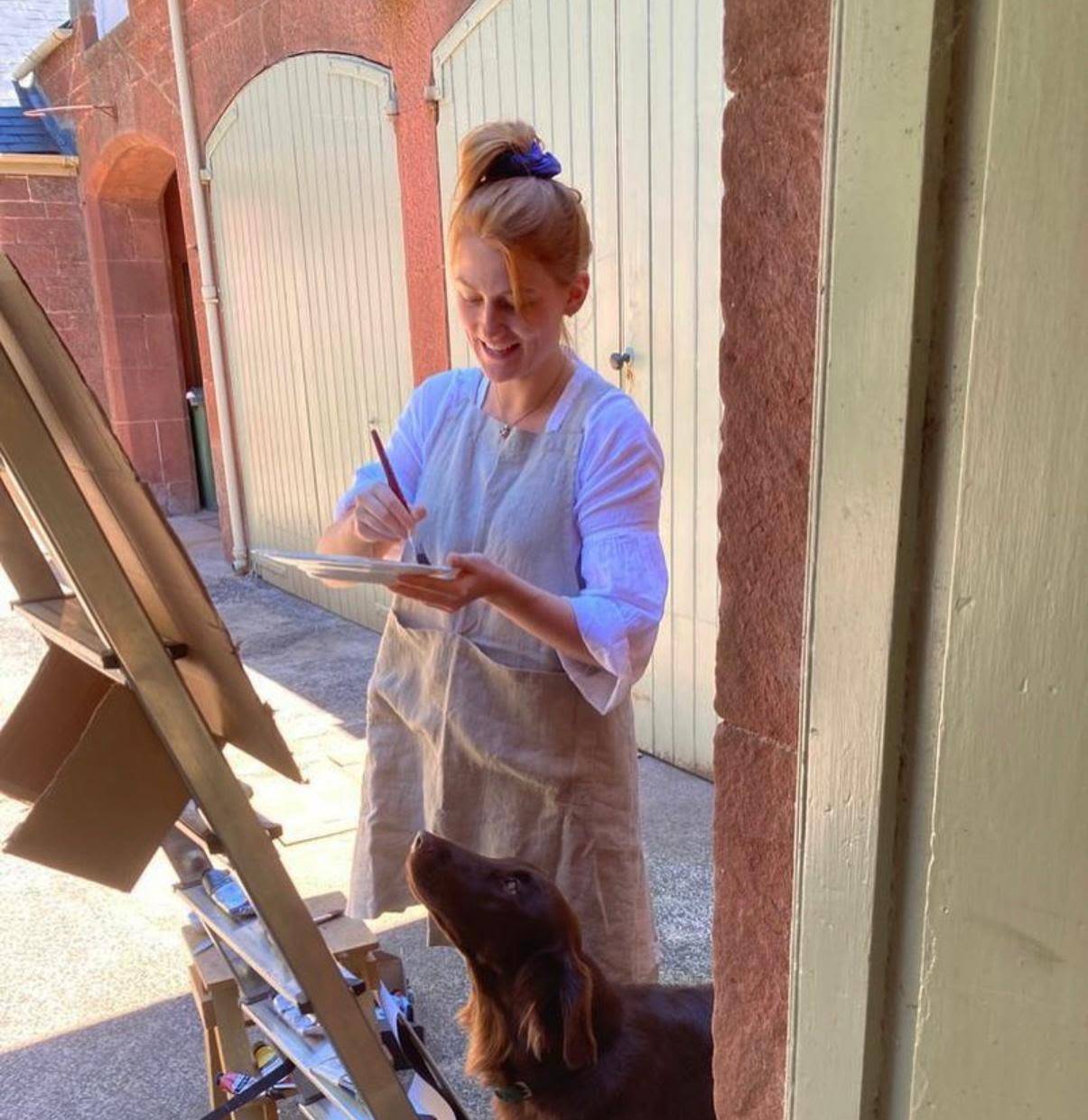
Julia Tyndall, is an artist-turned-lawyer, who wishes to feel part of the world. (Credit: Julia Tyndall.)
Julia Tyndall, is an artist-turned-lawyer, who wishes to feel part of the world. (Credit: Julia Tyndall.)
For everyone interviewed, leaving - even when laced with uncertainty - was not derailment, but an act of authorship.
The inherited success model needn’t be discarded entirely, but neither should it go unexamined. It is, of course, important to comprehend the mechanics and existing traditions of our world. However, it’s equally (if not more) valuable to recognise the emotional fabric out of which each of us is spun.
Philosopher Frédéric Gros describes this as a call for “a new economics,” one that reckons with the true cost of our efforts. It echoes Henry David Thoreau’s enduring question: What is the minimum we need to live well - and what are we giving up in chasing more?
Surveys bear this out: nearly 90 percent of Gen Z prioritise purpose alongside money and well-being. Only six percent see senior leadership as their goal. They’re demanding respect, purpose, and the freedom to live a life that doesn’t revolve around work.
It seems there is new currency.

“The point of the Gospels is that it’s not meant to be convenient.”
As many navigate the shifting contours of working life, there’s often a stretch where certainty stays just out of reach.
Ellis, for example, both acknowledges and welcomes the ambiguity of his future.
“It somewhat daunts me, but also it somewhat excites me, you know? The real test will be if I maintain that kind of joyful warrior mentality 30 years in the job; especially if I'm faced with a congregation of three on a Sunday, the roof is leaking, there's no money, people keep passing away, and I face abuse in the street. When you look around and the world feels increasingly bleak, and the light of God seems to grow more distant, that’s when the test really begins.”
Indeed, it's precisely this space that something deeper begins to take root.
Confusion, as daunting as it can feel, is not the enemy, but a ripe ground where meaning is discovered rather than dictated. The expanse between who we are and who we long to become often resides closer than we think. So, when the dream changes shape, when the path blurs, we continue - maybe even because of the ambiguity.
Though the squat pen must rest, we must keep digging with it, towards a life of our own making.

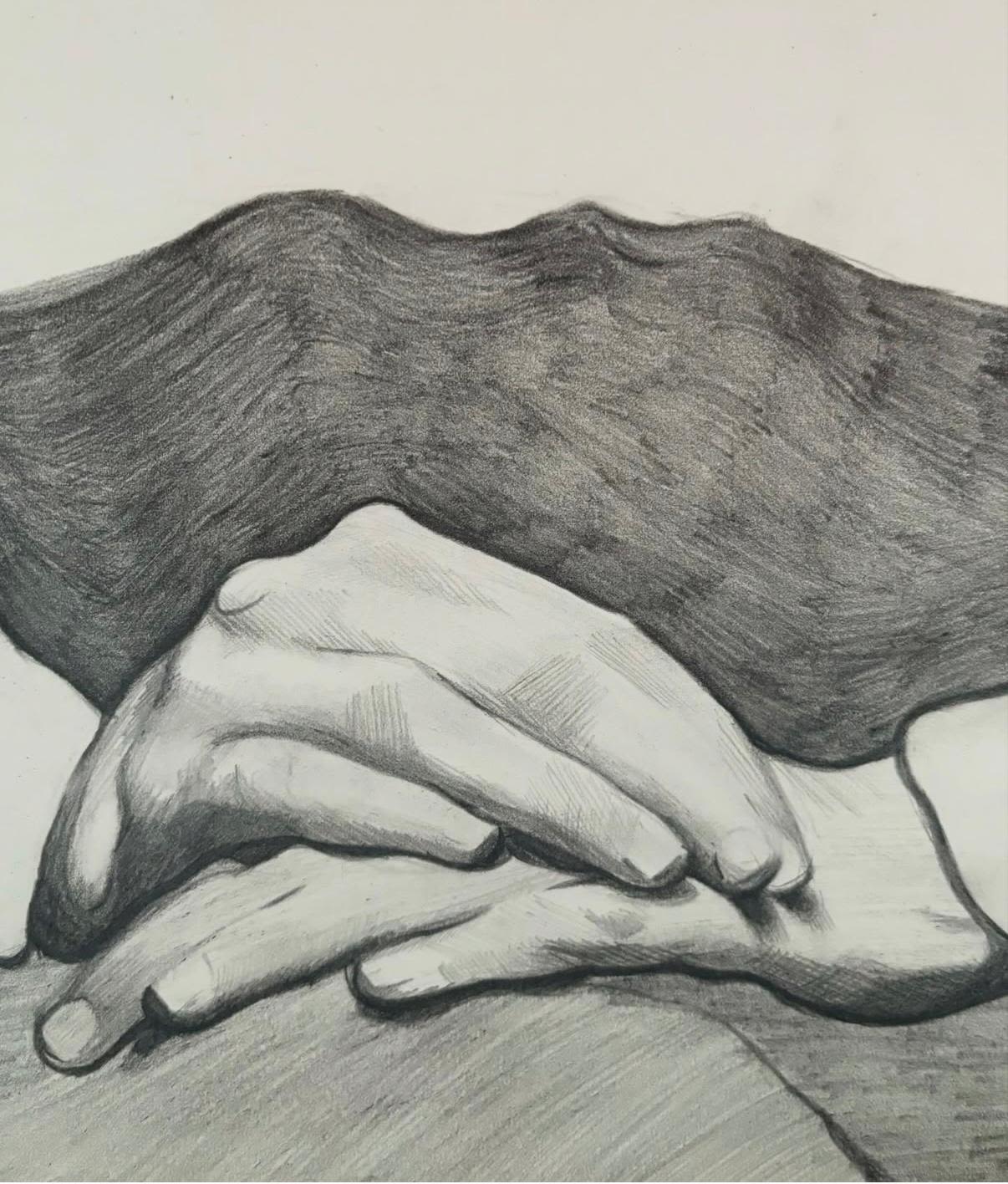
(Credit: Julia Tyndall)
(Credit: Julia Tyndall)

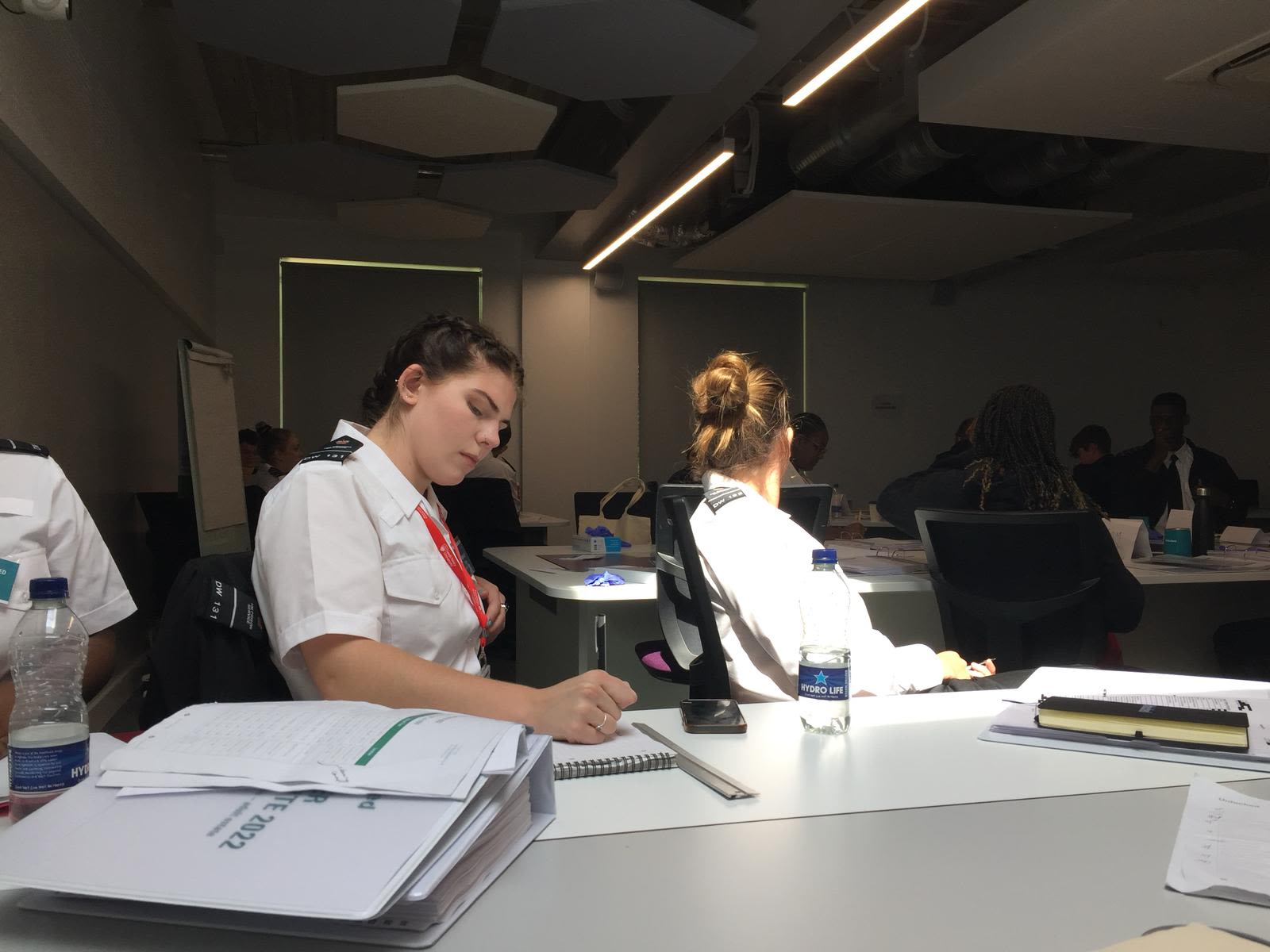
(Credit: Sophie Dibben)
(Credit: Sophie Dibben)
Images and video provided by Lucy Sherry, Sophie Dibben, Julia Tyndall, Todd Butterworth, and Lorne Robb.
Mark Ellis* is a pseudonym; his real identity has been anonymised.
 Built with Shorthand