
A new childhood crisis?
As screen time soars a growing chorus of psychologists, teachers, parents, and celebrities are calling for urgent change
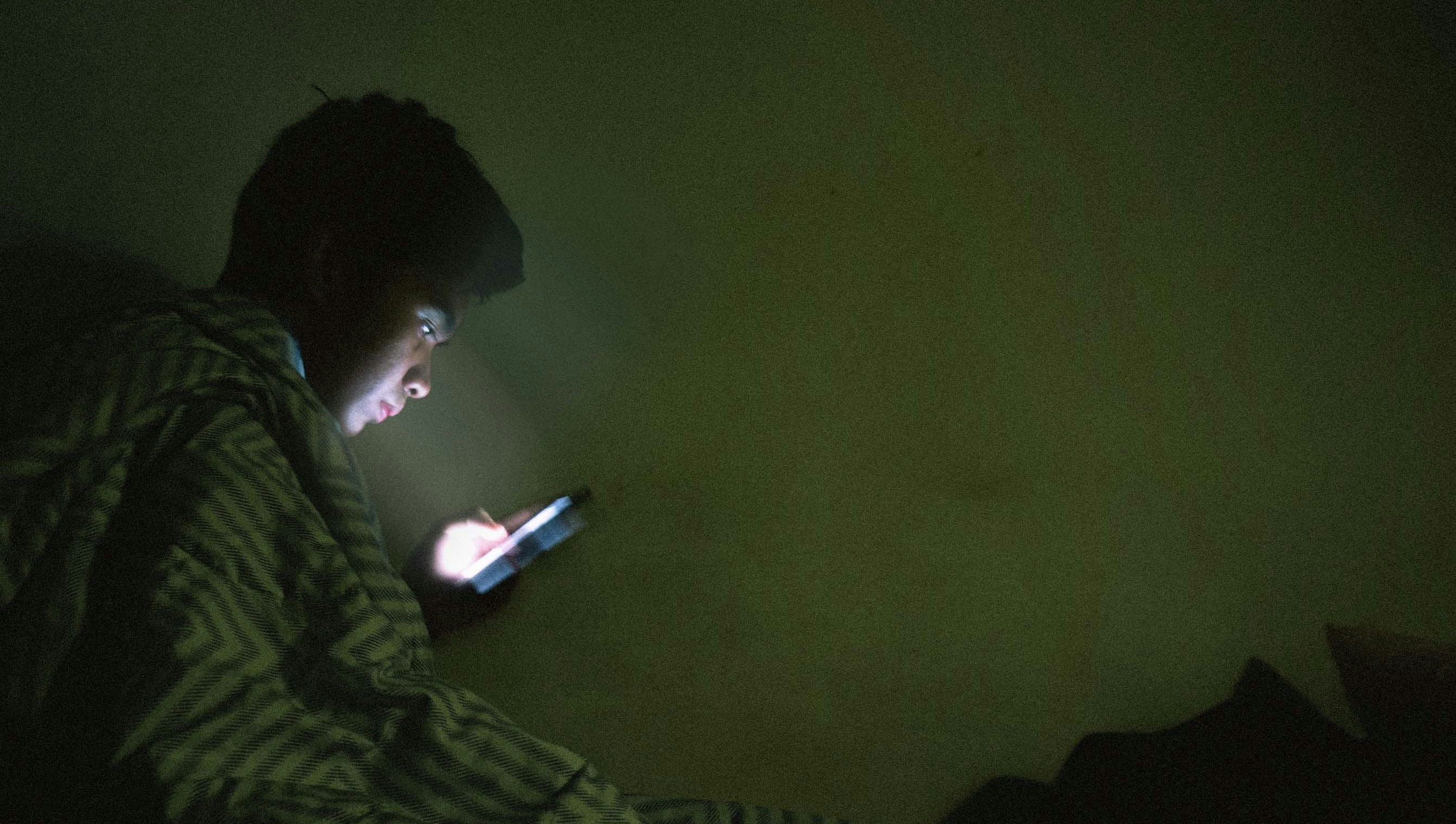

At 15 years old, I felt excluded.
At times, lonely.
Once I got home from school, I wouldn't speak to my friends until tomorrow.
That's because, unlike them, I didn't have Snapchat. Or Instagram. Or a PS4. Or an Xbox.
A first-world problem? Yes, undeniably.
But to my teenage self, it was tough.
It wasn't my choice, but my parents – they simply did not want me on social media, where I could access dangerous content.
I shouted at them, argued with them, and reasoned with them.
It was a decision that baffled me.
Six years on, and my mindset, alongside thousands of others, has completely switched.
A House of Commons Committee report shows a 52% increase in children’s screen time between 2020 and 2022.
Nearly 25% of children and young people use their smartphones in a way that is consistent with a behavioural addiction.
We are neck-deep in a pandemic of social media and phone usage, but ever so slowly, the number of people looking for the cure is growing.

Benedict Cumberbatch, Jamie Redknapp and Joe Wicks are just a few of the most prominent celebrities, alongside 100,000 others, who have signed a parent pact promoted by the Smartphone Free Childhood campaign group, which says they will not buy smartphones for their children until the age of 14.
Hugh Grant, meanwhile, is advocating for the removal of laptops and tablets from schools.
In November of last year, Australia’s parliament approved a law banning children under 16 from using social media.
It has taken time though.
The world gawped and drooled over the first iPhone back in 2007, but Dr Aric Sigman was in the minority when he voiced his concerns about the impact on children’s development.
“It's almost as if I was recommending that we feed children radioactive porridge,” he jests.
“We used to get hate mail, and I've had a professor in tears on the telephone to me because of the reaction.”



“It’s as if they are a child abuser by preventing these poor children from having tech devices in their bedrooms.”
Dr Aric Sigman


Dr Sigman works in child health education.
It does not take a doctor to prescribe the anguish that is so clear in his voice.
As one of the first people to raise awareness of the potential harm screens could do to children, this public shift has vindicated and shocked him.
“It happened at a time when everybody thought they would get left behind in the digital revolution unless they have a lot of screen time when they're very young,” Dr Sigman said.
“They believed if they don't use social media as well as the rest of society, they won't turn out as well, and their social skills will be less.
“I'm stunned because I honestly never thought I'd see the day where people did see this as a health and development issue that was considered legitimate and mainstream to talk about it.”
Mainstream does not do it justice.
Australia initially set the ball rolling, but the UK government has since hoofed that ball off the pitch, stating “the government is not currently minded to support a ban for children under 16”.
Bridget Phillipson, the Education Secretary, went one step further, labelling calls to ban phones in classrooms as a “headline-grabbing gimmick”.

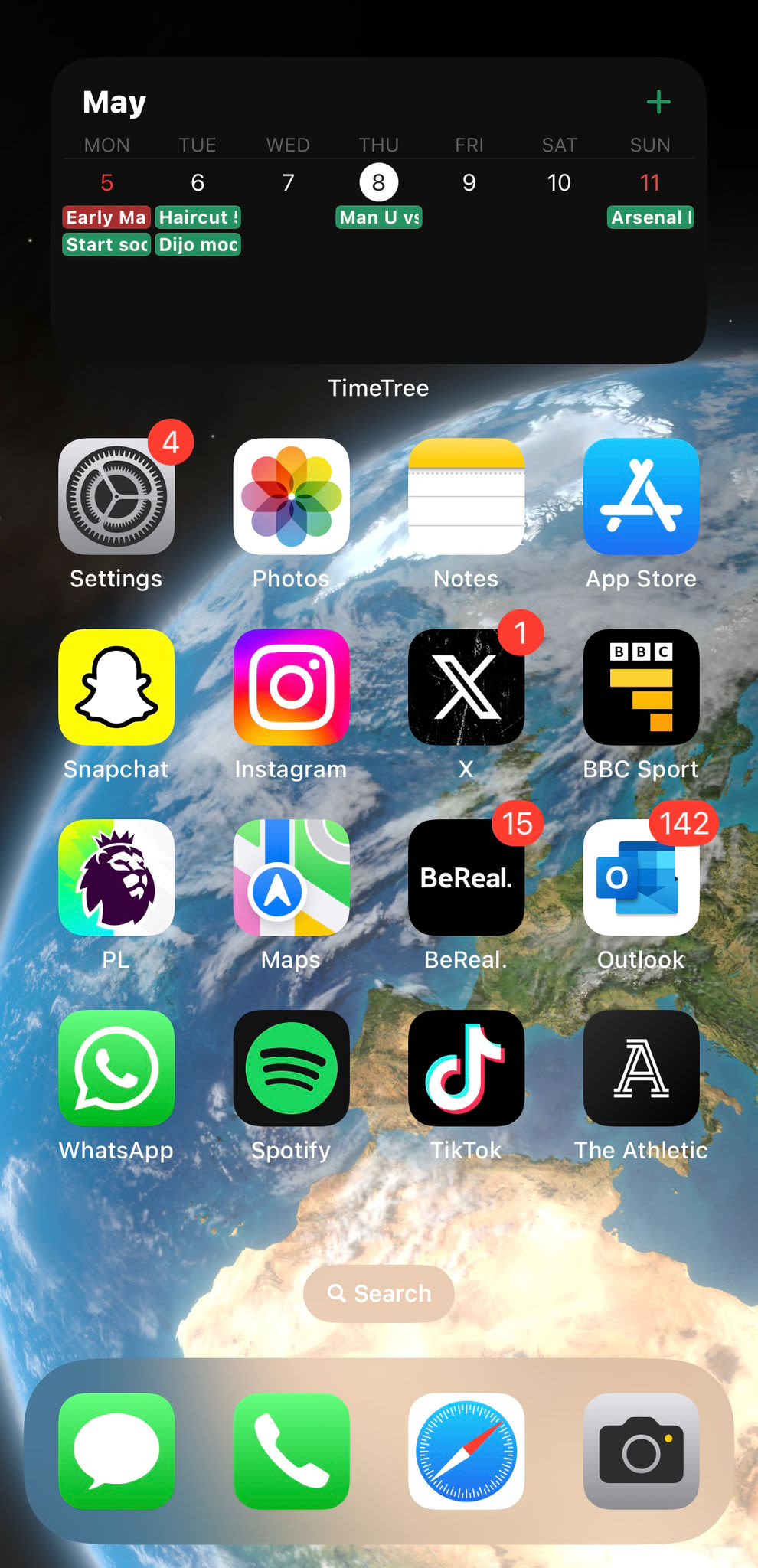
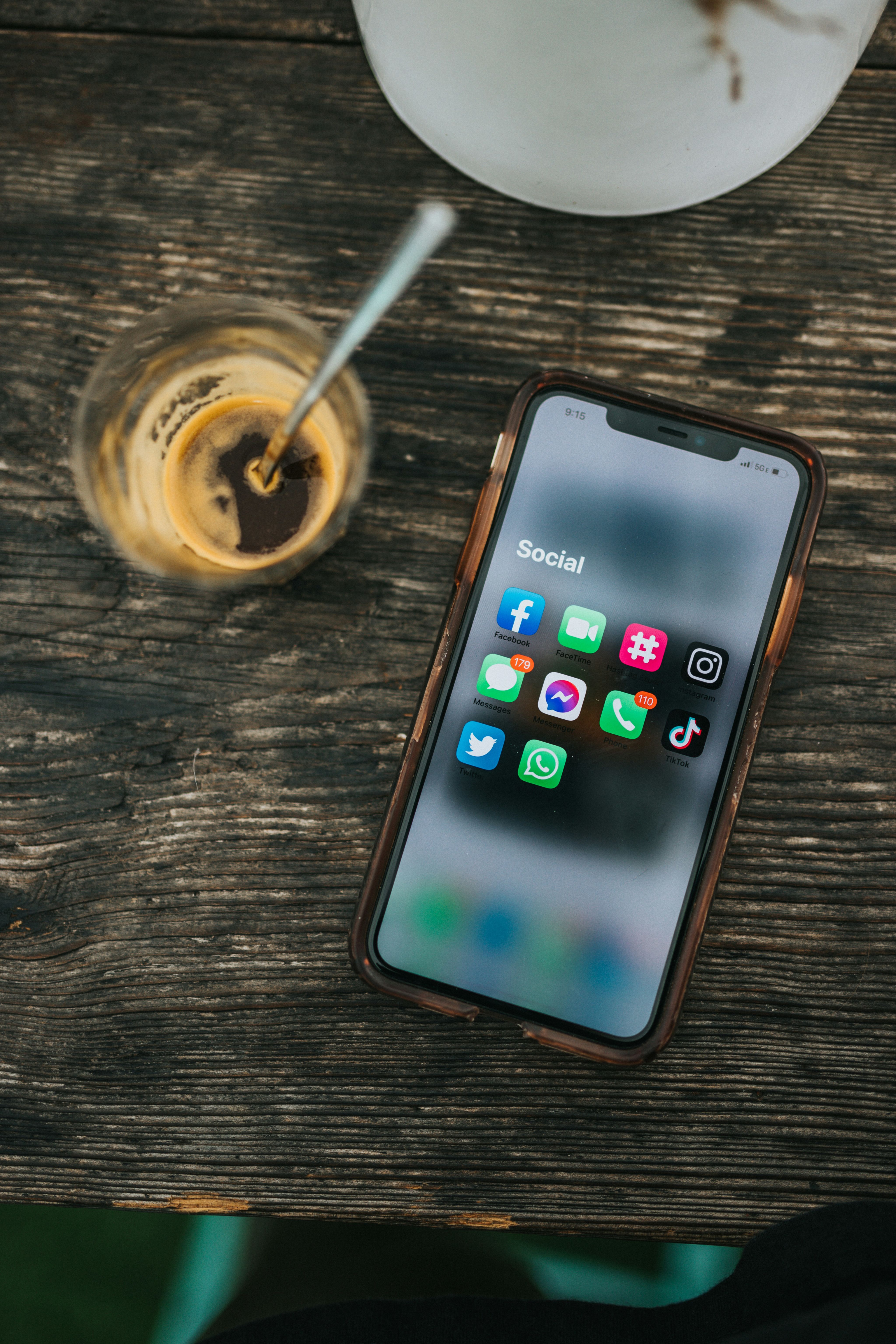
My phone home screen before Dr Sigman's recommendations.
My phone home screen before Dr Sigman's recommendations.
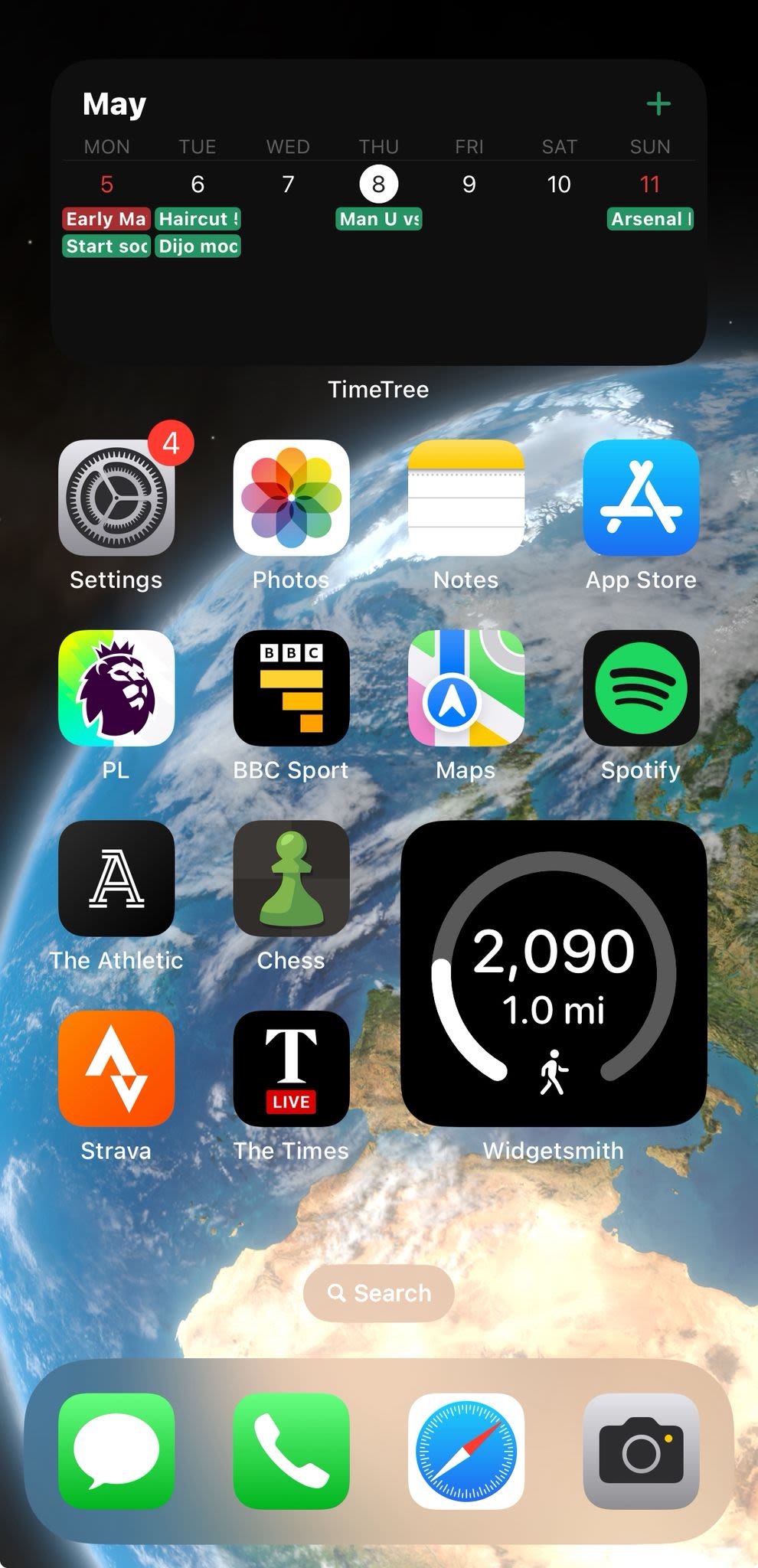
My phone screen after Dr Sigman's recommendations.
My phone screen after Dr Sigman's recommendations.
Yet 15-year-old Amy Sumner does not see it as a gimmick.
Amy is a Year 10 pupil from Norfolk and says she goes on her phone for up to four hours a day. It is people like her who matter in these discussions. It is for people like her that the perils of phones and social media are clear.
“My phone can be distracting whilst I’m trying to do homework - I often find myself scrolling late at night when I should probably be asleep, so it does affect my sleep schedule,” she says.
“I’ve thought about getting a flip phone for this summer, so I don’t have the distraction of social media whilst I’m studying or hanging out with people - real life is so much more interesting.”

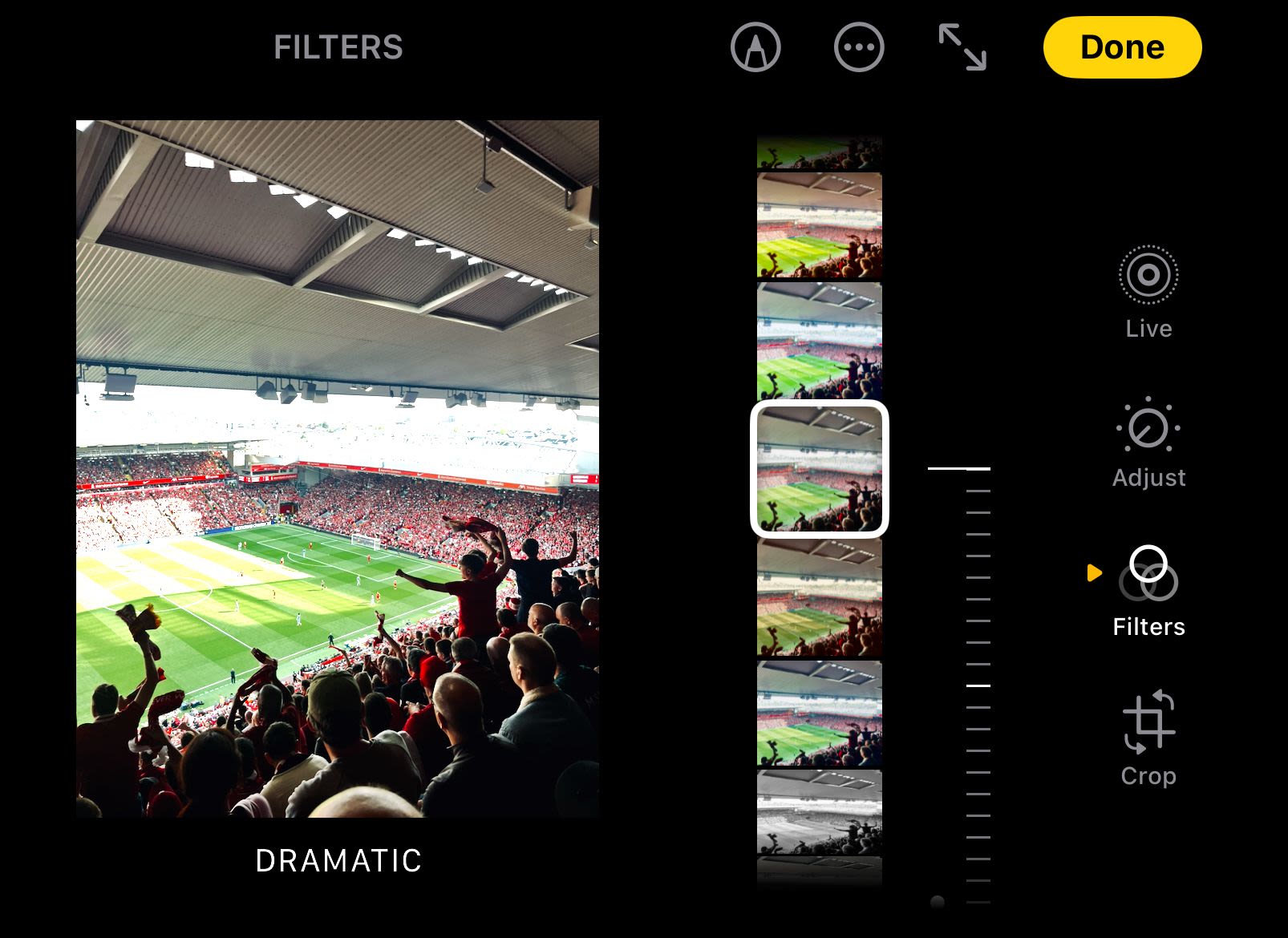
Mobile phones offer multiple editing options
Mobile phones offer multiple editing options
Airbrushed and algorithm-approved, social media sets a dangerous culture of perfection, validation and unpunished malice.
For Amy, this is the biggest pitfall of social media.
“Constantly seeing people online at their best puts pressure on me.
“Seeing so many people who are being praised for being pretty makes me feel like I need to change things about my appearance to be liked more.
“Every time I post on Instagram, I check frequently in the following days to see who, and how many people have liked it, which is a bit obsessive thinking about it, but I’ve spoken to my friends about it, and they do the same.
“Personally, I didn’t get a phone until I was 11, and I almost wish my parents had waited longer to let me have one.”


My 24 hours without a mobile phone

Higher productivity
Knowing that I wouldn't be missing any messages, as I couldn't see them, it was easier to stay engaged in work for longer periods of time.

Longer and deeper sleep
Without screen time before bed, I fell asleep much faster and woke up feeling more rested.

Personal engagement
I was more present with the people around me. I listened and engaged in conversations more fully without the distraction of my phone.

Mood improvement
My mood improved - I felt less anxious, more content taking part in other activities, and surprisingly free from FOMO.

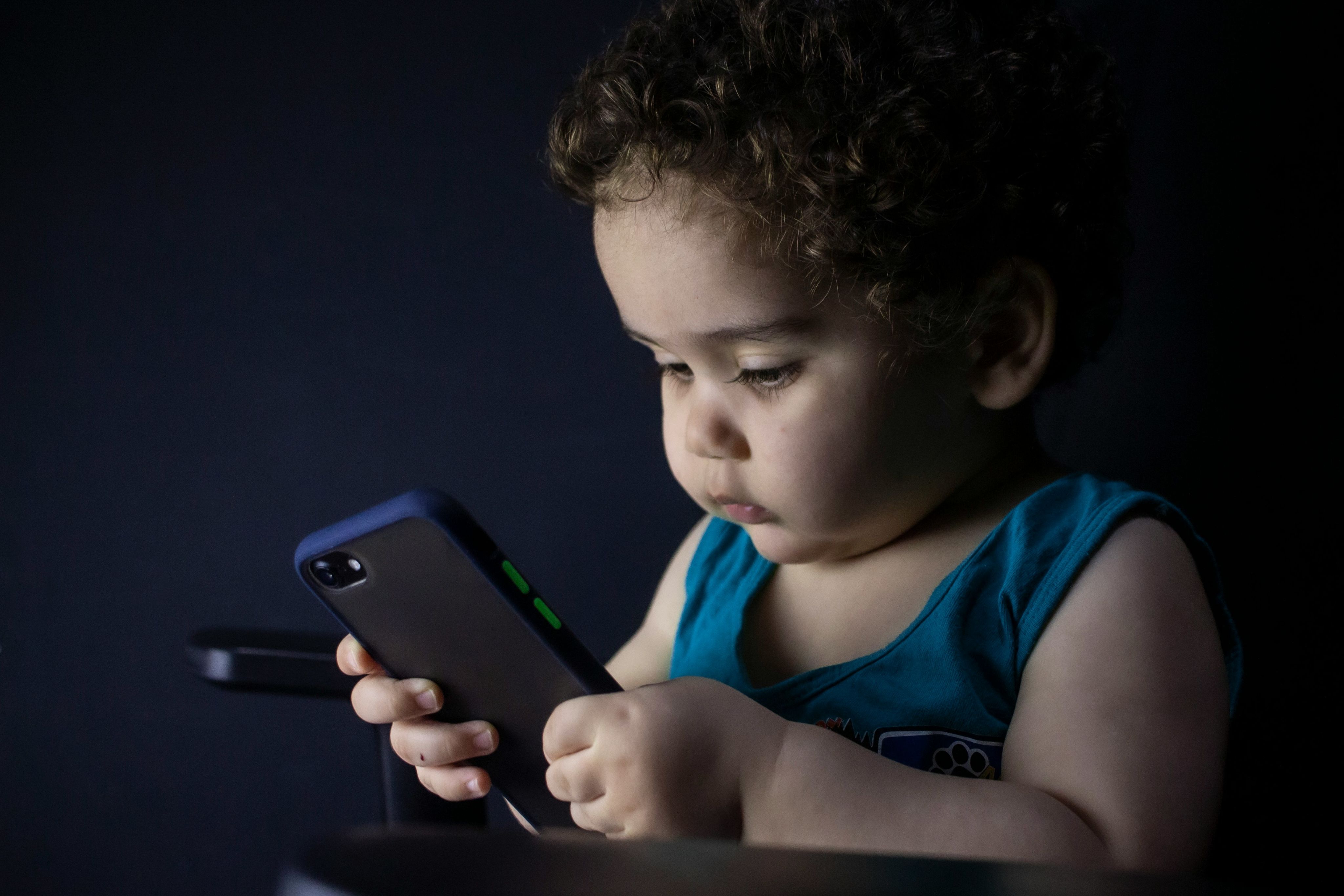

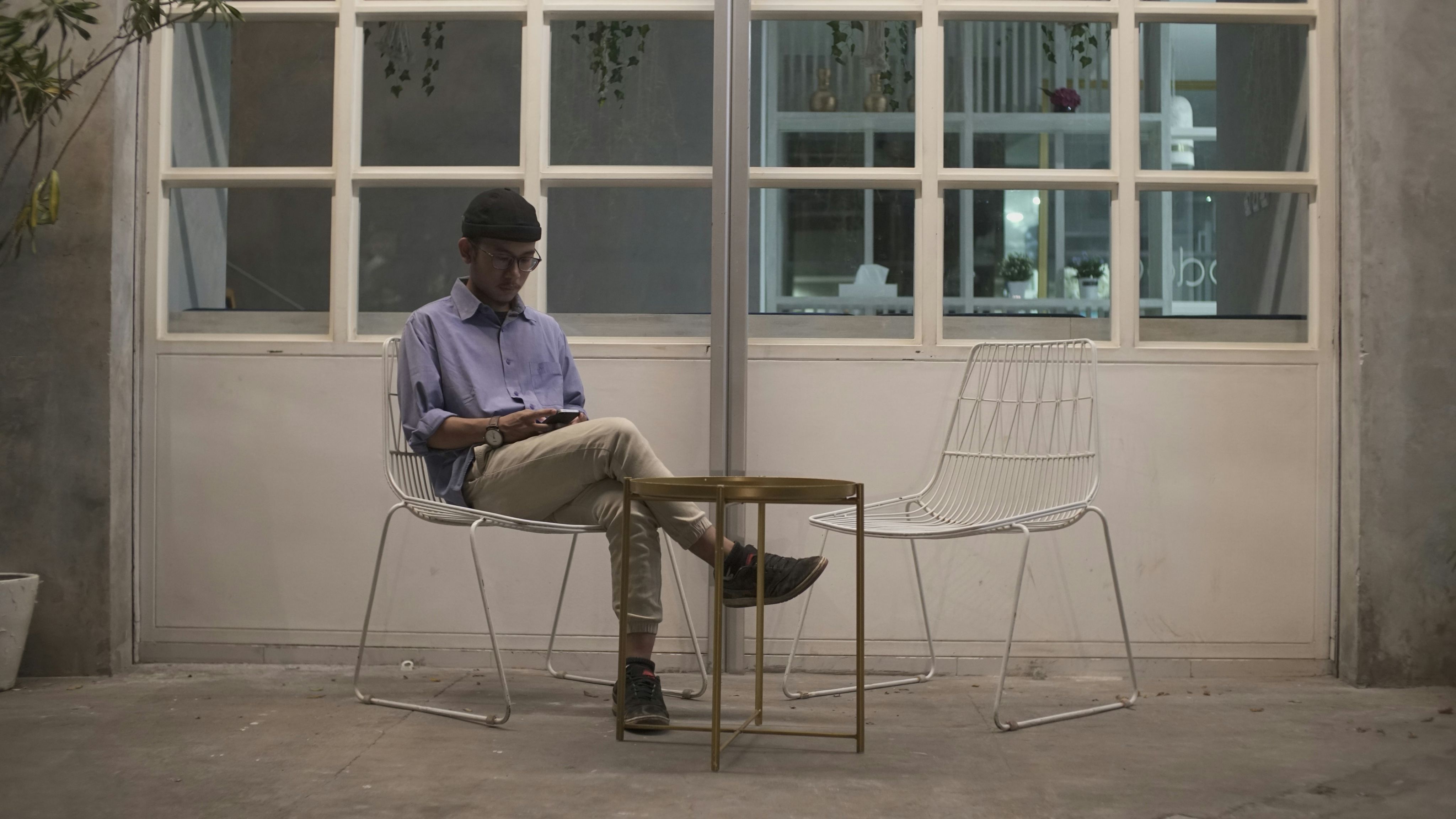

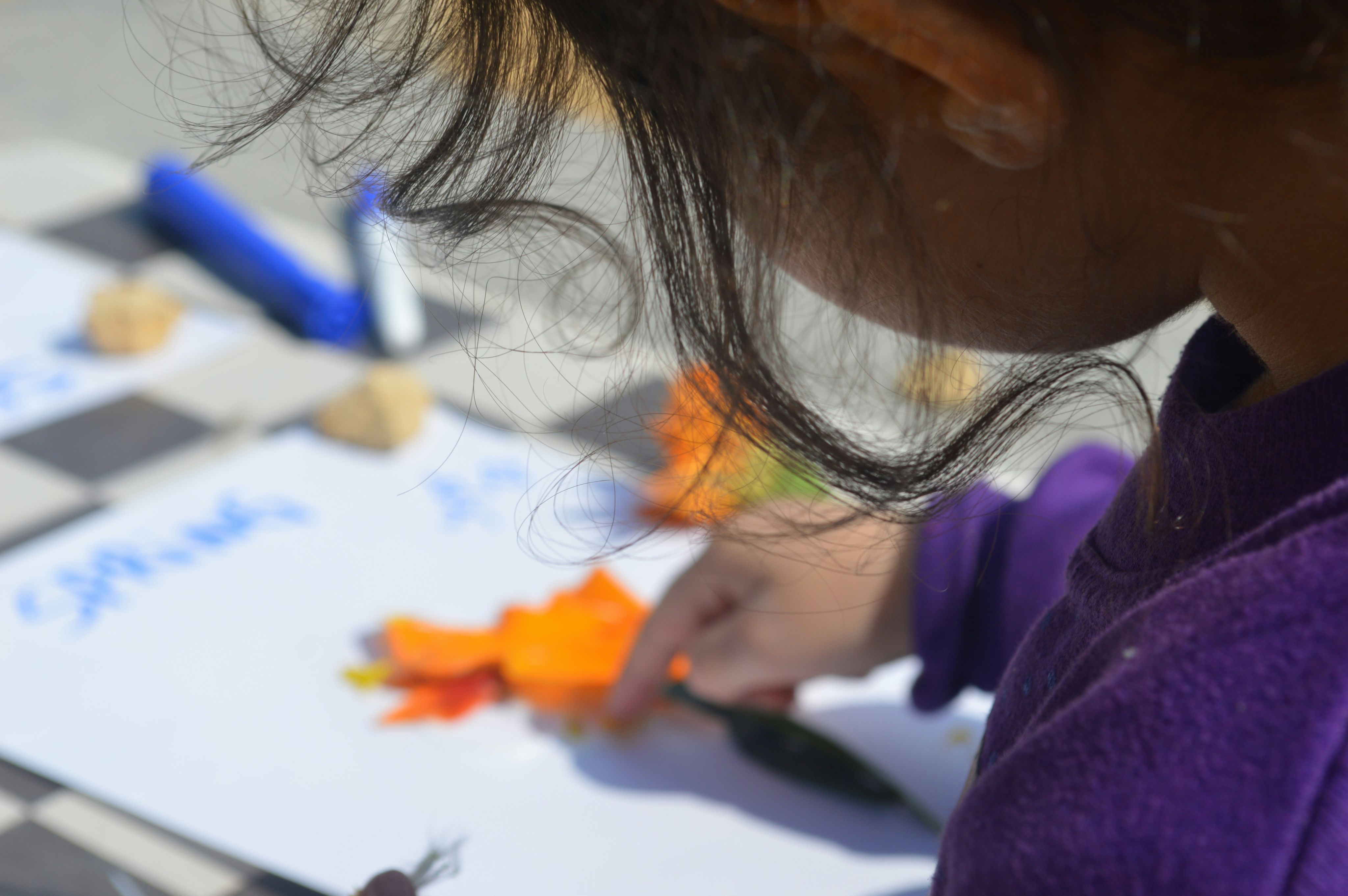
Dr Sigman believes: “The physical problems are ones you probably wouldn't have heard of because it isn’t sexy and it's not political.
“Screen time displaces important experiential time where they [young children] are soaking up key information that they need for the rest of their lives at the most important time of brain growth.
“Eyeballs are becoming oval shaped - instead of round. It's because children are spending more hours every week looking at phones and less time looking middle and long distance.
“This leads to myopia - where people can see close objects clearly, but objects farther away appear blurred.
“There is an issue of appetite and obesity. There's something about screens which is particularly distracting so that appetites are altered. Your brain doesn't know that you're full because you're so fully engaged in non-food information.”
“We make subtle movements when we’re sitting. Over a year it burns calories and stretches muscles.”
“Looking at a screen produces extremely reduced motion compared to when kids are sitting down doing other things.”
“If children’s brains are being prevented from being involved in mental gymnastics because the screen is painting the pictures in sound and colour for them, then it may prevent full development of some creative faculties. It's all being handed to them.”
Heather Partridge is a mum of three who also gave her children phones at the ages of 11.
Even then, only due to pressure from her kids’ school.
She explains: “We didn't want to give them phones at that age but interestingly, their school often asked pupils to look things up on their phones.
“I was really cross about it and talked to the school who said that it wasn't compulsory but we felt pressured into getting them phones so they didn't miss out on their classroom experience.”
Heather reveals that her son’s year group had a WhatsApp bullying incident in Year 5.
Children in Year 5 are 10 years old. Ten.
“Social media is just not secure enough - our job as parents is to protect our children and support them to thrive,” she believes.
“You need experience and knowledge and intelligence - including emotional intelligence - and insight to make informed views about things and I just don't think social media gives that as anyone can post anything without any evidence.
“Children are vulnerable, and it often shows you things based on your age and gender, like feeding Andrew Tate videos to teenage boys.”


Controversial influencer Tate and his misogynistic views were a main theme for the hit Netflix show Adolescence, which was the latest piece of media to rear its head and add weight to the rising belief that a crackdown on social media use is needed.
Mrs R, a teacher who wished to remain anonymous, suggested that “misogyny has definitely increased in school, probably as a result of the kids seeing influencers online”.
“Online bullying and unpleasantness to each other has increased, the kids are becoming heavily influenced by social media from the ages of 10.”
Despite admitting that “students are not fully attentive and are distracted by their phones”, Mrs R feels that “most parents are supportive of phones not being visible in school from my experience”.


Technology is brilliant – until it isn’t.
As a society, both adults and children no longer have to remember things or think creatively. A tap is all it takes, and Google or ChatGPT is there to meet both your literal demands and dopamine needs.
What should I have for dinner? Google will know.
Unsure on how to write an English Literature essay on Romeo and Juliet? ChatGPT knows.
What should I use for my third example to get this point across? It knows.
We now think less. Create less. Connect less.
Children may shout, as I did in my naive years, but the common consensus from parents, teachers, and academics makes it clear that change is a necessity, no matter how tempting it is to like, comment, and swipe away from the reality of the issue.

 Built with Shorthand